

What Are The Big Dumbbells Called: Names Explained
The big dumbbells are usually called heavy dumbbells, giant dumbbells, or loadable dumbbells.
The name depends on the design and how the dumbbell is used. In a gym, “big dumbbells” may mean standard heavy dumbbells, adjustable loadable dumbbells, or the oversized circus dumbbells used in strongman events. Knowing the difference helps you choose the right tool, use it safely, and avoid buying equipment that does not fit your goals.
What Are the Big Dumbbells Called?
The most common name for big dumbbells is heavy dumbbells. This simple term usually means a fixed dumbbell with a high weight, such as 80, 100, or 150 pounds.
You may also hear these names:
• Giant dumbbells: A casual term for very large or heavy dumbbells.
• Loadable dumbbells: Dumbbells with handles and removable plates.
• Adjustable dumbbells: Dumbbells that let you change the weight by adding plates, pins, or blocks.
• Pro-style dumbbells: Large, commercial gym dumbbells with thick handles and welded heads.
• Circus dumbbells: Oversized dumbbells used in strongman training and competitions.
The best name depends on the shape, weight, and purpose. If someone asks what are the big dumbbells called in a normal fitness center, “heavy dumbbells” is usually the safest answer.

Heavy Dumbbells Explained
Heavy dumbbells are fixed-weight dumbbells made for strength training. Their heads are often made from cast iron, steel, or rubber-coated metal. Many commercial gyms place them on a separate rack because they are too heavy for the standard dumbbell stand.
A heavy dumbbell may weigh anywhere from 50 pounds to more than 200 pounds. Most home users do not need the largest sizes. For many exercises, good form matters more than using the heaviest tool in the room.
Heavy dumbbells are useful for:
• Dumbbell bench presses
• One-arm rows
• Walking lunges
• Bulgarian split squats
• Farmer’s carries
• Shoulder presses
• Shrugs
• Romanian deadlifts
The large size can make these dumbbells harder to hold, even when the weight is manageable. A thick handle can challenge your grip, while wide heads may touch your legs or chest during an exercise.
In practice, one of the first lessons many lifters learn is that a dumbbell can feel difficult for two reasons: it is heavy, and it is awkward. The shape changes the balance. This is why a 100-pound dumbbell may feel very different from a 100-pound barbell load.

What Are Loadable Dumbbells?
Loadable dumbbells have a handle with sleeves for weight plates. You add plates to each side, then secure them with collars or locking mechanisms. They are also called plate-loaded dumbbells.
These dumbbells are popular in home gyms because one pair of handles can replace many fixed dumbbells. You can start with a light load and add weight as your strength improves.
Common types include:
• Spinlock dumbbells: Plates are held in place by threaded collars.
• Olympic loadable dumbbells: These use larger sleeves that fit Olympic plates.
• Adjustable plate dumbbells: These allow quick changes with a pin, dial, or selector system.
Loadable dumbbells can become very large. That is why people often call them big dumbbells, even when the handle itself is not oversized. The plates make the tool wider and may limit your range of motion.
For example, a plate-loaded dumbbell can work well for rows and presses. However, large plates may bump into your arms during curls or make a dumbbell bench press feel awkward.

What Are Circus Dumbbells?
Circus dumbbells are oversized dumbbells linked to strongman training. They often have a very thick handle and large, wide heads. Some are fixed-weight tools, while others use removable plates.
The name comes from old carnival and circus strength acts. Performers used unusual weights to entertain crowds and show off feats of strength. Modern strongman athletes still use similar equipment in events such as the circus dumbbell press.
A circus dumbbell is not just a heavier version of a normal dumbbell. Its design creates extra challenges:
• The thick handle demands strong grip and wrist control.
• The wide heads can rest against the shoulder or chest.
• The uneven shape changes how the weight moves.
• The pressing path requires careful control.
If you searched what are the big dumbbells called after seeing a giant dumbbell in a strongman video, circus dumbbell is likely the term you wanted.
These tools are fun and demanding, but they are not ideal for every lifter. Beginners should first build strength with normal dumbbells and learn safe pressing habits.

Pro-Style and Fixed Commercial Dumbbells
Pro-style dumbbells are common in commercial gyms. They usually have a straight metal handle with large heads that are welded or permanently attached. The heads may be round, hexagonal, or slightly flattened.
A pro-style dumbbell is often longer than a home dumbbell. This extra length gives it room for more metal and helps the manufacturer create heavier weights. It also makes the dumbbell more stable when placed on the floor.
You may see these names in equipment catalogs:
• Fixed dumbbells
• Commercial dumbbells
• Urethane dumbbells
• Rubber hex dumbbells
• Round-head dumbbells
The term “pro-style” does not always mean the dumbbell is extremely heavy. It mainly describes the construction and commercial design. Some pro-style dumbbells weigh only 10 pounds, while others weigh more than 150 pounds.
When people ask what are the big dumbbells called at a gym, they may simply be referring to the fixed dumbbells at the heavy end of the rack.

Big Dumbbells Compared With Regular Dumbbells
The main difference is not just weight. Big dumbbells often have different dimensions, handles, and balance points.
Here is a simple comparison:
• Regular dumbbells are easier to control and suit most basic exercises.
• Heavy dumbbells provide more resistance for experienced lifters.
• Loadable dumbbells save space and let you change the weight.
• Circus dumbbells create special grip and balance challenges.
• Adjustable dumbbells offer convenience but may feel bulky.
A regular dumbbell may sit close to your hand. A larger dumbbell may have long handles or wide heads. This can affect your wrist position and movement path.
For example, wide adjustable dumbbells may touch your shoulders during a curl. Large fixed dumbbells may hit the bench during a press. These are not always equipment flaws. They are normal effects of using a larger tool.

Benefits of Using Big Dumbbells
Big dumbbells can help you build strength, muscle, and work capacity. They also allow each arm to work on its own, which can expose strength differences between your left and right sides.
Key benefits include:
• Better muscle balance: Each arm must control its own weight.
• Greater range of motion: Dumbbells can move more freely than a barbell.
• Stronger grip: Heavy handles challenge your hands and forearms.
• Improved stability: Your shoulders and core must control the load.
• Useful home training: Loadable designs offer many weight options.
Heavy dumbbells also work well for carries. A farmer’s carry, for example, trains grip, posture, bracing, and walking control at the same time. It is a simple exercise, but it teaches your body to manage weight in a practical way.
Research on resistance training supports progressive overload as a key part of building strength and muscle. That does not mean adding weight every session. You can also progress by adding repetitions, improving control, increasing range of motion, or reducing rest.
Limitations and Safety Concerns
Big dumbbells are useful, but they are not automatically better. A weight that is too large can shorten your range of motion, damage your technique, or place stress on your shoulders, elbows, and lower back.
Keep these safety points in mind:
• Do not kick very heavy dumbbells into position without learning the movement.
• Use a spotter for challenging presses.
• Keep your wrists straight and your elbows controlled.
• Do not drop dumbbells near other people or fragile flooring.
• Check collars and plates before using loadable dumbbells.
• Keep the lifting area clear.
One common mistake is treating heavy dumbbells like lighter ones. People often rush the setup, swing the weight, or twist their back to finish a repetition. The safer approach is to plan the setup before the set begins.
If you have a past injury, heart condition, or long break from training, ask a qualified health professional before starting heavy resistance work. A certified strength coach can also help you choose a safe progression.
How to Choose the Right Big Dumbbells
Choose the dumbbell type based on your space, training goals, budget, and experience. The largest option is not always the best option.
Use this guide:
-
Choose fixed dumbbells for fast workouts and easy weight changes.
-
Choose loadable dumbbells if you want many weight options in a small space.
-
Choose adjustable dumbbells for home training and general fitness.
-
Choose circus dumbbells if you train for strongman events or special grip strength.
-
Choose rubber or urethane heads if noise and floor protection matter.
Before buying, check the handle diameter, total length, weight range, locking system, and warranty. Also measure your storage rack and lifting area. Some large dumbbells need more room than expected.
For home use, adjustable or loadable dumbbells often provide the best value. For a busy gym, fixed commercial dumbbells are faster and easier to share.

How to Use Heavy Dumbbells Safely
Start with a weight that lets you perform every repetition with control. Your final repetitions may feel hard, but your body position should remain stable.
A safe heavy dumbbell session may follow this pattern:
-
Warm up with five to ten minutes of light movement.
-
Perform a few easy sets with small dumbbells.
-
Practice the setup with no weight or a very light weight.
-
Increase the load in small steps.
-
Stop the set when your form begins to break.
-
Return the dumbbells to the floor with control.
For a dumbbell bench press, place the dumbbells on your thighs before lying back. Use your legs to help guide them into position. At the end of the set, bring the dumbbells back to your thighs before sitting up.
This method may feel slow at first, but it reduces sudden strain. In real gym settings, many lifting problems happen during setup and storage, not during the main repetition.
Big Dumbbells for Different Exercises
The right size depends on the exercise. A dumbbell that works well for a lower-body movement may be too heavy for an upper-body movement.
For example:
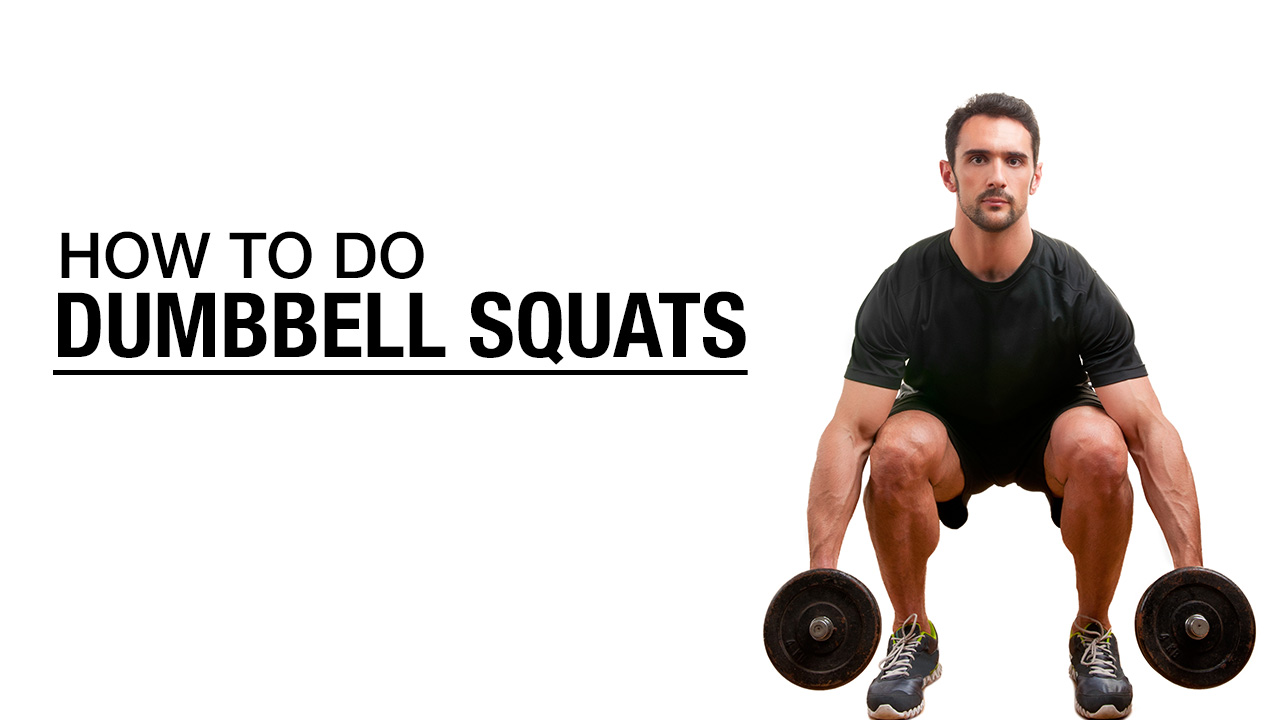
• Goblet squats can use one large dumbbell held at the chest.
• Farmer’s carries can use two heavy dumbbells held at the sides.
• Rows may allow more weight because the back has strong muscles.
• Shoulder presses usually require less weight and more control.
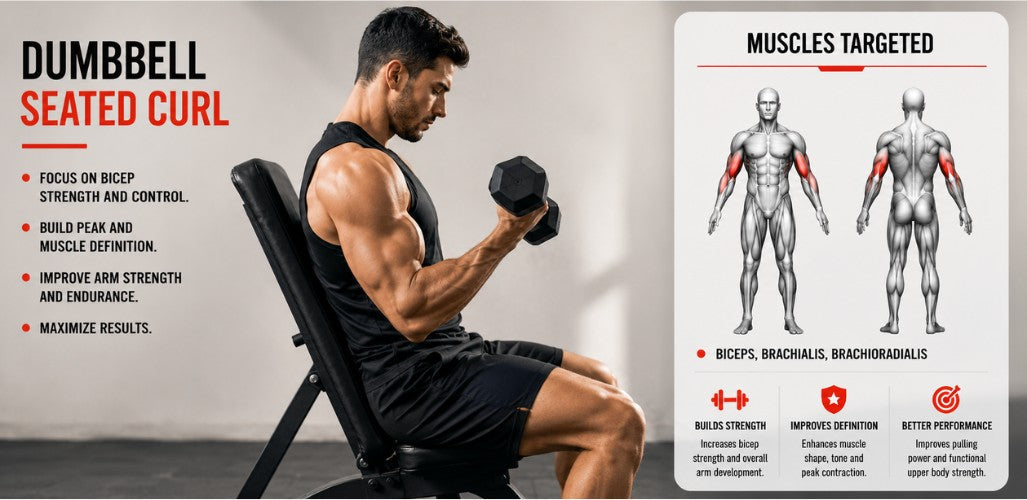
• Curls often need lighter dumbbells because the biceps are smaller muscles.
• Dumbbell bench presses may use heavy weights, but setup becomes more important.
Do not compare your dumbbell weight with another person’s number. Body size, training age, exercise form, and range of motion all matter. A controlled 40-pound dumbbell can produce better results than a poorly controlled 70-pound dumbbell.
Frequently Asked Questions About What Are the Big Dumbbells Called
What are the big dumbbells called in a gym?
They are usually called heavy dumbbells or fixed dumbbells. If they use removable plates, they may be called loadable or plate-loaded dumbbells.
What are the giant dumbbells used in strongman competitions called?
They are commonly called circus dumbbells. These dumbbells have oversized heads and thick handles and are used for events such as the circus dumbbell press.
Are big dumbbells better than regular dumbbells?
Not always. Big dumbbells allow heavier training, but regular dumbbells may provide better control, comfort, and range of motion for many exercises.
What are adjustable big dumbbells called?
They are called adjustable dumbbells, loadable dumbbells, or plate-loaded dumbbells. The exact name depends on whether the weight changes with plates, pins, dials, or another locking system.
Why do some heavy dumbbells have thick handles?
Thick handles increase the grip challenge and may improve hand and forearm strength. They can also make the dumbbell harder to control, so beginners should use them with care.
How heavy should big dumbbells be for beginners?
Beginners should choose a weight they can lift with steady form for the planned number of repetitions. Start lighter than you think, then increase the weight slowly as your technique improves.
Conclusion
The big dumbbells are most often called heavy dumbbells, giant dumbbells, loadable dumbbells, or circus dumbbells. Heavy fixed dumbbells suit commercial gym training, loadable dumbbells save space, and circus dumbbells serve specialized strongman work.
Focus on the design, not just the size. Choose a weight that you can control, learn the setup, and increase resistance step by step. Explore more strength-training guides, and share your favorite heavy dumbbell exercise in the comments.

Brandon Knoxley is a sport & fitness writer and training guide contributor at MySportFitHub. He focuses on practical workouts, performance-based training, and honest fitness gear insights designed for real people and real results. Brandon is passionate about helping beginners and active individuals train smarter, avoid common mistakes, and build sustainable fitness habits.


