
What Do The Numbers On Dumbbells Mean: Weight Guide
The numbers on dumbbells usually show the weight of one dumbbell, measured in pounds or kilograms.
Understanding what do the numbers on dumbbells mean helps you choose the right load, track progress, and avoid lifting far more than you planned. A label such as “20” may mean 20 pounds, 20 kilograms, or a manufacturer’s setting, so the number alone does not tell the full story. This guide explains the markings, common weight mistakes, unit conversions, and safe ways to select dumbbells for your workout.
What Do the Numbers on Dumbbells Mean?
In most gyms, the number on a fixed dumbbell shows the weight of that single dumbbell. If a dumbbell says “25” and the rack uses pounds, it weighs 25 pounds. If the rack uses kilograms, it weighs 25 kilograms.
This distinction matters because 25 kilograms equals about 55 pounds. Picking up a dumbbell marked “25” without checking the unit can create a large and sudden jump in resistance.
The numbers on dumbbells may refer to:
• The weight of one dumbbell
• The weight in pounds or kilograms
• A plate or load setting on an adjustable dumbbell
• A model number or product code
• A rack position or gym inventory number
For standard fixed dumbbells, the first meaning is the most common. Still, you should check the rack, end cap, product label, or gym signage before starting.

Do Dumbbell Numbers Show One Weight or the Pair Weight?
The number almost always shows the weight of one dumbbell, not the combined weight of the pair. Two 20-pound dumbbells create 40 pounds of total external load, but each hand holds 20 pounds.
This is one of the most common answers to what do the numbers on dumbbells mean. If your workout plan says “dumbbell bench press with 30s,” it usually means a 30-pound dumbbell in each hand.
For example:
• One 10-pound dumbbell equals 10 pounds in one hand
• A pair of 10-pound dumbbells equals 20 pounds total
• One 25-pound dumbbell equals 25 pounds in one hand
• A pair of 25-pound dumbbells equals 50 pounds total
Some exercise apps and workout plans describe the total load instead. That is why it helps to read the instructions closely. When in doubt, ask whether the listed weight applies to each dumbbell or to both dumbbells together.

Pounds, Kilograms, and Dumbbell Weight Labels
Dumbbell weights are usually listed in pounds, kilograms, or both. American gyms often use pounds, while many other countries use kilograms. Some gyms have mixed equipment, especially if they have bought products from different suppliers.
The basic conversion is:
• 1 kilogram equals about 2.205 pounds
• 1 pound equals about 0.454 kilograms
Useful examples include:
• 5 kilograms equals about 11 pounds
• 10 kilograms equals about 22 pounds
• 15 kilograms equals about 33 pounds
• 20 kilograms equals about 44 pounds
• 25 kilograms equals about 55 pounds
A 20 kilogram dumbbell is not close to a 20 pound dumbbell. It is more than twice as heavy. This simple unit check can prevent poor form, muscle strain, and an uncomfortable surprise during a lift.
The American College of Sports Medicine recommends choosing resistance that lets you use controlled technique through the planned range of motion. The unit matters, but your form and control matter more.

How to Tell Whether Dumbbells Use Pounds or Kilograms
You can often identify the unit by checking the dumbbell itself. Look for “lb,” “lbs,” “kg,” or “kgs” near the number. Some fixed dumbbells show only a large number, so you may need to inspect the rack or ask gym staff.
Use these clues:
• A dumbbell marked “20 lb” weighs 20 pounds
• A dumbbell marked “20 kg” weighs 20 kilograms
• A dumbbell marked only “20” needs more checking
• A rack that rises in 5, 10, 15, 20, and 25 may use pounds or kilograms
• A rack that rises in 2.5, 5, 7.5, 10, and 12.5 often uses kilograms
The size of the dumbbell can offer a clue, but it is not proof. A compact 20-pound rubber dumbbell and a larger 20-pound adjustable dumbbell may look very different while weighing the same.
If the marking is unclear, weigh the dumbbell on a reliable scale. Hold the dumbbell while standing on the scale, then subtract your body weight. This method is not perfect, but it can confirm whether the number is close to pounds or kilograms.
What Do the Numbers on Adjustable Dumbbells Mean?
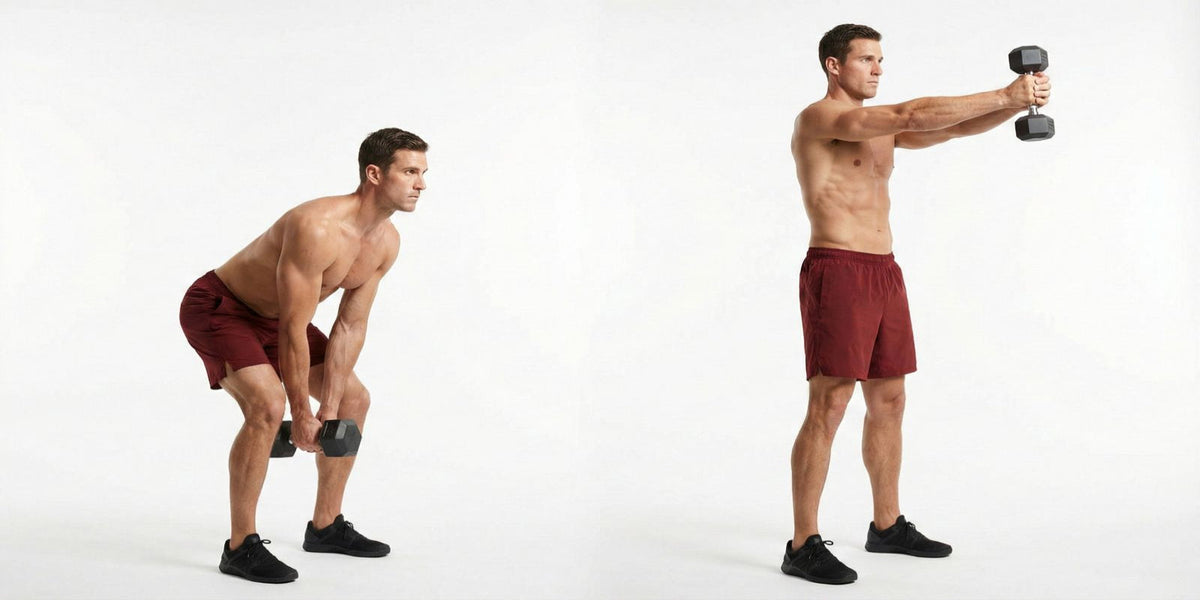
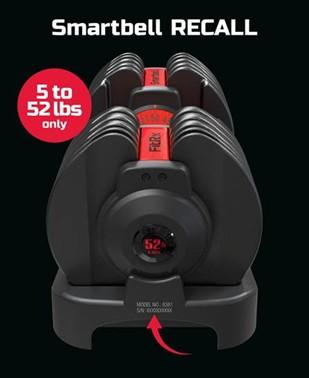
On adjustable dumbbells, the number may show the selected weight, the weight of each plate, or a setting on the handle. The exact meaning depends on the design.
Some adjustable dumbbells use a dial. Turning the dial may select 10, 15, 20, or 25 pounds. In that case, the number normally represents the total weight of one adjustable dumbbell.
Other models use plates that you add to a handle. The plates may be labeled with their individual weight, while the handle also adds weight. For example, two 10-pound plates plus a 5-pound handle may create a 25-pound dumbbell.
Before using adjustable equipment, check:
• Whether the number means total dumbbell weight
• Whether the handle weight is included
• Whether each plate weighs the marked amount
• Whether the setting applies to one dumbbell
• Whether all plates are locked in place
This is a key part of what do the numbers on dumbbells mean because adjustable systems do not all use the same labeling method. Always follow the manufacturer’s instructions for the exact model.
Why Some Dumbbell Numbers Can Be Confusing
Not every number printed on a dumbbell represents weight. Manufacturers may add numbers for identification, production, or adjustment.
You may see:
• A weight number on the end cap
• A product model number on the handle
• A plate count or adjustment number
• A serial number
• A rack label that shows where the dumbbell belongs
A number such as “5520” could be a model code rather than a 5,520-pound weight. A dial marked from 1 to 10 may show resistance levels, not pounds or kilograms.
Look at the location of the number. Large numbers on the end of a fixed dumbbell usually show weight. Small printed codes on the handle or inside a dial may identify the product or setting.
When buying dumbbells online, read the product specifications instead of relying only on the product photo. Product pages may list the shipping weight, total set weight, or weight of each dumbbell. These terms are not interchangeable.
How to Choose the Right Dumbbell Weight
The correct dumbbell weight lets you complete your target repetitions with good form. The final few repetitions should feel challenging, but you should not need to swing, twist, or hold your breath to finish.
Use this simple process:
-
Start with a lighter weight than you expect.
-
Perform a few slow practice repetitions.
-
Check your posture, joint position, and range of motion.
-
Add weight only if the movement stays controlled.
-
Stop the set when your technique begins to break down.
Your ideal weight depends on the exercise. A person may use 40-pound dumbbells for a lower-body exercise but only 10-pound dumbbells for lateral raises. Muscle size, training history, exercise type, and injury history all affect the best choice.
For general strength work, many people use a load they can lift for about 6 to 12 controlled repetitions. For muscular endurance, a lighter load and more repetitions may work better. These are useful starting points, not strict rules.

Dumbbell Weight Examples by Exercise
Dumbbell numbers mean different things in practice because each exercise places a different demand on your body. A weight that feels light for a goblet squat may feel very heavy for a shoulder raise.
Here are general examples:
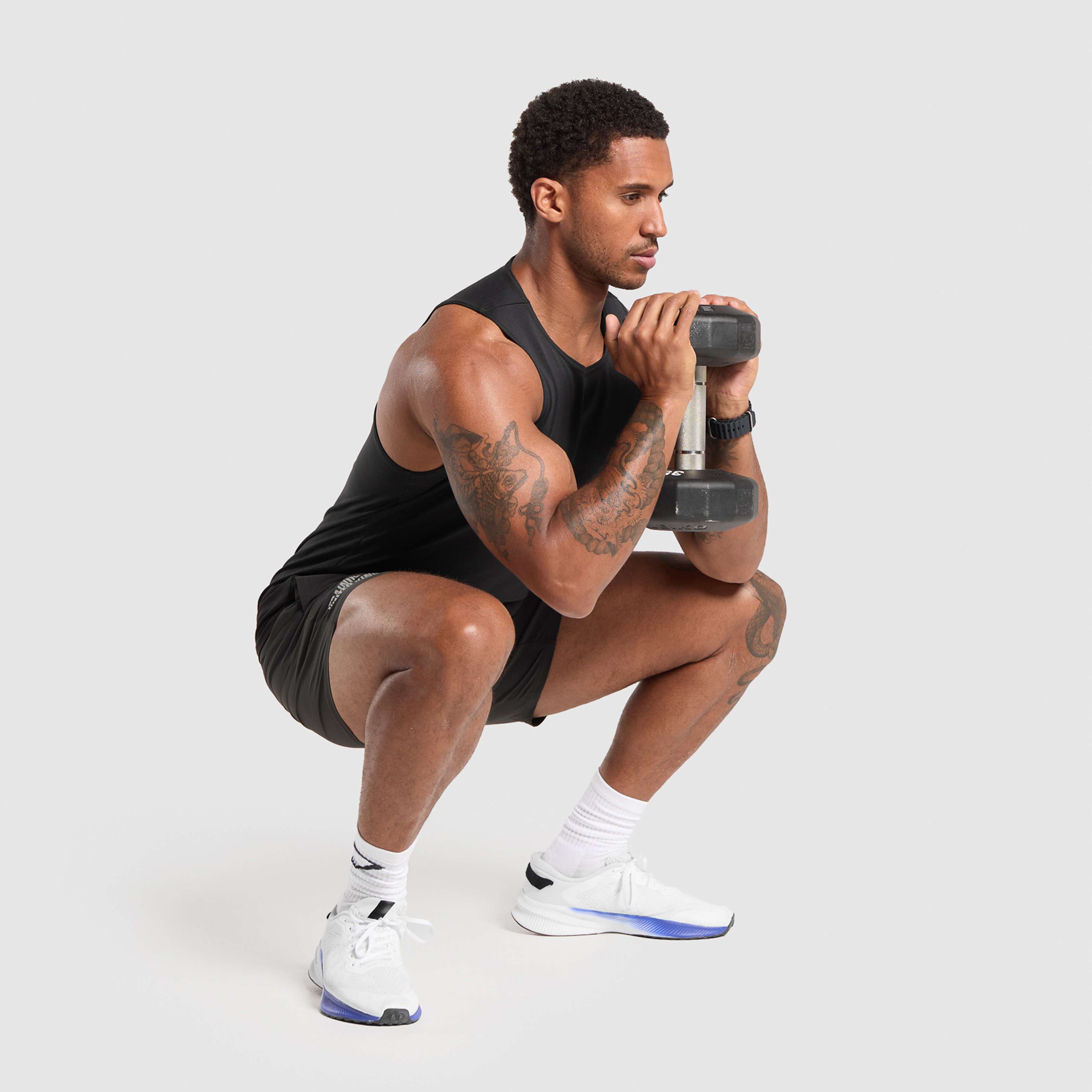
• Goblet squat: A moderate or heavy dumbbell held at the chest
• Dumbbell row: A moderate weight that allows a stable back and full pull
• Chest press: A weight that allows control near the chest and at lockout
• Biceps curl: A lighter weight with no swinging
• Lateral raise: A light weight with slow arm movement
• Overhead press: A moderate weight that does not force your back to arch
These examples are not prescriptions. A beginner may start with 5-pound dumbbells, while an experienced lifter may use much more. The best weight is the one that matches your current ability and the purpose of the exercise.
One practical lesson is to judge the movement, not your ego. A lighter dumbbell used with control often builds more useful strength than a heavier one lifted with momentum.
Common Mistakes When Reading Dumbbell Numbers
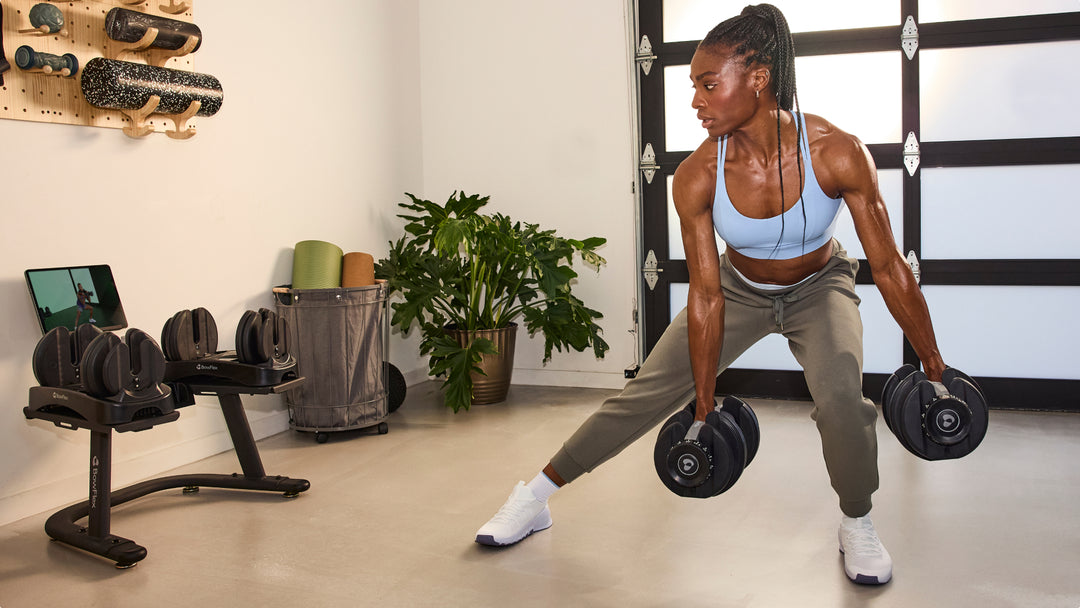
Misreading dumbbell labels can affect both safety and workout results. These mistakes are easy to avoid once you know what to check.
• Assuming the number shows the pair weight: Most labels show one dumbbell.
• Confusing pounds with kilograms: A 20-kilogram dumbbell is about 44 pounds.
• Treating a model number as a weight: Product codes may look like weight labels.
• Ignoring the handle on adjustable models: The handle may add to the total load.
• Changing weight too quickly: Small increases can feel large in isolation exercises.
• Comparing different gyms without checking units: One gym’s 15 may mean pounds, while another’s may mean kilograms.
• Using the same weight for every exercise: Each movement has different strength demands.
A useful habit is to write down the unit with your workout. Instead of recording “dumbbell press: 30,” record “30 pounds per hand” or “14 kilograms per hand.” This makes your training log much more useful.
How Dumbbell Numbers Help You Track Progress
Clear weight records help you measure progressive overload. Progressive overload means gradually increasing the challenge placed on your muscles through more weight, repetitions, sets, or better control.
Suppose you perform three sets of 10 repetitions with 15-pound dumbbells. Later, you complete three sets of 12 with the same weight and strong form. You have progressed even if the number on the dumbbell has not changed.
You can track:
• Weight per dumbbell
• Repetitions per set
• Number of sets
• Rest time
• Range of motion
• Exercise tempo
• Form quality
Do not increase weight simply because the number feels too low. Strength training rewards steady progress. A small increase that you can control is more valuable than a large increase that causes poor technique.
This is also why understanding what do the numbers on dumbbells mean improves long-term training. Accurate records help you compare workouts and make sensible decisions.
Safety Tips for Using Numbered Dumbbells
The number tells you the load, but it does not tell you whether the dumbbell is safe to use. Check the equipment and your setup before each session.
Follow these tips:
• Inspect adjustable collars, pins, and locking systems.
• Keep the dumbbell path clear of people and objects.
• Use a controlled lift instead of dropping the weight when possible.
• Avoid lifting a weight that changes your posture.
• Ask for help with very heavy dumbbells.
• Use a spotter for challenging presses when appropriate.
• Return dumbbells to the correct rack position.
• Stop if you feel sharp pain, numbness, or sudden weakness.
Warm up with lighter dumbbells before heavy work. If you have a medical condition, recent injury, or major pain, ask a qualified health professional for advice before changing your training.
Frequently Asked Questions About What Do the Numbers on Dumbbells Mean
Does the number on a dumbbell show the weight of one dumbbell?
Yes. On most fixed dumbbells, the number shows the weight of one dumbbell. A pair of 20-pound dumbbells weighs 40 pounds in total.
Are dumbbell numbers in pounds or kilograms?
They can be in either pounds or kilograms. Check for “lb,” “lbs,” “kg,” or “kgs,” and ask gym staff if the unit is not marked.
What does a 20-pound dumbbell mean?
A 20-pound dumbbell weighs 20 pounds in one hand. Using two of them creates a combined load of 40 pounds.
What do numbers on adjustable dumbbells mean?
They usually show the total selected weight of one adjustable dumbbell, but some models label plates or settings instead. Check the product instructions before assuming the number is the final load.
Why do two dumbbells with the same number look different?
Different materials and designs can change a dumbbell’s size and shape. If both use the same unit and accurate labeling, they should weigh the same despite looking different.
How can I confirm a dumbbell’s actual weight?
Check the label, rack information, or manufacturer details first. If the marking is unclear, use a reliable scale or ask gym staff to verify the weight.
Conclusion
The numbers on dumbbells usually show the weight of one dumbbell, not the pair. Always confirm whether the number uses pounds or kilograms, and take extra care with adjustable models and product codes.
Choose a weight that supports smooth, controlled movement. Record the unit and weight per hand in your workout log so you can track progress with confidence. The next time you reach for a dumbbell, check the label, test the load, and train with purpose. Share this guide with a training partner or explore more strength-training resources to keep improving.

Brandon Knoxley is a sport & fitness writer and training guide contributor at MySportFitHub. He focuses on practical workouts, performance-based training, and honest fitness gear insights designed for real people and real results. Brandon is passionate about helping beginners and active individuals train smarter, avoid common mistakes, and build sustainable fitness habits.


