Why Are Some Dumbbells Heavier Than Others: The Real Reason
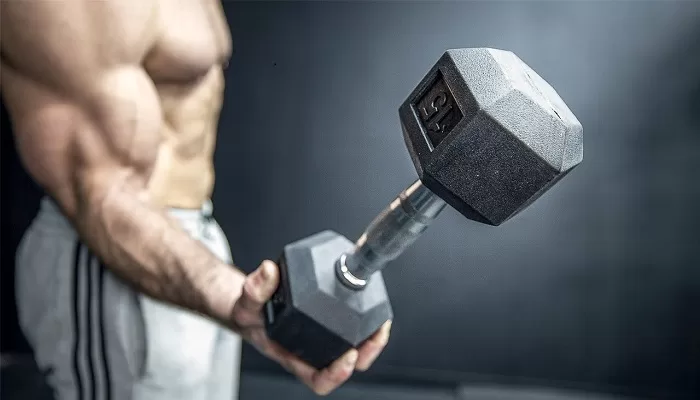
Some dumbbells are heavier because their materials, design, size, and weight labels can vary between brands.
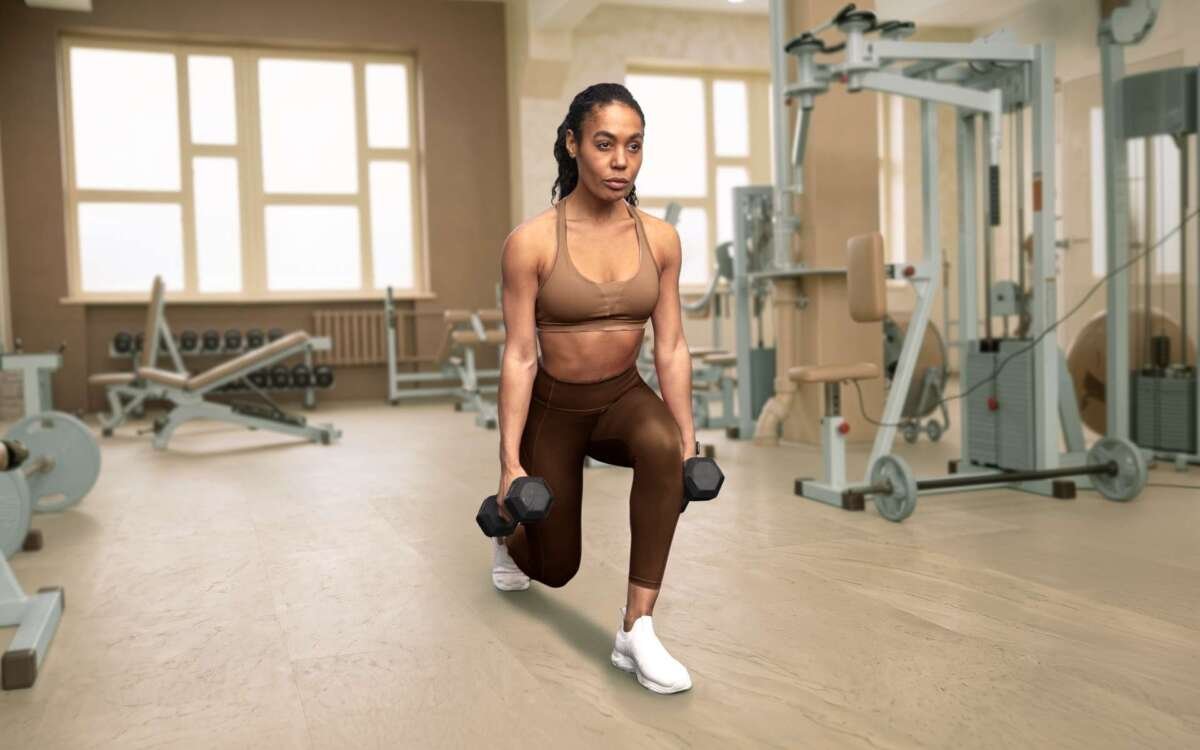
If you have ever picked up two dumbbells with the same label and felt a clear difference, you are not imagining it. Understanding why are some dumbbells heavier than others helps you choose safe equipment, compare brands fairly, and avoid mistakes during strength training.
The Main Reasons Some Dumbbells Feel Heavier
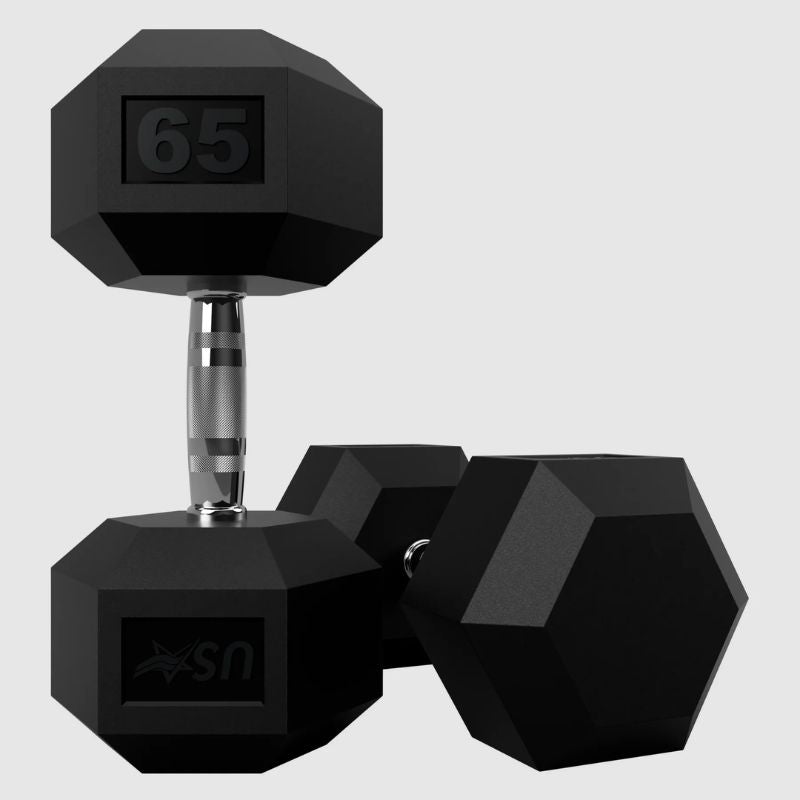
The simple answer to why are some dumbbells heavier than others is that dumbbell weight depends on more than the number printed on the end. The materials used, the shape of the weight head, the handle, and the balance of the dumbbell all affect how it feels.
A 20-pound dumbbell from one brand may feel different from a 20-pound dumbbell from another brand. Both may be close to the same actual weight, yet one can feel harder to control.
Common reasons include:
• Different materials, such as cast iron, steel, rubber, or neoprene
• Different weight distributions around the handle
• Longer or thicker handles
• Manufacturing tolerances
• Differences between pounds and kilograms
• Adjustable plates that add length and movement
• Coatings, end caps, and protective materials
The best way to think about it is to compare a backpack and a grocery bag. They may both weigh 20 pounds, but the bag that hangs farther from your body can feel harder to carry. Dumbbells work in a similar way.
Actual Weight Versus Perceived Weight
Why are some dumbbells heavier than others when the label shows the same number? Often, the difference comes from perceived weight rather than actual mass.
Actual weight is the force created by the dumbbell’s mass. Perceived weight is how difficult it feels to lift, hold, and control. Your muscles respond not only to mass but also to leverage, balance, grip, and movement.
A dumbbell with a compact head keeps most of its mass close to your hand. A long dumbbell places more mass farther away. That longer design can create more rotational force at your wrist and elbow.
This matters most during exercises such as:
• Lateral raises
• Front raises
• Biceps curls
• Triceps extensions
• Overhead presses
• Single arm rows
During a basic curl, a long dumbbell may feel less stable because the weight shifts slightly as your wrist moves. During a chest press, the same difference may be less noticeable because both hands and larger muscle groups help control the load.
Research on resistance training consistently shows that load, range of motion, technique, and fatigue all affect exercise difficulty. The printed number is important, but it is not the entire story.
How Material Changes Dumbbell Size and Feel
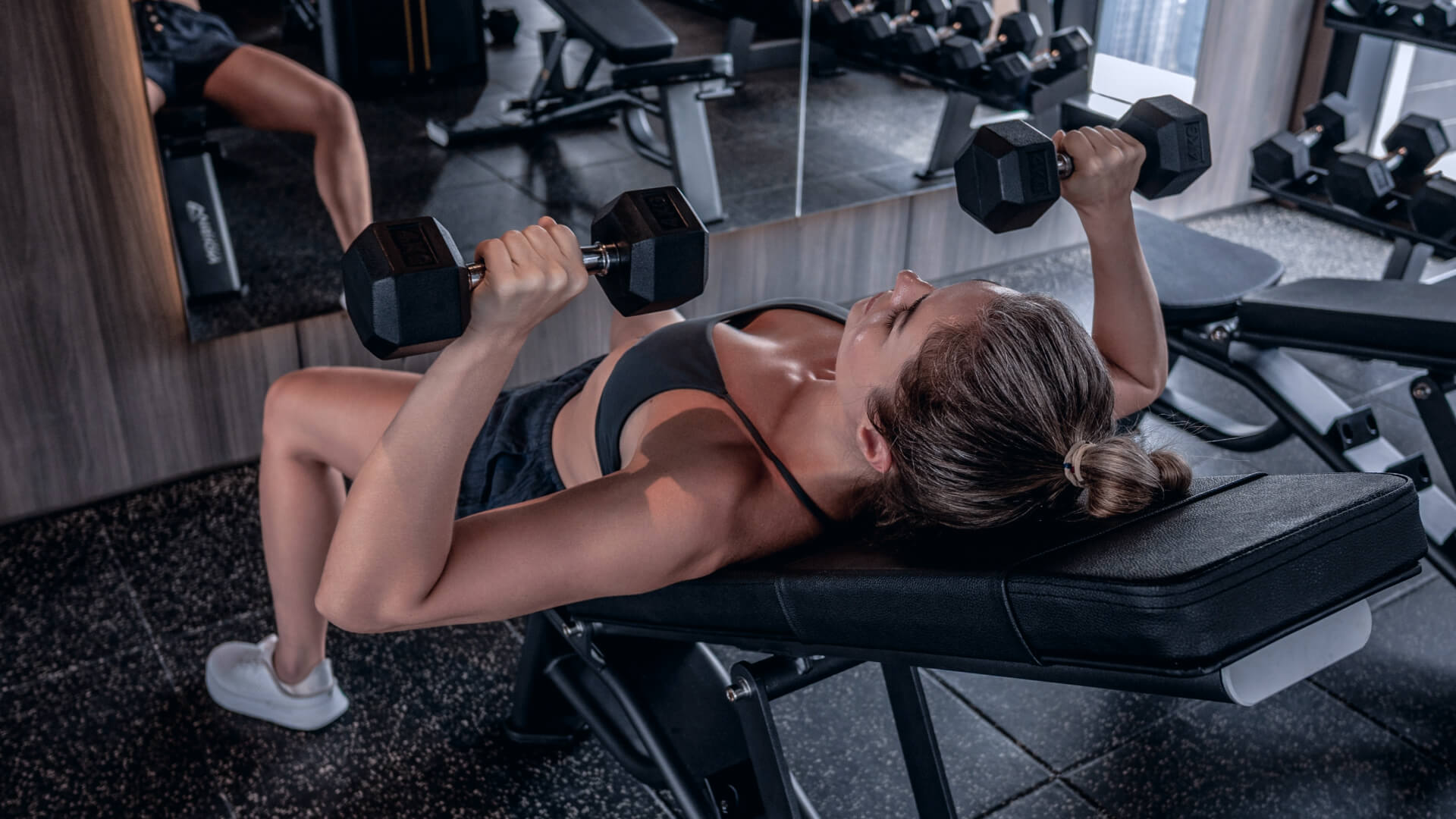
Material density is one of the clearest answers to why are some dumbbells heavier than others. Density describes how much mass fits into a given amount of space.
Cast iron and steel are dense materials. They can provide a heavy weight in a small package. Rubber and urethane add a layer around the metal, so a coated dumbbell may be larger than a bare iron dumbbell with the same mass.
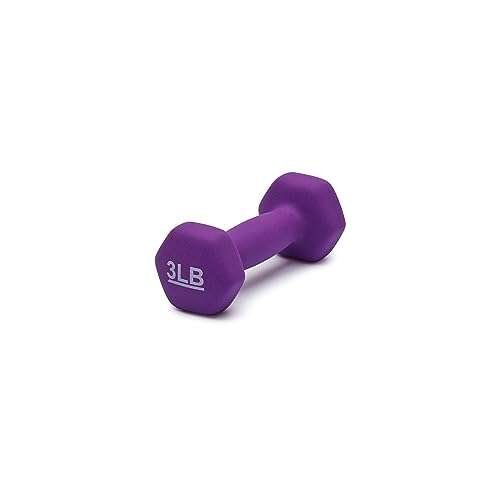
Neoprene and vinyl dumbbells are often used for light exercise. They have a soft outer surface and may be easier to grip, but their shape and coating can make them look larger than expected.
Here is how common materials compare:
• Cast iron: Dense, durable, and often compact
• Steel: Strong and dense, with a clean, firm feel
• Rubber: Adds protection, noise reduction, and size
• Urethane: Durable and resistant to odor, cracking, and wear
• Neoprene: Soft and comfortable for light weights
• Vinyl: Smooth and affordable, but more common on lighter dumbbells
A rubber coated 30-pound dumbbell may look much larger than a 30-pound cast iron dumbbell. That does not automatically mean it is heavier. The coating changes the size and feel, not necessarily the total mass.
Why Dumbbell Shape and Balance Matter
Shape is another major part of why are some dumbbells heavier than others. Hex dumbbells, round dumbbells, adjustable dumbbells, and studio dumbbells distribute weight in different ways.
Hex dumbbells have flat sides. They do not roll and can be useful for rows, pushups, and home workouts. Their heads may sit farther from the handle than those on a compact round dumbbell.
Round dumbbells often roll, but their weight can feel smooth during presses and curls. Some models have a shorter distance between the handle and the weight heads, which may improve balance.
Adjustable dumbbells can feel very different from fixed dumbbells. Their plates may extend several inches beyond your hand. Even when the total weight is correct, the longer shape can create more leverage and make the dumbbell feel awkward.
Balance also affects wrist comfort. If the weight is uneven on each side, your smaller stabilizing muscles must work harder. This does not mean the dumbbell is technically heavier, but it may feel more demanding.
When testing a dumbbell, hold it at your side and then perform a slow curl. Notice whether it stays centered or twists in your hand. A balanced dumbbell should not pull sharply toward one end.
Pounds, Kilograms, and Confusing Weight Labels
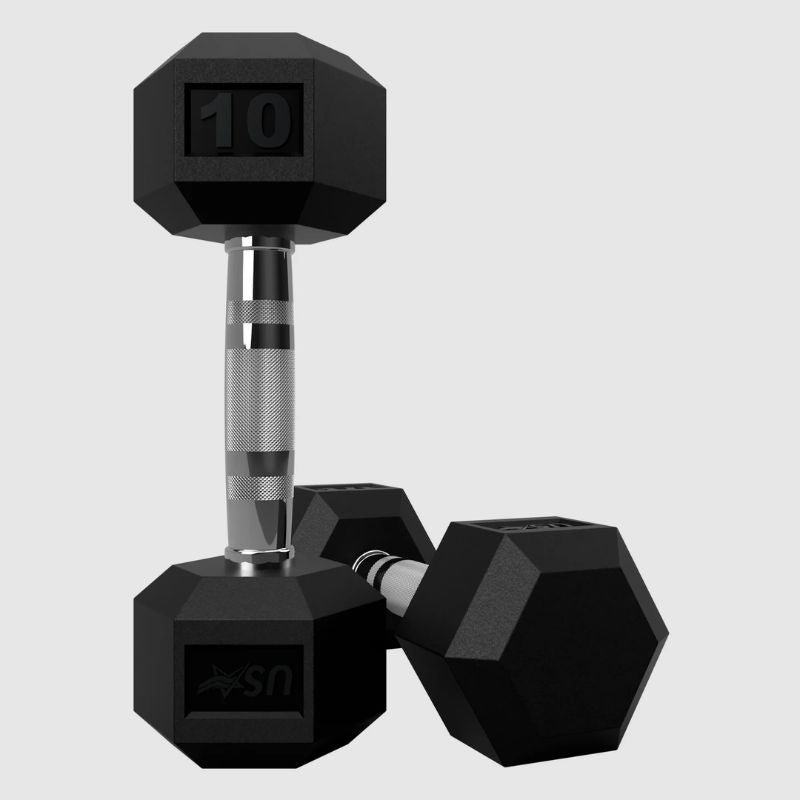
Unit confusion explains many cases of why are some dumbbells heavier than others. Pounds and kilograms are not equal.
One kilogram equals about 2.2 pounds. A dumbbell labeled 10 kilograms weighs about 22 pounds. If you mistake the label for 10 pounds, the dumbbell will feel far heavier than expected.
Some gyms use equipment imported from countries that label weights in kilograms. Other gyms use pounds. A few products show both units, but the numbers may be small or placed on different sides of the dumbbell.
Before lifting, check:
• Whether the label says lb or kg
• Whether the number describes one dumbbell or the pair
• Whether adjustable plates show the total load or each plate
• Whether the product listing uses rounded conversions
A pair labeled “20” may mean two 20-pound dumbbells, or it may mean 20 pounds total. Product descriptions are not always consistent, so check the manual or manufacturer details before buying.
Manufacturing Tolerances and Weight Accuracy
Why are some dumbbells heavier than others even when they come from the same rack? Manufacturing tolerance may be the reason.
Manufacturing tolerance is the acceptable difference between the intended weight and the finished weight. Casting, machining, coating, and finishing can create small variations. Low-cost products may have wider tolerances than premium gym equipment.
For example, two dumbbells labeled 25 pounds might weigh slightly more or less than 25 pounds. A small difference may not matter for general fitness. It matters more for:
• Strength testing
• Rehabilitation
• Competition preparation
• Tracking small progress changes
• Comparing left and right arm strength
Commercial gym dumbbells can also change over time. Rubber may wear, end caps may loosen, and metal may collect dirt or moisture. These changes are usually small, but damaged equipment should not be ignored.
A luggage scale or bathroom scale can provide a rough check. For better accuracy, use a calibrated platform scale. Place the dumbbell securely on the scale and check it more than once.
Do not assume a home scale is perfectly accurate. Many bathroom scales perform best when measuring a person standing still, not a small object near the edge.

Why Some Dumbbells Feel Heavier During Certain Exercises
Exercise selection strongly affects why are some dumbbells heavier than others. The same dumbbell can feel easy during a row and very hard during a lateral raise.
Large muscle groups can handle greater loads. Your legs, back, and chest usually produce more force than the smaller muscles around your shoulders and arms.
A 20-pound dumbbell might feel manageable during a one arm row. The same 20 pounds could be too much for strict lateral raises. The difference is not in the dumbbell. It is in the muscles, leverage, range of motion, and body position.
Fatigue adds another layer. A dumbbell may feel normal during your first set and much heavier during your third set. As your muscles tire, your body has less control over the load.
Technique also changes perceived difficulty. Swinging a dumbbell can make a heavy weight seem easier, but it reduces control and may increase injury risk. Slow, controlled repetitions often make a lighter dumbbell more challenging.
Use these practical checks:
• Keep your wrist straight
• Move through a controlled range
• Avoid using momentum
• Stop if your form changes
• Compare both sides
• Record the equipment and exercise
These habits make your progress easier to measure.
Fixed Dumbbells Versus Adjustable Dumbbells
Fixed and adjustable models answer why are some dumbbells heavier than others in different ways.
Fixed dumbbells are cast or assembled as one unit. Their weight distribution tends to stay consistent, and they are quick to use. They also take up more space if you need many weight options.
Adjustable dumbbells use plates, locking collars, or internal mechanisms. They save space and can be cost effective for home gyms. However, they may be longer, less balanced, and slower to change.
Fixed dumbbells are often better for:
• Fast workouts
• Group training
• High repetition circuits
• Exercises that require smooth balance
Adjustable dumbbells are often better for:
• Small home gyms
• Progressive strength programs
• People who need several weight levels
• Reducing equipment costs
A common mistake is choosing an adjustable dumbbell based only on its maximum weight. Check its minimum weight, handle width, locking system, plate size, and warranty too.
How to Choose Dumbbells That Match Your Needs
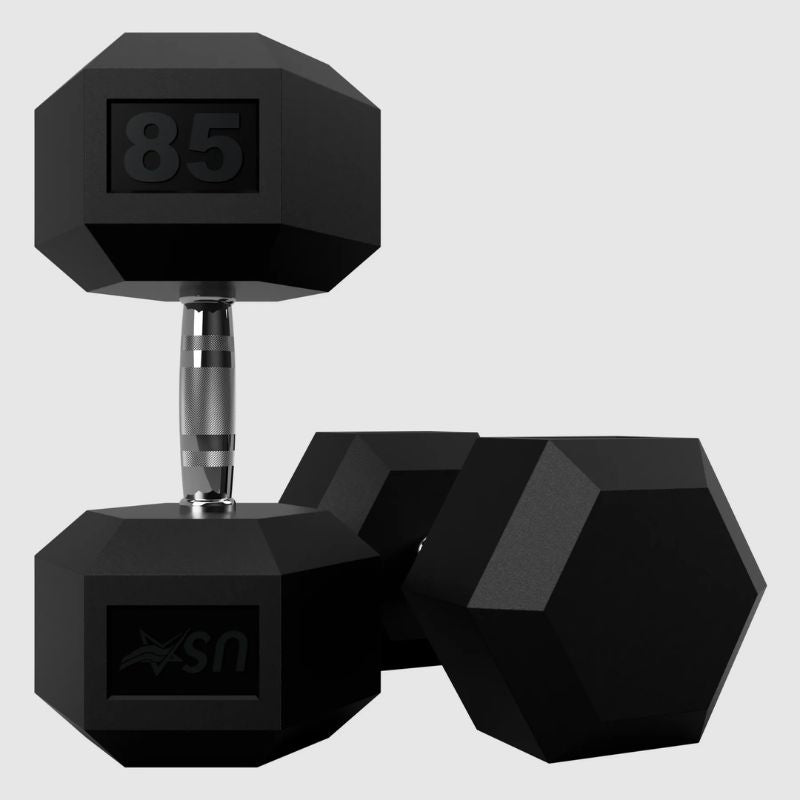
Understanding why are some dumbbells heavier than others makes shopping much easier. Do not compare only the number on the end. Compare the entire design.
Look for the following features:
• Clear weight labels in pounds or kilograms
• A comfortable handle diameter
• Secure, even weight heads
• A coating that suits your floor and noise needs
• A shape that matches your exercises
• Reliable locking parts on adjustable models
• A return policy if the weight or quality is inaccurate
For home use, rubber coated hex dumbbells are a practical choice for many people. They are stable on the floor and generally protect surfaces better than bare iron.
For heavy lifting, steel or cast iron may offer a more compact design. For mobility work or light exercise, neoprene dumbbells may feel more comfortable.
Try to hold a dumbbell before buying if possible. Perform a curl, press, and lateral raise. These simple movements reveal more than a product photo.
In my experience using different gym setups, the biggest mistake is buying the heaviest weight that looks impressive. A dumbbell should let you finish your planned set with strong, clean form. A smaller weight that you control well is more useful than a heavy weight that forces you to twist or swing.
How to Check Whether a Dumbbell Is Truly Heavier
If two dumbbells feel different, use a simple test before assuming one is defective.
-
Check both labels for pounds or kilograms.
-
Confirm whether the label describes one dumbbell or a pair.
-
Inspect the handle and weight heads for damage.
-
Weigh both dumbbells on the same scale.
-
Repeat the measurement on a flat surface.
-
Compare them during the same exercise and number of repetitions.
If the scale shows a clear difference, contact the retailer or manufacturer. If the scale shows nearly identical weights, the difference probably comes from balance, shape, grip, or exercise technique.
Never add homemade plates, tape, or loose objects to a dumbbell to “even it out.” Improvised changes can make the load unstable and create a safety problem.

Common Mistakes to Avoid
Many people misunderstand why are some dumbbells heavier than others because they focus only on the printed weight.
Avoid these mistakes:
• Assuming every brand uses the same dimensions
• Confusing kilograms with pounds
• Comparing a fixed dumbbell with an adjustable model
• Ignoring handle length and grip thickness
• Using momentum to lift a weight that is too heavy
• Measuring a dumbbell on an unreliable scale
• Buying a pair when you need a single dumbbell
• Ignoring loose collars, cracks, or damaged coating
Keep a simple training log. Write down the brand, weight, exercise, sets, repetitions, and how the load felt. This creates a more useful record than the number alone.
Frequently Asked Questions
Why are some dumbbells heavier than others if they have the same label?
They may have different materials, shapes, coatings, or manufacturing tolerances. They can also feel different because the weight is distributed farther from the handle.
Are rubber dumbbells heavier than metal dumbbells?
Not always. Rubber adds size and protection, but the metal core determines most of the mass. Two dumbbells with the same stated weight can still feel different because of their shape and balance.
Why does a 20-pound dumbbell feel heavier than a 20-pound barbell load?
A dumbbell requires each arm to control its own weight. It also demands more balance and stabilization, while a barbell connects both hands and may provide a steadier path.
Are dumbbells labeled in kilograms heavier than those labeled in pounds?
Yes, when the numbers are the same. One kilogram equals about 2.2 pounds, so a 10-kilogram dumbbell weighs about 22 pounds.
How can I tell whether my dumbbell has the correct weight?
Check the label and weigh it on a reliable, flat scale. For important measurements, use a calibrated platform scale and repeat the test several times.
Do adjustable dumbbells feel heavier than fixed dumbbells?
They can feel harder to control because their plates often extend farther from the handle. The actual weight may be correct, but the longer design changes leverage and balance.
Should both dumbbells in a pair weigh exactly the same?
They should be very close, but small manufacturing differences can occur. If the difference is obvious or affects your training, measure both and contact the seller.
Conclusion
Why are some dumbbells heavier than others comes down to actual mass, material density, shape, balance, unit labels, and manufacturing accuracy. A dumbbell can also feel heavier because its load sits farther from your hand or because the exercise places more demand on smaller muscles.
Check the units, compare the design, test your form, and weigh the equipment when accuracy matters. Choose the dumbbell that you can control safely and use consistently, not simply the one with the biggest number. Explore more strength training guides, track your workouts, and share your dumbbell experience with other lifters.

Brandon Knoxley is a sport & fitness writer and training guide contributor at MySportFitHub. He focuses on practical workouts, performance-based training, and honest fitness gear insights designed for real people and real results. Brandon is passionate about helping beginners and active individuals train smarter, avoid common mistakes, and build sustainable fitness habits.