How Much Is 10K Steps On Treadmill: Distance And Time
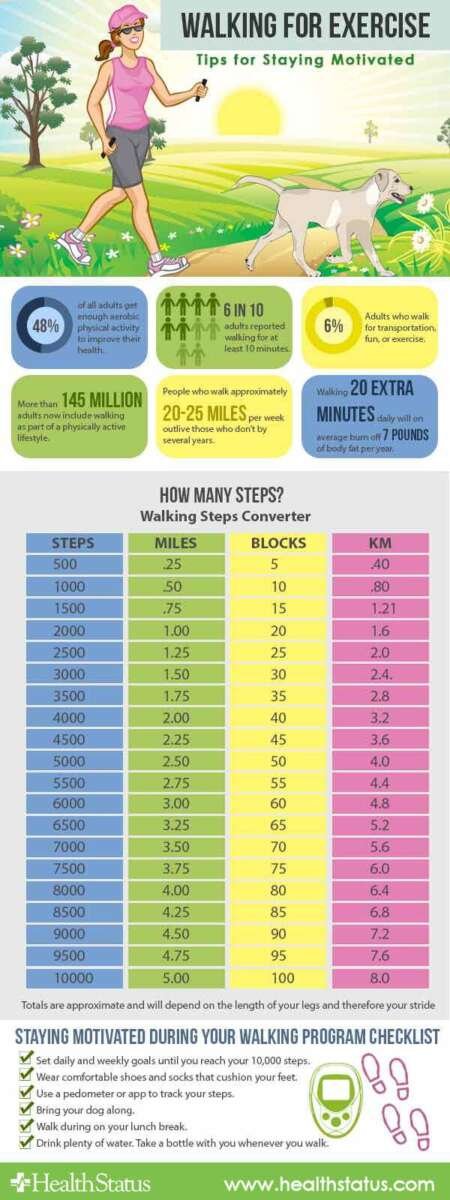
10,000 steps on a treadmill usually equals about 4 to 5 miles and takes 70 to 120 minutes.
Knowing how much is 10k steps on a treadmill helps you plan workouts, estimate time, and set realistic fitness goals. The exact distance depends on your stride, while your speed, incline, fitness level, and body weight affect the total time and calories burned. This guide breaks down the numbers in a simple, practical way.
How Far Is 10k Steps on a Treadmill?
For most adults, 10,000 steps on a treadmill equals about 4 to 5 miles. That range is not exact because people have different leg lengths and stride patterns.
A shorter person may reach 10,000 steps after walking about 4 miles. A taller person may cover closer to 5 miles. Your fitness tracker may also count small movements that do not move you far on the treadmill.
A useful estimate looks like this:
| Average stride length | Approximate distance for 10,000 steps |
|---|---|
| 2.0 feet | 3.8 miles |
| 2.2 feet | 4.2 miles |
| 2.4 feet | 4.5 miles |
| 2.5 feet | 4.7 miles |
| 2.6 feet | 4.9 miles |
The best answer to “how much is 10k steps on treadmill” is therefore about 4.5 miles for an average adult. Your personal result may be slightly lower or higher.
How Long Does 10k Steps Take on a Treadmill?
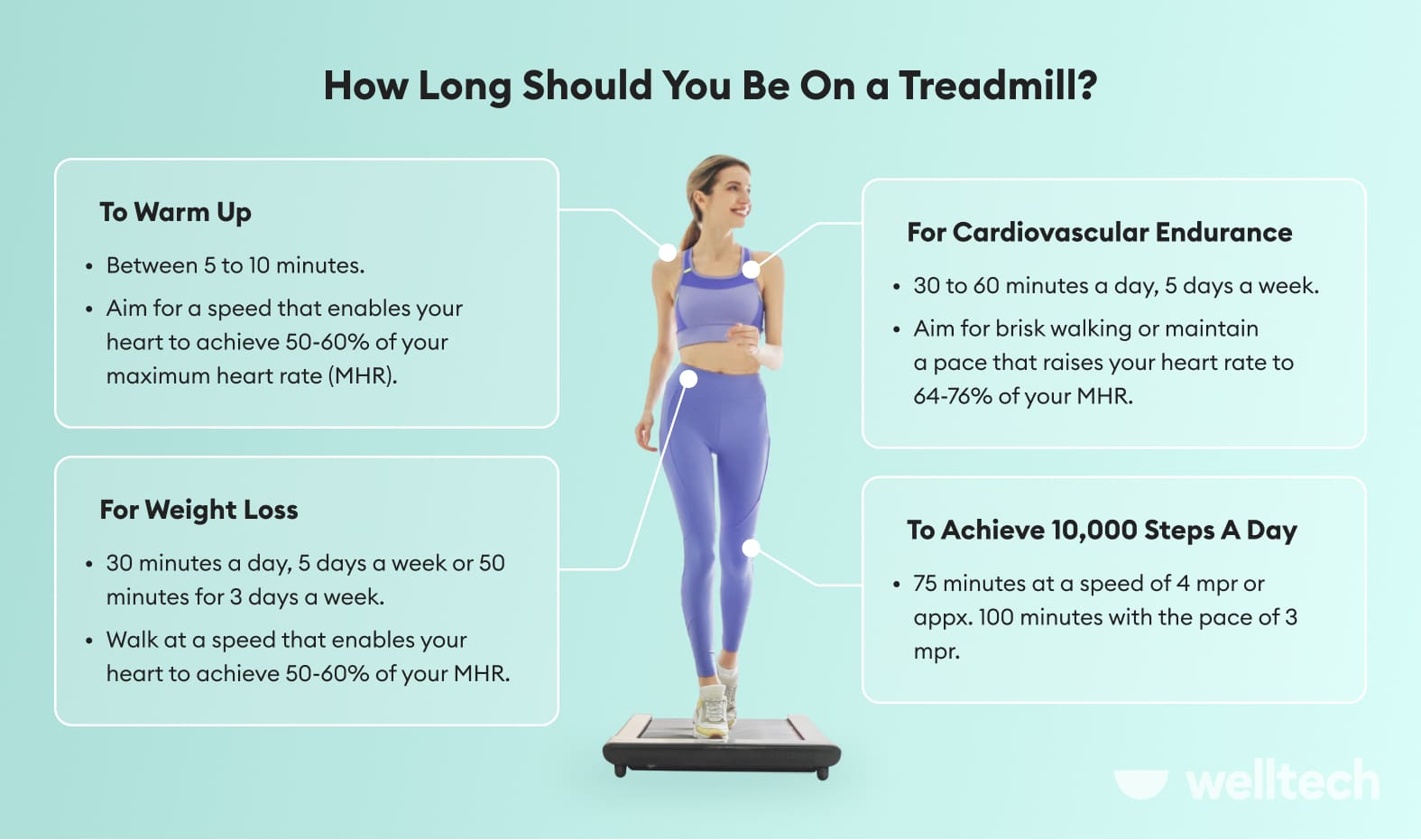
The time needed for 10,000 treadmill steps depends mainly on your walking speed. A slower pace may feel easy on your joints but takes longer. A brisk pace raises your heart rate and lets you finish sooner.
Here is a practical time estimate based on a distance of about 4.5 miles:
| Treadmill speed | Approximate time for 10,000 steps |
|---|---|
| 2.0 mph | 2 hours 15 minutes |
| 2.5 mph | 1 hour 48 minutes |
| 3.0 mph | 1 hour 30 minutes |
| 3.5 mph | 1 hour 17 minutes |
| 4.0 mph | 1 hour 8 minutes |
| 4.5 mph | 1 hour |
These times are estimates. You may need more time if you take breaks, hold the rails, walk on an incline, or use a shorter stride.
For many people, a speed of 3.0 to 3.5 mph is a comfortable target. At that pace, 10k steps on a treadmill usually takes about 75 to 90 minutes.
How to Calculate Your Personal Distance
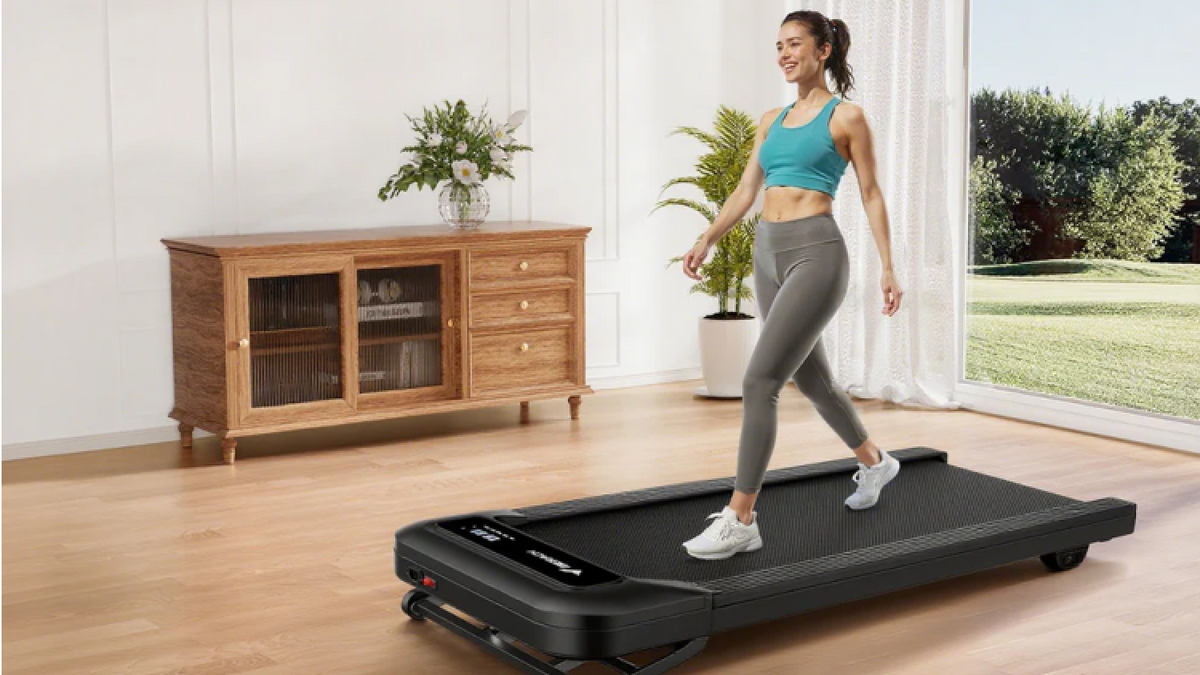
You can calculate your own 10,000 step distance with a simple formula:
- Measure your average step length in feet.
- Multiply your step length by 10,000.
- Divide the result by 5,280 to convert feet into miles.
For example, if your average step length is 2.4 feet:
10,000 × 2.4 = 24,000 feet
24,000 ÷ 5,280 = about 4.5 miles
To measure your step length, walk 10 steps on a flat surface. Measure the total distance and divide it by 10. Repeat the test two or three times, then use the average.
You can also measure your natural treadmill stride. Walk at your usual pace for one minute while counting your steps. Check the treadmill distance, then compare the distance with your step count. This gives you a useful personal estimate, even though it may not be perfect.

Does Treadmill Speed Change Your Step Count?
Yes, treadmill speed can change your step count. When you walk faster, you may take longer steps. When you walk slowly, you may take shorter and more frequent steps.
For example, you might need more than 10,000 steps to cover 4.5 miles at a very slow pace. At a faster pace, you may cover the same distance with fewer steps if your stride becomes longer.
Treadmill walking can also affect step tracking. A fitness watch may count steps differently when:
• You hold the treadmill rails
• Your arms stay still while your legs move
• You walk at a very slow speed
• Your watch is loose or placed on your less active wrist
• The treadmill belt moves at a different speed than shown
For the most consistent results, let your arms swing naturally. Keep the treadmill speed steady, and use the same device each time you track your steps.

How Many Calories Does 10k Steps on a Treadmill Burn?
Most people burn roughly 300 to 500 calories during 10,000 steps on a treadmill. This is only a general estimate. Your actual calorie burn depends on body weight, walking speed, incline, age, fitness level, and walking efficiency.
A heavier person usually burns more calories because the body uses more energy to move. A brisk walk also burns more calories than a slow walk. Adding an incline increases the challenge further.
A rough example for a 4.5 mile walk may look like this:
| Body weight | Estimated calories at a moderate pace |
|---|---|
| 130 pounds | 280 to 350 |
| 160 pounds | 350 to 430 |
| 190 pounds | 420 to 510 |
| 220 pounds | 480 to 600 |
These figures are not a promise. Treadmill displays and fitness watches can overestimate calories, sometimes by a noticeable amount. Use calorie numbers as broad guides rather than exact measurements.
If weight loss is your goal, remember that food intake matters too. Walking supports a calorie deficit, but no single workout can guarantee fat loss.

What Affects the Distance and Time?
Several factors explain why 10,000 steps do not equal the same distance or time for everyone.
Height and stride length
Taller people often have longer strides. They may reach 10,000 steps after covering more miles. Shorter people may take more steps to cover the same distance.
Height is not the only factor. Leg length, mobility, posture, and walking habits also influence stride length.
Walking speed
A slow pace creates shorter steps for many people. A faster pace often creates longer steps and a higher step count per minute.
Your speed also determines how long the workout takes. Increasing the pace by even 0.5 mph can reduce your total workout time.
Incline
An incline does not directly change the number of steps needed to reach 10,000. However, it can change your stride, pace, heart rate, and calorie burn.
At a steep incline, you may naturally shorten your steps. This means you could take slightly more steps to cover the same distance.
Holding the rails
Holding the treadmill rails reduces the work done by your legs and core. It may also change your posture and make your step count less accurate.
If you need support, lower the speed or incline. Use the rails only for balance, especially when stepping onto or off the treadmill.
Breaks
You do not need to complete 10,000 steps in one session. Three 30 minute walks can offer a similar total to one long walk, depending on your pace.
Short walking sessions may be easier to fit into a busy day. They can also reduce stiffness from sitting for long periods.
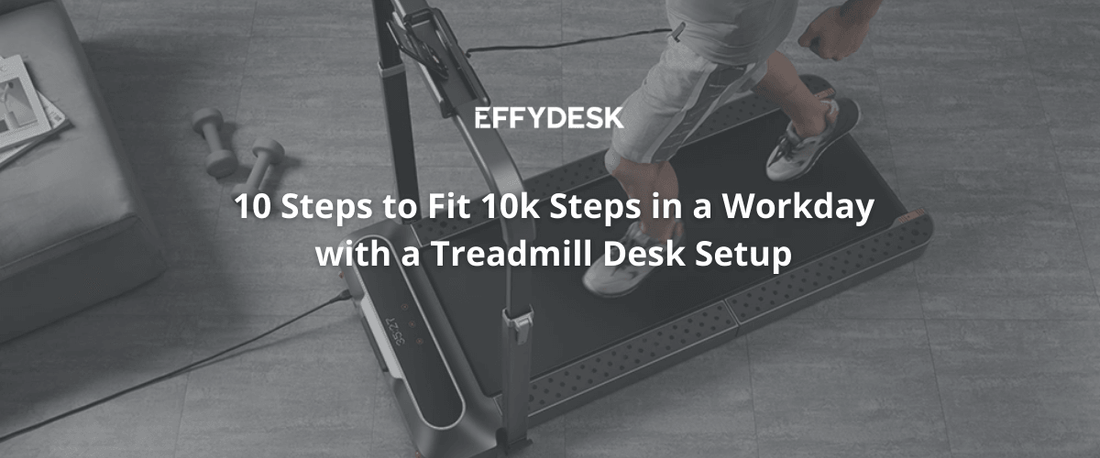
Is 10k Steps on a Treadmill a Good Workout?
Yes, 10,000 steps on a treadmill can be an excellent workout for many adults. It supports daily movement, cardiovascular fitness, endurance, and calorie control.
The Centers for Disease Control and Prevention recommends at least 150 minutes of moderate intensity aerobic activity each week for most adults. A brisk treadmill walk can count toward that goal. The CDC also recommends muscle strengthening activity on two or more days each week.
A 10,000 step walk may improve:
• Heart and lung fitness
• Leg and hip endurance
• Blood sugar control
• Mood and stress levels
• Daily calorie use
• Balance and movement confidence
However, 10,000 steps is not a magic number. Research on daily steps suggests that health benefits can begin below 10,000 steps, especially for people who currently move very little. The best goal is one you can follow often and safely.
Think of 10,000 steps as a helpful landmark, not a pass or fail test.
How to Reach 10k Steps on a Treadmill
You can complete 10,000 steps in one session, but a gradual plan may feel better. This is especially true if you are new to exercise or have joint pain.
Try this simple approach:
- Walk for 20 minutes at an easy pace.
- Add 5 to 10 minutes every few sessions.
- Increase speed only after the longer time feels comfortable.
- Add a small incline when flat walking becomes easy.
- Take short breaks if your feet, knees, or back feel tired.
- Stop if you feel chest pain, severe shortness of breath, or dizziness.
You can split the workout into smaller blocks. For example, walk for 30 minutes in the morning, 30 minutes later in the day, and 20 to 30 minutes in the evening.
When I plan treadmill sessions, I focus on time and effort first rather than chasing the exact step number. This avoids a common mistake: speeding up too much near the end just to reach 10,000 steps. A steady pace is usually easier to repeat and kinder to your joints.

Treadmill Settings for 10,000 Steps
A good treadmill setting depends on your current fitness level. Start with a pace that lets you speak in short sentences but makes singing difficult. This is a simple way to judge moderate intensity.
Here are useful starting points:
Easy walking
• Speed: 2.0 to 2.7 mph
• Incline: 0% to 2%
• Best for: Beginners, recovery days, and longer sessions
Moderate walking
• Speed: 2.8 to 3.5 mph
• Incline: 0% to 3%
• Best for: General fitness and steady calorie use
Brisk walking
• Speed: 3.6 to 4.2 mph
• Incline: 0% to 5%
• Best for: Improving fitness and saving time
Incline walking
• Speed: 2.5 to 3.5 mph
• Incline: 4% to 10%
• Best for: Increasing effort without running
These are broad ranges, not strict rules. Your ideal speed may be outside them. Your posture should stay upright, and you should not need to lean heavily on the console.
Safety Tips for Walking 10,000 Steps
Walking is low impact, but a long treadmill session can still cause soreness if you increase your activity too quickly.
Use these safety tips:
• Wear shoes with comfortable support and enough room for your toes.
• Warm up for 5 to 10 minutes at an easy pace.
• Keep water nearby, especially in a warm room.
• Avoid sudden changes in speed or incline.
• Look forward instead of staring down at your feet.
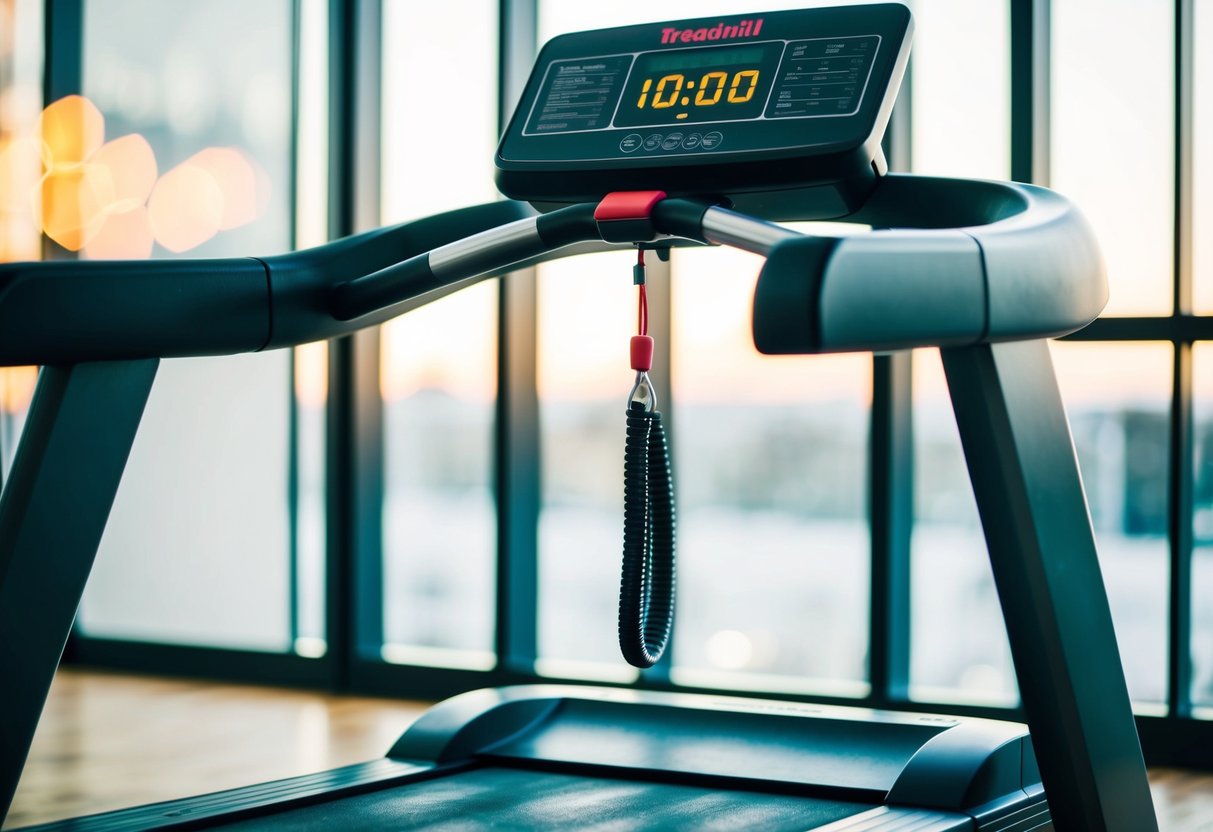
• Keep the emergency stop clip attached to your clothing.
• Cool down for several minutes before stopping.
• Replace worn shoes when the cushioning no longer feels supportive.
If you have heart disease, uncontrolled blood pressure, severe arthritis, diabetes, or another medical concern, ask a health professional about a safe exercise plan. Stop and seek medical help for chest pain, faintness, or unusual breathing trouble.
Common Mistakes to Avoid
The biggest mistake is treating 10,000 steps as a perfect health requirement. Your needs may be different from someone else’s, and a lower step count can still support better health.
Other mistakes include:
• Trusting the treadmill calorie display as an exact number
• Holding the rails throughout the workout
• Adding a steep incline too soon
• Ignoring pain in the feet, knees, or hips
• Wearing poor footwear
• Walking at an uncomfortable pace
• Forgetting strength training
• Trying to make up missed steps with one exhausting workout
In my practical experience with treadmill planning, consistency matters more than one impressive session. A 30 minute walk you repeat five days per week is often more useful than a long walk that leaves you sore for several days.
How to Track 10k Steps More Accurately
No tracking method is perfect, but you can improve accuracy with a few simple habits.
Use the same device for most workouts. A smartwatch, phone, or fitness band may produce different results because each uses its own sensors and software.
Keep your watch snug on your wrist. If you place your phone on the treadmill console, it may not record steps at all. A phone in your pocket may also miss steps if it remains still.
You can track progress in several ways:
• Step count from a fitness watch
• Distance shown on the treadmill
• Workout time at a known speed
• Manual step count for a short test
• Heart rate and perceived effort
Do not worry if two devices disagree. Look for trends over time. If your step count, distance, and workout time gradually increase, you are likely making progress.
Can You Lose Weight by Walking 10,000 Steps?
You may lose weight by walking 10,000 steps on a treadmill when the activity helps create a calorie deficit. A calorie deficit means your body uses more energy than you eat over time.
Walking can support weight loss because it increases daily energy use without the high impact of running. It may also be easier to maintain for people who dislike intense workouts.
Still, weight loss depends on more than steps. Sleep, food choices, stress, medications, and health conditions can all affect results.
For a practical plan:
- Walk at a pace you can repeat most days.
- Build toward 150 minutes of moderate activity each week.
- Add strength training twice per week.
- Eat enough protein and fiber to support fullness.
- Track progress over several weeks instead of one day.
- Adjust your plan if fatigue or pain keeps building.
A slow, steady change is usually more sustainable than a sudden, strict routine.
Frequently Asked Questions About How Much Is 10k Steps on Treadmill
How many miles is 10,000 steps on a treadmill?
For most adults, 10,000 steps on a treadmill equals about 4 to 5 miles. A person’s height and stride length determine the exact distance.
How long does 10k steps on a treadmill take?
At 3.0 mph, 10,000 steps usually takes about 90 minutes if the distance is close to 4.5 miles. At 4.0 mph, it may take about 68 minutes.
Is walking 10,000 steps on a treadmill the same as walking outside?
The health benefits can be similar, but treadmill walking has a controlled surface and no weather changes. Outdoor walking may use more balance and may include hills, uneven ground, and natural changes in pace.
Does incline walking burn more calories?
Yes, walking uphill usually requires more effort and burns more calories than walking at the same speed on a flat treadmill. Start with a small incline because steep settings can increase stress on the calves, knees, and Achilles tendon.
Can I split 10,000 treadmill steps into several workouts?
Yes, you can divide the steps into two or more sessions. Short walks can still count toward your daily total and may be easier to maintain.
Is 10,000 steps enough exercise for one day?
It can provide a strong amount of walking and may meet the weekly aerobic activity target when done regularly. Adults should also include muscle strengthening exercises at least two days per week.
Does holding treadmill handles affect step tracking?
It can. Holding the handles may reduce natural arm movement, which can cause some watches and fitness trackers to undercount steps while also reducing exercise intensity.
Conclusion
So, how much is 10k steps on treadmill? For most people, it is about 4 to 5 miles and takes roughly 70 to 120 minutes, depending on speed, stride length, and breaks. A moderate pace near 3.0 to 3.5 mph often puts the workout between 75 and 90 minutes.
Use these numbers as a guide, not a rule. Start at a comfortable pace, build your time slowly, and focus on steady progress. Try your next treadmill walk, record your time and distance, and adjust your plan as you learn what works best for your body.

Brandon Knoxley is a sport & fitness writer and training guide contributor at MySportFitHub. He focuses on practical workouts, performance-based training, and honest fitness gear insights designed for real people and real results. Brandon is passionate about helping beginners and active individuals train smarter, avoid common mistakes, and build sustainable fitness habits.