
How to Train Sports Safely at Older Age: Expert Tips for Longevity
Are you ready to stay active and enjoy sports even as you get older? Training safely is the key to keeping your body strong and avoiding injury.
You might wonder how to balance pushing yourself and protecting your health. This guide will show you simple, effective ways to train smart and enjoy every moment of your favorite sports. Keep reading to discover tips that can help you stay fit, feel confident, and make the most of your athletic journey at any age.
Benefits Of Sports For Older Adults
Playing sports offers many benefits for older adults. It helps keep the body active and the mind sharp. Regular sports activities improve overall quality of life. Seniors can enjoy better health and happiness by staying active.
Physical Health Improvements
Sports help strengthen muscles and bones. This reduces the risk of falls and injuries. Regular movement improves heart health and lung function. It also helps control weight and blood sugar levels. Staying active supports better sleep and energy throughout the day.
Mental Well-being Boost
Sports reduce stress and anxiety in older adults. Physical activity releases chemicals that improve mood. It can lower the risk of memory loss and dementia. Staying active helps maintain focus and clear thinking. It also promotes better self-esteem and confidence.
Social Engagement
Sports provide chances to meet new people. Group activities build friendships and reduce loneliness. Being part of a team creates a sense of belonging. Social interaction supports emotional health and happiness. It encourages older adults to stay connected and active.
Credit: trinityhealth.com
Choosing Suitable Sports
Choosing the right sports is key for safe training at an older age. The body changes with time and needs gentle care. Picking suitable activities helps avoid injuries. It keeps the mind and body active. Focus on sports that match your strength and health. This approach supports long-term fitness and joy in exercise.
Low-impact Activities
Low-impact sports reduce stress on joints and bones. Walking, swimming, and cycling are great examples. These activities improve heart health without harsh movements. They also help maintain stamina and muscle tone. Easy on the body, they suit most fitness levels. Regular practice builds endurance safely.
Strength And Flexibility Sports
Sports that build strength and flexibility boost overall health. Yoga and Pilates improve muscle tone and joint movement. Light weight training increases muscle mass and bone strength. These exercises help prevent falls and injuries. They also enhance posture and balance. Start slow and increase intensity gradually.
Balance-focused Exercises
Balance exercises protect against falls and improve coordination. Tai Chi and standing on one foot are simple options. These movements enhance stability and body awareness. Balance training supports daily activities and confidence. Practicing regularly reduces the risk of accidents. Include balance work in your routine for safety.
Preparing Your Body
Preparing your body before any sports activity is key to staying safe at an older age. Your muscles and joints need care to prevent injuries. Taking time to prepare helps improve performance and reduces soreness after exercise.
Start with gentle movements and pay attention to your body’s signals. Proper preparation supports long-term health and enjoyment in sports.
Warm-up Techniques
Warm-ups raise your body temperature and increase blood flow to muscles. Begin with light activities like walking or slow jogging for 5 to 10 minutes. Use dynamic movements such as leg swings or arm circles to loosen joints. These actions prepare your body for more intense exercise and lower injury risk.
Stretching Routines
Stretching improves flexibility and helps your muscles recover. Focus on gentle stretches targeting major muscle groups. Hold each stretch for 15 to 30 seconds without bouncing. Stretch after warming up, not before. Include stretches for your legs, back, and shoulders to maintain range of motion.
Hydration And Nutrition
Drink water before, during, and after sports to stay hydrated. Older adults often feel less thirsty, so drink regularly. Eat balanced meals with protein, healthy fats, and carbohydrates to fuel your body. Proper nutrition supports muscle repair and energy levels. Avoid heavy meals right before exercise.

Credit: www.amazon.com
Training Safely
Training safely is key to enjoying sports at an older age. It helps prevent injuries and keeps the body strong. Simple habits make a big difference in staying healthy and active.
Paying attention to how your body feels and making smart choices can improve your sports experience. Here are some important tips to follow.
Listening To Your Body
Notice any pain or discomfort during exercise. Stop or slow down if something hurts. Rest is as important as training. Your body sends signals to protect itself. Ignoring these signs can cause serious injury. Always give yourself time to recover.
Pacing And Progression
Start slowly and increase intensity step by step. Sudden changes can strain muscles and joints. Set realistic goals based on your current fitness. Consistent, gentle progress builds strength safely. Balance hard days with easy days. This approach helps avoid burnout and injury.
Avoiding Common Injuries
Warm up before every session to prepare muscles. Stretch gently to improve flexibility. Use proper gear and shoes for your sport. Stay hydrated and maintain good nutrition. Avoid overuse by varying activities. These steps reduce the risk of sprains, strains, and joint problems.
Incorporating Rest And Recovery
Training sports at an older age needs more care. Rest and recovery help your body heal and stay strong. Without enough rest, injuries can happen more often. Taking time to recover helps you keep training longer and better. This section explains how to add rest and recovery safely into your routine.
Importance Of Rest Days
Rest days let your muscles repair and grow. They reduce fatigue and lower the risk of injury. Skipping rest can cause pain and slow progress. Plan rest days after hard workouts or games. Listen to your body and stop if you feel pain or tiredness.
Sleep Quality
Good sleep heals the body and mind. Aim for 7 to 9 hours of sleep every night. Sleep helps muscles recover and improves focus. Avoid screens and bright lights before bed. A calm, dark room helps you sleep better and feel refreshed.
Active Recovery Methods
Active recovery means light exercise on rest days. Walking, stretching, or gentle swimming are good choices. These activities improve blood flow and reduce stiffness. Avoid intense workouts during active recovery. This keeps your body moving without extra stress.
Working With Professionals
Training in sports at an older age requires care and planning. Working with professionals helps keep your training safe and effective. Experts guide you based on your health and fitness level. They create plans that suit your body’s needs. This support reduces the risk of injury and improves your results.
Consulting Healthcare Providers
Start by talking to your doctor before any new sports activity. They check your health and suggest safe exercises. Doctors can spot risks from conditions like heart problems or arthritis. They may recommend tests or special care. Follow their advice to avoid health issues during training.
Personal Trainers For Older Adults
Personal trainers understand the needs of older adults. They design workouts that build strength and improve balance. Trainers teach proper techniques to prevent injury. They adjust exercises as your fitness improves or changes. A good trainer motivates and supports your progress.
Physical Therapy Support
Physical therapists help with movement and recovery. They work with you after injuries or surgeries. Therapists create plans to regain strength and flexibility. They teach safe ways to exercise and stretch. Regular sessions can improve your performance and reduce pain.
Motivation And Consistency
Staying motivated and consistent is key to safe sports training at an older age. Motivation keeps you moving, even on tough days. Consistency builds strength and improves skills over time. Together, they help prevent injuries and support long-term health.
Setting Realistic Goals
Set small, clear goals that suit your fitness level. Avoid goals that feel too hard or too easy. Realistic targets keep you motivated without causing frustration. Adjust goals as you improve or face challenges. This approach helps maintain steady progress safely.
Tracking Progress
Keep a simple record of your activities and improvements. Note the distance, time, or reps you complete. Tracking shows how far you have come. It helps spot patterns and avoid overtraining. Seeing progress boosts motivation and keeps you consistent.
Building A Support System
Surround yourself with friends or groups who encourage your efforts. Support makes training more enjoyable and less lonely. Share your goals and progress with others. A support system offers advice, motivation, and accountability. It helps you stay on track and feel connected.
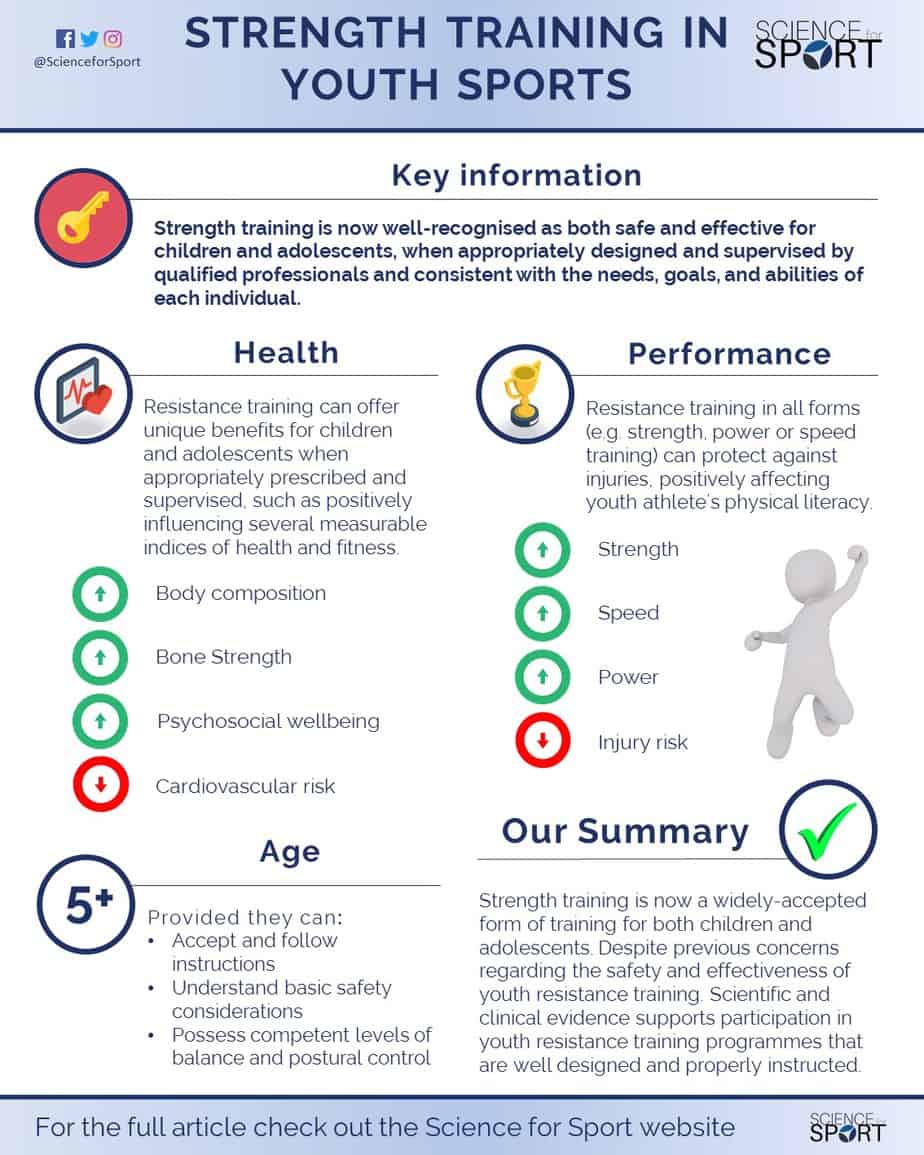
Credit: www.scienceforsport.com
Frequently Asked Questions
How Can Older Adults Prevent Injuries During Sports?
Older adults should warm up properly and use correct techniques. Wearing supportive gear and staying hydrated also reduces injury risks. Listening to the body and avoiding overexertion is crucial for safe sports practice at an older age.
What Sports Are Safest For Older People To Play?
Low-impact sports like swimming, walking, and cycling are safest. These activities improve fitness without stressing joints. They help maintain strength and flexibility while minimizing injury risks for older adults.
How Often Should Seniors Train For Sports Safely?
Seniors should aim for 3 to 5 sessions weekly. Each session should last 30 to 60 minutes. Consistency with rest days allows recovery and reduces injury chances. Consulting a doctor before starting a routine is advisable.
Why Is Proper Nutrition Important For Older Athletes?
Proper nutrition supports energy levels and muscle recovery. Older athletes need balanced diets rich in protein, vitamins, and minerals. Staying hydrated also improves performance and reduces fatigue during sports activities.
Conclusion
Training in sports at an older age brings many health benefits. Start slowly and listen to your body’s signals. Warm up well to avoid injuries. Choose exercises that suit your fitness level and needs. Rest is important to help your body recover.
Stay consistent and patient with your progress. Enjoy the process and celebrate small wins. Safe training keeps you active and feeling strong. Keep moving, stay healthy, and have fun with sports.

Brandon Knoxley is a sport & fitness writer and training guide contributor at MySportFitHub. He focuses on practical workouts, performance-based training, and honest fitness gear insights designed for real people and real results. Brandon is passionate about helping beginners and active individuals train smarter, avoid common mistakes, and build sustainable fitness habits.