
Where To Buy Treadmill Lubricant: Best Places To Shop
You can buy treadmill lubricant from the manufacturer, fitness stores, major online retailers, and select sporting goods shops.
Knowing where to buy treadmill lubricant is only half the job. The right product must also match your treadmill, use pure silicone when required, and come with clear directions. This guide explains where to shop, what to check, which products to avoid, and how to apply lubricant safely.
Where to Buy Treadmill Lubricant Online
Online shopping is often the easiest way to find treadmill belt lubricant. You can compare brands, read user reviews, check ingredients, and confirm delivery times from home.
The best online options include:
• The treadmill manufacturer’s website: This is the safest choice for model specific recommendations.
• Major online marketplaces: Large retailers often stock silicone treadmill lubricant in bottles, squeeze tubes, and applicator kits.
• Fitness equipment websites: Stores that sell treadmills often carry compatible maintenance supplies.
• Sporting goods websites: These may offer lubricant made for home and commercial fitness machines.
When searching where to buy treadmill lubricant, use your treadmill brand and model in the search phrase. For example, search for “NordicTrack treadmill silicone lubricant” or “Horizon treadmill belt lubricant.” This can reduce the risk of buying a product that does not fit your machine’s requirements.
Read the product description carefully. Look for terms such as “100% silicone,” “treadmill belt lubricant,” and “safe for walking belts.” Avoid products that do not list their ingredients or intended use.
Where to Buy Treadmill Lubricant in Stores
You can also buy treadmill lubricant from physical stores. This option is useful when you need maintenance supplies quickly or want to speak with a staff member before buying.
Try these locations:
• Fitness equipment dealers: These stores usually understand treadmill maintenance and can recommend products for different belt types.
• Sporting goods stores: Larger chains may carry basic treadmill care products.
• Home improvement stores: Some stock silicone lubricants, but check the label carefully before using one on a treadmill.
• Authorized service centers: These often sell the same lubricant used by their technicians.
• Treadmill repair shops: Local repair businesses may sell compatible lubricant or order it for you.
In my experience helping people maintain home fitness equipment, manufacturer dealers are often the most reliable local source. They may cost slightly more, but the advice can prevent an expensive mistake.
A general hardware store is less predictable. It may carry silicone spray, plumbing lubricant, or automotive products that are not suitable for a treadmill belt. Never assume that every silicone product is safe for fitness equipment.

Buying Treadmill Lubricant From the Manufacturer
The manufacturer’s website is usually the best place to begin. Your owner’s manual may name a specific lubricant, give an application schedule, or state that the belt does not need lubrication.
This matters because treadmill designs vary. Some walking belts have a standard wax coating. Others use a prelubricated deck. Certain commercial treadmills may require a special lubricant or service procedure.
Before ordering, check:
• The treadmill brand and model number
• The instructions in the owner’s manual
• The recommended lubricant type
• Whether the belt uses silicone, wax, or another system
• Whether the product includes an applicator wand or cloth
The main benefit of buying direct is confidence. You can connect the product to your exact machine instead of guessing from a generic listing. The main drawback is price. Manufacturer products can cost more than third party options, and shipping may take longer.
If the manual says to use a specific brand or formula, follow that advice. A small saving is not worth damaging the belt, deck, or motor.
What to Look for When Choosing Treadmill Lubricant
The label matters more than the bottle design. A product can look professional and still be wrong for your treadmill.
When deciding where to buy treadmill lubricant, look for these features:
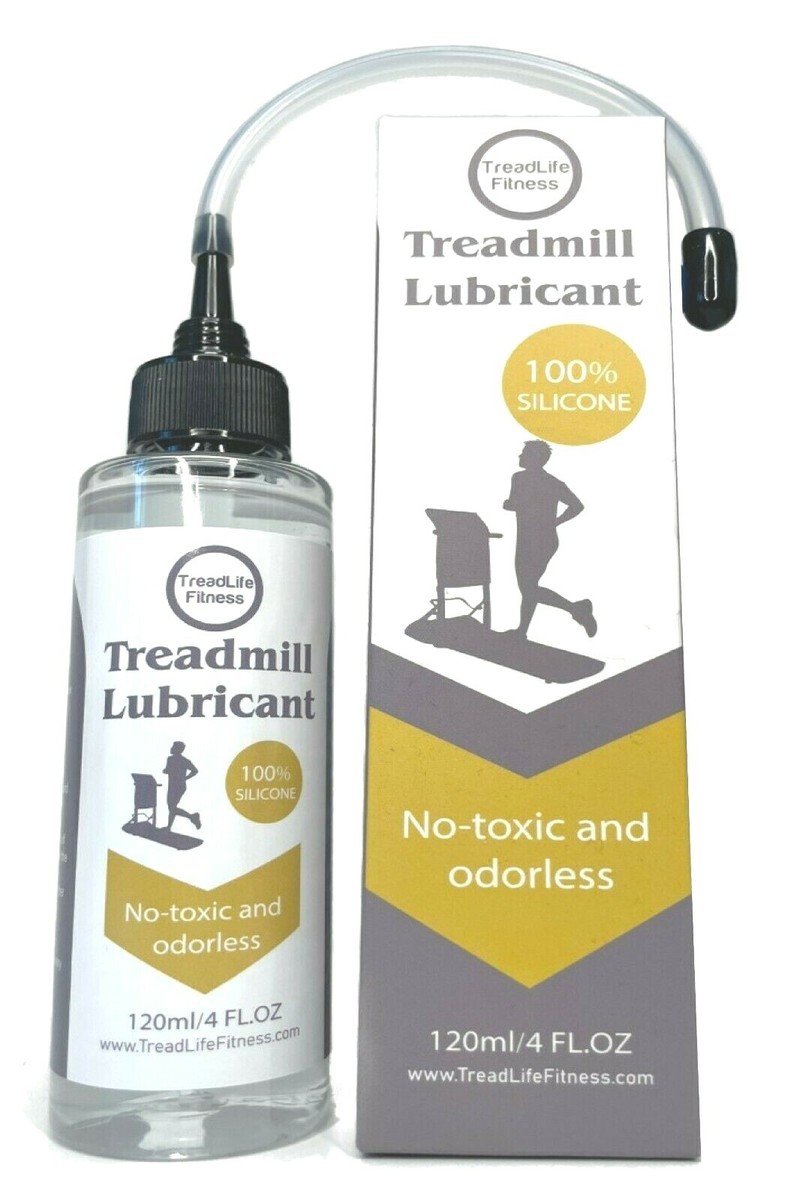
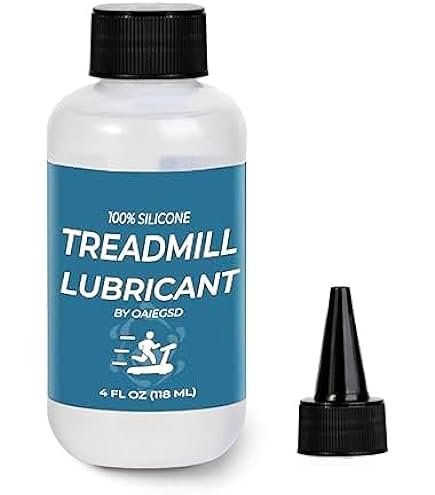
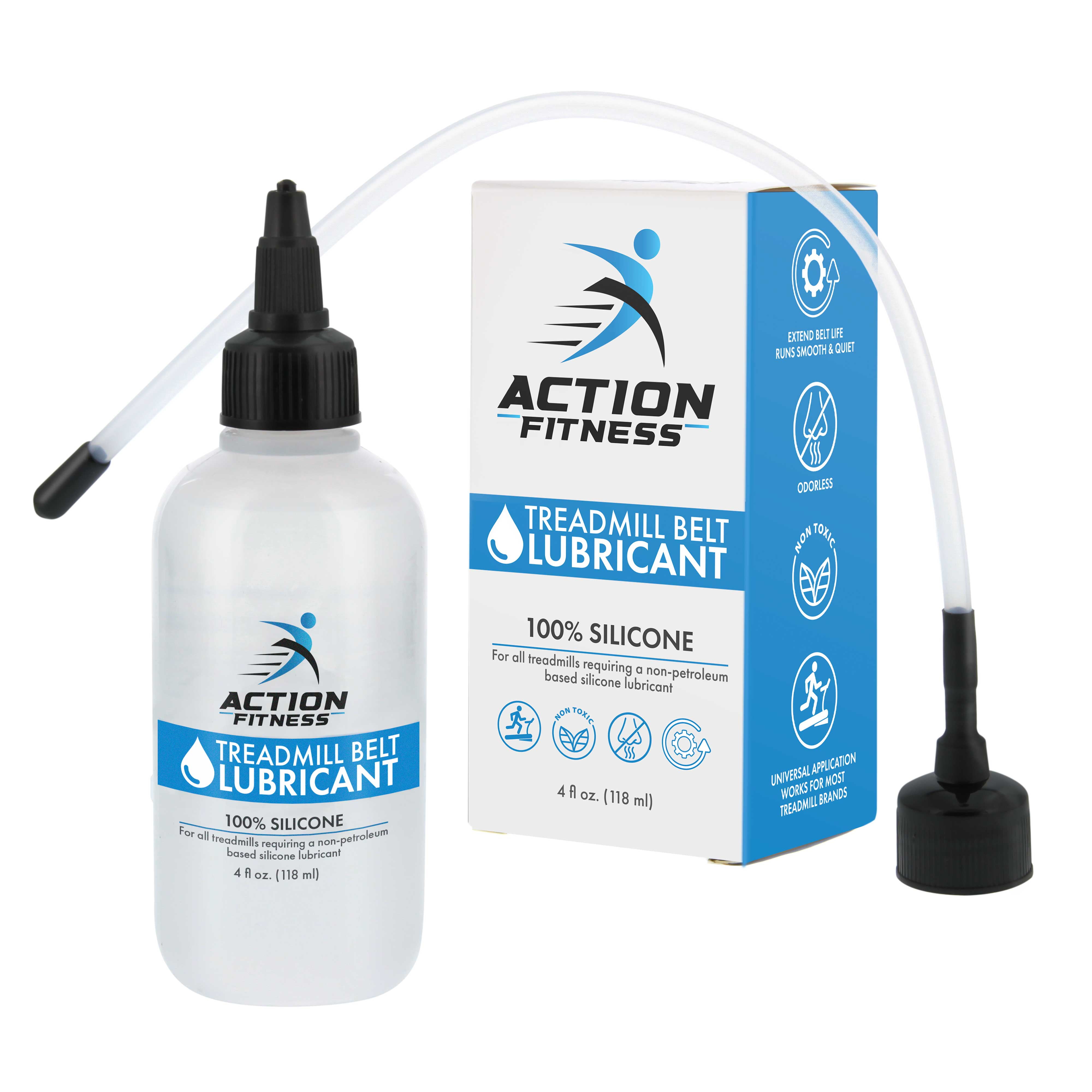
• 100% silicone: Many treadmill belts require pure silicone lubricant because it reduces friction without damaging common belt materials.
• Treadmill specific labeling: The product should clearly state that it is made for treadmill belts or fitness equipment.
• No petroleum solvents: Petroleum based products may harm the belt, deck, or adhesive layers.
• Low odor: A mild odor is more comfortable in a home gym.
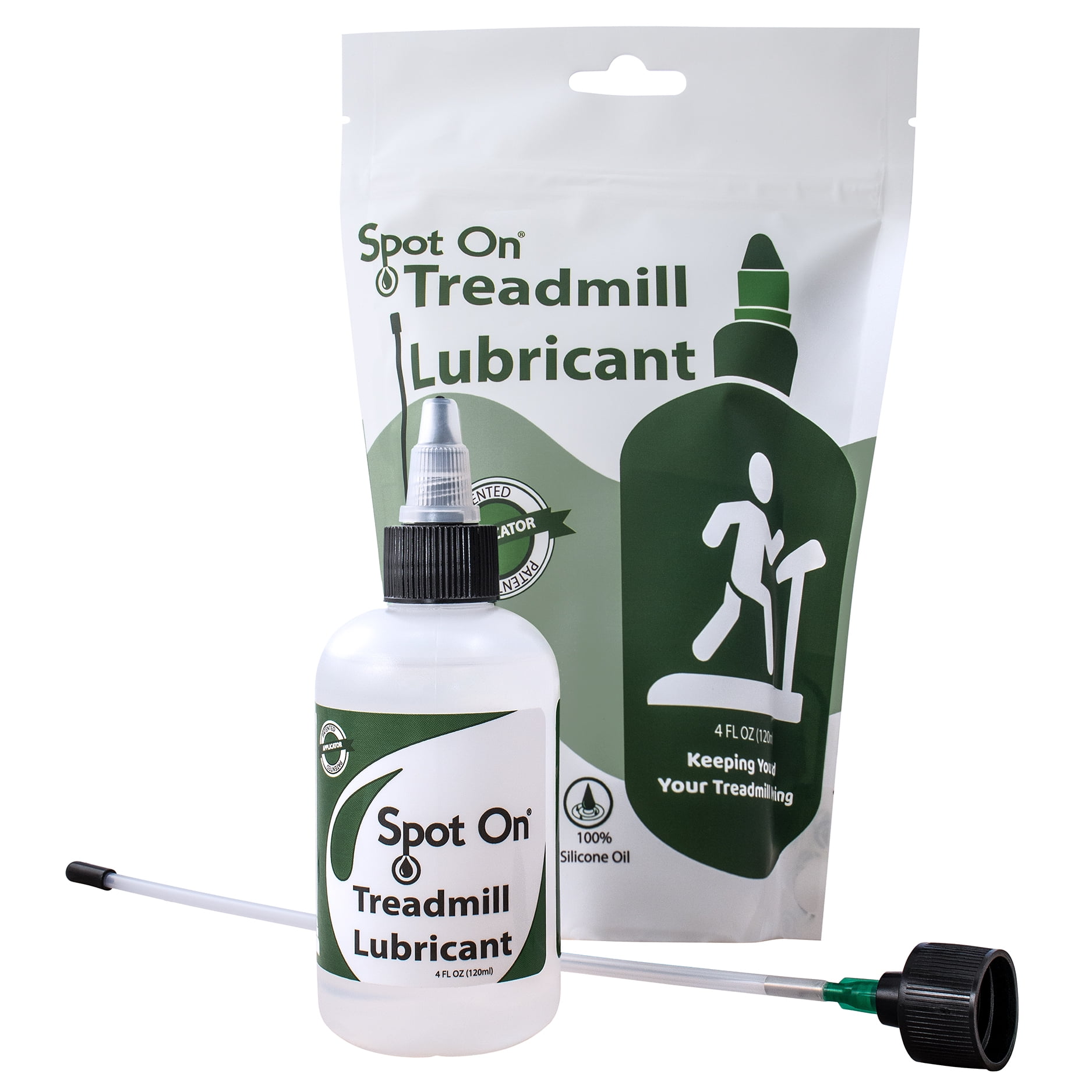
• A useful applicator: A long nozzle or applicator wand can help you place lubricant under the belt.
• Clear instructions: Reliable brands explain how much to use and how often to apply it.
Some products come as silicone oil. Others come as silicone spray. A liquid oil is often easier to spread beneath the belt, while a spray may be convenient but harder to control.
Do not choose a product only because it is cheap. A bottle that costs a few dollars less may provide poor coverage or contain additives that your treadmill does not tolerate.

Is Silicone Spray Safe for a Treadmill?
Silicone spray can be safe when the treadmill manual allows it and the product is designed for treadmill use. However, not every silicone spray is suitable.
Some sprays contain solvents, propellants, cleaners, or other additives. These ingredients may affect the belt surface or leave a slippery film around the machine. Read the full label, not only the large word “silicone.”
Liquid treadmill lubricant is often easier for beginners because you can apply a controlled amount. It also tends to stay under the belt instead of spreading into the room.
Before using any spray:
-
Turn off and unplug the treadmill.
-
Check the manual for approved products.
-
Apply a small amount under the belt.
-
Wipe away visible excess.
-
Walk slowly on the treadmill for several minutes.
-
Stop if the belt slips, squeaks, or feels unusually slick.
If you are unsure where to buy treadmill lubricant in spray form, ask the treadmill maker or a qualified service technician first.
Products You Should Not Use on a Treadmill
The wrong lubricant can create more problems than it solves. It may attract dust, damage belt materials, or cause the belt to slide instead of grip.
Avoid these products unless your manufacturer specifically approves them:
• WD 40 or similar water displacement products
• Motor oil
• Cooking oil
• Mineral oil
• Grease
• Petroleum jelly
• Automotive belt dressing
• Household cleaners
• Furniture polish
WD 40 is a common mistake. It can loosen dirt and displace moisture, but it is not a proper treadmill belt lubricant. It may also leave residue that affects belt traction.
Grease is another poor choice. It is too thick for many treadmill decks and can collect dust under the belt. Cooking oils can become sticky and turn rancid over time.
A treadmill belt needs the right kind of low friction, not a random slippery substance. Think of the lubricant as a quiet bridge between the belt and deck. Too little creates drag. Too much creates mess and poor control.

How Much Treadmill Lubricant Do You Need?
The correct amount depends on the treadmill model, belt size, lubricant formula, and deck condition. More is not always better.
Many home treadmills need a small measured amount placed under the belt on both sides of the deck. However, you should use the manual’s instructions as the final guide.
A basic process looks like this:
-
Switch off and unplug the treadmill.
-
Lift the edge of the walking belt carefully.
-
Apply the recommended amount along the deck surface.
-
Repeat on the other side if the manual instructs you to do so.
-
Plug in the treadmill.
-
Run it at a slow speed for several minutes.
-
Wipe away any lubricant that appears outside the belt.
Do not pour lubricant onto the top of the belt. The walking surface needs traction, while the lubricant belongs between the belt and deck.
In my experience, overapplication is one of the most common errors. People often think extra lubricant will protect the treadmill better. In reality, too much can cause belt slip, collect dust, and spread onto nearby flooring.

How Often Should You Lubricate a Treadmill?
There is no universal schedule. Some manufacturers suggest lubrication every three months, while others use mileage, hours, or belt feel as a guide.
Your usage affects the interval:
• Light use: A treadmill used for short walks a few times each week may need less frequent care.
• Heavy use: Daily running creates more heat and friction.
• Shared use: A treadmill used by several people may need more frequent checks.
• Dry conditions: Low humidity and dusty rooms may affect belt performance.
• Older equipment: Aging belts and decks may need inspection more often.
Check the belt and deck every few weeks. Look for unusual noise, a dry feel, hesitation, or increased motor strain. These signs do not always mean the treadmill needs lubricant. A loose belt, worn deck, dirty rollers, or electrical fault can create similar symptoms.
If you keep asking where to buy treadmill lubricant because the treadmill needs it often, stop and inspect the machine. Frequent lubrication may point to a worn belt or deck rather than a simple maintenance need.

How to Check Whether Your Treadmill Needs Lubricant
A quick check can help you avoid unnecessary applications. Always follow the safety rules in your owner’s manual.
Unplug the treadmill first. Then lift the walking belt slightly and touch the deck with your fingers. The surface should not feel completely dry or rough, but it should not be soaked either.
You may need service or lubricant if you notice:
• A squeaking or rubbing sound
• A belt that hesitates during use
• A hot or burning smell
• A treadmill motor that sounds strained
• A dry deck surface
• A belt that slows when you step on it
These signs can have several causes. Belt tension, roller alignment, worn parts, and motor problems can all affect performance. Lubricant cannot repair damaged components.
If the belt slips after application, stop using the treadmill. Excess lubricant or incorrect belt tension may be the cause. Clean the excess only as the manufacturer permits, then contact a service professional if the problem continues.
How to Compare Prices When Buying Treadmill Lubricant
Price comparison is helpful, but the lowest price is not always the best value. Compare the amount, formula, applicator, shipping cost, and return policy.
A useful comparison checklist includes:
• Cost per ounce
• Silicone concentration
• Compatibility with your treadmill
• Included application tools
• Customer reviews that mention real treadmill use
• Manufacturer support
• Delivery and return terms
A small bottle may seem inexpensive but provide only one application. A larger bottle may cost more upfront and last for several maintenance cycles.
Be careful with marketplace listings that use vague terms such as “all purpose lubricant.” The product may be intended for locks, hinges, plumbing, or automotive parts. Those uses do not prove that it is safe for a treadmill walking deck.
When deciding where to buy treadmill lubricant, trust clear product information over flashy packaging. A plain bottle with accurate instructions is often a better choice than a heavily advertised product with no useful specifications.
Common Buying Mistakes to Avoid
Finding where to buy treadmill lubricant is simple. Choosing the right product requires more care.
Avoid these common mistakes:
• Ignoring the owner’s manual
• Buying general purpose oil
• Choosing a product only by price
• Using a spray without checking its additives
• Applying lubricant to the top of the belt
• Using too much product
• Forgetting to unplug the treadmill
• Assuming noise always means low lubrication
• Buying from a seller with no product details
One mistake I have seen repeatedly is buying a bottle labeled “silicone” without checking whether it contains solvents. The buyer assumes the word guarantees safety. It does not.
Another mistake is lubricating a belt that is already worn. Lubricant may briefly reduce noise, but it cannot fix cracks, fraying, or a damaged deck. If the belt looks worn, arrange an inspection before spending money on more lubricant.
Frequently Asked Questions About Where to Buy Treadmill Lubricant
Where is the best place to buy treadmill lubricant?
The manufacturer’s website or an authorized fitness equipment dealer is usually the safest option. Major online retailers can also work when the product clearly lists treadmill compatibility and ingredients.
Can I buy treadmill lubricant at Walmart or a sporting goods store?
Some large retailers and sporting goods stores carry treadmill lubricant. Check the label for treadmill use, pure silicone, and compatibility with your model before purchasing.
Is 100% silicone lubricant good for treadmills?
Many treadmill manufacturers recommend 100% silicone lubricant for belts and decks. Always confirm this in your owner’s manual because some treadmills use different systems.
Can I use WD 40 as treadmill lubricant?
WD 40 is not a proper substitute for treadmill lubricant. It may contain ingredients that affect belt materials and does not provide the type of long lasting lubrication many treadmills require.
How much does treadmill lubricant cost?
Most bottles cost about $8 to $25, depending on size, brand, and whether an applicator is included. Manufacturer products and specialty kits may cost more.
How do I know if an online treadmill lubricant seller is trustworthy?
Look for clear ingredients, treadmill specific instructions, complete seller details, and reviews from verified buyers. Avoid listings that make broad claims but do not explain the product formula.
Conclusion
The best answer to where to buy treadmill lubricant is simple: start with your treadmill manufacturer, then compare reputable fitness stores and major online retailers. Choose a treadmill specific product, confirm the formula, and use the owner’s manual as your main guide.
Avoid WD 40, motor oil, grease, and cooking oil. Apply only the recommended amount, keep lubricant off the walking surface, and remember that unusual noise can signal a mechanical problem rather than a dry belt.
Take a few minutes to check your model number and manual before ordering. Then choose a compatible lubricant from a trusted seller and keep your treadmill running smoothly. For more practical equipment care tips, explore additional fitness maintenance guides or share your experience in the comments.

Brandon Knoxley is a sport & fitness writer and training guide contributor at MySportFitHub. He focuses on practical workouts, performance-based training, and honest fitness gear insights designed for real people and real results. Brandon is passionate about helping beginners and active individuals train smarter, avoid common mistakes, and build sustainable fitness habits.