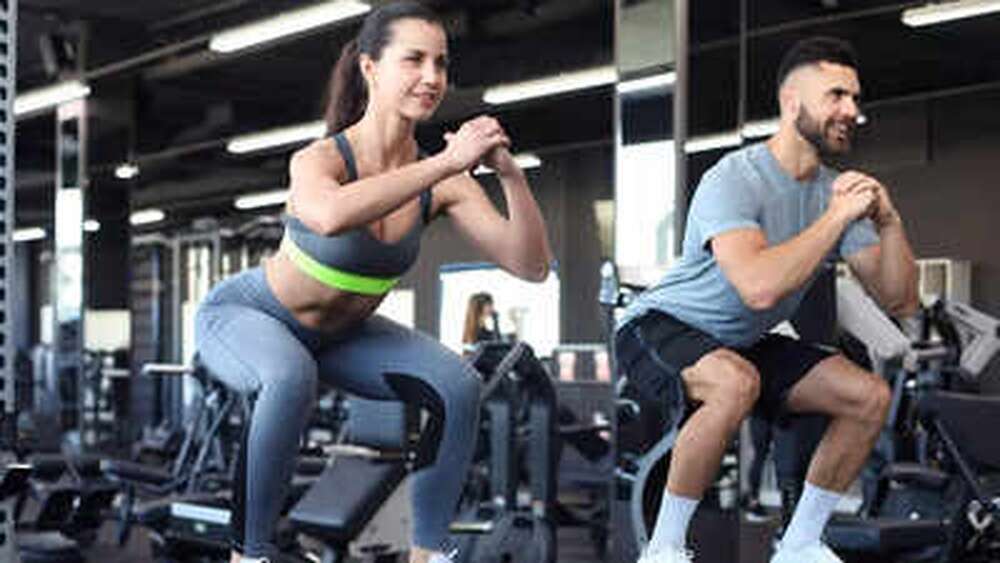
How to Stop Feeling Embarrassed While Exercising: Boost Confidence Fast
Have you ever felt your face flush or your heart race when you work out around others? You’re not alone.
Feeling embarrassed while exercising can stop you from reaching your fitness goals and enjoying your time at the gym or park. But what if you could change that feeling? What if you could feel confident, focused, and proud every time you move your body?
This article will show you simple, powerful ways to stop feeling embarrassed while exercising—so you can finally take control and enjoy every step of your fitness journey. Keep reading, because the freedom to feel good while working out is closer than you think.

Credit: www.msn.com
Common Causes Of Exercise Embarrassment
Feeling embarrassed during exercise is common. Many people face this issue. Understanding why embarrassment happens can help reduce it. Several reasons often cause these feelings. Recognizing these causes is the first step to feeling more confident while working out.
Body Image Concerns
Many worry about how their body looks. They fear others notice flaws or imperfections. This fear can stop people from trying new exercises. It can also make them avoid gyms or classes. Body image worries affect motivation and enjoyment during workouts.
Fear Of Judgment
People often fear being judged by others. They worry about making mistakes or looking awkward. This fear can create anxiety and reduce focus. It may also cause people to avoid public exercise spaces. Fear of judgment limits the chance to improve skills.
Lack Of Experience
New exercisers often feel unsure about what to do. They may not know proper form or how to use equipment. This uncertainty can cause embarrassment in front of others. Feeling inexperienced can lower confidence and increase stress. Practice and learning can slowly reduce this feeling.
Comparing Yourself To Others
It is easy to compare yourself with others during exercise. Seeing fitter or stronger people can cause self-doubt. Comparisons often lead to negative thoughts and embarrassment. Each person has a unique fitness journey and pace. Focusing on personal progress helps reduce these feelings.
Mindset Shifts To Build Confidence
Changing how you think about exercise helps build confidence fast. Shifting your mindset allows you to enjoy workouts more. It reduces feelings of embarrassment and stress. Here are simple mindset shifts to help you feel better while exercising.
Focus On Personal Progress
Track your own improvement, not others’ performance. Every small step forward is a win. Celebrate your gains, no matter how tiny they seem. This keeps motivation high and embarrassment low.
Embrace Imperfection
Accept that mistakes and awkward moments happen to everyone. No one is perfect at first. Mistakes mean you are trying and learning. Laugh off errors and keep going strong.
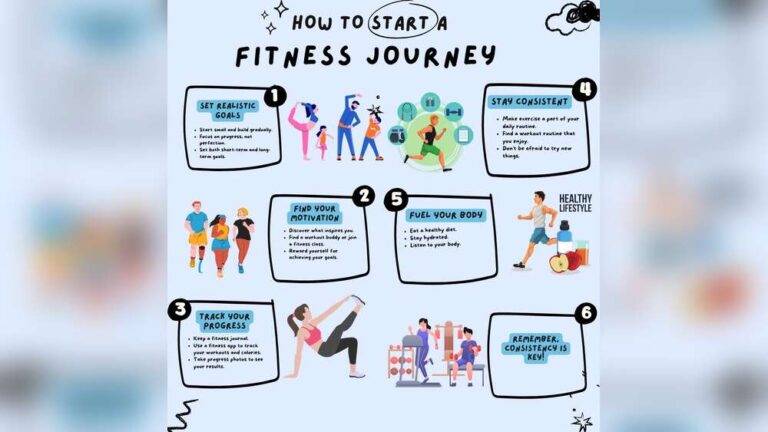
Set Realistic Goals
Choose goals that are clear and doable. Small goals build confidence over time. Unrealistic goals cause stress and self-doubt. Realistic goals help you stay focused and proud.
Practice Positive Self-talk
Replace negative thoughts with kind and encouraging words. Tell yourself, “I can do this” or “I am improving.” Positive self-talk boosts mood and confidence. It changes how you feel about exercise.
Practical Tips To Ease Anxiety
Feeling nervous during exercise is common. Anxiety can stop you from enjoying workouts. Simple steps can help you feel calm and confident. These practical tips reduce stress and make exercise fun.
Choose Comfortable Clothing
Wear clothes that fit well and feel soft. Tight or itchy clothes increase nervousness. Pick fabrics that breathe and move with you. Feeling comfortable helps you focus on exercise.
Start With Familiar Workouts
Begin with exercises you already know. This lowers fear of making mistakes. Simple routines build confidence over time. Gradually try new activities when you feel ready.
Use Headphones For Focus
Listening to music or podcasts blocks distractions. Headphones create a personal space in busy gyms. Sounds help you stay in the moment. This reduces worry about others watching.
Bring A Workout Buddy
Exercising with a friend eases anxiety. A buddy offers support and encouragement. They make workouts more fun and less scary. Sharing the experience builds confidence together.
Credit: www.thehonesttalk.ca
Creating A Supportive Environment
Creating a supportive environment can make exercising less embarrassing. Feeling safe and encouraged helps you focus on your workout. A good environment reduces anxiety and builds confidence. It allows you to enjoy moving your body without fear of judgment.
Find Beginner-friendly Classes
Beginner-friendly classes welcome people of all skill levels. In these classes, others are learning too. The pace is slower and instructions are clear. You can learn without pressure or competition. It helps to be around others who understand your feelings.
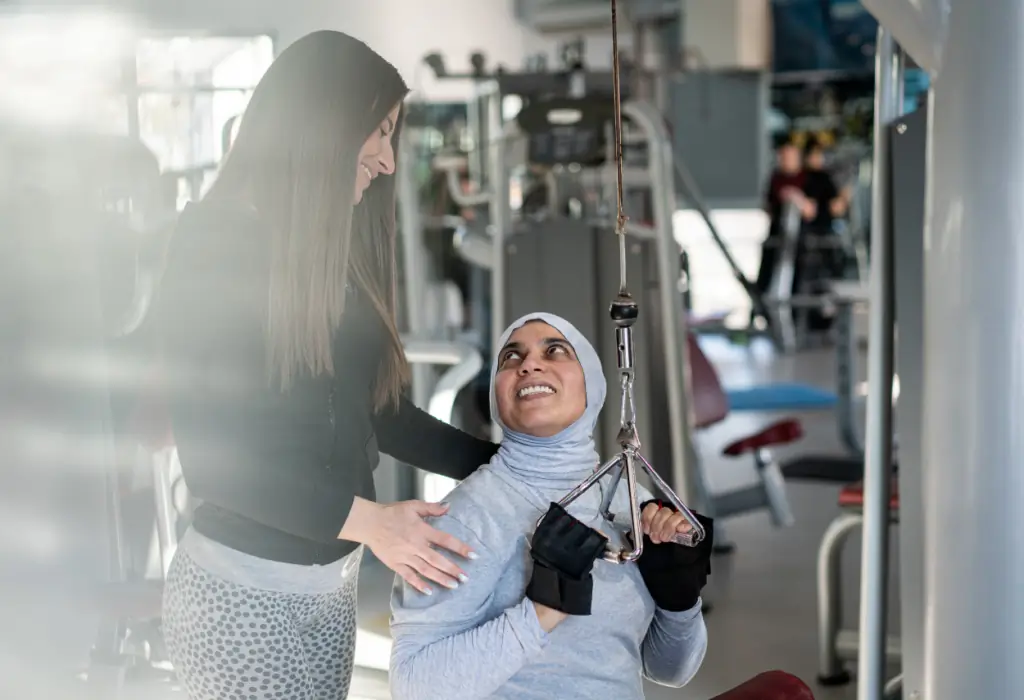
Work With A Personal Trainer
A personal trainer gives you attention and guidance. They create workouts that fit your needs and pace. Trainers cheer you on and correct your form gently. This helps you avoid mistakes and feel more confident. You get private support, away from crowded gyms.
Join Online Fitness Communities
Online fitness groups connect you with people worldwide. You can share progress and ask questions easily. These communities offer tips and motivation without judgment. They help you feel less alone in your journey. You can exercise at your own pace and place.
Building Routine And Consistency
Building a routine and staying consistent helps reduce embarrassment during exercise. Regular workouts make exercise feel normal. The more you practice, the less self-conscious you become. Over time, your confidence grows. This section explains how to build a steady exercise habit.
Schedule Regular Sessions
Pick specific days and times for exercise. Treat these sessions like important appointments. Consistent timing trains your mind and body to expect workouts. This reduces anxiety about starting. Keep your schedule simple to follow easily.
Track Progress Over Time
Write down what you do each session. Note improvements like longer duration or more reps. Seeing progress builds motivation and pride. Tracking helps you focus on growth, not on how others look. It shifts attention to your own journey.
Celebrate Small Wins
Recognize every effort and achievement, no matter how small. Finishing a workout or trying a new move deserves praise. These small victories boost your mood and confidence. Positive feelings make you want to keep exercising regularly.
Handling Setbacks And Negative Feelings
Feeling embarrassed while exercising is common. Setbacks and negative feelings can make it harder to keep going. Handling these moments well helps build confidence and enjoy workouts more. Understanding how to accept mistakes, learn from challenges, and find support is key to moving forward.
Accepting Mistakes
Everyone makes mistakes during exercise. Missing a step or not finishing a set is normal. Accept these moments without harsh judgment. Treat mistakes as part of learning. Being kind to yourself reduces embarrassment and stress.
Learning From Challenges
Challenges teach important lessons. Analyze what caused a setback. Use that knowledge to improve your technique or routine. Each challenge is a chance to grow stronger and smarter. This mindset turns negative feelings into motivation.
Seeking Encouragement
Support from others lifts your spirit. Share your feelings with friends, family, or workout partners. Positive words boost confidence and reduce shame. Joining a group or class can provide helpful encouragement. You are not alone in your journey.

Credit: primaimmediatecare.com
Frequently Asked Questions
How Can I Overcome Embarrassment While Exercising?
Focus on your progress, not others’ opinions. Wear comfortable clothes and choose less crowded times. Remember, everyone starts somewhere, and confidence builds with practice.
What Exercises Are Best For Shy Beginners?
Low-impact activities like walking, yoga, or home workouts help build confidence. These exercises reduce pressure and allow gradual comfort in fitness routines.
How Does Mindset Affect Exercise Embarrassment?
A positive mindset reduces fear of judgment. Embrace mistakes as learning steps and celebrate small wins to boost confidence during workouts.
Can Workout Partners Reduce Exercise Embarrassment?
Yes, exercising with friends provides support and motivation. It creates a comfortable environment and makes workouts more enjoyable and less intimidating.
Conclusion
Feeling embarrassed during exercise is normal but can be overcome. Focus on your progress, not on others. Everyone starts somewhere, and mistakes are part of learning. Choose exercises you enjoy to build confidence. Remember, most people are busy with their own workouts.
Keep practicing, and embarrassment will fade away. Exercise should feel good, not stressful. Stay positive and patient with yourself. You have the power to enjoy every workout session. Keep moving forward, one step at a time.

Brandon Knoxley is a sport & fitness writer and training guide contributor at MySportFitHub. He focuses on practical workouts, performance-based training, and honest fitness gear insights designed for real people and real results. Brandon is passionate about helping beginners and active individuals train smarter, avoid common mistakes, and build sustainable fitness habits.