How to Improve Posture Through Exercise: Simple Steps for Lasting Relief
Do you often find yourself slouching or feeling tension in your neck and back? Poor posture can sneak into your daily habits without you even noticing.
The good news is that you don’t have to live with it. By using simple exercises, you can strengthen your muscles and stand taller with confidence. Imagine feeling more energetic, reducing pain, and looking your best—all through easy, effective movements.
Keep reading to discover how you can improve your posture step by step and transform the way you carry yourself every day.
Credit: www.iinn.com
Causes Of Poor Posture
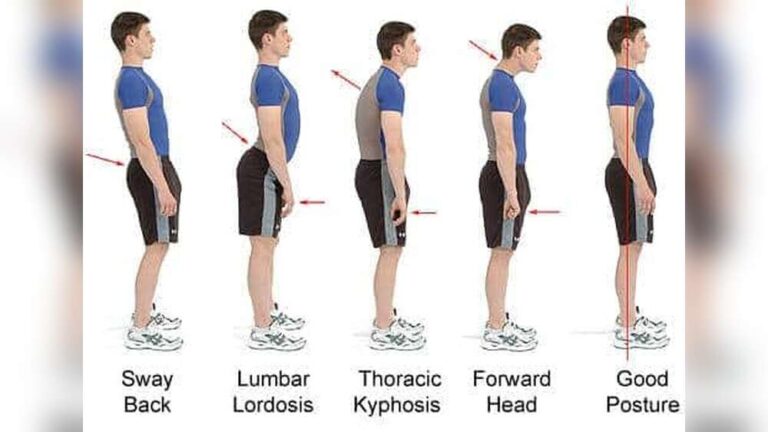
Poor posture happens for many reasons. Understanding these causes helps you fix your posture with exercise. Posture problems often start small but get worse over time. The way you live, your body’s muscle strength, and how you use technology all play a part.
Impact Of Sedentary Lifestyle
Sitting for long hours weakens your muscles. Weak muscles cannot support your spine well. This causes slouching and rounded shoulders. Lack of movement also reduces flexibility. It makes standing or sitting straight feel hard. Sedentary habits are a common cause of poor posture.
Muscle Imbalances
Muscle imbalances happen when some muscles are strong and others are weak. Tight chest muscles and weak back muscles are common problems. This pulls your shoulders forward and rounds your upper back. Imbalanced muscles stop your body from staying in a healthy position. Exercises can help balance muscle strength.
Effects Of Technology Use
Using phones, tablets, and computers affects your neck and back. People often bend their necks down or lean forward. This creates strain on the spine and muscles. Over time, this posture becomes a habit. Technology use is a major reason for neck and shoulder pain.
:max_bytes(150000):strip_icc()/FeatureImage_5ExercisesforBetterPosture_KaileyWhitman-cae9c6c8d3d04d85b09736fa56f9752b.jpg)
Credit: www.realsimple.com
Benefits Of Good Posture
Good posture is more than standing tall. It affects your whole body and daily life. Exercising to improve posture brings many benefits. These benefits help your health and how you feel every day.
Strong posture protects your spine and muscles. It also helps your breathing and digestion work better. Plus, good posture makes you look confident and feel better about yourself.
Reduced Back And Neck Pain
Good posture keeps your spine in the right position. It reduces stress on your back and neck muscles. This lowers the chance of pain and stiffness. Exercise helps build strong muscles that support your spine. Less pain means you can move easier and enjoy daily activities more.
Improved Breathing And Digestion
Standing or sitting straight opens up your chest. This allows your lungs to fill with more air. Better breathing gives your body more oxygen. It helps you feel energetic and focused. Good posture also keeps your organs in place. This helps your stomach and intestines work well. Better digestion reduces bloating and discomfort.
Enhanced Confidence And Appearance
Good posture makes you look taller and slimmer. It shows confidence and strength in your body language. People often see you as more positive and alert. Feeling good about how you look boosts your self-esteem. Exercise improves posture and helps you carry yourself with pride.
Key Exercises To Strengthen Posture
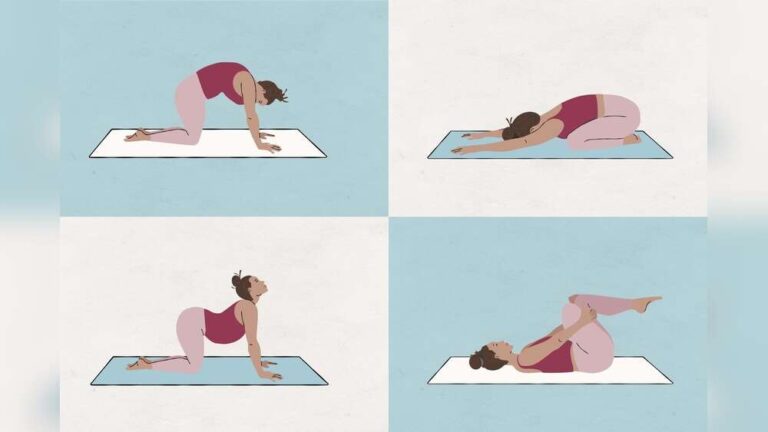
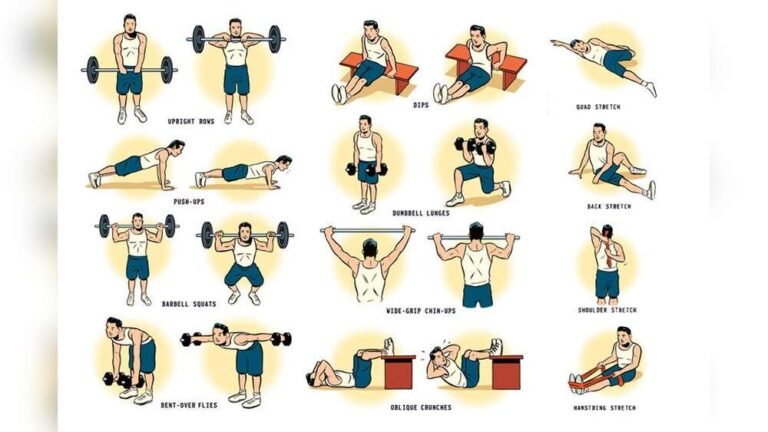
Strong posture starts with targeted exercises. These moves build muscles that keep your body aligned. Focus on key areas like the core, upper back, and tight muscles. Strengthening these parts reduces slouching and pain.
Consistent practice improves posture over time. These exercises fit into daily routines. No fancy equipment needed. Just simple, effective movements.
Core Strengthening Moves
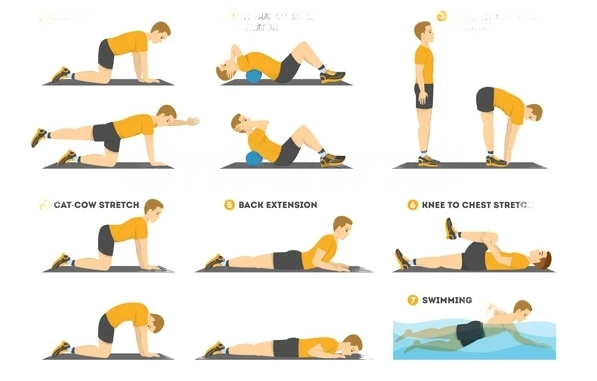
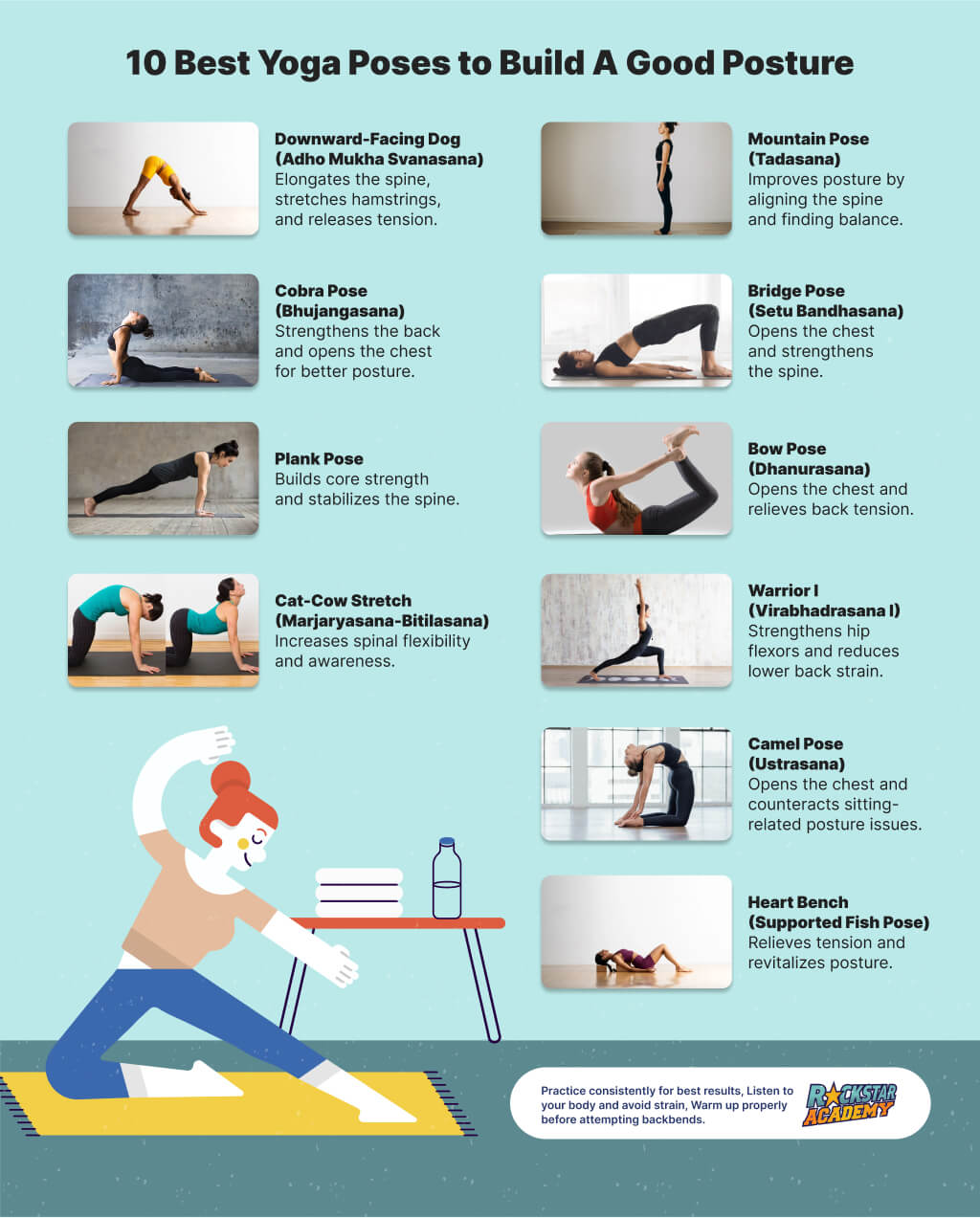
The core supports the entire spine. Strong abs and lower back prevent slumping. Try planks to hold your body straight. Bridge lifts also activate core muscles. These moves train your midsection to stay firm.
Upper Back Exercises
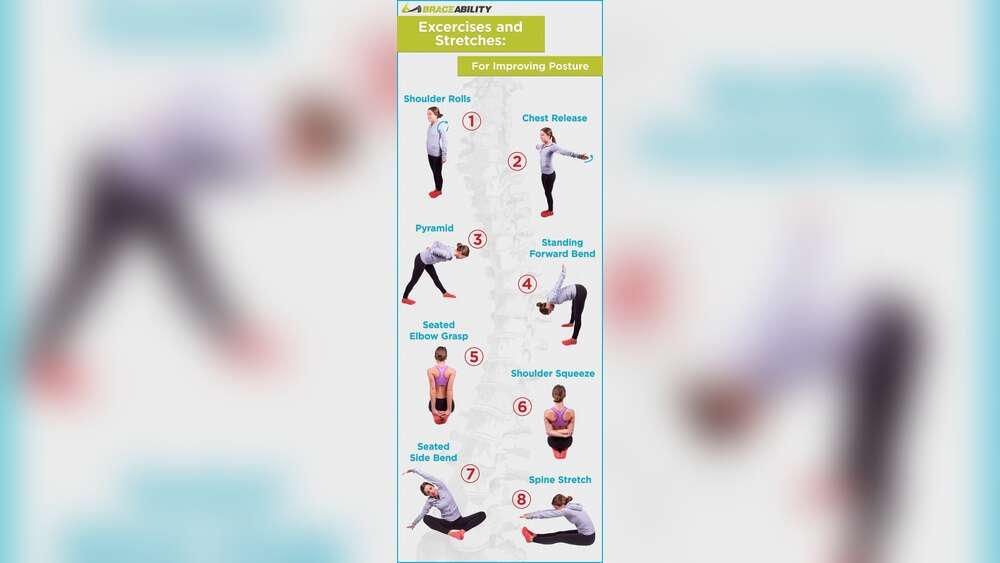
The upper back pulls shoulders back and down. Weakness here causes rounded shoulders. Rows with light weights help strengthen these muscles. Shoulder blade squeezes improve posture too. These exercises open the chest and align the spine.
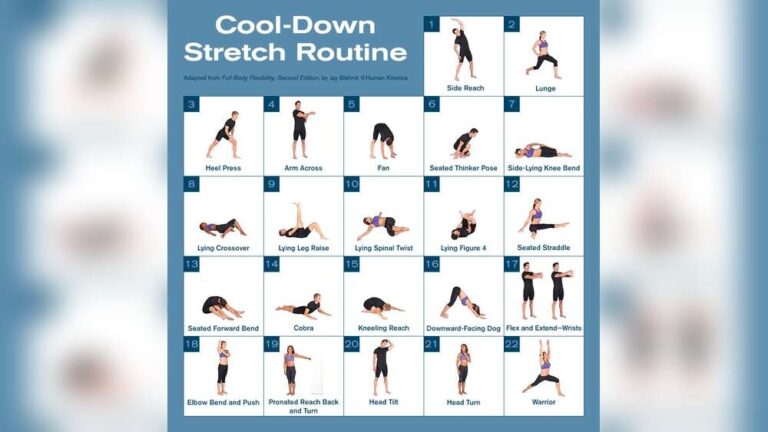
Stretching Tight Muscles
Tight muscles pull the body out of place. Stretch your chest and neck daily. Doorway stretches open the chest muscles. Neck stretches release tension from forward head posture. Stretching helps balance strength and flexibility for better posture.
Credit: www.pamsteele.org
Daily Habits To Support Posture
Good posture starts with daily habits. Small changes in your routine help keep your spine healthy. These habits reduce pain and improve your overall body alignment. Practicing simple actions every day supports strong posture.
Proper Sitting Techniques
Sit with your back straight and shoulders relaxed. Keep your feet flat on the floor. Avoid crossing your legs for long periods. Use a chair that supports your lower back. Align your ears over your shoulders. This reduces strain on your neck and back.
Ergonomic Workspace Setup
Arrange your desk so the screen is at eye level. Keep your keyboard and mouse close to avoid reaching. Use a chair with good lumbar support. Position your feet flat on the floor or on a footrest. An ergonomic setup helps maintain natural body posture during work.
Regular Movement Breaks
Stand up and move every 30 minutes. Stretch your arms, legs, and back to reduce stiffness. Walk around to boost circulation and relieve pressure on your spine. Short breaks improve focus and keep your posture aligned.
Tracking Progress And Staying Motivated
Tracking progress and staying motivated are key to improving posture through exercise. Small wins build confidence. Watching improvements keeps you committed. Tracking helps spot what works and what needs change. Motivation grows when you see results. It’s easier to keep going with clear goals and tools.
Using Posture Apps And Tools
Posture apps remind you to sit or stand correctly. They track your daily posture habits. Some use your phone camera to check your alignment. Wearable devices give real-time feedback. These tools make tracking easy and fun. They help you fix bad habits throughout the day.
Setting Realistic Goals
Set small, clear goals for better posture. For example, sit straight for 10 minutes daily. Gradually increase the time as you improve. Realistic goals prevent frustration and burnout. Celebrate each achievement to stay motivated. Goals guide your progress step by step.
Incorporating Exercise Into Routine
Make posture exercises part of your daily routine. Choose a time that fits your schedule. Even five minutes daily helps build habit. Use reminders to keep you on track. Consistency is more important than intensity. Regular practice strengthens muscles that support good posture.
Frequently Asked Questions
What Are The Best Exercises To Improve Posture?
Strengthening the core, back, and shoulder muscles helps improve posture. Exercises like planks, rows, and chest stretches are effective. Regular practice promotes spinal alignment and reduces slouching. Consistency is key for noticeable posture improvement over time.
How Often Should I Exercise To Fix Poor Posture?
Aim to exercise 3-5 times per week focusing on posture-related workouts. Consistent sessions help build muscle memory and strength. Short daily stretches complement longer workouts. Combining strength and flexibility exercises yields the best posture results.
Can Posture Improve Without Exercise?
Yes, posture can improve by mindful habits like sitting straight and ergonomic adjustments. However, exercise accelerates muscle strengthening and spinal alignment. Combining both lifestyle changes and exercises offers the most effective posture improvement.
Which Muscles Are Crucial For Good Posture?
Core muscles, including abs and lower back, support the spine. Upper back and shoulder muscles prevent slouching. Strengthening these areas maintains proper alignment and reduces strain. Balanced muscle strength is essential for lasting posture correction.
Conclusion
Improving posture takes time and practice. Exercises help strengthen your back and core muscles. Strong muscles support your spine better. Sit and stand tall to feel more confident. Small changes daily bring big results. Stay consistent and patient with your routine.
Good posture reduces pain and boosts energy. Enjoy the benefits of a healthier body. Keep moving and be mindful of your posture. Your body will thank you for the effort.

Brandon Knoxley is a sport & fitness writer and training guide contributor at MySportFitHub. He focuses on practical workouts, performance-based training, and honest fitness gear insights designed for real people and real results. Brandon is passionate about helping beginners and active individuals train smarter, avoid common mistakes, and build sustainable fitness habits.