How to Identify Weaknesses in Sports Training: Proven Strategies
Are you putting in hours at training but still not seeing the results you want? The problem might be hidden in your weaknesses.
Knowing exactly where you fall short is the key to unlocking your full potential in sports. But how do you spot these weak points when they’re often hard to recognize? This guide will help you uncover those hidden gaps in your training, so you can focus your efforts smarter, train more effectively, and get ahead faster.
Keep reading, and you’ll learn simple, practical steps to identify and fix the weaknesses holding you back. Your best performance is closer than you think.
Spotting Physical Weaknesses
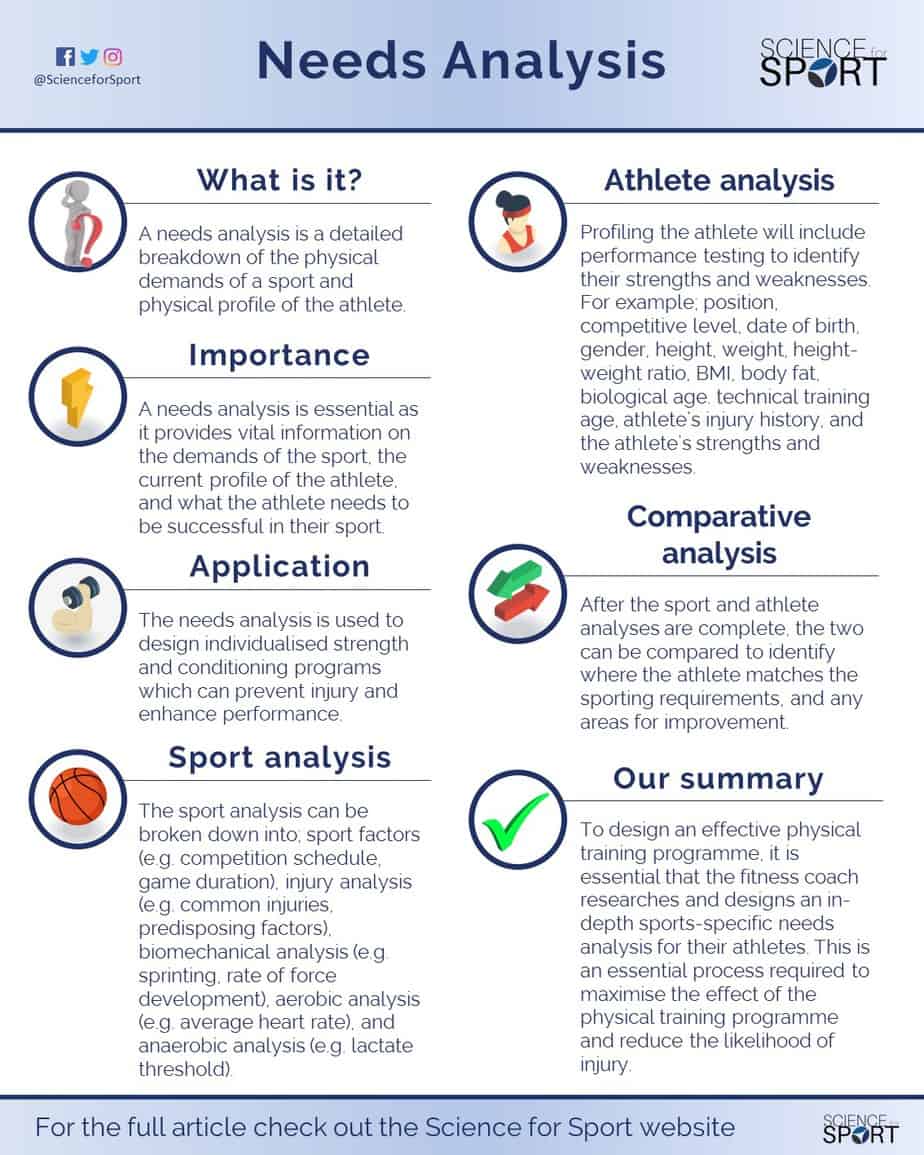
Spotting physical weaknesses is key to improving sports training. These weaknesses slow progress and increase injury risk. Identifying them early helps tailor workouts for better results. Focus on strength, endurance, flexibility, and injury patterns to find gaps. Careful observation and testing reveal where the body needs work.
Assessing Strength And Endurance
Strength and endurance form the foundation of athletic performance. Test muscle power through weight lifting or resistance exercises. Measure how long an athlete can maintain activity without fatigue. Look for imbalances between muscle groups. Weak muscles tire quickly and affect overall performance. Endurance tests show how well the body uses oxygen during effort. Low endurance signals a need for cardiovascular training.
Evaluating Flexibility And Mobility
Flexibility and mobility affect movement efficiency and injury risk. Check joint range of motion with simple stretches or movements. Tight muscles limit motion and cause compensation in other areas. Limited mobility reduces speed and agility. Compare flexibility on both sides of the body. Differences indicate imbalances. Improving flexibility helps prevent strains and supports better technique.
Monitoring Injury Patterns
Recurring injuries highlight physical weaknesses. Track the types and locations of past injuries. Repeated strains or sprains suggest weak muscles or poor mechanics. Note how often injuries happen and during which activities. This information guides targeted training adjustments. Strengthening weak areas reduces injury frequency. Avoiding these problems keeps athletes training consistently.
Credit: www.scienceforsport.com
Analyzing Skill Gaps
Analyzing skill gaps is key in sports training. It helps athletes see where they need to improve. Identifying these gaps allows focused practice on weak areas. This leads to better overall performance.
Careful analysis can highlight specific problems. Coaches and athletes can then plan targeted training. This section covers ways to analyze skill gaps effectively.
Reviewing Technique Flaws
Start by examining the athlete’s technique closely. Small mistakes can cause big problems later. Watch movements step by step to find errors. Pay attention to posture, timing, and form. Correcting these flaws improves skill quality and prevents injury.
Tracking Performance Consistency
Track how well the athlete performs over time. Look for patterns of strength and weakness. Consistency is a sign of solid skills. Inconsistent results reveal areas needing more work. Use training logs or charts to monitor progress.
Using Video Analysis
Record training sessions for detailed review. Video helps see mistakes missed in real time. Slow motion and replay make flaws clear. Compare videos to professional examples for guidance. Use this tool to make precise adjustments in training.
Evaluating Mental Barriers
Mental barriers can limit an athlete’s progress more than physical limits. These barriers affect focus, stress levels, and motivation. Evaluating mental barriers helps trainers and athletes find hidden weaknesses. This leads to better training plans and improved performance.
Identifying Focus And Concentration Issues
Focus is key for effective sports training. Watch for signs of distraction during practice. Difficulty completing drills or frequent mistakes may show concentration problems. Record training sessions to spot attention lapses. Mental fatigue also reduces focus. Short breaks can help maintain concentration over time.
Recognizing Stress And Anxiety Effects
Stress and anxiety affect performance negatively. Notice if athletes seem tense or nervous. These feelings can cause poor decision-making and slower reactions. Physical signs include sweating, rapid heartbeat, or muscle tightness. Encourage breathing exercises or relaxation techniques to reduce stress. Understanding anxiety triggers helps manage these issues.
Measuring Motivation Levels
Motivation drives effort and consistency in training. Low motivation leads to skipping sessions or half-hearted effort. Talk with athletes about their goals and feelings toward training. Use simple rating scales to track motivation over time. Celebrate small achievements to boost morale. Motivated athletes show better progress and resilience.

Credit: www.trainingpeaks.com
Gathering Feedback
Gathering feedback is vital in sports training to spot weak areas. It helps athletes and coaches understand what needs work. Feedback gives clear guidance and shows progress. This step builds a strong foundation for better training sessions.
Involving Coaches And Trainers
Coaches and trainers watch athletes closely. They notice small mistakes that athletes might miss. Their advice helps fix technique and improve skills. Regular check-ins with coaches keep training on track. Coaches also set realistic goals based on feedback.
Encouraging Peer Reviews
Teammates provide honest and helpful opinions. Peers see things from different views during practice. They can suggest simple ways to improve. Peer reviews create a supportive team environment. Sharing feedback builds trust and boosts motivation.
Utilizing Athlete Self-assessments
Athletes should reflect on their own performance. Self-assessment helps recognize personal strengths and weaknesses. Writing down thoughts after practice highlights key points. This habit makes athletes more aware and focused. Self-feedback encourages responsibility and growth.
Implementing Testing Methods
Implementing testing methods is essential to find weaknesses in sports training. Testing gives clear facts about fitness, skills, and mental state. It helps trainers and athletes know where to improve. Testing also tracks progress over time.
Effective testing methods focus on fitness, skill, and psychology. Each area shows different types of weaknesses. Combining these tests gives a full picture of the athlete’s condition. Let’s explore key testing types.
Conducting Fitness Tests
Fitness tests measure strength, endurance, speed, and flexibility. Common tests include running sprints, jump height, and push-ups. These tests show physical limits and areas needing work. Regular testing helps spot declines or gains in fitness.
Performing Skill Drills
Skill drills assess technique and sport-specific abilities. Drills might involve passing, shooting, or dribbling in sports. Coaches watch for consistency, accuracy, and speed. Skill drills highlight technical faults that slow progress.
Applying Psychological Assessments
Psychological tests check focus, stress levels, and motivation. Simple surveys or interviews reveal mental blocks or fears. Mental strength affects performance as much as physical skills. Testing mindset guides mental training and support.
Tracking Progress Over Time
Tracking progress over time is key to spotting weaknesses in sports training. It shows where improvement happens and where problems stay. Careful tracking helps athletes and coaches make smart changes. This keeps training focused and effective. The process uses simple steps that anyone can follow.
Setting Benchmarks
Start by setting clear benchmarks. These are standard points to measure progress. Choose specific skills or exercises to test regularly. Benchmarks create a clear goal to reach. They show if training moves in the right direction. Without benchmarks, progress can be hard to see.
Using Training Logs
Keep detailed training logs. Write down exercises, times, sets, and reps. Note how you feel each day during workouts. Logs track daily work and energy levels. They reveal patterns over weeks and months. This information is vital to spot weak spots and fatigue.
Analyzing Data Trends
Look closely at data trends from logs and benchmarks. Check for steady improvement or sudden drops in performance. Trends show if training is balanced or if certain areas lag behind. Use this insight to adjust workouts. Tracking trends helps fix weaknesses before they become big problems.
Credit: sportmed.com
Frequently Asked Questions
How Can I Spot Weaknesses In Sports Training Early?
Early spotting requires regular performance reviews and self-assessment. Use video analysis and feedback from coaches to identify skill gaps. Tracking progress helps detect inconsistencies and areas needing improvement quickly.
What Are Common Signs Of Training Weaknesses?
Common signs include slow progress, frequent injuries, and fatigue. Inconsistent technique or poor endurance also indicate weaknesses. Recognizing these signs helps adjust training plans effectively.
How Do I Use Data To Identify Training Flaws?
Collect performance metrics like speed, strength, and accuracy. Analyze trends and compare with benchmarks to find weaknesses. Data-driven insights enable targeted improvements and better results.
Why Is Feedback Important In Identifying Training Weaknesses?
Feedback offers an external perspective on performance. Coaches and peers provide valuable observations that highlight unnoticed flaws. Constructive feedback guides focused training adjustments.
Conclusion
Identifying weaknesses in sports training helps athletes grow. Spotting small problems early saves time and effort. Focus on consistent practice and honest self-review. Coaches and teammates provide valuable feedback too. Use simple drills to test skills and strength. Track progress regularly to notice changes clearly.
Fixing weak spots boosts confidence and performance. Keep training smart, stay patient, and work hard. Every athlete can improve with the right approach. Success comes from knowing where to improve next.

Brandon Knoxley is a sport & fitness writer and training guide contributor at MySportFitHub. He focuses on practical workouts, performance-based training, and honest fitness gear insights designed for real people and real results. Brandon is passionate about helping beginners and active individuals train smarter, avoid common mistakes, and build sustainable fitness habits.