How to Avoid Injury When Starting Fitness Training: Essential Tips
Starting fitness training is an exciting step toward a healthier you. But if you’re not careful, it can also lead to injuries that slow you down or even stop you altogether.
Imagine putting in all that effort only to face pain or setbacks. You don’t want that. The good news? There are simple, effective ways to protect your body while building strength and stamina. Keep reading, and you’ll discover how to start your fitness routine safely and stay injury-free from day one.
Your future self will thank you.
Prepare Your Body
Preparing your body is the first step to safe fitness training. It helps reduce injury risk and makes your workout better. Your muscles, joints, and heart all need time to adjust. Start slow and build up as your body gets ready.
Start With A Warm-up
A warm-up increases blood flow to your muscles. It raises your body temperature and wakes up your nervous system. Try light cardio like walking, jogging, or jumping jacks for 5 to 10 minutes. This prepares your body for harder exercise.
Include Stretching
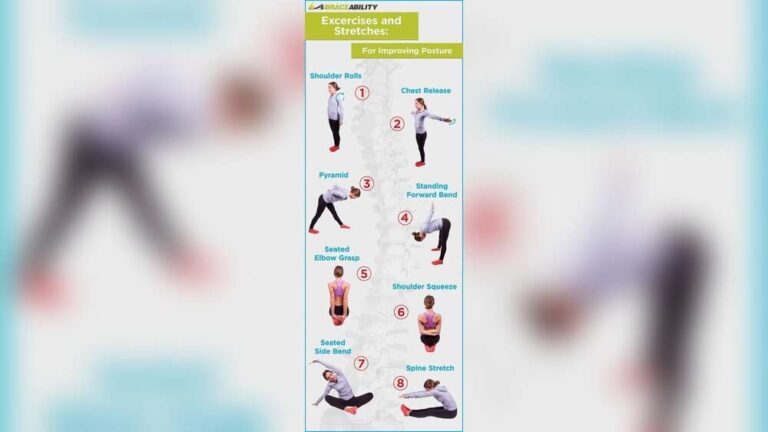
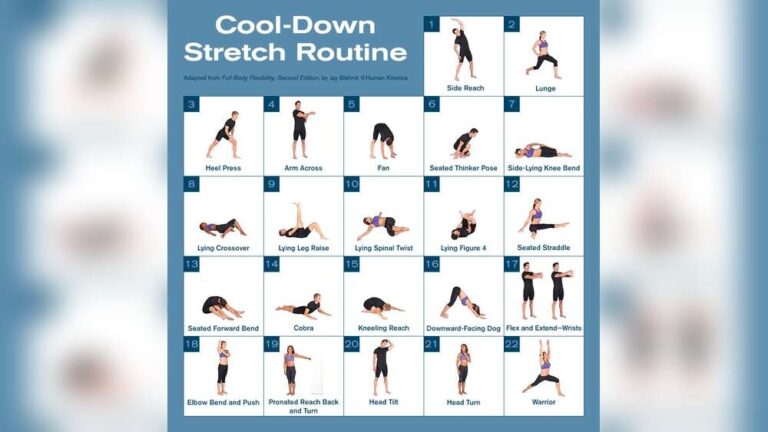
Stretching improves flexibility and reduces muscle tightness. Focus on gentle stretches for major muscle groups. Hold each stretch for 15 to 30 seconds without bouncing. Stretching before and after workouts helps prevent injuries.
Focus On Mobility
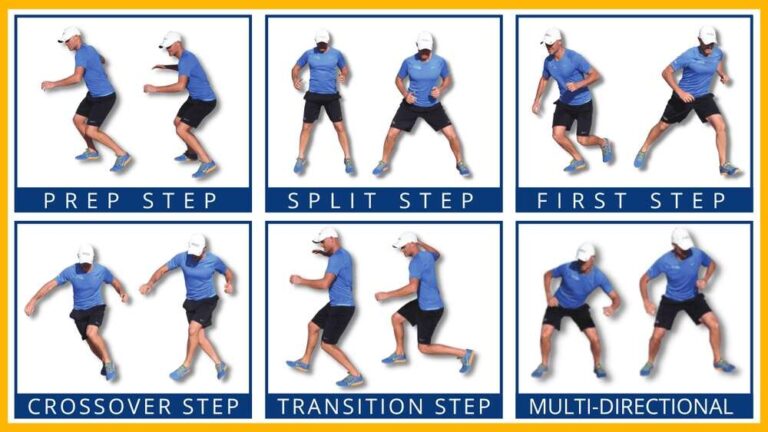
Mobility means moving your joints through their full range. Good mobility supports better movement and balance. Add exercises like leg swings, arm circles, and hip openers. Work on mobility regularly to keep joints healthy and strong.

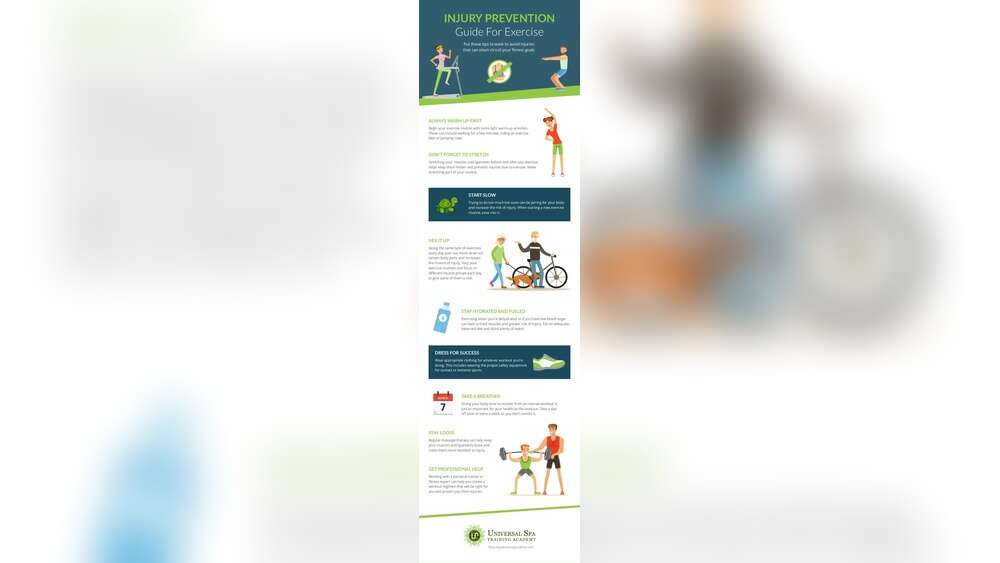
Credit: vidafitness.com
Choose The Right Exercises
Choosing the right exercises is key to starting fitness training safely. The exercises you pick affect how your body adapts and recovers. Right choices lower injury risks and build confidence.
Start with exercises that match your current fitness level. This helps your body get used to new movements without strain. Balance your workouts to include both strength and cardio. This approach supports overall health and reduces overuse injuries.
Pick Beginner-friendly Workouts
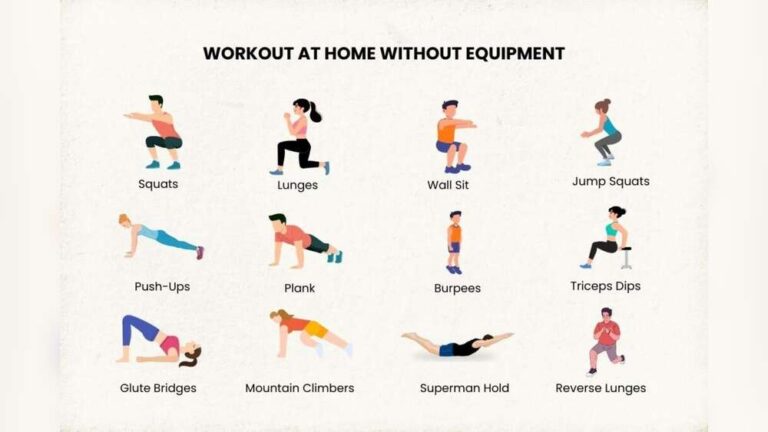
Choose workouts designed for beginners. These exercises have simpler movements and lower intensity. They teach proper form and control. This foundation protects your joints and muscles. Start with bodyweight exercises like squats, lunges, and push-ups. These help build basic strength safely.
Avoid High-impact Moves Initially
High-impact exercises stress joints and bones. Running or jumping may be too hard at first. These moves increase injury risk if your body is not ready. Focus on low-impact options like walking, swimming, or cycling. These keep you active without harsh impact. Gradually increase intensity as your fitness improves.
Incorporate Strength And Cardio
Combine strength training with cardio workouts. Strength exercises build muscle and protect joints. Cardio improves heart and lung health. A balanced routine prevents muscle imbalances. It also helps your body recover faster. Alternate days for strength and cardio for best results.
Use Proper Form
Using proper form in fitness training reduces injury risk. It helps your body move safely and efficiently. Proper form also improves workout results and builds strength correctly. Focus on technique before increasing weight or speed.
Learn Correct Techniques
Start with simple exercises to learn the right moves. Watch videos or read guides from trusted sources. Practice slowly to feel the correct muscle use. Avoid rushing through exercises. Correct technique protects joints and muscles from strain.
Seek Professional Guidance
A trainer can teach you safe and effective form. They spot mistakes you might miss alone. Trainers offer tips tailored to your body and goals. Personal guidance helps build confidence and avoids bad habits. Even a few sessions can make a big difference.
Use Mirrors Or Videos For Feedback
Mirrors show your body’s position during exercises. Check your form regularly to catch errors early. Recording yourself lets you review and improve technique. Compare your movements to expert demonstrations. Visual feedback helps you adjust and stay safe.
Manage Workout Intensity
Managing workout intensity is key to avoiding injuries in fitness training. It means controlling how hard and fast you train. This balance helps your body adapt and stay strong. Pushing too hard too soon can cause harm. Taking time to manage intensity keeps you safe and improves results.
Progress Gradually
Start with light exercises and low weights. Increase your workout strength and duration slowly. Small steps help your muscles and joints adjust. Avoid jumping to heavy workouts too fast. Gradual progress reduces the risk of strains and sprains.
Listen To Your Body
Pay attention to pain and discomfort. Sharp or lasting pain means stop and rest. Tired muscles need time to recover. Do not ignore warning signs. Your body knows when it needs a break.
Include Rest Days
Rest days give your body time to heal. Muscles grow stronger during rest, not exercise. Plan at least one or two rest days weekly. Avoid working the same muscle groups every day. Rest prevents overuse injuries and keeps you motivated.
Invest In Suitable Gear
Starting fitness training requires the right gear for safety and comfort. Good gear protects your body and helps you perform better. Choosing suitable equipment lowers the risk of injury. It supports your movements and keeps you comfortable.
Wear Supportive Footwear
Footwear is the base of your workout. Shoes with good support absorb shock and protect your feet. Pick shoes designed for your activity type. Running shoes differ from weightlifting shoes. Proper shoes prevent sprains and foot pain.
Use Appropriate Clothing
Wear clothes that fit well and allow movement. Breathable fabrics keep sweat away and reduce skin irritation. Avoid tight or heavy clothing that restricts your motion. Comfortable clothing helps you focus on training safely.
Consider Protective Equipment
Some exercises need extra protection. Use wrist guards, knee pads, or helmets if necessary. These items reduce the chance of serious injury. Protective gear supports joints and vulnerable areas during training.
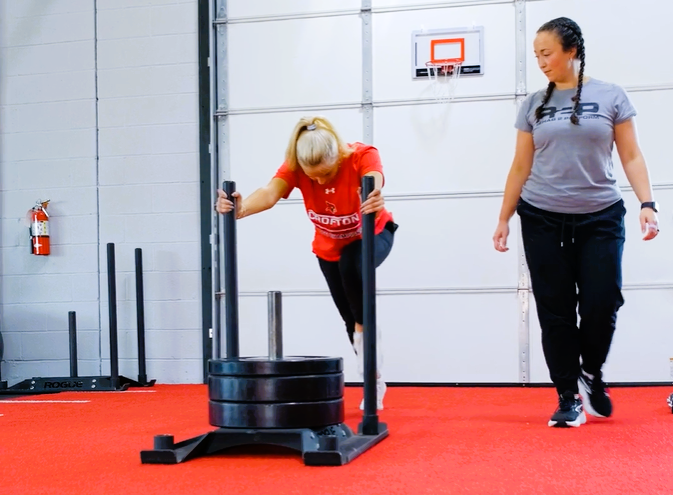
Credit: rehab2perform.com
Maintain Hydration And Nutrition
Starting fitness training requires care beyond just exercise routines. Maintaining proper hydration and nutrition plays a key role in avoiding injuries. The body needs water and fuel to perform well and recover quickly. Without these, muscles can cramp, energy levels drop, and the risk of injury rises.
Stay Hydrated During Workouts
Water supports muscle function and joint lubrication. Drink water before, during, and after exercise. Small sips often work better than large amounts at once. Avoid sugary or caffeinated drinks. These can dehydrate you instead of hydrating. Listen to your body’s thirst signals. Carry a water bottle during workouts to remind yourself to drink.
Fuel Your Body Properly
Your body needs energy from food to train safely. Eat balanced meals with carbohydrates, proteins, and healthy fats. Carbohydrates provide quick energy. Proteins help repair muscles after training. Healthy fats support overall health and endurance. Avoid heavy meals right before exercise. Eat a small snack if training early or late. Proper nutrition helps muscles stay strong and reduces injury risk.
Recognize And Address Pain
Recognizing and addressing pain is key to safe fitness training. Pain signals your body needs attention. Ignoring pain can lead to serious injury. Learning the difference between normal discomfort and harmful pain helps keep you safe. Acting early can protect your health and improve your training results.
Differentiate Between Discomfort And Injury
Discomfort is common during exercise. It feels like muscle tiredness or mild soreness. This type of pain usually fades after rest. Injury pain is sharp, sudden, or does not go away. It may cause swelling, bruising, or loss of movement. Knowing these signs helps you stop before damage grows. Always listen closely to your body’s messages.
Seek Medical Advice When Needed
Persistent or severe pain needs a doctor’s check. Professional advice ensures proper diagnosis and treatment. Early care prevents problems from worsening. Do not try to diagnose serious pain yourself. Health experts can guide safe recovery steps. Getting help fast supports a quicker return to training.
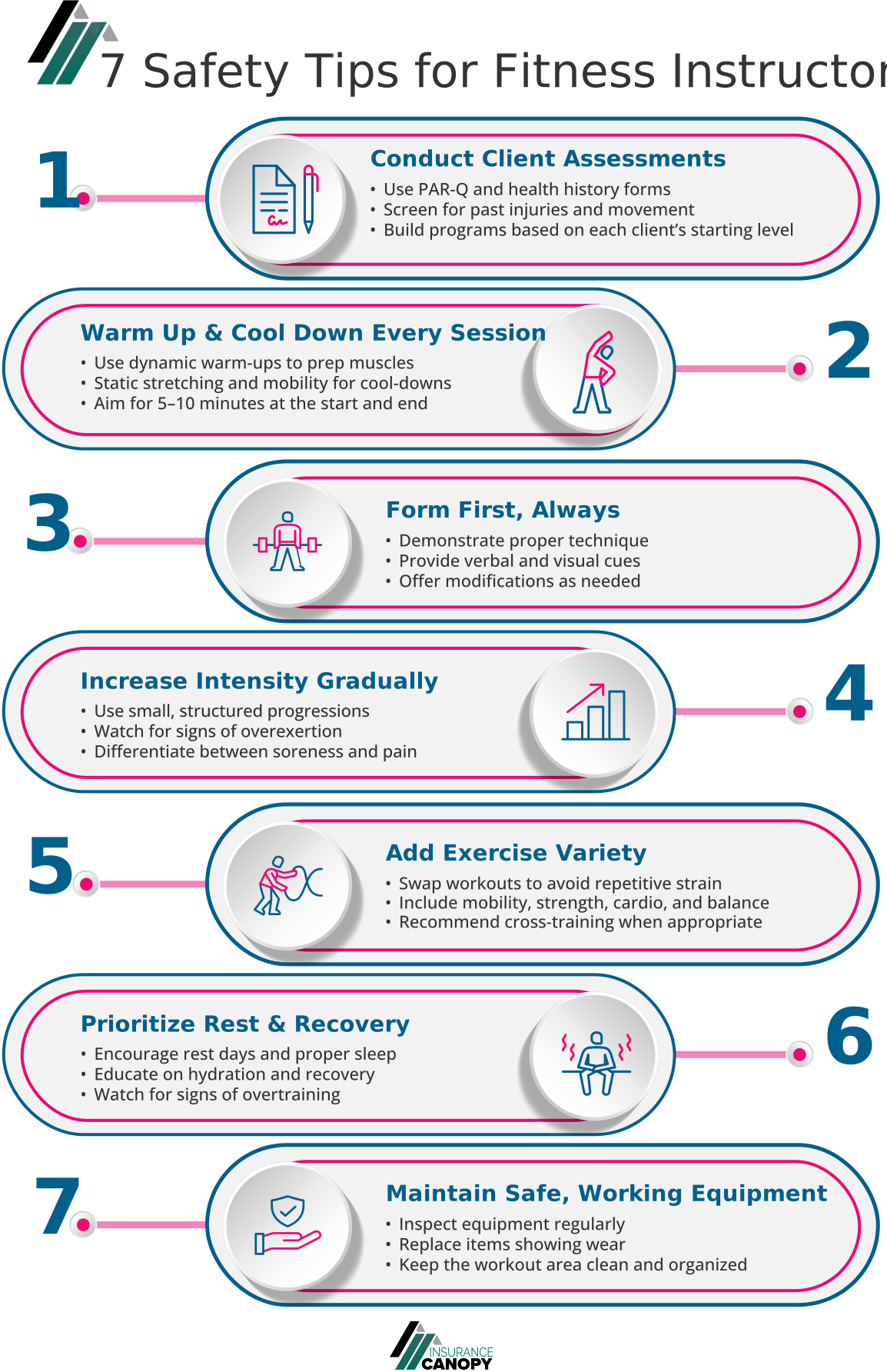
Credit: www.insurancecanopy.com
Frequently Asked Questions
How Can Beginners Avoid Injury In Fitness Training?
Start with proper warm-ups and stretching. Use correct form and lighter weights. Gradually increase intensity and rest well between sessions to prevent injuries.
What Are Common Fitness Training Injuries To Watch For?
Common injuries include strains, sprains, and tendonitis. These often result from poor technique, overtraining, or lack of rest. Early detection and care are key.
Why Is Proper Form Essential In Fitness Training?
Proper form reduces stress on joints and muscles. It prevents imbalances and injuries. Always learn correct techniques before increasing workout intensity.
How Important Is Rest In Preventing Fitness Injuries?
Rest allows muscles to recover and repair. Skipping rest increases injury risk and fatigue. Schedule rest days and listen to your body’s signals.
Conclusion
Starting fitness training safely helps protect your body from harm. Warm up before exercises to prepare muscles and joints. Use correct form to avoid strain and pain. Begin with light weights or low intensity to build strength slowly. Listen to your body; rest if you feel pain or tiredness.
Stay consistent but patient—progress takes time. These simple steps keep injury away and make training enjoyable. Stay safe, stay strong, and keep moving forward.

Brandon Knoxley is a sport & fitness writer and training guide contributor at MySportFitHub. He focuses on practical workouts, performance-based training, and honest fitness gear insights designed for real people and real results. Brandon is passionate about helping beginners and active individuals train smarter, avoid common mistakes, and build sustainable fitness habits.