How to Start Functional Training for Beginners: Ultimate Guide
Are you ready to boost your strength, improve your balance, and move better every day? Functional training is the perfect way to do just that.
It focuses on exercises that mimic real-life movements, making your body stronger and more flexible in ways that really matter. If you’re new to this style of workout, you might wonder where to begin or how to make sure you’re doing it right.
Don’t worry—this guide will walk you through easy steps to start functional training safely and effectively. By the end, you’ll have the confidence and knowledge to transform your fitness routine and feel the difference in your daily life. Keep reading to discover how simple it is to get started!
Benefits Of Functional Training
Functional training helps your body work better in daily life. It focuses on movements used every day. This type of training builds strength, balance, and coordination. It makes tasks easier and reduces strain on muscles and joints.
Starting functional training can improve your overall health. It suits all fitness levels and ages. The benefits go beyond the gym and help in real life.
Improved Daily Movement
Functional training improves how you move every day. It trains your body to handle common tasks. Lifting, bending, reaching, and twisting become easier. Your movements become smoother and more natural. This reduces tiredness and helps you stay active longer.
Enhanced Strength And Balance
This training builds strength in many muscles at once. It helps your body work as a team. Balance also improves, reducing the chance of falls. Strong muscles support your joints better. This makes your body more stable and powerful.
Injury Prevention
Functional training helps prevent injuries by strengthening weak areas. It improves posture and body alignment. Better control of movements lowers the risk of strains. Training with proper form protects muscles and joints. This keeps you safer during daily activities and sports.
Credit: compassbank.us
Essential Equipment For Beginners
Starting functional training requires some basic equipment. Choosing the right tools helps build strength and improve movement. Beginners do not need expensive gear. Simple items can create effective workouts at home or gym.
This section covers essential equipment for beginners. Each item supports different exercises and muscle groups. Use them to develop balance, flexibility, and power.
Bodyweight Basics
Bodyweight exercises use your own weight as resistance. No special equipment is needed. Squats, push-ups, and planks are great examples. These moves build strength and improve coordination. Perfect for beginners to practice control and form.
Resistance Bands
Resistance bands are light and portable. They add extra challenge to simple movements. Bands come in various tension levels. Use them for rows, presses, and leg lifts. They help activate muscles and improve stability. Great for home workouts or travel.
Dumbbells And Kettlebells
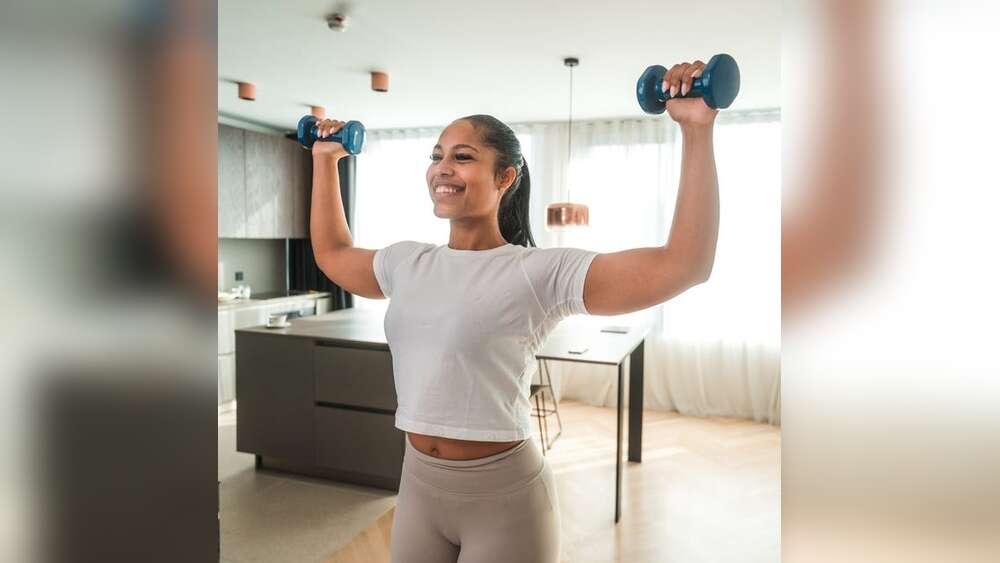
Dumbbells and kettlebells add weight to your training. Choose light weights to start. Use dumbbells for curls, presses, and rows. Kettlebells work well for swings and squats. Both improve strength, balance, and endurance. They enhance functional fitness skills safely.
Key Functional Exercises To Start
Starting functional training means focusing on exercises that improve everyday movements. These key exercises build strength, balance, and coordination. They help your body work better in daily tasks and sports.
Choose exercises that use multiple muscle groups. This approach trains your body as a whole. It also reduces injury risk and improves overall fitness.
Squats And Lunges
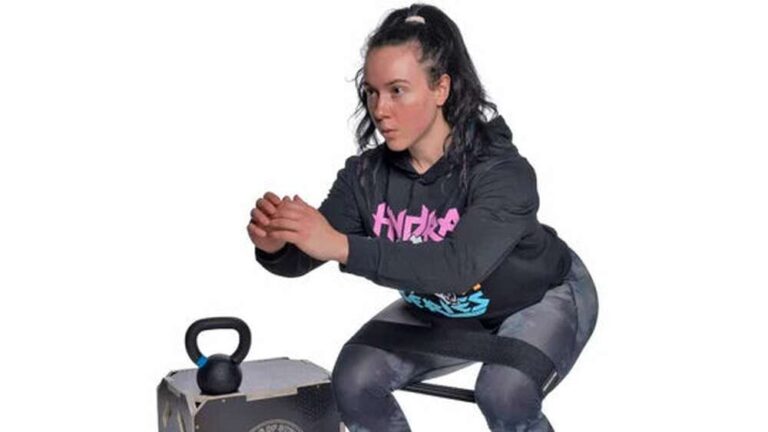
Squats and lunges strengthen your legs and hips. They mimic movements like sitting and climbing stairs. Squats work your thighs, hips, and buttocks. Lunges target your legs and help with balance. Both exercises improve your lower body strength and stability.
Push And Pull Movements
Push and pull exercises build upper body strength. Push movements include push-ups and bench presses. Pull movements involve rows and pull-ups. These exercises strengthen your chest, back, and arms. They also improve posture and functional strength for daily lifting or carrying.
Core Stability Drills
Core stability drills focus on your abs and lower back. A strong core supports your spine and improves balance. Planks, bridges, and bird-dogs are good examples. These exercises help with posture and reduce back pain. Core strength is essential for all functional movements.
Designing Your First Workout Plan
Designing your first functional training workout plan sets the foundation for your fitness journey. A well-structured plan helps you stay motivated and avoid injury. It focuses on improving strength, balance, and flexibility for daily activities.
Start with clear steps to build a routine that fits your needs and lifestyle. Pay attention to your body’s signals and progress over time.
Setting Realistic Goals
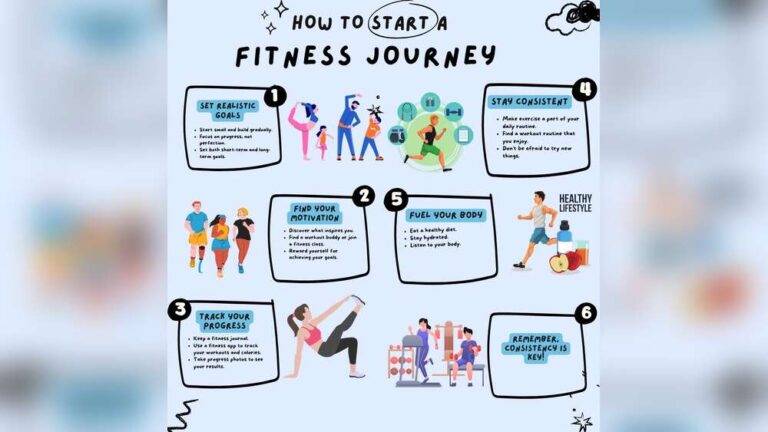
Choose goals that match your current fitness level. Avoid aiming too high too fast. Small, clear goals keep you motivated and prevent burnout. For example, aim to complete three workouts a week. Focus on improving basic movements like squats or push-ups. Celebrate each milestone to stay encouraged.
Balancing Intensity And Rest
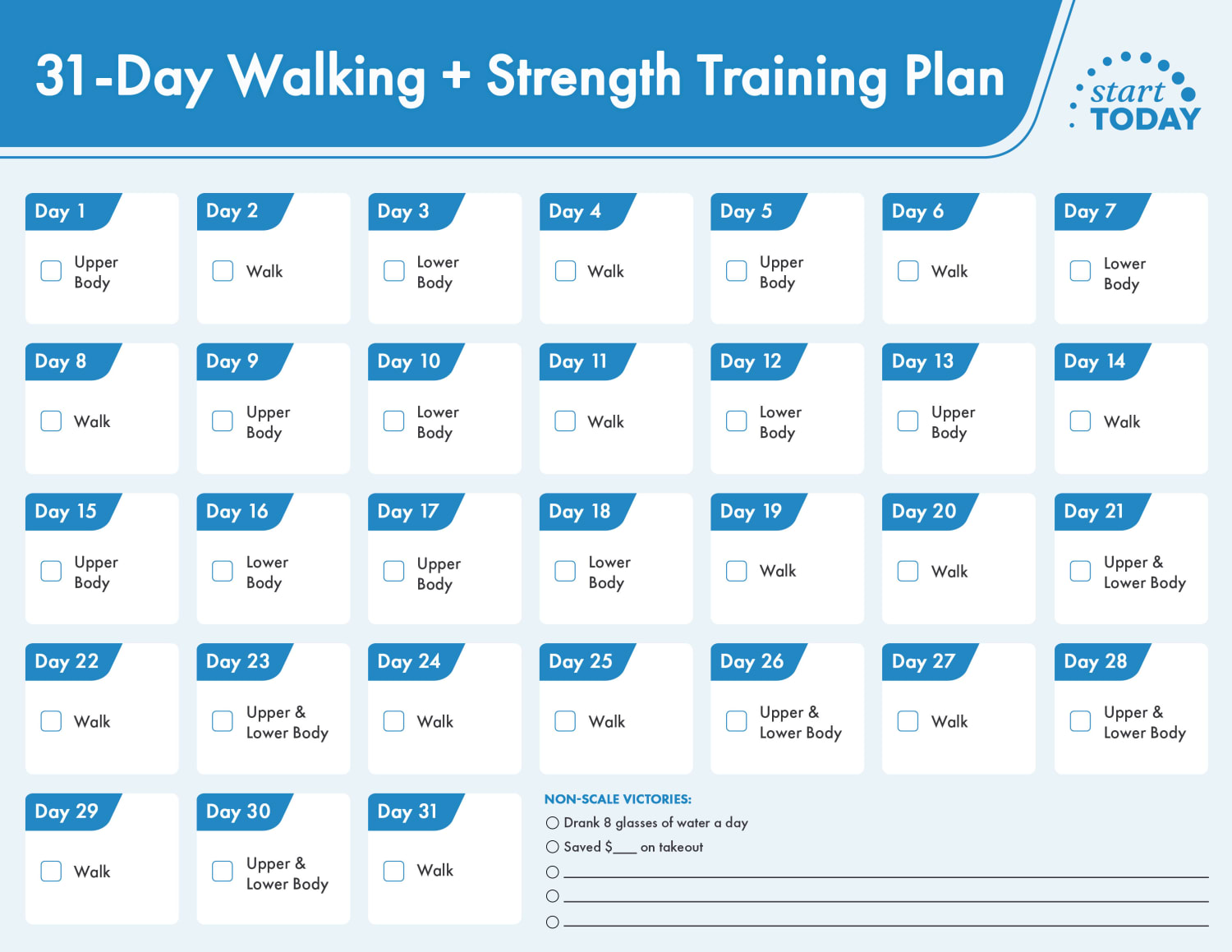
Mix challenging exercises with enough rest periods. Your muscles need time to recover and grow stronger. Start with low to moderate intensity to avoid fatigue. Include rest days between workout sessions. Listen to your body and adjust the effort level. Proper balance prevents injury and improves performance.
Tracking Progress
Keep a simple log of your workouts. Note exercises, sets, reps, and how you feel. Tracking helps you see improvements and stay focused. Review your progress every week or two. Adjust your plan based on your results and energy levels. Consistent tracking builds confidence and keeps you on track.
Common Mistakes To Avoid
Starting functional training can be exciting. Avoiding common mistakes helps you stay safe and get better results. Many beginners make errors that slow progress or cause injuries. Knowing what to watch for improves your workout experience. Here are key mistakes to avoid as you begin functional training.
Poor Form And Technique
Good form is the base of functional training. Poor technique leads to injuries and weak results. Focus on learning the correct way to move. Use mirrors or ask a trainer to check your posture. Start with light weights to practice form. Avoid rushing through exercises. Slow and steady wins the race.
Overtraining Risks
Training too much can hurt your body. Muscles need time to rest and grow. Overtraining causes fatigue and pain. Plan rest days in your workout schedule. Listen to your body’s signals. Stop if you feel sharp pain or extreme tiredness. Balance effort with recovery for best progress.
Ignoring Warm-up And Cool-down
Skipping warm-up and cool-down harms your performance. Warm-up prepares muscles and joints for exercise. Cool-down helps your body recover. Spend at least 5-10 minutes on each. Simple stretches and light movements work well. These steps reduce injury risk and muscle soreness. Never rush through these important parts.

Credit: www.thorfamilylaw.com
Tips For Staying Motivated
Staying motivated is key to keep functional training fun and effective. Without motivation, it is easy to stop or lose focus. Simple tips can help you stay on track and enjoy your workouts more. These ideas make training feel less like a chore and more like a part of your day.
Finding A Training Buddy
Training with a friend makes workouts more enjoyable. A buddy can encourage you to show up and push harder. You can share goals and celebrate progress together. Having someone to talk to keeps your mind positive. It also adds a little competition to improve faster.
Mixing Up Your Routine
Doing the same exercises every day gets boring fast. Changing your routine keeps your body guessing and growing. Try new moves or different workout styles. Use various equipment like kettlebells, bands, or medicine balls. This variety prevents boredom and helps you build overall strength.
Celebrating Small Wins
Recognize every improvement, no matter how small. Did you do one more rep? Hold a plank longer? Celebrate it! Small wins build confidence and keep you motivated. Tracking progress with notes or photos helps you see growth. Each success makes the next workout easier to start.
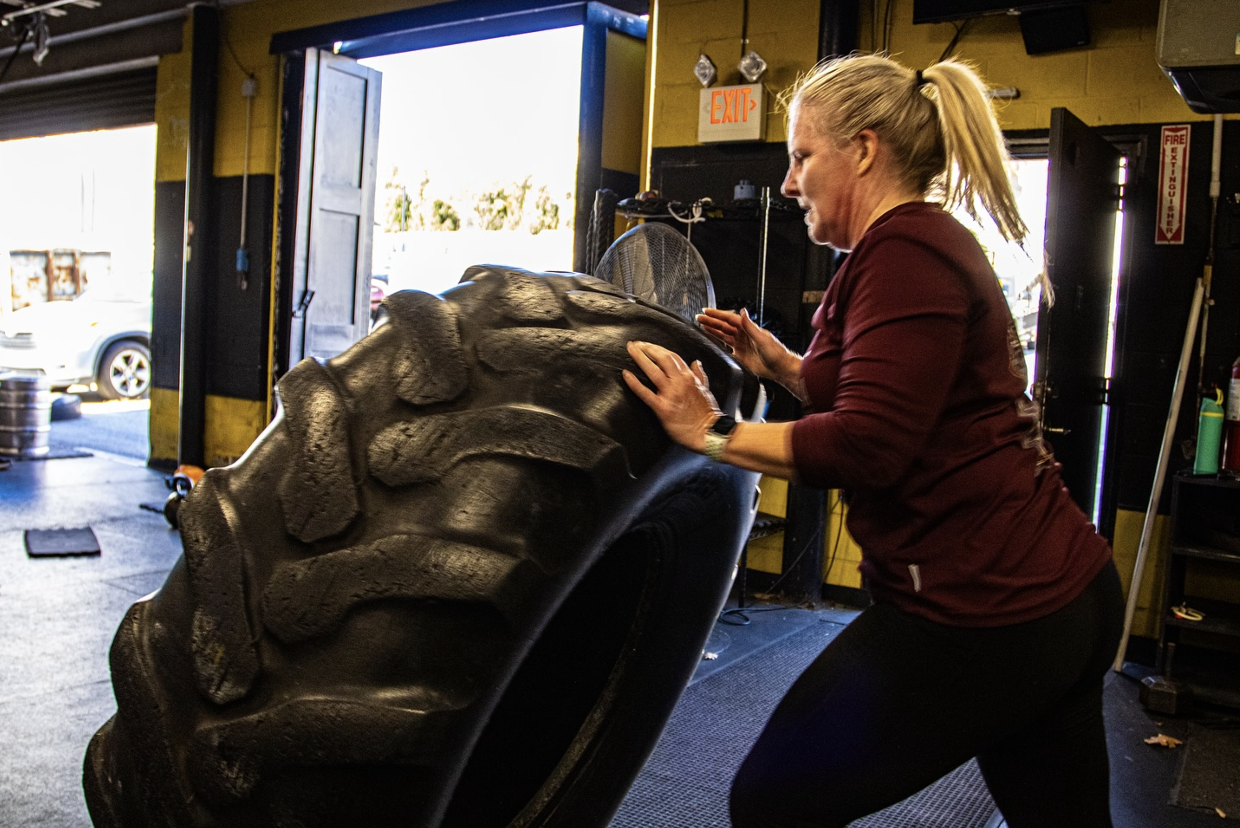
Credit: primeintensitytraining.com
Frequently Asked Questions
What Is Functional Training And Why Start It?
Functional training focuses on exercises that mimic daily movements. It improves strength, balance, and flexibility. Beginners benefit by enhancing overall fitness and reducing injury risk through practical, real-world exercises.
How Do Beginners Begin Functional Training Safely?
Start with basic bodyweight exercises like squats and lunges. Focus on proper form and controlled movements. Gradually increase intensity while listening to your body. Always warm up and cool down to prevent injuries.
What Equipment Is Needed For Beginner Functional Training?
Minimal equipment is required initially. Resistance bands, dumbbells, and stability balls enhance workouts but aren’t mandatory. Many functional exercises use bodyweight, making it accessible and cost-effective for beginners.
How Often Should Beginners Do Functional Training?
Aim for 2-3 sessions per week to build consistency and strength. Allow rest days between workouts for muscle recovery. Gradually increase frequency as fitness improves without overtraining.
Conclusion
Starting functional training can improve your daily movements and strength. Begin with simple exercises and focus on form. Consistency matters more than intensity in the beginning. Listen to your body and progress slowly. Use basic equipment like dumbbells or resistance bands.
Stay patient; results will come with time and effort. Enjoy the process and celebrate small wins. Functional training builds a strong foundation for overall fitness. Keep it fun and part of your routine. Your body will thank you for the care you give it.

Brandon Knoxley is a sport & fitness writer and training guide contributor at MySportFitHub. He focuses on practical workouts, performance-based training, and honest fitness gear insights designed for real people and real results. Brandon is passionate about helping beginners and active individuals train smarter, avoid common mistakes, and build sustainable fitness habits.