How to Build Upper Body Strength Sports: Ultimate Power Training Guide
Are you ready to take your sports performance to the next level? Building upper body strength is the key to gaining power, speed, and endurance in almost any sport you play.
Strong arms, shoulders, chest, and back muscles don’t just make you look better—they help you move faster, hit harder, and avoid injuries. You’ll discover simple, effective ways to build your upper body strength step-by-step. Whether you’re a beginner or looking to improve your current routine, these tips will help you unlock your full athletic potential.
Keep reading, and get ready to transform your game!

Credit: raineypainandperformance.com
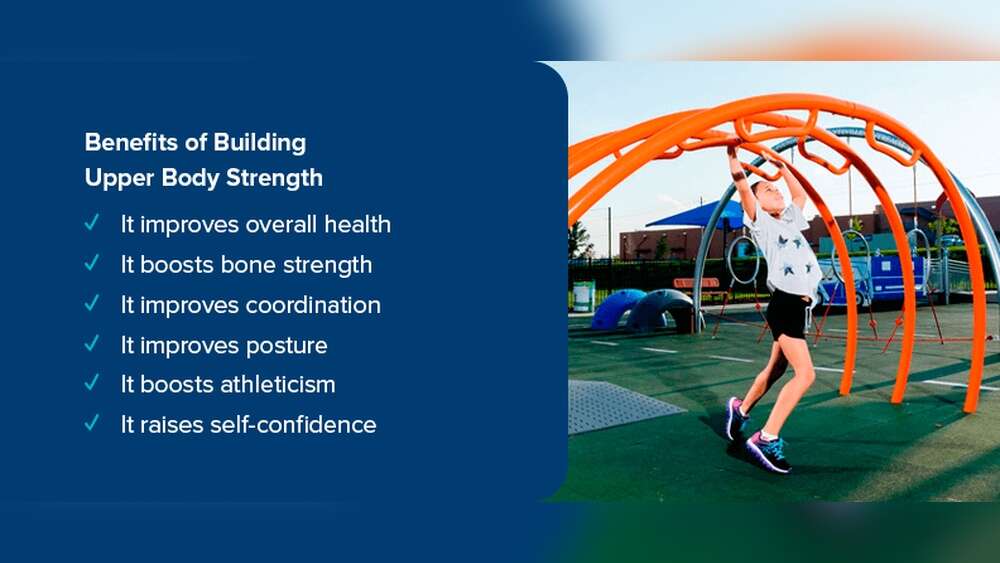
Benefits Of Upper Body Strength
Building upper body strength offers many benefits beyond just looking strong. It supports better movement in sports and daily tasks. Strong muscles in your arms, shoulders, chest, and back help you perform better and stay healthy. Developing this strength improves your overall fitness and quality of life.
Improved Athletic Performance
Strong upper body muscles boost your power and speed. Sports like swimming, tennis, and basketball need strong arms and shoulders. Better strength helps you throw, hit, and lift with more force. It also improves your endurance, letting you play longer without getting tired.
Injury Prevention
Upper body strength protects your joints and bones. Strong muscles support your shoulders and spine. This reduces the risk of strains and injuries during physical activity. It also helps balance your body, preventing falls and accidents.
Enhanced Daily Functionality
Everyday tasks become easier with strong upper body muscles. Carrying groceries, lifting boxes, and pushing objects require strength. Improved muscle power reduces fatigue and effort. This leads to more independence and better quality of life.
Key Muscles To Target
Building upper body strength requires focusing on specific muscles. Targeting the right muscle groups helps improve performance in sports and daily activities. Each muscle group plays a unique role in movement and power. Training them effectively leads to balanced strength and injury prevention.
Chest And Shoulders
The chest muscles, mainly the pectorals, are vital for pushing movements. Strong shoulders support arm lifts and overhead actions. Exercises like push-ups and shoulder presses build these areas well. Developing chest and shoulders boosts upper body power and stability.
Back And Lats
The back muscles, including the lats, control pulling movements. They help with posture and balance during sports. Rows and pull-ups are excellent for strengthening the back and lats. A strong back prevents injuries and improves overall upper body strength.
Arms And Forearms
Arms include the biceps and triceps, key for lifting and throwing. Forearms control grip strength, essential in many sports. Curls and tricep dips work the arms effectively. Wrist curls and farmer’s walks develop forearm endurance and power.
Core Stability
The core supports the upper body and aids in movement control. Strong core muscles improve balance and reduce injury risks. Planks and Russian twists target core stability well. A stable core enhances strength in all upper body exercises.
Effective Power Training Exercises
Building upper body strength requires focused power training exercises. These exercises target key muscle groups for strength and endurance. They improve performance in sports and daily activities. Effective power training combines different movement types to challenge muscles fully.
Push Movements
Push movements work the chest, shoulders, and triceps. Examples include bench presses and overhead presses. These exercises develop pressing power and muscle size. They enhance your ability to push objects or opponents in sports. Focus on controlled, explosive movements for best results.
Pull Movements
Pull movements target the back and biceps. Pull-ups, rows, and chin-ups are common examples. These exercises build pulling strength and improve posture. Pulling power helps in climbing, lifting, and grappling sports. Use a full range of motion to engage muscles properly.
Compound Lifts
Compound lifts work multiple muscle groups at once. Deadlifts, clean and press, and bench presses fit this category. They increase overall strength and coordination. These lifts mimic real-life movements, making them practical for athletes. Maintain proper form to avoid injury and maximize gains.
Bodyweight Variations
Bodyweight exercises use your own weight as resistance. Push-ups, dips, and inverted rows are effective examples. They improve strength, balance, and control. Bodyweight training suits all levels and requires little equipment. Increase difficulty by changing angles or adding reps.
Designing A Training Program
Designing a training program for upper body strength sports requires careful planning. A well-structured program helps you build muscle, improve endurance, and avoid injuries. It also keeps you motivated and focused on your goals. The program should fit your current fitness level and challenge you progressively.
Setting Goals And Tracking Progress
Start by setting clear, realistic goals. Decide what you want to achieve, like more strength or better endurance. Write down your goals to stay committed. Track your progress regularly by noting weights, reps, and sets. Use a training journal or app. Tracking helps you see improvements and adjust your program.
Balancing Volume And Intensity
Volume means the total work done in a session, like sets and reps. Intensity refers to how hard the work is, often linked to weight lifted. Balance both for steady progress. Too much volume can cause fatigue. Too much intensity may lead to injury. Change volume and intensity based on your recovery and goals.
Rest And Recovery Strategies
Rest days are vital for muscle growth and strength gains. Muscles need time to repair after workouts. Plan rest days between intense sessions. Use active recovery like light stretching or walking. Good sleep and proper nutrition also boost recovery. Avoid overtraining by listening to your body’s signals.
Nutrition For Strength Gains
Nutrition plays a key role in building upper body strength for sports. Eating the right foods helps muscles grow and recover. Proper nutrition fuels workouts and improves performance. Focus on balanced meals to support strength gains.
Protein And Macronutrients
Protein is essential for muscle repair and growth. Include sources like chicken, fish, beans, and eggs. Balance protein with carbohydrates for energy and fats for hormone health. Aim for a mix of macronutrients in every meal. This combination supports sustained strength improvements.
Hydration Tips
Water keeps muscles working well during exercise. Drink small amounts often throughout the day. Avoid sugary drinks that can drain energy. Proper hydration helps prevent cramps and improves recovery. Start hydration early before your workout begins.
Supplements For Performance
Supplements can support a strong diet but are not a must. Creatine and protein powders may boost muscle growth. Always choose trusted brands and follow recommended doses. Use supplements to complement, not replace, healthy eating habits.
Common Mistakes To Avoid
Building upper body strength takes time and care. Many athletes make simple mistakes. These errors slow progress and cause injuries. Avoid these common mistakes to stay safe and improve faster.
Overtraining Risks
Pushing your muscles too hard can cause harm. Overtraining leads to fatigue and weakens the immune system. Rest days are as important as workout days. Muscles need time to recover and grow stronger.
Neglecting Form
Using poor technique increases injury risk. Bad form wastes effort and slows strength gain. Focus on proper posture and movement. Quality matters more than lifting heavy weights.
Ignoring Mobility Work
Skipping stretching limits your range of motion. Tight muscles reduce performance and cause pain. Include mobility exercises to stay flexible. This helps prevent injuries and improves strength.
Advanced Training Techniques
Advanced training techniques help push your upper body strength beyond basic limits. These methods challenge muscles in new ways, encouraging growth and power. They focus on speed, control, and strategic planning to improve performance. Using these techniques regularly will create stronger, more resilient muscles.
Plyometrics And Explosive Movements
Plyometrics involve quick, powerful movements to boost muscle speed and strength. Exercises like clap push-ups and medicine ball throws train muscles to contract fast. This explosive power helps improve sports performance and upper body strength. It also enhances coordination and reaction time.
Isometric Holds
Isometric holds mean holding a position without moving. Examples include plank holds and wall sits for the upper body. These exercises build strength by keeping muscles under tension. They improve muscle endurance and joint stability. Holding positions for longer times increases muscle control.
Periodization Approaches
Periodization means planning workouts in cycles to avoid burnout. It changes workout intensity, volume, and exercises over time. This approach helps muscles recover and grow stronger. It keeps training fresh and prevents plateaus. Following a periodized plan leads to steady upper body strength gains.

Credit: championptandperformance.com
Tracking And Measuring Strength
Tracking and measuring strength is key to improving your upper body in sports. It helps you see progress and know what to change in your training. Without tracking, you might miss how much you have improved or where you need work.
Measuring strength shows your true gains. It keeps you motivated and focused. Tracking also helps prevent injury by avoiding too much strain.
Testing Max Lifts
Max lifts test your strongest effort in exercises like bench press or pull-ups. They show the heaviest weight you can lift once with good form. Testing max lifts gives a clear number to track over time.
Perform max lifts safely. Warm up well before trying your heaviest lift. Use a spotter or safety gear to avoid injury. Record your max lift weight to compare later.
Using Performance Metrics
Performance metrics include reps, sets, and rest time. Tracking these helps measure endurance and strength gains. For example, lifting the same weight for more reps means you are stronger.
Keep a training log with details of your workouts. Write down weights, reps, and how you felt. This data helps spot patterns and improvements.
Adjusting Training Based On Results
Use your tracked data to change your workouts. If max lifts stall, try new exercises or increase rest. If reps increase, raise the weight to challenge muscles.
Adjusting your training keeps your muscles growing. It also stops plateaus in strength. Stay flexible and listen to your body’s feedback.

Credit: www.youtube.com
Frequently Asked Questions
What Are The Best Exercises For Upper Body Strength Sports?
Effective exercises include push-ups, pull-ups, bench presses, and overhead presses. These target chest, back, shoulders, and arms. Incorporate compound movements for overall strength. Use progressive overload to improve continuously. Consistency and proper form are key to building upper body strength.
How Often Should I Train Upper Body For Sports?
Train your upper body 2-3 times per week. Allow at least 48 hours for muscle recovery. Balance intensity and rest to prevent injury. Focus on different muscle groups each session for optimal growth. Consistency over time yields the best results.
Can Bodyweight Exercises Build Significant Upper Body Strength?
Yes, bodyweight exercises like push-ups and pull-ups build strength effectively. They improve muscle endurance and functional fitness. Adjust difficulty by changing reps, sets, or variations. Bodyweight training is accessible and ideal for beginners and advanced athletes alike.
What Role Does Nutrition Play In Building Upper Body Strength?
Nutrition provides the fuel and building blocks for muscle growth. Consume adequate protein to repair and build muscle tissue. Stay hydrated and eat balanced meals with carbs and fats. Proper nutrition enhances workout performance and speeds recovery.
Conclusion
Building upper body strength takes time and steady effort. Focus on key exercises like push-ups, pull-ups, and weight training. Rest and good nutrition help muscles grow strong. Track your progress to stay motivated and adjust your routine. Consistency beats quick fixes every time.
Stay patient and keep pushing your limits safely. Stronger upper body improves sports performance and daily activities. Start today, and enjoy the benefits tomorrow.

Brandon Knoxley is a sport & fitness writer and training guide contributor at MySportFitHub. He focuses on practical workouts, performance-based training, and honest fitness gear insights designed for real people and real results. Brandon is passionate about helping beginners and active individuals train smarter, avoid common mistakes, and build sustainable fitness habits.