How to Exercise Correctly at Home Beginners: Ultimate Step-by-Step Guide
Are you ready to start exercising at home but unsure where to begin? You’re not alone.
Many beginners struggle with how to exercise correctly without a trainer watching over them. The good news is, with the right approach, you can build a safe and effective workout routine that fits your space and schedule. You’ll discover simple tips and easy-to-follow steps that will help you move confidently and avoid common mistakes.
Keep reading to unlock the secrets of exercising correctly at home—and see real results without risking injury.
Setting Up Your Home Workout Space
Setting up a home workout space is the first step to exercising correctly. A good space helps you stay motivated and focused. It also keeps you safe and comfortable during workouts. Creating a dedicated area encourages regular exercise habits. This section explains how to choose the right spot, what equipment to get, and safety tips.
Choosing The Right Area
Pick a quiet place with enough room to move freely. Avoid clutter and distractions. Good lighting helps you see clearly and feel energized. A flat, stable floor is best for balance and support. Near a window or fan is ideal for fresh air. Choose a space where you can keep your equipment organized.
Essential Equipment For Beginners
Start with simple gear like a yoga mat for comfort. Resistance bands offer many exercise options and are easy to store. A pair of light dumbbells helps build strength. A stability ball can improve balance and core muscles. Keep a water bottle nearby to stay hydrated. These basics allow a variety of workouts without much cost.
Safety Tips For Home Exercise
Clear the workout area of any obstacles or sharp items. Wear proper shoes for support and grip. Warm up before starting exercises to avoid injury. Use slow, controlled movements to maintain balance. Stop immediately if you feel pain or dizziness. Keep a phone close in case of emergencies.

Credit: www.icecreamfactoryny.com
Preparing Your Body For Exercise
Preparing your body for exercise is key to avoid injuries and improve performance. It helps your muscles get ready and your heart to beat faster. Starting with proper preparation makes your workout safer and more effective.
Warm-up Routines
Warm-up routines increase your body temperature and blood flow. Begin with light activities like marching in place or gentle jogging. Spend about 5 to 10 minutes warming up to loosen your muscles. This reduces stiffness and prepares your joints for movement.
Stretching Techniques
Stretching helps improve flexibility and reduces muscle tension. Use slow, gentle stretches targeting major muscle groups. Hold each stretch for 15 to 30 seconds without bouncing. Focus on areas you plan to use during exercise, such as legs, arms, and back.
Breathing Basics
Good breathing supports your energy and focus during workouts. Breathe deeply through your nose and out through your mouth. Keep a steady rhythm to supply your muscles with enough oxygen. Avoid holding your breath, as it can cause dizziness or fatigue.
Beginner-friendly Exercises
Starting to exercise at home can feel hard. Beginner-friendly exercises help you build strength and confidence. These workouts use simple moves that need no special tools. You can do them in small spaces. They focus on improving your fitness step by step.
Bodyweight Movements
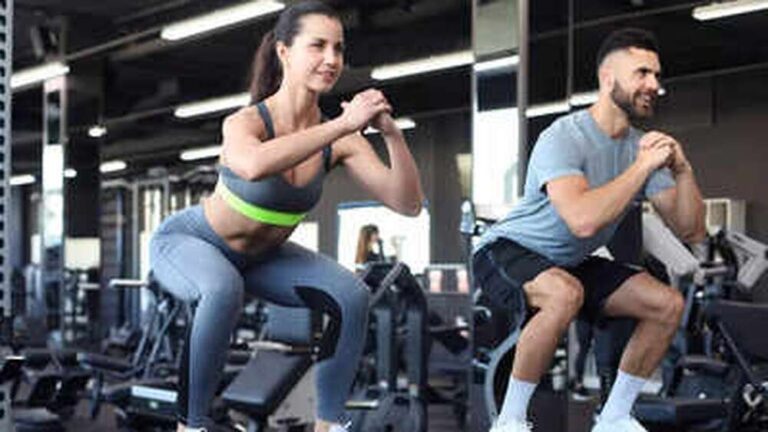
Bodyweight exercises use your own weight as resistance. They improve strength and balance. Try squats, push-ups, and lunges. Squats build leg muscles. Push-ups strengthen the chest and arms. Lunges help with coordination and leg power. These moves are easy to adjust for your level.
Simple Cardio Options
Cardio exercises raise your heart rate. They help burn calories and boost energy. Start with marching in place or jumping jacks. Walking around the room works well too. These activities are low-impact and safe. You can increase time as you get fitter.
Basic Strength Training
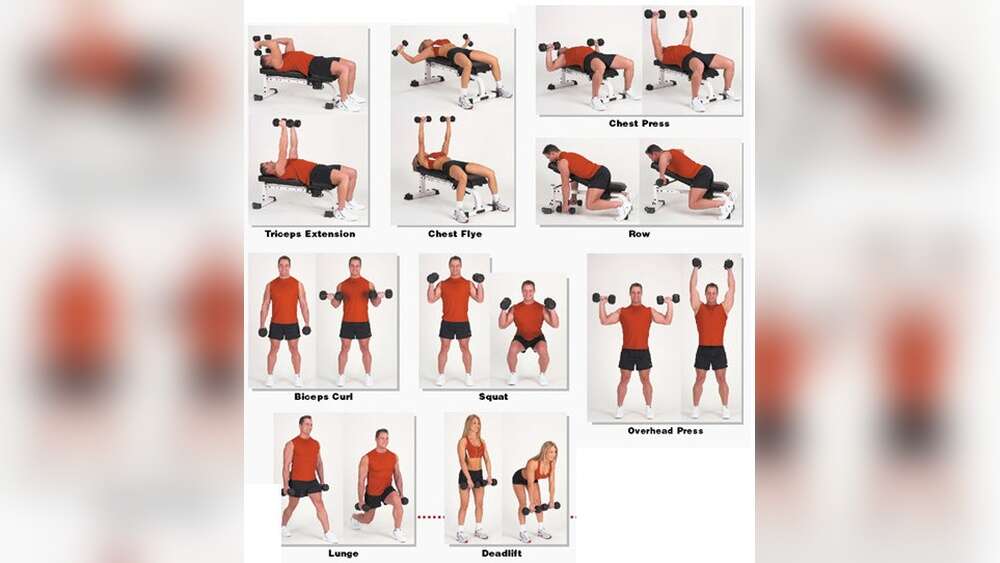
Strength training builds muscle and tones your body. Use light weights or household items like water bottles. Try bicep curls, shoulder presses, and tricep dips. These exercises target different muscle groups. Start with few repetitions, then add more over time. Consistency is key for progress.
Credit: www.spec-school.org
Creating A Balanced Workout Plan
Creating a balanced workout plan is key to exercising well at home. It helps your body grow stronger without causing injury. A good plan mixes different activities. This keeps workouts interesting and complete. You work on strength, flexibility, and endurance all at once. Balance also means knowing how often to exercise and when to rest. This section guides you on setting goals, scheduling workouts, and taking rest days.
Setting Realistic Goals
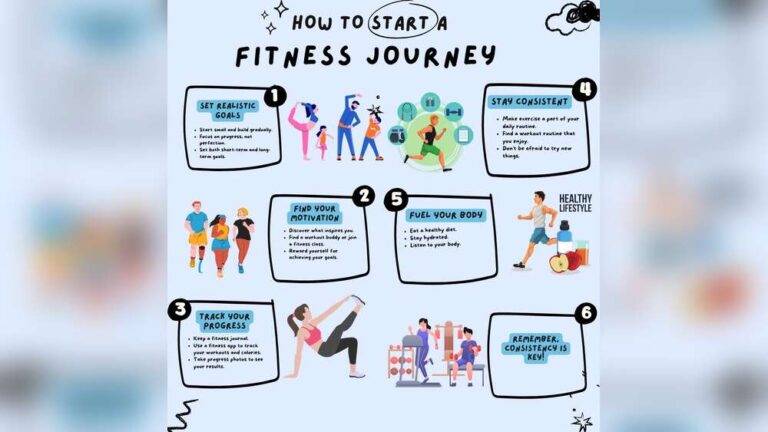
Start with clear and simple goals. Think about what you want to achieve. Maybe it is to get stronger or feel more energetic. Set small steps that you can reach easily. This keeps you motivated. Avoid setting goals that are too hard. It can lead to frustration or giving up. Write down your goals and check your progress often. Change goals as you improve.
Scheduling Your Sessions
Plan your workout days and times. Choose moments that fit your daily routine. Consistency is important. Exercise at the same time each day if possible. Keep sessions short but effective. Around 20 to 30 minutes is good for beginners. Use a calendar or app to remind you. Treat workouts like important appointments. This helps build a lasting habit.
Incorporating Rest Days
Rest days are just as important as workout days. Your muscles need time to recover and grow. Without rest, you risk injury and tiredness. Plan at least one or two rest days each week. On rest days, you can do light activities like walking or stretching. Listen to your body. If you feel very tired, take an extra rest day. Rest helps keep you healthy and ready for the next workout.
Maintaining Proper Form
Maintaining proper form during home workouts is key to avoiding injuries and getting the best results. Good form helps your muscles work correctly. It also reduces stress on joints and ligaments. Beginners often struggle with this part. That is why focusing on form is important right from the start.
Common Mistakes To Avoid
Many beginners bend their backs too much during exercises. This puts pressure on the spine. Another common mistake is locking the knees in place. It can cause joint pain. Holding your breath is also wrong. Breathe smoothly to keep your body steady. Avoid fast, jerky movements. They can lead to muscle strain.
Tips For Correct Posture
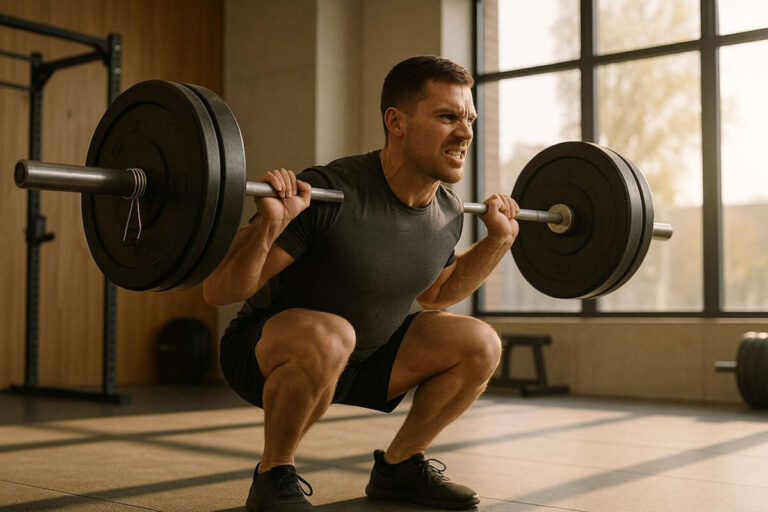
Stand tall with shoulders back and chest open. Keep your core tight like you are bracing for a light punch. Feet should be hip-width apart for balance. When lifting weights, avoid leaning forward. Keep your neck neutral, not looking up or down. For squats, push your hips back and keep knees behind toes. These simple tips protect your body and improve results.
Using Mirrors And Videos
Mirrors help check your form in real time. Watch your body closely for any misalignment. Use your phone to record exercises. Play back videos slowly to spot errors. This helps improve your technique over time. Seeing yourself move builds awareness and confidence. It also makes your workouts safer and more effective.

Credit: www.marsu.edu.ph
Tracking Progress And Staying Motivated
Tracking progress and staying motivated are key to success in home workouts. Keeping a record shows improvement over time. It helps maintain focus and drive. Motivation often fades without visible results. Tracking keeps you accountable and encourages regular exercise.
Logging Your Workouts
Write down each workout session. Note exercises, sets, and reps completed. Track the time spent on each activity. Use a notebook or a simple app. This habit helps spot patterns and progress. It also highlights areas needing improvement.
Celebrating Small Wins
Recognize every achievement, no matter how small. Completing a full workout counts. Increasing reps or weight matters. These small wins build confidence. They make exercise feel rewarding and fun. Celebrate by sharing with friends or treating yourself.
Staying Consistent
Consistency beats intensity for beginners. Set a workout schedule and stick to it. Even short sessions are valuable. Make exercise a daily habit. Consistency helps form lasting routines. It leads to steady progress over time.
Adapting Workouts As You Improve
Adapting workouts as you improve is key to steady progress. Your body gets stronger, so your exercises need to change. Keeping workouts challenging helps avoid boredom and plateaus. Small changes can make a big difference over time. Pay attention to how your body responds.
Increasing Intensity Safely
Start by adding more repetitions or sets. Increase the weight or resistance slowly. Speed up the pace, but keep control. Avoid jumping into hard exercises too fast. Give your muscles time to adjust. Always warm up before raising intensity. Safety prevents injuries and keeps you moving.
Adding New Exercises
Try new moves to target different muscles. Use simple equipment like bands or weights. Mix cardio with strength for balance. Change your routine every few weeks. New exercises keep workouts fresh and fun. Learn the correct form before increasing difficulty. Variety helps your body grow stronger.
Listening To Your Body
Notice how your body feels during exercise. Stop if you feel sharp pain or dizziness. Rest if you feel very tired or sore. Adjust your workout based on energy levels. Recovery days help your muscles heal. Stay hydrated and eat well for better results. Respect your limits to avoid setbacks.
Frequently Asked Questions
How Do Beginners Start Exercising At Home Safely?
Beginners should start with light exercises and proper warm-ups. Focus on correct form and avoid overexertion. Use simple equipment and gradually increase intensity. Always listen to your body and rest when needed to prevent injuries.
What Are The Best Exercises For Home Beginners?
Bodyweight exercises like squats, push-ups, and lunges are ideal. These require no equipment and build strength effectively. Combine with stretching and light cardio for balanced fitness. Consistency is key for progress and injury prevention.
How Often Should Beginners Exercise At Home Weekly?
Start with 3 to 4 days per week to build routine. Allow rest days for muscle recovery and avoid burnout. Gradually increase frequency as fitness improves. Aim for 30-minute sessions focusing on varied muscle groups.
How Can Beginners Avoid Injuries While Exercising At Home?
Warm up properly before workouts and cool down after. Maintain proper posture and use controlled movements. Avoid pushing through pain and take breaks when needed. Use clear workout space to prevent accidents.
Conclusion
Exercising at home can be simple and effective. Start slow and focus on good form. Use space and tools you have around. Keep a regular routine for best results. Listen to your body and rest when needed. Stay patient; progress takes time.
Enjoy moving your body and feeling stronger. Small steps lead to big changes. Keep going, and you will improve.

Brandon Knoxley is a sport & fitness writer and training guide contributor at MySportFitHub. He focuses on practical workouts, performance-based training, and honest fitness gear insights designed for real people and real results. Brandon is passionate about helping beginners and active individuals train smarter, avoid common mistakes, and build sustainable fitness habits.