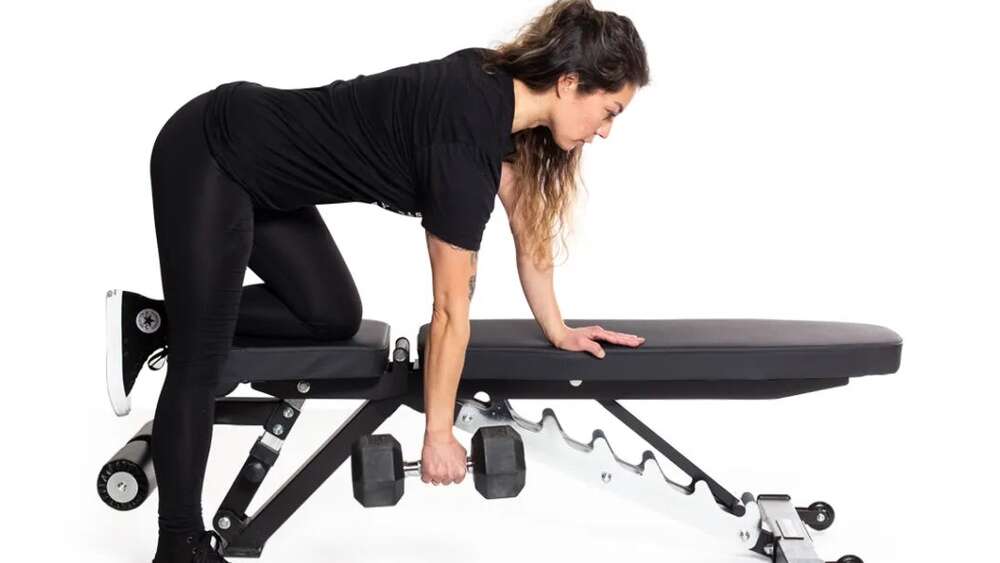
How to Choose Beginner Friendly Workouts: Easy Tips for Success
Starting a new workout routine can feel overwhelming. You might wonder which exercises are right for you, how hard they should be, or if you’ll even enjoy them.
Choosing beginner-friendly workouts is the key to building confidence and staying motivated. In this guide, you’ll discover simple ways to pick exercises that match your fitness level and goals. By the end, you’ll feel ready and excited to move your body—without fear or confusion.
Let’s dive in and find the perfect workouts that make you look forward to every session!
Set Realistic Goals
Setting realistic goals is key to staying motivated and avoiding frustration in your fitness journey. Goals help you track progress and keep focus. Choose targets that match your current ability. This approach builds confidence and encourages steady improvement.
Identify Your Fitness Level
Start by understanding your current fitness state. Consider how active you are daily. Note any health issues or past injuries. Check your endurance, strength, and flexibility. This helps pick workouts that suit your body. Avoid exercises that feel too hard or cause pain.
Choose Achievable Targets
Set small, clear goals you can reach soon. For example, walking 10 minutes without stopping. Or doing five push-ups with good form. These wins build your strength and motivation. Gradually increase difficulty as your fitness grows. Keep goals simple, clear, and focused on effort, not speed.
Pick Enjoyable Activities
Choosing workouts you enjoy helps you stay active and motivated. Exercise feels less like a chore and more like fun. This keeps you coming back, building a healthy habit over time.
Explore Different Workout Types
Try various exercises to find what suits you best. Walking, swimming, dancing, or yoga each offer unique benefits. Some workouts focus on strength, others on flexibility or endurance. Mixing activities keeps things fresh and exciting.
Consider Your Interests
Think about what you like outside the gym. Love music? Try dance workouts. Enjoy nature? Choose hiking or jogging outdoors. Picking activities you like makes exercise feel natural and easy. This leads to better results and more fun.
Start With Low Impact Exercises
Starting with low impact exercises makes workouts easier and safer for beginners. These exercises reduce stress on joints and muscles. They help build strength and endurance gently. Low impact workouts also lower the risk of injury. This approach supports steady progress without overwhelming the body.
Benefits Of Low Impact Workouts
Low impact workouts improve fitness without harsh movements. They boost heart health and circulation safely. These exercises help improve balance and flexibility. They reduce joint pain and stiffness over time. Low impact workouts support weight loss steadily. They increase energy levels and improve mood. Beginners can enjoy exercise without fear of pain.
Examples For Beginners
Walking is a simple, effective low impact exercise. Swimming works the whole body gently. Cycling on a stationary bike protects the knees. Yoga improves strength, balance, and breathing. Pilates focuses on core strength with controlled moves. Using an elliptical machine offers smooth cardio workouts. These options build confidence and fitness safely.
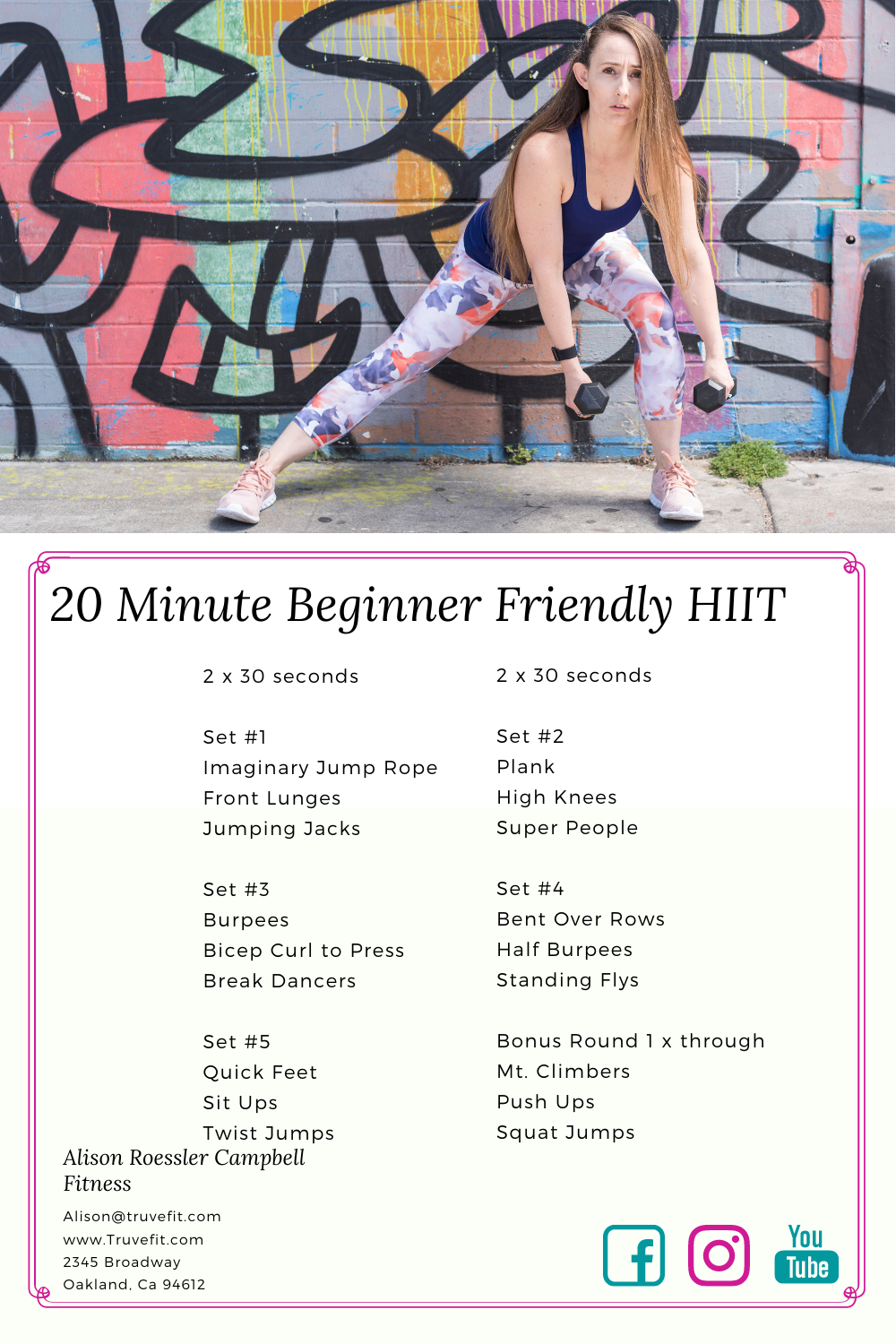
Credit: www.truvefit.com
Focus On Proper Form
Focusing on proper form is key when starting any workout routine. Good form helps your body move correctly. It makes exercises safer and more effective. Beginners should learn the right way to do each move. This helps build strength without causing harm. Proper form also improves balance and posture. It makes workouts feel easier over time.
Avoid Injuries
Using proper form lowers the chance of injury. Poor form puts stress on muscles and joints. This can cause pain or long-term damage. Beginners must take time to learn the right technique. Start with slow, controlled movements. Stop if you feel sharp pain. Correct form helps your body work as it should. It protects your muscles and bones while exercising.
Use Online Resources
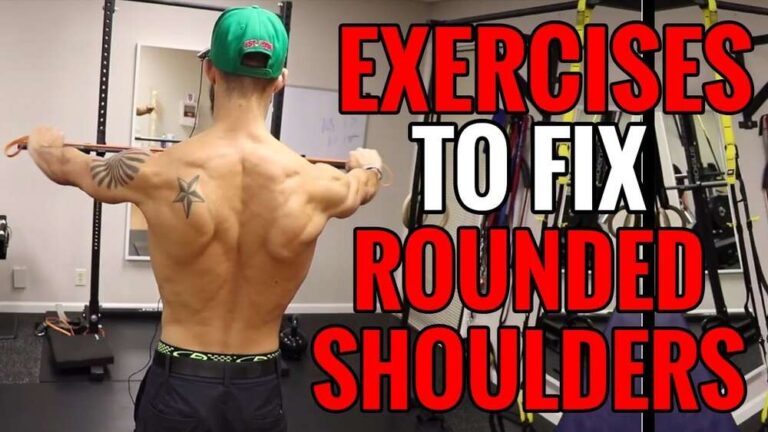
Online videos and tutorials show how to do exercises properly. Choose videos made by fitness experts. Watch closely to see the correct posture and movement. Follow along slowly and pause if needed. Some apps offer step-by-step guides for beginners. Use these tools to check your form at home. Practicing with good guidance builds confidence and safety.
Create A Consistent Schedule
Creating a consistent workout schedule helps beginners stay on track and build good habits. Regular workouts improve fitness and boost energy. Consistency also reduces the chance of injury by allowing your body to adapt slowly. Making a clear plan keeps workouts manageable and less stressful.
Set Time For Workouts
Choose specific times for your workouts each week. Pick times that fit your daily routine. Morning or evening slots work well for many people. Mark these times on your calendar or phone. Treat workout times like important appointments. This helps you avoid skipping sessions.
Balance Rest And Activity
Rest days are as important as workout days. Your muscles need time to recover and grow stronger. Plan rest days between workout sessions. Light activities like walking or stretching help keep you moving. Avoid working the same muscle groups two days in a row. This balance prevents burnout and injury.
Credit: marchedescapucins.com
Track Your Progress
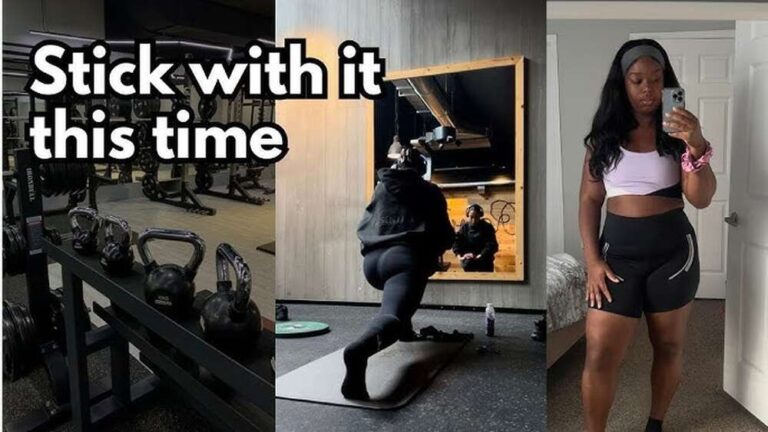
Tracking your progress is key to staying motivated with beginner workouts. It shows how far you’ve come and helps set new goals. Watching small improvements builds confidence and keeps you moving forward.
Use Fitness Apps
Fitness apps help record your workouts easily. They track time, reps, and calories burned. Many apps offer reminders to keep you consistent. Some include videos to guide your exercises. Choose one that feels simple and fits your needs.
Celebrate Small Wins
Every step forward is worth celebrating. Completing your first workout or adding more reps counts. These small wins boost your mood and push you to try harder. Reward yourself with rest days or a favorite healthy snack. Recognizing progress makes exercise more fun and less like a chore.
Seek Support And Guidance
Starting a new workout plan can feel tough. Support and guidance make the journey easier. They help you stay motivated and avoid mistakes. Finding the right help improves your confidence and results. You do not need to go alone. Many options exist to help beginners.
Join Beginner Groups
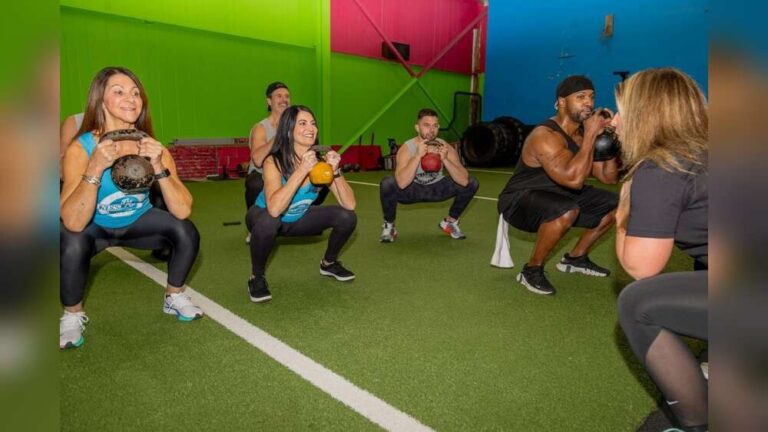
Joining a beginner group connects you with others like you. These groups offer a friendly and safe space. You learn from shared experiences and tips. Group workouts keep you motivated and accountable. The sense of community helps reduce fear and doubt. Beginners often find support that fits their pace and needs.
Consider Professional Help
Professional trainers guide you with correct form and technique. They create plans tailored to your goals and limits. Trainers teach you how to avoid injuries. They answer your questions clearly and simply. Working with a pro speeds up progress and builds confidence. This guidance ensures your workout is both safe and effective.

Credit: www.youtube.com
Frequently Asked Questions
What Are The Best Beginner Friendly Workouts For Beginners?
Beginner friendly workouts include walking, bodyweight exercises, yoga, and light strength training. These exercises build strength and endurance safely. They are low-impact and easy to follow, making them ideal for new exercisers. Starting with these helps avoid injury and promotes consistency.
How Often Should Beginners Exercise Weekly?
Beginners should aim for 3 to 4 workout sessions per week. This frequency allows recovery and gradual progress. Consistency matters more than intensity at this stage. Short sessions of 20-30 minutes are effective and manageable for new exercisers.
How Can Beginners Avoid Injury During Workouts?
To avoid injury, beginners should warm up properly before exercising. Focus on proper form and start with low intensity. Gradually increase workout difficulty and listen to your body. Rest days are essential for recovery and injury prevention.
What Equipment Do Beginners Need For Workouts?
Most beginner workouts require minimal equipment like a yoga mat, resistance bands, or light dumbbells. Bodyweight exercises need no equipment at all. Starting simple reduces cost and complexity, making workouts more accessible and less intimidating.
Conclusion
Choosing beginner-friendly workouts helps build confidence and avoid injury. Start slow and pick exercises you enjoy doing. Consistency matters more than intensity at the beginning. Listen to your body and rest when needed. Setting small goals keeps motivation high and progress steady.
Remember, every expert was once a beginner too. Keep moving forward, and fitness will become part of your life. Simple steps lead to lasting habits and better health. Stay patient and enjoy the journey toward a stronger you.

Brandon Knoxley is a sport & fitness writer and training guide contributor at MySportFitHub. He focuses on practical workouts, performance-based training, and honest fitness gear insights designed for real people and real results. Brandon is passionate about helping beginners and active individuals train smarter, avoid common mistakes, and build sustainable fitness habits.