How to Train Safely With Joint Pain: Expert Tips for Relief
Are you struggling to stay active because of joint pain? You’re not alone, and the good news is you don’t have to give up training altogether.
Learning how to train safely with joint pain can help you stay strong, improve your mobility, and reduce discomfort. Imagine moving with less pain and more confidence every day. This article will guide you step-by-step on how to protect your joints while still reaching your fitness goals.
Keep reading to discover simple, effective strategies that put your health first—because your body deserves care, not strain.
Recognizing Joint Pain Signals
Recognizing joint pain signals is important when training with joint issues. Your body sends signs to protect itself from damage. Learning these signals helps you avoid injury and stay active safely.
Joint pain can feel different from person to person. Sharp pain, dull aches, or swelling can all be warning signs. Paying attention to these signs helps you know when to slow down or stop.
Common Causes Of Joint Pain
Joint pain often comes from overuse or injury. Repeating the same motion can strain joints. Poor posture or weak muscles add extra pressure. Arthritis and inflammation also cause joint discomfort. Sometimes, old injuries flare up during exercise.
When To Modify Your Workout
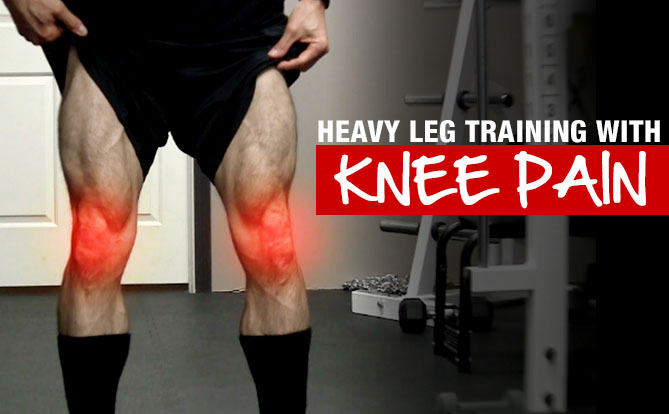
Change your workout if pain is sharp or lasts more than a day. Stop exercises that cause swelling or stiffness. Reduce weight, lower intensity, or try low-impact activities. Rest and gentle movement help joints heal. Always listen to your body’s signals to avoid harm.
Credit: learn.athleanx.com
Preparing For Safe Training
Preparing for safe training is essential for anyone with joint pain. Taking the right steps before exercise helps protect your joints. It also reduces the risk of injury and discomfort. Proper preparation sets a strong foundation for a successful workout.
Simple habits can make a big difference. Start with gentle movements and choose gear that supports your body. These actions help you stay active without causing harm. Focus on your body’s signals and adjust as needed.
Warm-up Techniques
Warming up loosens your joints and muscles. Begin with slow, gentle movements like walking or arm circles. This increases blood flow and reduces stiffness. Spend at least 5 to 10 minutes warming up before exercise. Avoid sudden or jerky motions that stress joints. Use stretches that do not cause pain. Warm muscles improve flexibility and prepare you for training.
Choosing The Right Gear
Selecting the right gear supports your joints during workouts. Wear shoes with good cushioning and arch support. Proper shoes absorb shock and reduce joint strain. Consider using braces or supports if your doctor recommends them. Comfortable clothing allows free movement without pressure. Using the right equipment improves stability and protects weak joints. Always check your gear for wear and tear before training.
Exercise Types For Joint Health
Choosing the right exercises protects your joints and helps reduce pain. Some movements support joint health better than others. Gentle workouts can build strength without causing damage. Focus on exercises that improve circulation, flexibility, and muscle support around joints. This approach helps maintain mobility and eases discomfort.
Low-impact Cardio Options
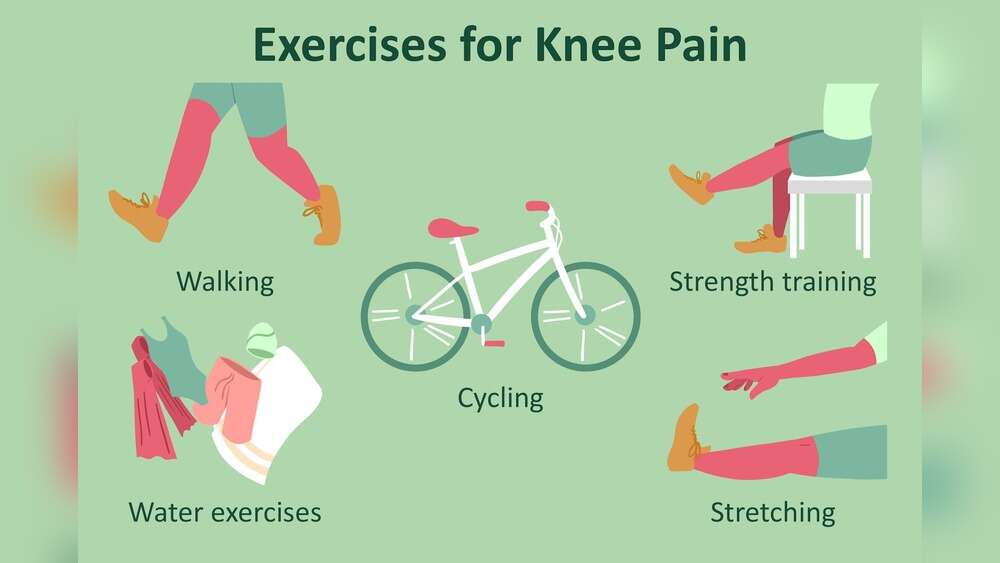
Low-impact cardio is kind to your joints. Swimming and water aerobics reduce pressure on knees and hips. Cycling on a stationary bike offers steady movement with minimal joint stress. Walking on soft surfaces cushions your joints better than hard pavement. These activities boost heart health and keep joints moving smoothly.
Strength Training With Care
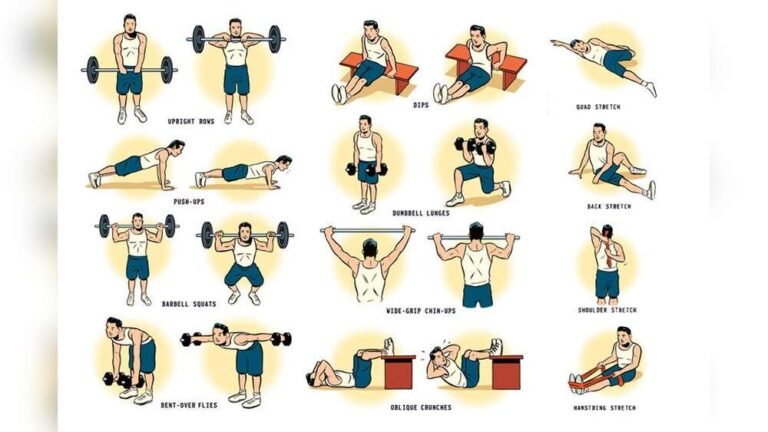
Building muscle supports and protects joints. Use light weights or resistance bands to avoid strain. Focus on controlled, slow movements to maintain form. Target muscles around painful joints for added support. Avoid heavy lifting or sudden jerks that can cause injury. Strength training improves stability and reduces joint pain over time.
Flexibility And Mobility Workouts
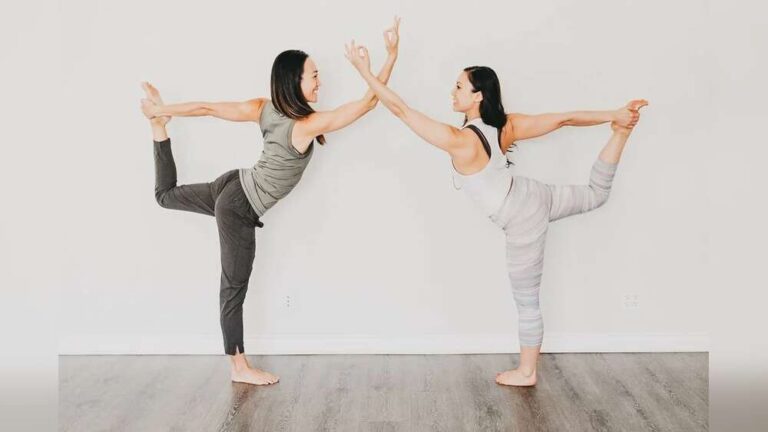
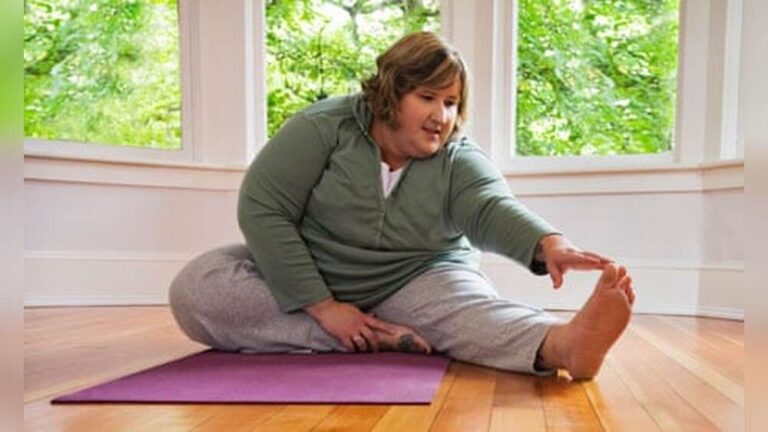
Stretching increases joint range and reduces stiffness. Yoga and Pilates promote gentle flexibility and balance. These workouts improve posture and help align joints properly. Perform stretches slowly and hold each position without bouncing. Consistent mobility exercises keep joints lubricated and functional.

Credit: www.amazon.com
Adjusting Workout Intensity
Adjusting workout intensity is key when training with joint pain. It helps protect your joints and keeps your body strong. Finding the right balance prevents injury and supports healing. Lowering intensity lets you stay active without causing more pain. Small changes in your routine can make a big difference.
Listening To Your Body
Your body sends clear signals during exercise. Pay close attention to any discomfort or stiffness. Mild soreness is normal, but sharp pain is a warning. Stop or slow down if pain increases. Rest and gentle movement often help reduce joint stress. Trust your body’s messages to avoid damage.
Using Pain As A Guide
Pain can guide how hard you work out. Use it to decide when to push or pause. Avoid exercises that cause persistent or sharp pain. Gentle pain that fades quickly is usually safe. Adjust weights, speed, or repetitions based on pain levels. This approach helps maintain fitness while protecting joints.
Recovery And Pain Management
Recovery and pain management are key to training with joint pain. Proper care helps prevent injury and supports healing. Managing pain correctly allows you to stay active safely. Focus on techniques that reduce swelling and improve movement. Listen to your body and adjust your routine as needed.
Rest And Active Recovery
Rest gives your joints time to heal. Avoid heavy exercise that causes pain. Gentle movements help keep joints flexible. Try light walking or stretching. Active recovery improves blood flow and reduces stiffness. Balance rest with activity to avoid weakness.
Applying Ice And Heat
Ice reduces swelling and numbs pain. Use ice packs for 15 to 20 minutes. Apply ice soon after exercise or injury. Heat relaxes muscles and eases stiffness. Use warm packs or baths before activity. Alternate ice and heat for best results.
When To Seek Professional Help
See a doctor if pain lasts more than a week. Seek help if swelling or redness increases. Sudden joint locking or severe pain needs urgent care. A professional can diagnose and suggest treatments. Do not ignore persistent or worsening symptoms.
Lifestyle Tips To Support Joints
Taking care of your joints is key to training safely with joint pain. Small lifestyle changes can make a big difference. Support your joints every day to reduce pain and improve movement.
Nutrition For Joint Health
Eating the right foods helps keep joints strong. Focus on fruits and vegetables rich in vitamins C and E. These vitamins protect joints from damage. Fish like salmon has omega-3 fatty acids that reduce swelling. Whole grains and nuts also support joint health. Avoid foods high in sugar and processed fats, as they can increase inflammation.
Maintaining A Healthy Weight
Extra weight puts stress on your joints. Losing a few pounds can lower pain and improve mobility. Aim for a balanced diet and regular activity. Even small weight changes help joints feel better. Healthy weight reduces the risk of joint problems in the future.
Incorporating Supplements Wisely
Some supplements support joint health, but use them carefully. Glucosamine and chondroitin may help with cartilage repair. Vitamin D and calcium strengthen bones and joints. Always talk to a doctor before starting supplements. Not all supplements work for everyone, and some can cause side effects.

Credit: wellness.alibaba.com
Frequently Asked Questions
How Can I Train With Joint Pain Safely?
Start with low-impact exercises like swimming or cycling. Warm up thoroughly and avoid sudden movements. Use proper form and rest if pain increases. Consult a healthcare professional before beginning any new routine.
What Exercises Reduce Joint Pain During Workouts?
Focus on low-impact activities such as walking, swimming, and yoga. Strength training with light weights also helps support joints. Avoid high-impact exercises that cause pain or discomfort.
Should I Use Pain Relief Before Exercising With Joint Pain?
Using topical pain relief can help but should not mask severe pain. Always consult your doctor before using medications. Focus on gentle movements and proper warm-up instead.
How Important Is Warming Up With Joint Pain?
Warming up is crucial as it increases blood flow and flexibility. A proper warm-up reduces stiffness and lowers injury risk. Spend at least 5-10 minutes warming up before exercise.
Conclusion
Training with joint pain requires care and patience. Choose exercises that do not strain your joints. Always warm up before you start moving. Listen to your body and stop if pain grows. Use proper form to protect your joints. Rest days help your body heal and stay strong.
Small changes can make a big difference over time. Stay consistent but gentle with your workouts. Taking care of your joints keeps you active longer. Keep moving, but do it safely every day.

Brandon Knoxley is a sport & fitness writer and training guide contributor at MySportFitHub. He focuses on practical workouts, performance-based training, and honest fitness gear insights designed for real people and real results. Brandon is passionate about helping beginners and active individuals train smarter, avoid common mistakes, and build sustainable fitness habits.