How to Fix Shoulder Pain from Workouts: Expert Tips That Work
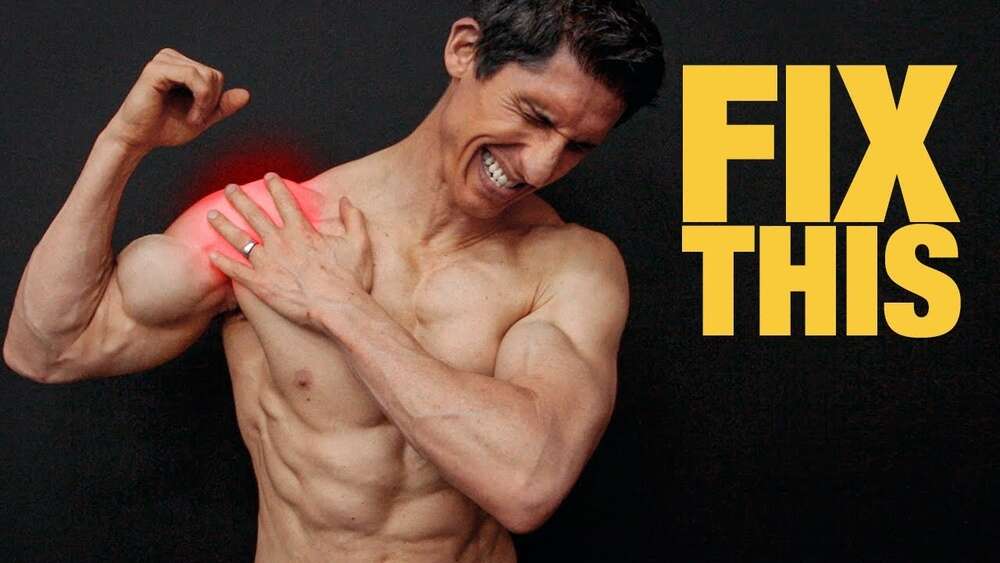
Are you struggling with shoulder pain after your workouts? That sharp ache or constant discomfort can stop you from enjoying your exercise routine and even affect your daily life.
But what if you could fix that pain and get back to moving freely? You’ll discover simple, effective ways to relieve your shoulder pain and prevent it from coming back. Keep reading to find out how to protect your shoulders and make your workouts pain-free again.
Common Causes Of Shoulder Pain
Shoulder pain after workouts is common. Many causes lead to this discomfort. Knowing these causes helps prevent and fix pain fast. Understanding what causes shoulder pain allows better care of your body.
Overuse Injuries
Overuse injuries happen from repeating the same movement. The shoulder gets tired and inflamed. This can cause pain and swelling. Rest is needed to let the shoulder heal. Avoid pushing too hard every day.
Improper Form
Using wrong form during exercises strains the shoulder. It puts pressure on joints and muscles. This leads to pain and injury over time. Learning the right technique protects your shoulder. Use mirrors or trainers to check your form.
Muscle Imbalances
Muscle imbalances mean some muscles are stronger than others. This causes uneven stress on the shoulder. Weak muscles can lead to pain and poor movement. Strengthen all shoulder muscles equally for balance. Focus on both front and back muscles.
Lack Of Warm-up
Skipping warm-up can cause shoulder pain. Cold muscles are tight and prone to injury. Warm-up increases blood flow and loosens muscles. Spend at least five minutes warming up before exercise. This prepares your shoulder for movement.
Credit: www.hand2shouldercenter.com
Signs You Should Not Ignore
Shoulder pain after workouts is common. Sometimes, it fades quickly. Other times, it signals a problem. Knowing the signs you should not ignore helps protect your shoulder. Early care can prevent serious injury and long-term pain.
Persistent Pain
Pain that lasts more than a few days is a warning. It may grow worse with movement. Rest does not ease it. Persistent pain means your shoulder needs attention. Continuing exercise might cause more damage.
Swelling And Tenderness
Swelling shows inflammation inside the shoulder. Tenderness means the area hurts even when touched gently. Both signs suggest injury. Avoid pressing or massaging swollen areas. Cold compresses can reduce swelling but seek advice if it stays.
Limited Range Of Motion
Difficulty moving your shoulder is serious. You might not lift your arm or rotate it fully. Stiffness can signal joint or muscle damage. Pain and limited motion together need a check-up. Ignoring this can reduce shoulder use over time.
Sharp Or Shooting Sensations
Sharp pain or shooting sensations during movement are red flags. These feelings are not normal. They might mean nerve irritation or a tear. Stop exercises causing these pains. Consult a healthcare provider to avoid worsening the injury.
Immediate Relief Techniques
Shoulder pain from workouts can stop your progress fast. Finding relief quickly helps you avoid more damage. Immediate relief techniques reduce pain and support healing early. These steps are simple and effective for most workout injuries.
Rest And Activity Modification
Rest is key to ease shoulder pain. Avoid heavy lifting or movements that hurt. Give your shoulder a break from intense exercise. Modify activities to reduce strain and prevent worsening the injury. Short periods of rest help the shoulder heal faster.
Ice And Heat Therapy
Ice reduces swelling and numbs the pain. Apply an ice pack for 15 minutes every few hours. Use a thin cloth to protect your skin. Heat helps relax muscles and improve blood flow. Use heat therapy after swelling goes down, like a warm towel or heating pad.
Over-the-counter Pain Relief
OTC pain medicines lower pain and inflammation. Common options include ibuprofen or acetaminophen. Follow the instructions on the label carefully. These medicines help manage pain but do not replace rest and care. Avoid overuse to prevent side effects.
Gentle Stretching
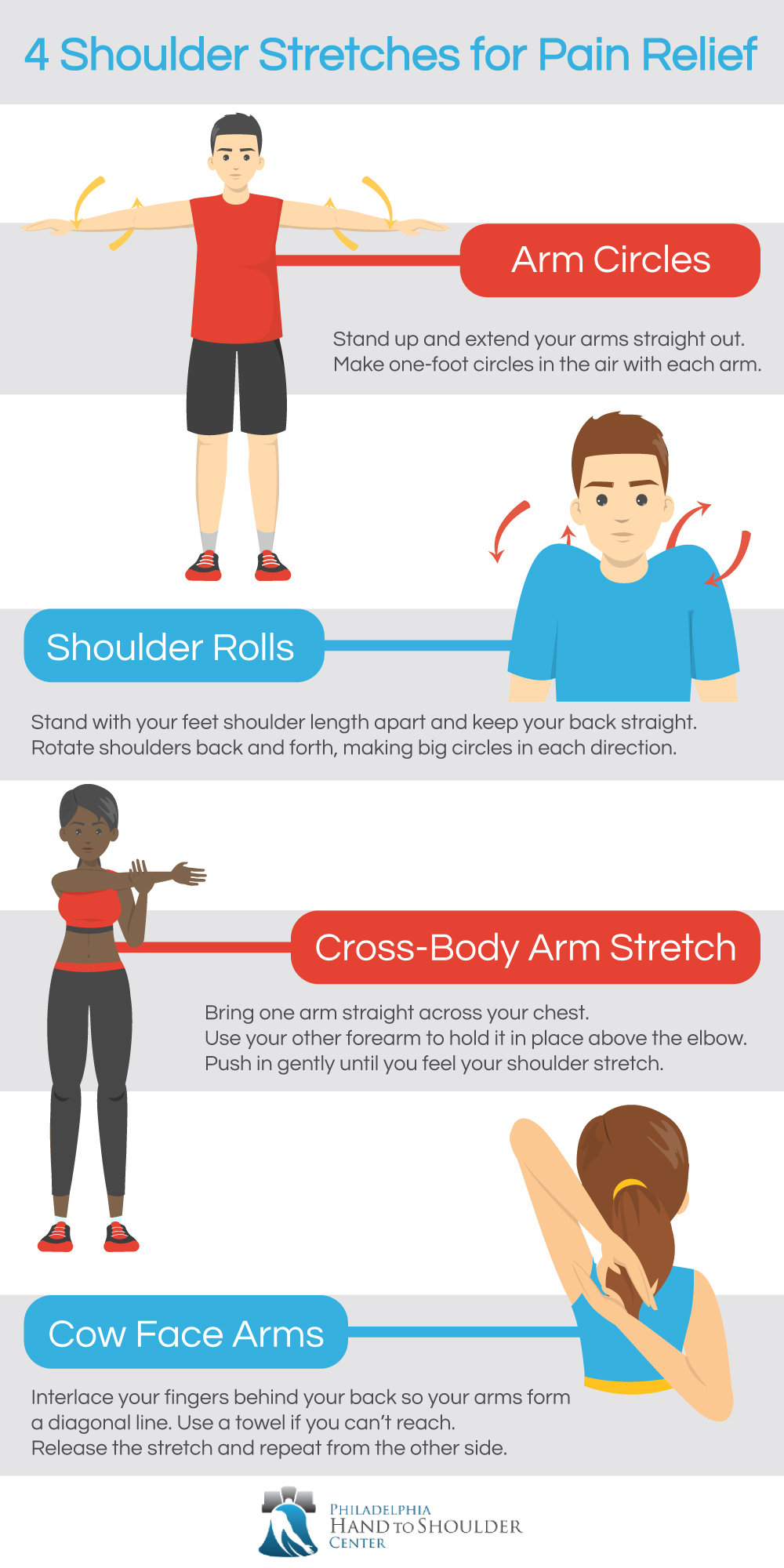
Stretching keeps the shoulder flexible and reduces stiffness. Start with gentle, slow movements within pain limits. Do simple stretches like shoulder rolls or arm circles. Avoid pushing into pain. Stretching supports healing and improves range of motion.

Credit: redefinehealthcare.com
Correcting Workout Form
Correcting your workout form is key to easing shoulder pain. Proper form reduces strain and prevents injuries. It helps your muscles work right and keeps your joints safe. Small changes in how you move can make a big difference in comfort and strength.
Proper Shoulder Alignment
Keep your shoulders level and relaxed during exercises. Avoid shrugging or rounding them forward. Align your shoulders with your ears and hips. This position lowers pressure on joints and muscles. Focus on steady, controlled movements to maintain this alignment.
Engaging Supporting Muscles
Use your back and core muscles to support shoulder work. These muscles help share the load and stabilize your body. Activate them before lifting weights or doing push-ups. This reduces stress on your shoulders and improves overall strength.
Avoiding Overextension
Do not stretch your shoulders too far during exercises. Overextension can cause pain and damage. Keep your movements within a comfortable range. Stop if you feel sharp or persistent pain. Control your motion and avoid forcing your joints.
Using Mirrors And Feedback
Use mirrors to watch your form during workouts. Seeing yourself helps spot mistakes and correct them. Ask a trainer or workout partner for feedback. They can guide you to safer and better movement patterns. Consistent feedback improves form and reduces shoulder pain.
Strengthening Exercises
Strengthening exercises play a key role in fixing shoulder pain from workouts. They help build muscle support around the shoulder joint. This support reduces strain and prevents injuries. Regular strengthening improves shoulder stability and function. It also helps with pain relief and faster recovery.
Rotator Cuff Workouts
The rotator cuff is a group of small muscles that control shoulder movement. Strengthening these muscles protects the shoulder from injury. Simple exercises like external rotations and internal rotations work well. Use light weights or resistance bands for these moves. Perform slow and controlled motions to avoid strain. Aim for 2 to 3 sets of 10 to 15 reps.
Scapular Stabilization
Scapular muscles hold the shoulder blade in place. Strong scapular muscles improve shoulder alignment. Exercises like scapular squeezes and wall slides help these muscles. Focus on squeezing the shoulder blades together. These moves reduce shoulder stress during workouts. Do them daily to build endurance and control.
Posture Improvement
Good posture takes pressure off the shoulders. Strengthening upper back and neck muscles aids posture. Try exercises like chin tucks and rows. These help straighten the spine and open the chest. Sitting or standing tall supports shoulder health. Practice posture exercises regularly for best results.
Progressive Resistance Training
Start with light weights or resistance bands. Gradually increase resistance to build strength safely. This method avoids overloading weak muscles. Progressive training helps muscles adapt and grow. Track your progress and adjust weights every week. Consistency ensures steady improvement without pain.

Credit: www.youtube.com
Recovery And Prevention Tips
Shoulder pain from workouts can stop your progress and cause frustration. Proper recovery and prevention help you stay strong and avoid injury. Focus on simple habits that protect your shoulders and keep them healthy.
Consistent Warm-up Routines
Start every workout with a warm-up. Warm muscles move better and resist injury. Use light cardio and dynamic stretches to prepare your shoulders. Spend at least 5 to 10 minutes warming up. This step reduces stiffness and improves blood flow to muscles.
Balanced Workout Plans
Balance your workout to avoid overuse. Include exercises for all shoulder muscles. Don’t focus only on pushing or pulling. Mix strength training with flexibility exercises. A balanced plan helps muscles grow evenly and prevents strain.
Regular Mobility Work
Keep your shoulder joints flexible with regular mobility work. Stretch and rotate your shoulders daily. Use tools like resistance bands or foam rollers for better results. Mobility exercises improve range of motion and reduce tightness.
Listening To Your Body
Pay attention to pain and discomfort signals. Stop or adjust exercises if you feel sharp pain. Rest your shoulders when needed to allow healing. Ignoring pain can cause serious injury. Body awareness helps you train smarter and safer.
When To Seek Professional Help
Shoulder pain after workouts can sometimes signal a serious issue. Knowing when to seek professional help is important to avoid long-term damage. If pain lasts more than a few days or worsens, it’s time to get expert advice. Sudden sharp pain, swelling, or loss of movement also needs medical attention.
Physical Therapy Options
Physical therapy helps restore shoulder strength and motion. Therapists use exercises to reduce pain and improve function. Treatment may include manual therapy and gentle stretches. A therapist designs a plan based on your specific injury. Regular sessions can prevent future shoulder problems.
Diagnostic Imaging
Doctors may recommend imaging tests to see inside the shoulder. X-rays show bone issues like fractures or arthritis. MRI scans reveal soft tissue injuries such as tendon tears. Ultrasound can check muscle and tendon health during movement. These tests help pinpoint the exact cause of pain.
Possible Medical Interventions
Some shoulder injuries require medical treatments beyond therapy. Doctors may suggest medications to reduce inflammation and pain. Injections can provide relief for joint or tendon problems. Surgery is an option for severe injuries or when other treatments fail. Early treatment helps faster recovery.
Long-term Management Strategies
Managing shoulder health over time prevents repeated injuries. Professionals teach proper workout techniques and posture. Strengthening shoulder muscles supports joint stability. Regular breaks and stretching reduce strain during exercise. Staying consistent with care improves shoulder function and comfort.
Frequently Asked Questions
How Can I Relieve Shoulder Pain After Workouts?
Rest your shoulder and apply ice for 15-20 minutes. Use over-the-counter pain relievers if needed. Gentle stretches and physical therapy can aid recovery. Avoid heavy lifting until pain subsides to prevent further injury.
What Exercises Help Prevent Shoulder Pain From Workouts?
Focus on strengthening rotator cuff muscles with light resistance bands. Incorporate shoulder blade squeezes and scapular stabilization exercises. Avoid repetitive overhead motions without proper form. Always warm up properly before exercising.
When Should I See A Doctor For Shoulder Pain?
Seek medical advice if pain lasts more than a week. Immediate care is needed for severe pain or swelling. Also, consult a doctor if you experience numbness, weakness, or limited shoulder movement.
Can Poor Workout Form Cause Shoulder Pain?
Yes, incorrect form strains shoulder muscles and joints. It increases injury risk and delays recovery. Always use proper technique and start with manageable weights. Consider consulting a trainer for guidance.
Conclusion
Shoulder pain from workouts can be managed with care and patience. Rest and gentle stretching help reduce discomfort. Use proper form to avoid injury in the future. Strengthening muscles around the shoulder supports healing and prevents pain. Listen to your body and avoid pushing too hard.
Small changes lead to big improvements over time. Stay consistent and give your shoulders time to recover. This approach keeps you active and pain-free. Keep these tips in mind for healthy workouts ahead.

Brandon Knoxley is a sport & fitness writer and training guide contributor at MySportFitHub. He focuses on practical workouts, performance-based training, and honest fitness gear insights designed for real people and real results. Brandon is passionate about helping beginners and active individuals train smarter, avoid common mistakes, and build sustainable fitness habits.