How to Increase Endurance Without Running: Proven Tips That Work
Do you want to boost your endurance but hate running? You’re not alone.
Running isn’t the only way to build stamina, and it doesn’t have to be hard or boring. Imagine having more energy to keep going longer—whether at work, during workouts, or in daily life—without pounding the pavement. You’ll discover simple, effective ways to increase your endurance that fit your lifestyle and keep you motivated.
Ready to feel stronger and more energized? Keep reading—you’re about to unlock new secrets to lasting stamina.

Credit: www.runsociety.com
Strength Training Benefits
Strength training improves endurance by making muscles stronger and more efficient. It helps the body use energy better over longer periods. This kind of training supports joint health and reduces injury risk. It also boosts overall stamina without needing to run.
Building Muscle For Endurance
Strong muscles help you keep going longer during any activity. Muscle growth increases your ability to carry out tasks without getting tired. It also improves your balance and coordination. This makes physical activities feel easier and less tiring. Building muscle supports your heart and lungs by helping them work better.
Effective Strength Exercises
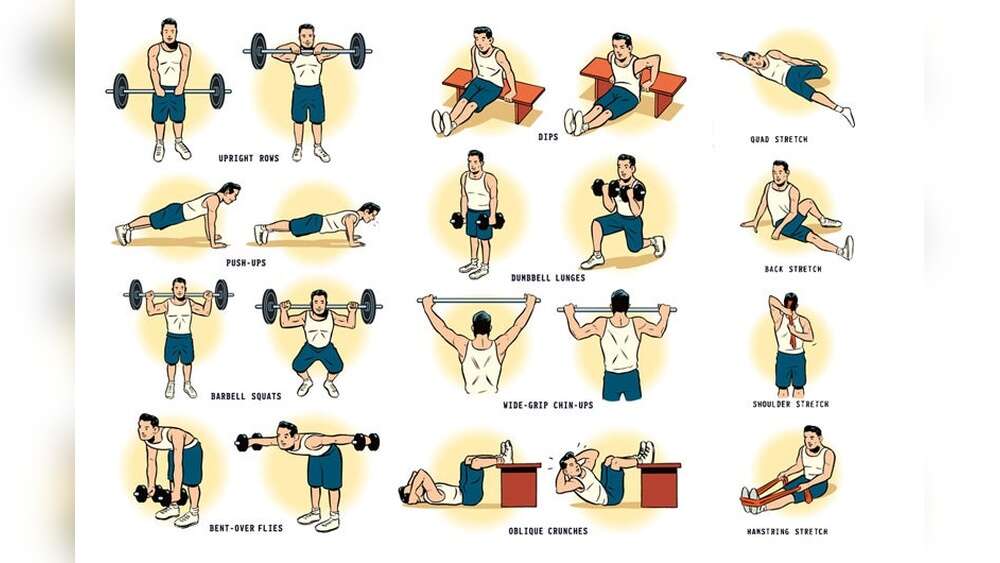
Focus on exercises that work big muscle groups for best results. Squats, lunges, and deadlifts strengthen legs and hips. Push-ups and pull-ups build upper body strength. Planks and bridges improve core stability. Use weights or body weight to add resistance. Aim for controlled movements and steady breathing. Regular sessions increase muscle endurance and energy use.
Credit: toughmudder.co.uk
Low-impact Cardio Options
Low-impact cardio exercises help build endurance without putting stress on your joints. These activities keep your heart rate up and improve stamina. They are ideal for people who want to avoid injury or prefer gentler workouts. You can still boost your endurance with these safe and effective options.
Cycling For Stamina
Cycling strengthens your legs and improves heart health. It is easy on your knees and hips. You can cycle outdoors or use a stationary bike. Regular cycling sessions increase your stamina over time. Adjust the speed and resistance to match your fitness level. Cycling also helps burn calories and builds muscle endurance.
Swimming Advantages
Swimming works your whole body without impact. Water supports your weight, reducing joint strain. It improves lung capacity and boosts cardiovascular fitness. Swimming strokes engage different muscle groups for balanced strength. It also cools your body during exercise, so you can go longer. Try swimming laps or water aerobics for endurance training.
Rowing Machine Workouts
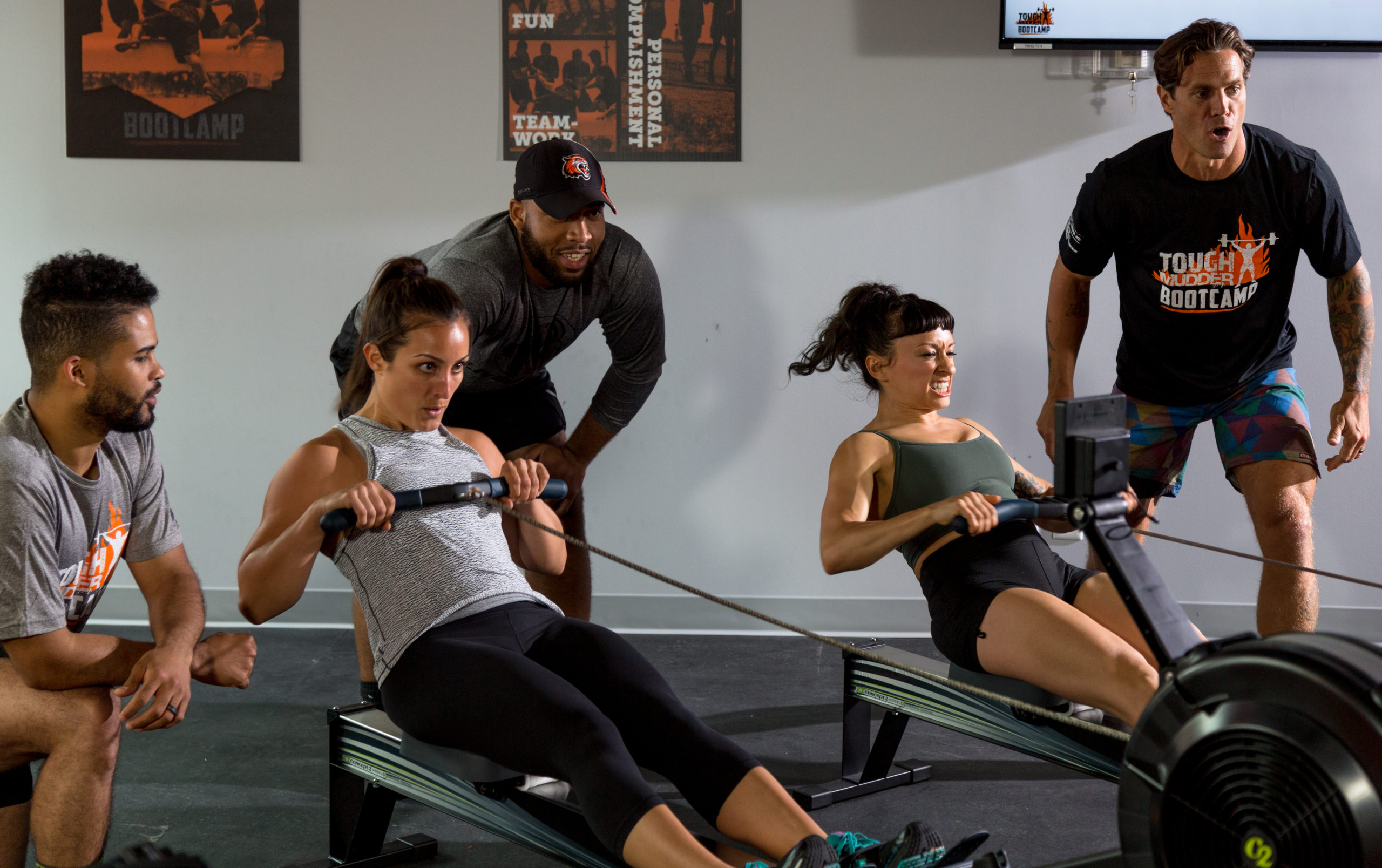
Rowing machines offer a full-body workout that is low-impact. They improve cardiovascular health and muscle endurance simultaneously. Rowing targets your arms, legs, and core muscles. You can control the intensity to suit your goals. Consistent rowing sessions build stamina and help maintain good posture. It is a great indoor option for endurance training.
High-intensity Interval Training
High-Intensity Interval Training, or HIIT, is a powerful way to boost endurance without running. It involves short, intense exercise bursts followed by rest or low activity periods. This method trains your heart and muscles to perform better over time.
HIIT workouts are flexible and can include many exercises. They improve stamina quickly by challenging your body in brief, focused sessions. These sessions also burn calories efficiently and increase aerobic capacity.
Short Bursts For Endurance
Short bursts of intense activity push your body to use energy fast. This trains your muscles and lungs to recover quickly. You work hard for 20 to 40 seconds, then rest for 10 to 30 seconds. Repeating these cycles builds endurance without long exercise sessions.
These bursts can be done with jumping jacks, squats, or cycling. The key is to keep your effort high during the bursts. Over time, your endurance and energy levels will improve noticeably.
Sample Hiit Workouts
Try this simple HIIT workout to start building endurance:
- 30 seconds of jumping jacks
- 15 seconds rest
- 30 seconds of bodyweight squats
- 15 seconds rest
- 30 seconds of mountain climbers
- 15 seconds rest
- Repeat 3 to 4 times
Another option is cycling fast for 20 seconds, then slow for 40 seconds. Repeat for 10 rounds. These workouts improve heart health and stamina without running.
Flexibility And Mobility
Flexibility and mobility play a key role in increasing endurance without running. They help your muscles move easily and reduce the risk of injury. Better flexibility also improves your overall body movement. This allows you to perform physical activities longer and with less effort.
Improving flexibility and mobility prepares your body for endurance activities. Stretching and yoga are simple ways to enhance these qualities. These practices lengthen muscles and increase joint range of motion. This leads to better stamina and less muscle fatigue.
Yoga Poses For Endurance
Yoga strengthens muscles and improves breathing. Poses like Downward Dog and Warrior II build stamina. They stretch many muscle groups at once. Holding poses for a few breaths trains your body to stay strong longer. Yoga also calms the mind, helping you focus during endurance exercises.
Stretching Routines
Stretching loosens tight muscles and joints. A simple routine includes hamstring stretches, calf stretches, and shoulder rolls. Stretch before and after workouts to prevent stiffness. Regular stretching makes your muscles more flexible. Flexible muscles use less energy, which helps endurance.
Nutrition Tips
Nutrition plays a key role in building endurance without running. Eating the right foods helps your body work longer and recover faster. Proper nutrition fuels your muscles and keeps energy steady throughout workouts. Drinking enough fluids also supports stamina and prevents fatigue. Below are some simple nutrition tips to boost endurance effectively.
Fueling For Longer Workouts
Choose complex carbohydrates like whole grains, oats, and sweet potatoes. They provide lasting energy and stabilize blood sugar. Include lean proteins such as chicken, fish, or tofu to repair muscles. Healthy fats from nuts, seeds, and avocados support endurance too. Eat small meals or snacks every 3 to 4 hours. This keeps energy levels steady and prevents hunger during exercise.
Hydration Strategies
Drink water regularly before, during, and after exercise. Staying hydrated helps muscles work better and reduces tiredness. For longer sessions, include drinks with electrolytes like sodium and potassium. Avoid sugary drinks that can cause energy crashes. Monitor urine color; pale yellow means good hydration. Keep a water bottle handy to sip throughout the day and workouts.

Credit: icecreamfactoryny.com
Rest And Recovery
Rest and recovery play a key role in building endurance without running. Your body needs time to heal and adapt after exercise. Without enough rest, muscles stay tired and performance drops. Recovery helps improve strength and stamina over time. It also lowers the chance of injury and burnout.
Importance Of Sleep
Sleep is the most powerful recovery tool. It helps repair muscles and restore energy. During deep sleep, the body releases growth hormones. These hormones build and strengthen muscle tissue.
A good night’s sleep boosts focus and mood too. Tiredness makes workouts feel harder. Aim for 7 to 9 hours of sleep every night. Stick to a regular sleep schedule for better results.
Active Recovery Techniques
Active recovery means moving gently to help your body heal. Light activities increase blood flow and reduce muscle stiffness. Walking, swimming, or yoga are perfect examples.
These low-impact exercises speed up recovery without extra strain. Stretching also improves flexibility and reduces soreness. Try to include active recovery days between intense workouts. It keeps your body fresh and ready to build endurance.
Tracking Progress
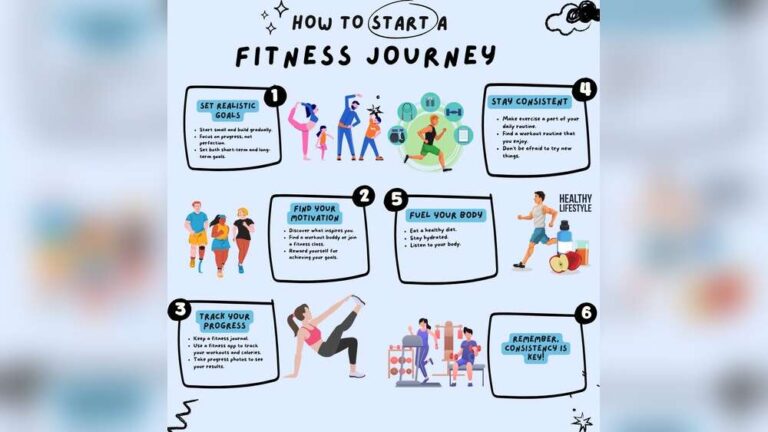
Tracking progress is key to improving endurance without running. It shows how far you have come and what to improve next. By watching your progress, you stay motivated and focused on your goals. Measuring changes helps you adjust your exercises and effort. This way, you build endurance safely and steadily.
Using Fitness Apps
Fitness apps make tracking progress easy and clear. They record your workouts, time, and intensity. Some apps measure heart rate and calories burned. You can see daily, weekly, or monthly reports. This helps spot patterns and improvements. Many apps let you set reminders to stay consistent. Use apps that fit your needs and skill level.
Setting Realistic Goals
Start with small, clear goals. Goals should be simple and easy to understand. For example, increase workout time by five minutes each week. Or add one new exercise every two weeks. Realistic goals prevent frustration and keep you motivated. Write your goals down and check them often. Celebrate small wins to keep your energy high.
Frequently Asked Questions
What Are The Best Exercises To Increase Endurance Without Running?
Low-impact exercises like cycling, swimming, and rowing effectively build endurance. Strength training and circuit workouts also improve stamina. These activities reduce joint stress while enhancing cardiovascular fitness, making them ideal alternatives to running.
How Does Strength Training Improve Endurance?
Strength training boosts muscle efficiency and delays fatigue. It enhances muscular endurance by increasing strength and energy use. This helps sustain physical activity longer without exhaustion, supporting overall endurance improvement.
Can Yoga Help Increase Endurance Levels?
Yes, yoga improves endurance by enhancing flexibility, breathing, and muscle strength. It promotes better oxygen flow and mental focus, which supports prolonged physical activity and stamina building.
What Role Does Nutrition Play In Boosting Endurance?
Proper nutrition fuels the body for sustained energy. Balanced intake of carbohydrates, proteins, and hydration supports muscle recovery and endurance. Consuming nutrient-dense foods enhances overall stamina and exercise performance.
Conclusion
Building endurance does not require running every day. Simple exercises like cycling, swimming, or walking can help. Strength training and proper rest also improve stamina. Eating well fuels your body for longer activity. Consistency matters more than intensity or speed.
Small steps add up to big progress over time. Stay patient and enjoy the journey. Your body will grow stronger with each effort. Keep moving, and endurance will follow naturally.

Brandon Knoxley is a sport & fitness writer and training guide contributor at MySportFitHub. He focuses on practical workouts, performance-based training, and honest fitness gear insights designed for real people and real results. Brandon is passionate about helping beginners and active individuals train smarter, avoid common mistakes, and build sustainable fitness habits.