How to Start Fitness Journey the Right Way: Ultimate Guide to Success
Are you ready to take control of your health and feel better every day? Starting a fitness journey can seem overwhelming, but it doesn’t have to be.
The right approach will keep you motivated and help you avoid common mistakes that slow progress. You’ll discover simple, practical steps to kick off your fitness routine with confidence. By the time you finish reading, you’ll have a clear plan tailored just for you—so you can build strength, boost energy, and enjoy the journey ahead.
Let’s get started!

Credit: www.nowmuaythai.com
Setting Clear Goals
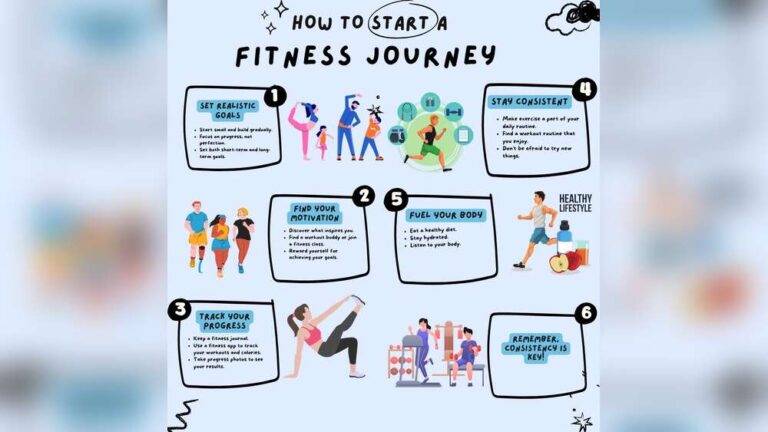
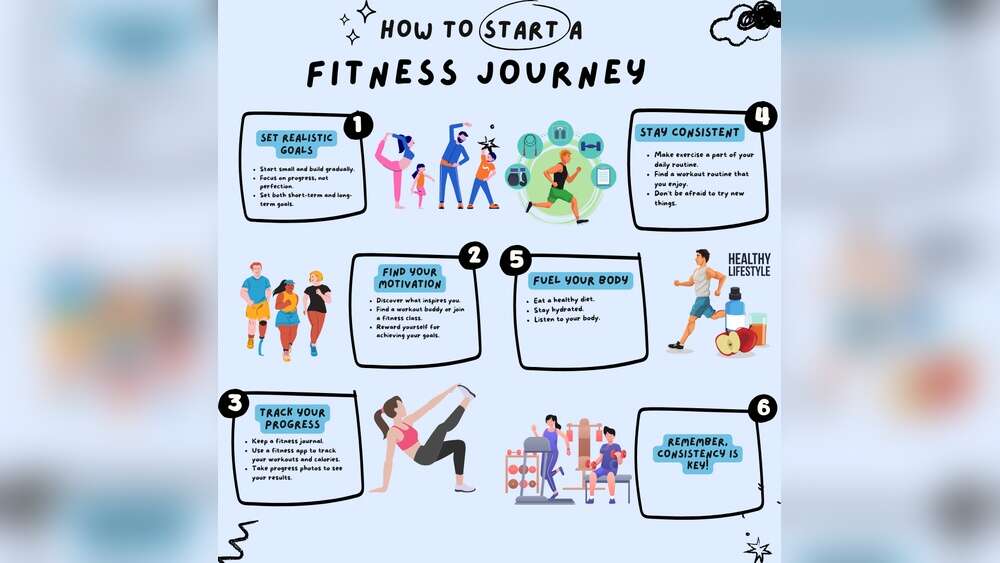
Setting clear goals is the first step to a successful fitness journey. Goals give you focus and keep you motivated. They help you track your progress and celebrate small wins. Without clear targets, it is easy to lose direction and give up.
Short-term Vs Long-term Targets
Short-term targets are small, achievable steps. They keep you motivated and build confidence. Examples include walking 10 minutes daily or drinking more water. Long-term targets take time and effort. They reflect your bigger fitness dreams like running a 5K or losing 20 pounds. Both types of goals work together. Short-term goals lead to long-term success. Setting both helps you stay on track and avoid feeling overwhelmed.
Measuring Progress Effectively
Tracking progress is key to understanding your improvement. Use simple tools like a journal or app. Write down workouts, meals, and feelings. Take photos or measurements every few weeks. Notice changes in strength, energy, or mood. Avoid focusing only on the scale. Celebrate all signs of progress. This keeps motivation high and helps adjust your plan as needed.
Choosing The Right Workout
Choosing the right workout is key to a successful fitness journey. It helps you stay motivated and avoid injury. Picking exercises that suit your fitness level and interests makes exercise fun. This way, you will keep going and see results.
Cardio Options For Beginners
Cardio exercises improve heart health and burn calories. Walking is the easiest way to start. Try brisk walking for 20 to 30 minutes. Cycling on a stationary bike is gentle on joints. Swimming offers a full-body workout without strain. Start slow and increase time as you build stamina.
Strength Training Basics
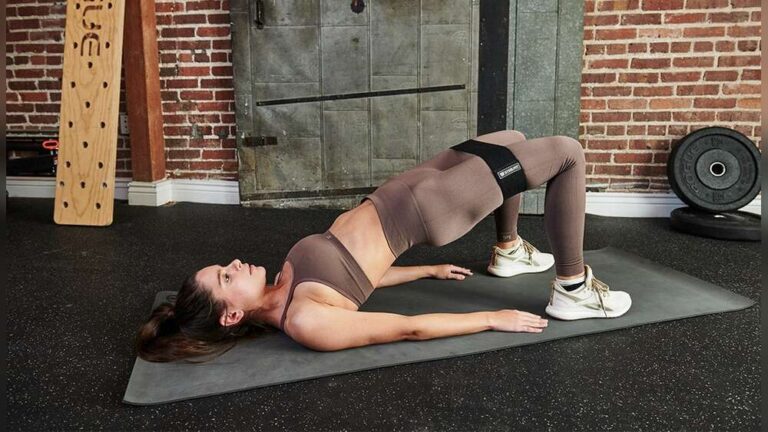
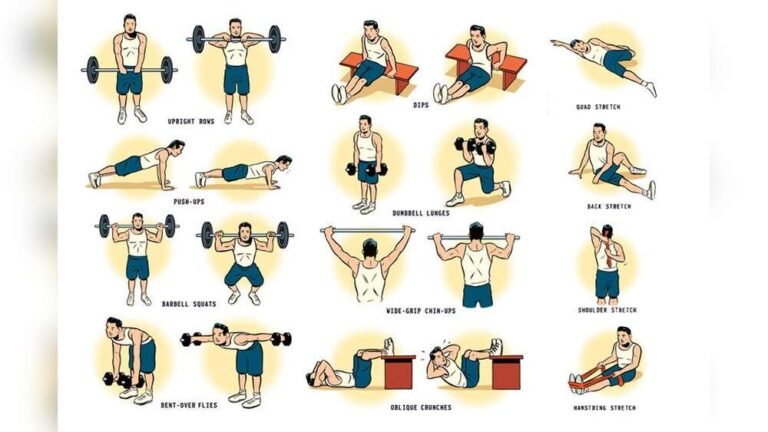
Strength training builds muscle and strengthens bones. Use light weights or resistance bands at first. Focus on major muscle groups like legs, arms, and back. Learn proper form to avoid injuries. Aim for two or three sessions each week. Rest days help muscles recover and grow.
Incorporating Flexibility Exercises
Flexibility exercises improve movement and reduce stiffness. Stretch all major muscle groups gently after workouts. Yoga and Pilates are great for flexibility and balance. Hold each stretch for 15 to 30 seconds. Regular stretching helps prevent injuries and eases muscle soreness.
Creating A Balanced Diet Plan
Creating a balanced diet plan is key to starting a fitness journey right. Eating the right foods gives your body fuel and helps muscles grow. A good diet supports energy levels and speeds up recovery after workouts.
Focus on variety in your meals. Different foods give different nutrients your body needs. Balance keeps you healthy and helps reach fitness goals.
Essential Nutrients For Fitness
Proteins build and repair muscles. Include lean meats, beans, and nuts in your diet. Carbohydrates provide energy. Choose whole grains and fruits for lasting fuel. Fats are also important. Healthy fats from fish, avocados, and olive oil aid brain and heart health. Vitamins and minerals support body functions. Eat colorful vegetables and fruits to get these nutrients.
Meal Planning Tips
Plan meals ahead to avoid unhealthy choices. Use a simple schedule to balance carbs, proteins, and fats. Keep portions moderate to control calorie intake. Prepare meals at home for better control over ingredients. Snack smart with nuts, fruits, or yogurt. Consistency helps build good eating habits.
Hydration And Its Importance
Water is vital for all body functions. It helps digestion and keeps muscles working well. Drink water before, during, and after exercise. Avoid sugary drinks that add empty calories. Carry a water bottle to remind yourself to drink often. Staying hydrated improves focus and energy.
Building Consistency
Building consistency is the key to a successful fitness journey. It helps create lasting habits that lead to real progress. Without consistency, even the best plans can fall apart.
Focus on steady effort instead of quick results. Small steps every day add up. Consistency builds strength, endurance, and confidence over time.
Developing A Routine
Start by choosing specific days and times for workouts. A set schedule makes exercise part of your daily life. Routine reduces the chance of skipping workouts.
Keep your routine simple at first. Pick activities you enjoy and can do easily. Gradually increase intensity and duration to avoid burnout.
Staying Motivated Over Time
Motivation can change daily. Plan for ups and downs to keep going. Set clear, small goals to stay focused and driven.
Celebrate progress, no matter how small. Positive feedback fuels motivation. Find support from friends or groups to stay inspired.
Tracking Your Workouts
Write down your exercises, sets, and reps. Tracking helps you see improvements and areas to work on. Use a notebook or a simple app for this.
Review your progress weekly. Adjust your plan based on results and how you feel. Tracking keeps you accountable and motivated to continue.
Avoiding Common Pitfalls
Starting a fitness journey can be exciting and rewarding. Avoiding common pitfalls helps keep progress steady and safe. Many beginners face challenges that slow them down or cause injury. Recognizing these traps early saves time and effort.
Focus on smart habits from the start. This section covers key areas to watch out for in your fitness routine. Prevent injuries, manage expectations, and spot overtraining signs. These steps protect your body and mind.
Preventing Injuries
Warm up before every workout. Stretch muscles gently to increase blood flow. Use proper form during exercises. Poor technique often leads to injuries. Start with light weights or low intensity. Increase difficulty gradually over time. Rest days are important for recovery. Listen to your body’s pain signals. Stop if you feel sharp pain or discomfort.
Managing Expectations
Results take time and patience. Avoid expecting instant changes in strength or shape. Set small, realistic goals. Celebrate progress, even if it feels slow. Fitness is a lifelong habit, not a quick fix. Focus on consistency rather than perfection. Understand that setbacks are normal. Keep motivation high by tracking your achievements.
Recognizing Overtraining Signs
Too much exercise can harm your body. Watch for constant fatigue or muscle soreness. Sleep problems and irritability may also appear. A drop in workout performance is a warning sign. Take extra rest days if you notice these symptoms. Balance exercise with proper nutrition and hydration. Overtraining delays progress and increases injury risk.

Credit: us.womensbest.com
Leveraging Support Systems
Starting a fitness journey can feel tough alone. Support systems help keep you motivated and accountable. They provide encouragement and make workouts more fun. Building a strong support network boosts your chances of success and helps you stick with your goals.
Finding Workout Partners
Workout partners make exercise more social and enjoyable. They push you to try harder and stay consistent. Find friends, family, or coworkers who share fitness goals. Plan regular sessions together to build routine and motivation. Partners can share tips and celebrate progress, making the journey less lonely.
Using Fitness Apps And Tools
Fitness apps track your progress and guide workouts step-by-step. Many offer reminders to keep you on schedule. Use apps to set goals, log activities, and monitor improvements. Some apps connect you with online communities for extra support. Tools like heart rate monitors help you exercise safely and effectively.
Seeking Professional Guidance
Professionals offer expert advice tailored to your needs. Trainers design workouts that match your fitness level and goals. They teach proper form to prevent injuries. Nutritionists help create healthy eating plans to support your workouts. Professionals provide motivation and adjust plans as you improve.

Credit: www.nowmuaythai.com
Frequently Asked Questions
How Do I Set Realistic Fitness Goals?
Set clear, achievable goals based on your fitness level and lifestyle. Start small, track progress, and adjust goals gradually. Realistic goals keep you motivated and prevent burnout. Focus on consistency rather than perfection for long-term success.
What Is The Best Workout For Beginners?
Begin with low-impact exercises like walking, swimming, or bodyweight workouts. These improve endurance and strength without injury risk. Gradually increase intensity as your fitness improves. Consult a trainer to create a personalized plan matching your goals.
How Important Is Nutrition In A Fitness Journey?
Nutrition fuels your workouts and aids recovery. Eat balanced meals with proteins, carbs, and healthy fats. Hydrate well and avoid processed foods. Proper nutrition enhances energy, muscle growth, and overall health, making your fitness journey more effective.
How Often Should Beginners Exercise Weekly?
Start with 3 to 4 workouts per week. Include a mix of cardio, strength, and flexibility exercises. Rest days are crucial for recovery and injury prevention. Consistency matters more than intensity in the early stages.
Conclusion
Starting your fitness journey takes small, steady steps. Set clear goals and keep track of progress. Choose exercises you enjoy to stay motivated. Eat healthy foods to fuel your body right. Rest and listen to your body often. Remember, patience is key to lasting change.
Celebrate every little success along the way. Stay consistent, and you will see results. Keep your mindset positive and focused. Your journey to better health begins today.

Brandon Knoxley is a sport & fitness writer and training guide contributor at MySportFitHub. He focuses on practical workouts, performance-based training, and honest fitness gear insights designed for real people and real results. Brandon is passionate about helping beginners and active individuals train smarter, avoid common mistakes, and build sustainable fitness habits.