Can You Rent A Treadmill: Rental Guide And Costs
Yes, you can rent a treadmill from fitness companies, local gyms, equipment stores, and online rental services.
Renting a treadmill can be a smart way to exercise at home without paying the full purchase price upfront. I have seen many people choose rentals while testing a new routine, recovering from an injury, or waiting for a long-term fitness plan to settle. This guide explains how treadmill rental works, what it costs, which model to choose, and the mistakes that can make a rental more expensive than buying.
Can You Rent a Treadmill?
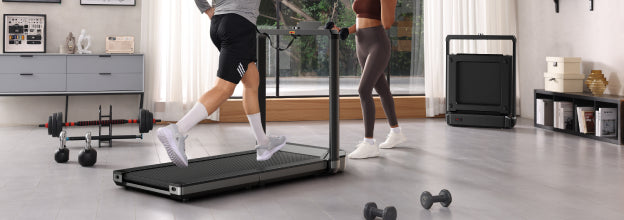
Yes, you can rent a treadmill for a short or long period. Rental terms may last from a few weeks to several months, and some companies offer rent-to-own plans. The treadmill may be delivered to your home, assembled for you, and collected when the rental ends.
Treadmill rentals are available through several types of providers:
• Specialty fitness equipment rental companies
• Local sporting goods stores
• Treadmill manufacturers and authorized dealers
• Gym equipment leasing businesses
• Peer-to-peer rental marketplaces
• Physical therapy and medical equipment providers
The exact process depends on the company. Some providers rent only commercial treadmills, while others offer compact walking pads or basic home models.
Before signing, check the agreement carefully. Look for the rental period, delivery fee, setup cost, maintenance rules, damage policy, cancellation terms, and final pickup process.
Why Rent a Treadmill Instead of Buying One?
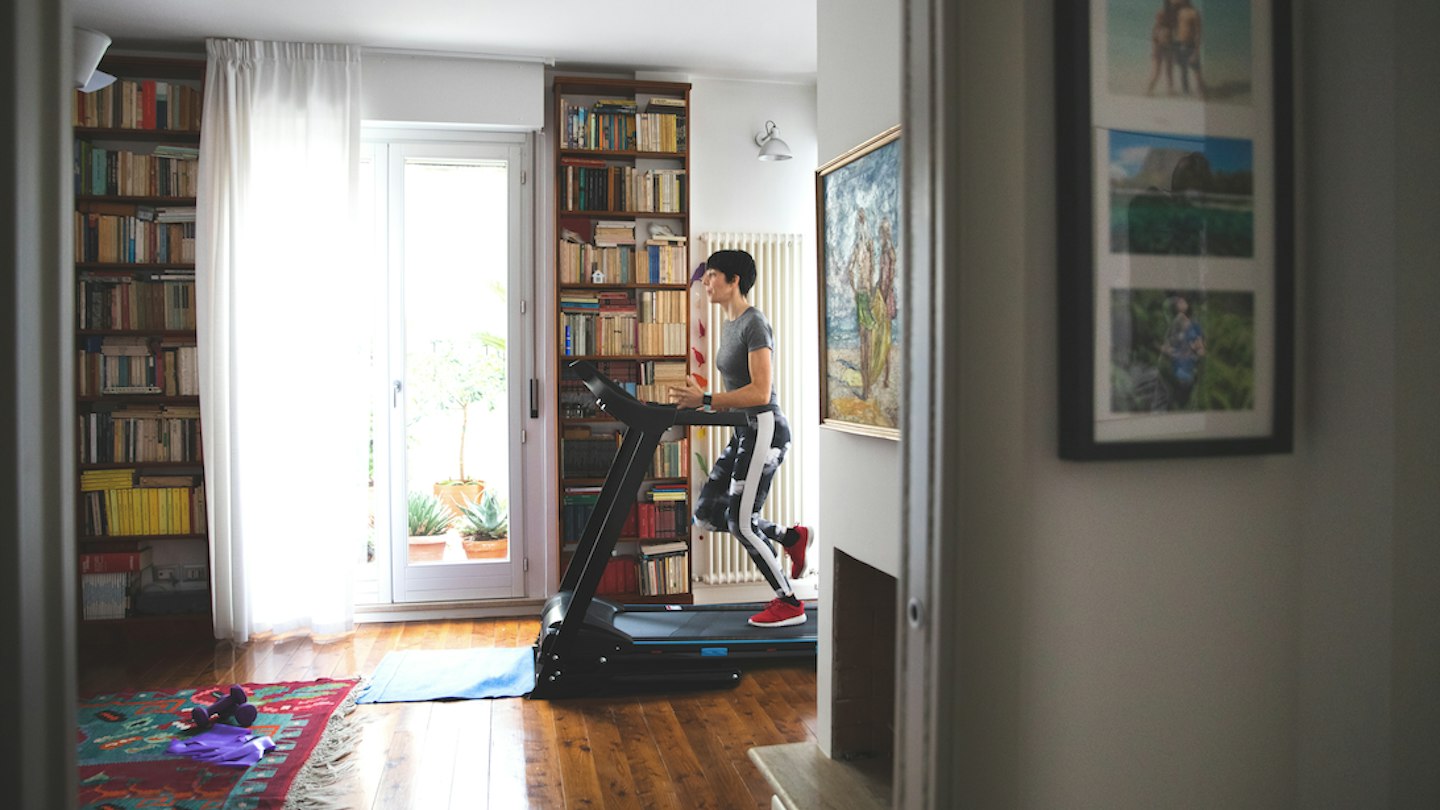
The main advantage of renting a treadmill is flexibility. You can use the machine without making a large upfront investment. This helps if you are not sure whether treadmill workouts will become part of your regular routine.
Renting may also be useful in specific situations:
• You need a treadmill during winter or extreme weather
• You are training for a short race or event
• You are recovering at home after surgery or an injury
• You live in temporary housing
• You want to test a model before buying it
• You need a treadmill for a few months during pregnancy
• You are waiting for a home gym renovation
• You want to share equipment with family members before committing
A rental can also reduce the risk of buying the wrong treadmill. A machine may look excellent online but feel too narrow, too loud, or too slow once you use it at home. A trial period gives you time to test the belt, incline, cushioning, noise, and control panel.
There is one important limitation. Long-term rental payments can exceed the purchase price. Renting works best when convenience and flexibility matter more than the lowest total cost.
How Does Treadmill Rental Work?
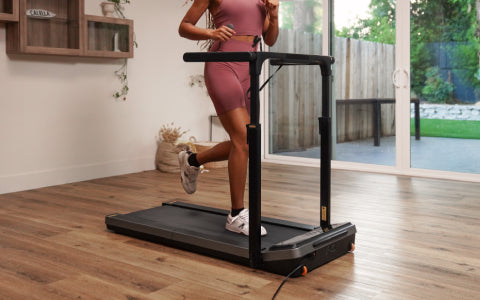
The rental process is usually simple, but the details vary by provider. Most companies follow a basic sequence.
-
Choose a treadmill. Compare motor power, belt size, speed range, incline, weight limit, and available features.
-
Select the rental term. Common options include monthly, three-month, six-month, and annual agreements.
-
Review the total cost. Add the monthly rate, delivery, installation, taxes, deposits, and possible service fees.
-
Schedule delivery. Some companies bring the treadmill inside your home, while others leave it at the entrance.
-
Inspect the machine. Check for damage, unusual noise, loose parts, and accurate display readings before using it.
-
Sign the delivery record. Take photos of the treadmill and note any existing marks.
-
Use and maintain the treadmill. Keep the belt clean, avoid overloading the motor, and follow the care instructions.
-
Return or renew the rental. Arrange pickup before the contract ends, or ask about extending the rental.
In my experience reviewing home fitness equipment, delivery is often the part people underestimate. A treadmill is heavy and awkward. Measure doorways, hallways, elevators, and stairways before you order. A machine that fits in a room may still fail to fit through the front door.
How Much Does It Cost to Rent a Treadmill?
Treadmill rental prices vary by location, model, rental length, and service level. A basic treadmill may cost about $50 to $100 per month. Mid-range machines often cost about $100 to $200 per month, while commercial or premium models may cost more.
You may also pay extra for:
• Delivery and pickup
• Assembly or installation
• A refundable security deposit
• Damage protection
• Maintenance or service calls
• Late return fees
• Sales tax
• A rent-to-own processing fee
A low monthly price does not always mean a low total price. For example, a $90 monthly rental may seem affordable. Over 12 months, however, the base cost reaches $1,080 before delivery, taxes, and fees.
Use this simple calculation:
Rental cost = monthly payment × number of months + extra fees
Then compare that number with the purchase price of a similar treadmill. If you expect to use the machine for several years, buying may offer better value. If you need it for only two or three months, renting may be more practical.
Ask the provider for the full cost in writing. Do not rely only on an advertised monthly rate.

What Types of Treadmills Can You Rent?
You can rent several treadmill types, depending on the provider and your workout goals.
Basic home treadmills
Basic models are suitable for walking and light jogging. They often have a smaller belt, modest speed range, and fewer training programs. They usually cost less to rent and may work well in apartments or guest rooms.
Folding treadmills
Folding treadmills save space when not in use. They are useful for small homes, but the folding design does not always mean the machine is light. Check the folded height and weight before delivery.
Commercial treadmills
Commercial models use stronger frames, larger motors, and wider belts. They are better for frequent running or several users. Their rental price is higher, and they may require more floor space.
Walking pads
Walking pads are slim, compact machines designed mainly for walking. They can fit under a desk or bed, but many do not offer a raised incline or the stability needed for fast running.
Medical or rehabilitation treadmills
Some medical equipment companies rent treadmills for low-impact walking and rehabilitation. These machines may include side rails, slower speed controls, or extra stability. Always follow your clinician’s advice when using a treadmill after an injury or procedure.
Choose the machine based on how you will use it, not only on its screen or app features. A strong motor cannot fix a belt that is too short for your stride.

How to Choose the Right Rental Treadmill
The best rental treadmill should match your body, workout style, room, and budget. Start with the basics before thinking about entertainment features.
Match the treadmill to your workout
For walking, a moderate motor and compact belt may be enough. For regular running, look for a stable frame, a longer running surface, and a motor designed for frequent use.
A belt around 20 inches wide gives many users more comfort. A running belt around 55 to 60 inches long may suit shorter runners, while taller runners often benefit from a longer surface.
Check the motor
Treadmill motor ratings can be confusing. Continuous horsepower is more useful than a short peak horsepower number because it reflects sustained performance. For regular running, many buyers look for a motor rated around 2.5 to 3.0 continuous horsepower, though body weight and use frequency also matter.
Ask the rental company for the motor’s continuous rating. If the company cannot provide clear specifications, consider another provider.
Confirm the weight limit
Never treat the maximum user weight as a suggestion. Choose a treadmill with a weight limit comfortably above the heaviest user. This can improve stability and reduce strain on the motor.
Consider incline and speed
Incline adds variety and can increase workout intensity. If you only plan to walk, a small incline range may be enough. Runners may want faster speeds and powered incline adjustment.
Measure the space
Leave room around the treadmill for safe access and airflow. Keep children and pets away from the moving belt. A crowded workout area can turn a useful machine into a daily hazard.
Test the noise level
Noise travels through floors and walls. If you live in an apartment, ask about decibel ratings or request a quieter model. A rubber equipment mat can reduce vibration, but it will not make a loud motor silent.
What to Check Before Signing a Treadmill Rental Agreement
A rental agreement is more than a monthly price. Read the contract as if you were buying protection for your time and money.
Pay special attention to these points:
• Rental term: Find out whether the agreement renews automatically.
• Early return: Ask whether you can return the treadmill before the end date and whether a penalty applies.
• Damage responsibility: Check who pays for scratches, belt damage, electrical faults, and normal wear.
• Repairs: Confirm how quickly the company responds if the motor or console stops working.
• Replacement policy: Ask whether you receive a replacement treadmill during repairs.
• Delivery: Find out whether delivery includes stairs, room placement, assembly, and packaging removal.
• Payment terms: Check the due date, late fee, deposit, and accepted payment methods.
• Ownership: If it is a rent-to-own agreement, confirm when ownership transfers and how much you will pay in total.
• Return condition: Ask how clean the machine must be and whether you must remove it from a specific room.
One common mistake is assuming normal wear covers every problem. It usually does not cover damage caused by moving the treadmill, using it incorrectly, or exceeding the weight limit. Take clear photos at delivery and keep all emails, receipts, and service records.
Treadmill Rental Versus Buying
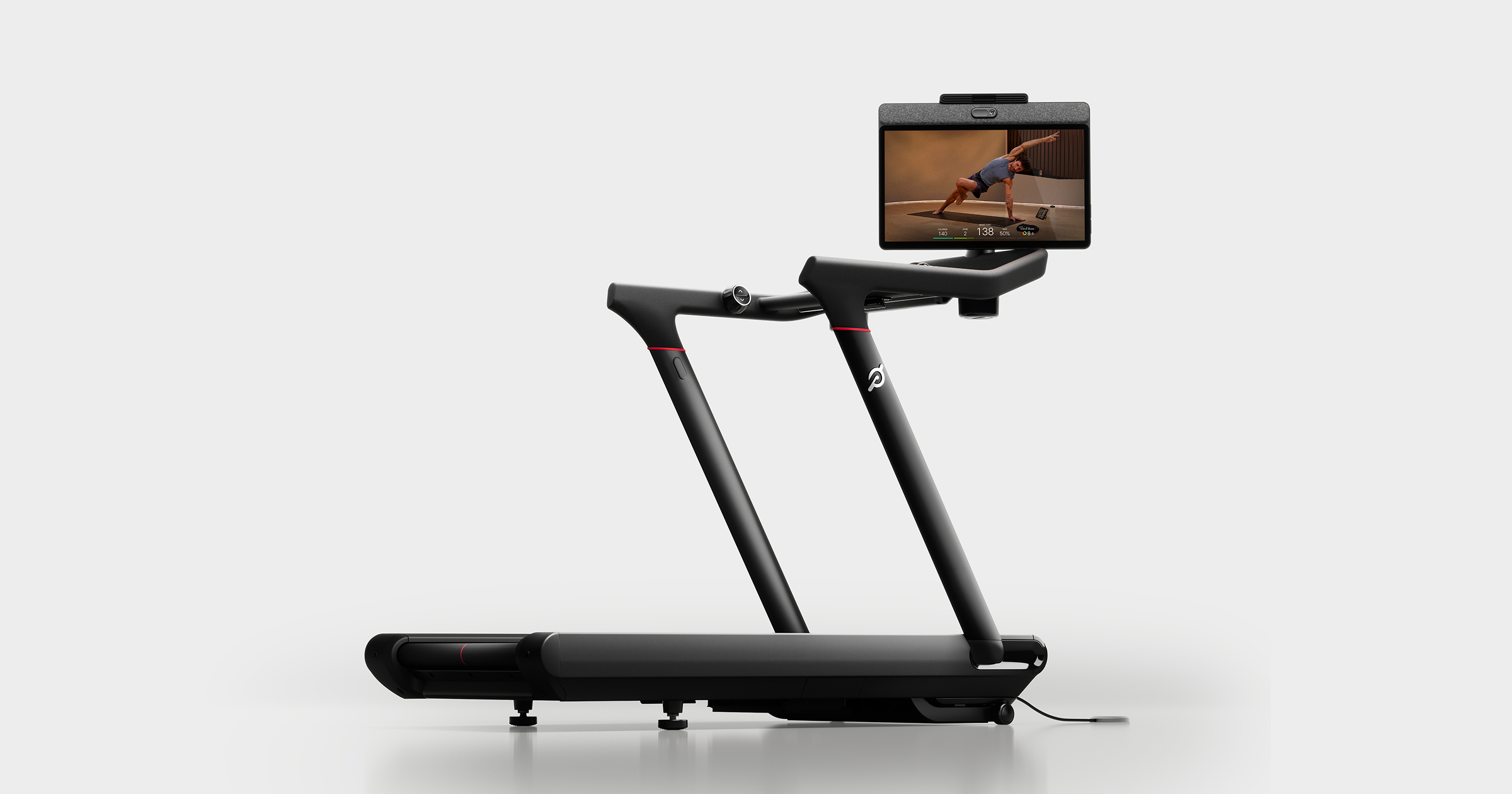
Renting and buying each make sense in different situations. The right choice depends on how long you expect to use the machine and how much flexibility you need.
| Factor | Renting | Buying |
|---|---|---|
| Upfront cost | Usually lower | Usually higher |
| Long-term cost | May become expensive | Often lower over several years |
| Flexibility | Easy to return or change models | Less flexible |
| Maintenance | May be included | Usually your responsibility |
| Ownership | You do not own the machine | You own the machine |
| Trial period | Often available | Depends on the retailer |
| Resale value | Not applicable | You may resell it |
Renting is often better for short-term needs, uncertain users, and temporary living situations. Buying may be better for committed runners, families with several users, and people who plan to exercise at home for years.
A useful rule is to estimate your expected rental period. If you will use the treadmill for less than six months, renting may offer convenience. If you expect to use it for two or more years, compare the total rental payments with the purchase price of a reliable model.
Do not forget ownership costs. Buying may involve delivery, assembly, repairs, lubrication, belt replacement, and eventual resale. Renting may include some of these services, which can make the higher monthly rate worthwhile.

Treadmill Rental for Apartments and Small Homes
A treadmill can work in a small home, but planning matters. Measure the room when the treadmill is both folded and unfolded. Check ceiling height if the treadmill has a tall console or if you plan to use a steep incline.
Place the machine on a firm, level surface. Avoid thick carpet unless the manufacturer allows it, because soft flooring can affect balance and airflow. A proper mat may help protect the floor and reduce vibration.
For apartment living:
• Choose a quieter model with good shock control
• Avoid early-morning or late-night workouts
• Place the treadmill away from shared walls when possible
• Use a thick equipment mat to reduce floor vibration
• Ask your landlord about weight and noise rules
• Do not block exits or shared walkways
I have seen renters focus on the treadmill’s folded size and overlook its weight. Folding does not make a treadmill easy to move. If you live upstairs, confirm whether the delivery team handles stairs and whether an elevator can support the machine.
Treadmill Safety and Maintenance Tips
A rented treadmill still needs regular care. Good maintenance protects your safety and helps prevent charges for avoidable damage.
Before each workout, check that the belt is centered and free of objects. Keep the emergency stop key attached to your clothing when possible. Start at a slow pace, hold the rails only when needed, and increase speed gradually.
Follow these basic maintenance steps:
• Wipe sweat from the handrails and console
• Keep the belt and deck free of dust
• Lubricate the belt only as the manual allows
• Do not place the treadmill near water
• Keep children away from the moving belt
• Stop using the machine if it makes a new grinding or burning sound
• Report faults to the rental company promptly
Do not repair electrical parts yourself unless you are qualified and the agreement allows it. Unapproved repairs may create a safety risk and could void damage protection.
The Centers for Disease Control and Prevention recommends regular physical activity for better health, but more exercise is not always better. Start with manageable sessions, especially if you are new to walking or running. Speak with a health professional before exercising if you have a medical condition, chest pain, severe shortness of breath, or a recent injury.
Mistakes to Avoid When You Rent a Treadmill
The biggest rental mistakes are usually simple and preventable.
Choosing by price alone
The cheapest treadmill may have a short belt, weak frame, or poor service support. Compare the total value, not just the monthly payment.
Ignoring delivery details
A treadmill may require several people to move safely. Confirm the delivery route, stairs, room placement, and assembly service.
Renting a walking model for running
A walking pad may not be stable or long enough for running. Match the machine to your planned speed and stride.
Skipping the contract
Verbal promises can be hard to prove. Read the written agreement and ask for unclear terms in writing.
Failing to inspect the treadmill
Test the controls, speed, incline, emergency stop, and belt before the delivery team leaves. Report issues at once.
Forgetting the return date
Automatic renewal can add unexpected charges. Set a calendar reminder at least two weeks before the rental ends.
Overlooking the total cost
Add all fees before deciding. A low monthly rate can hide expensive delivery, installation, or early termination charges.
Is a Rent-to-Own Treadmill a Good Idea?
A rent-to-own treadmill lets you make regular payments while working toward ownership. Some agreements apply part of the payment toward the final purchase price. Others charge a fixed amount after a set number of payments.
This option may help people who cannot pay the full price at once. It can also provide access to a better model than they could purchase immediately.
However, rent-to-own plans may cost much more than buying the treadmill outright. Ask these questions before agreeing:
• What is the total amount paid after all installments?
• When does ownership transfer?
• Can you return the treadmill early?
• Do payments continue if the machine needs repair?
• Is the interest or service charge clearly stated?
• Does the final payment include taxes or other fees?
Compare the rent-to-own total with the cash price of the same model. If the difference is large, consider saving for a purchase or choosing a lower-cost treadmill.
Final Checklist Before You Rent a Treadmill
Use this checklist to make a confident choice:
• Decide whether you need walking, jogging, or running performance
• Set a total budget, including fees
• Measure the delivery path and workout area
• Check the treadmill’s belt size and weight limit
• Ask for the continuous motor rating
• Confirm the rental term and renewal policy
• Read the damage and repair rules
• Ask who handles delivery, setup, maintenance, and pickup
• Inspect the machine when it arrives
• Record the return date on your calendar
If possible, try the exact model before renting it. Ten minutes on a showroom treadmill can reveal more than several pages of online reviews. Pay attention to stability, noise, belt feel, and whether the controls are easy to use.
Frequently Asked Questions About Can You Rent a Treadmill
Can you rent a treadmill for one month?
Yes, some companies offer one-month treadmill rentals, although short-term rates may be higher. Delivery, pickup, and setup fees can make a one-month rental more expensive per day than a longer contract.
Can you rent a treadmill for home use?
Yes, home treadmill rentals are common in many areas. Confirm that the provider delivers to your address and ask whether the service includes indoor placement and assembly.
Is it cheaper to rent or buy a treadmill?
Renting is often cheaper for short-term use, while buying can cost less over several years. Compare the total rental payments and fees with the purchase price of a similar machine.
Do treadmill rentals include maintenance?
Some rentals include routine maintenance and repairs, but not all do. Read the agreement to learn whether service calls, belt damage, lubrication, and replacement parts are covered.
Can you rent a treadmill without a credit check?
Policies vary by company. Some providers may require a credit check, while others may accept a deposit, debit card, proof of income, or another form of payment.
Can you rent a commercial treadmill for a home gym?
Yes, some fitness equipment companies rent commercial treadmills to residential customers. Make sure your floor, electrical outlet, doorway, and room size can support the machine.
What happens if a rented treadmill breaks?
Contact the rental provider instead of trying to repair it yourself. Depending on the contract, the company may repair the treadmill, replace it, or pause your payments during service.
Conclusion
Yes, you can rent a treadmill, and it can be a practical choice when you need flexibility, a short-term workout solution, or time to test a machine before buying. Compare the full cost, inspect the contract, measure your space, and choose a treadmill that matches your actual workout plan.
A careful rental can feel like borrowing a bridge to your fitness goal rather than making a rushed purchase. Review local providers, ask clear questions, and select the option that gives you safe access to consistent exercise.

Brandon Knoxley is a sport & fitness writer and training guide contributor at MySportFitHub. He focuses on practical workouts, performance-based training, and honest fitness gear insights designed for real people and real results. Brandon is passionate about helping beginners and active individuals train smarter, avoid common mistakes, and build sustainable fitness habits.