
How Many Rest Days Beginners Actually Need: Essential Recovery Tips
Are you wondering how many rest days you really need as a beginner? It’s a question that can make or break your progress.
Rest days aren’t just about taking a break—they’re the secret weapon your body uses to get stronger and avoid injury. But how many are enough, and when should you take them? Knowing the right balance can keep you motivated and help you see results faster.
Keep reading to discover exactly how to plan your rest days so you can stay on track and reach your goals without burning out.

Credit: www.youtube.com
Importance Of Rest Days
Rest days are a key part of any beginner’s workout plan. They help the body heal and grow stronger. Skipping rest can slow progress and cause harm. Taking breaks helps keep motivation high and makes exercise safer.
Muscle Recovery And Growth
Muscles get tiny tears during exercise. Rest days give muscles time to repair. This repair makes muscles bigger and stronger. Without rest, muscles stay sore and weak. Growth happens most on rest days, not workout days.
Preventing Injury
Exercise stresses muscles and joints. Rest days reduce wear and tear on the body. Without breaks, overuse injuries like strains and sprains can happen. Rest helps keep bones, muscles, and tendons healthy. Injuries stop progress and cause pain.
Mental Health Benefits
Rest days refresh the mind. They reduce stress and avoid burnout. Taking breaks keeps workouts enjoyable. Mental rest helps improve focus and energy. This makes sticking to a routine easier and more fun.
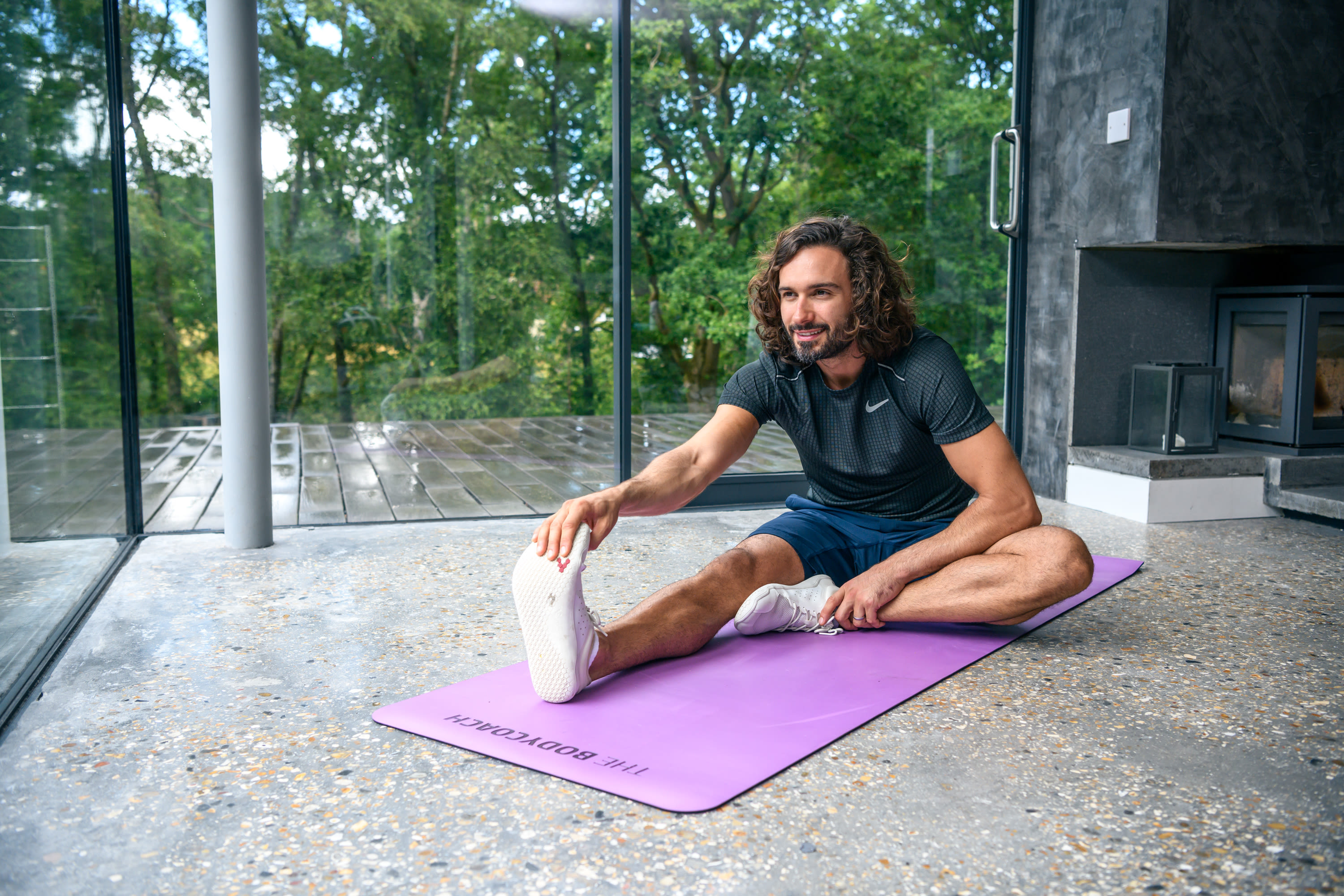
Credit: www.thebodycoach.com
Rest Needs For Beginners
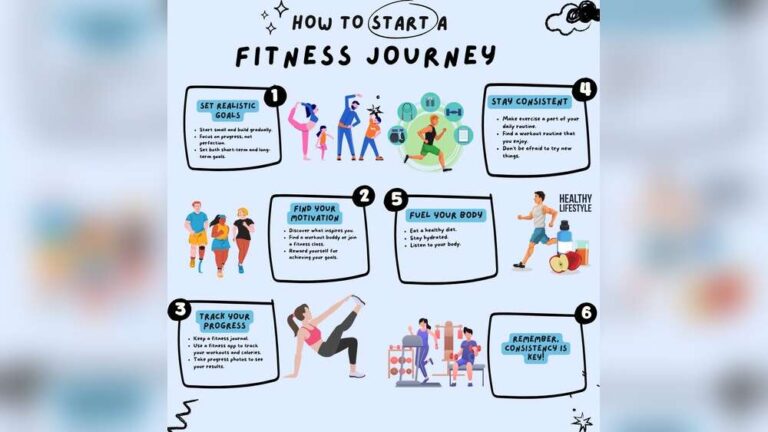
Rest is a key part of any beginner’s fitness journey. It helps the body heal and grow stronger. Without enough rest, beginners risk injury and burnout. Finding the right balance between activity and rest is crucial.
Beginners often wonder how many rest days they actually need. The answer depends on several factors, including workout intensity and personal recovery speed. Understanding rest needs helps maintain steady progress and avoid setbacks.
Signs You Need More Rest
Feeling very tired after workouts is a clear sign. Soreness that lasts more than three days may mean extra rest is needed. Poor sleep or mood changes can also show your body needs a break. Watch for slow progress or lack of motivation. These signs suggest your body is asking for more recovery time.
Common Rest Day Frequency
Most beginners benefit from two to three rest days each week. This allows muscles to repair and energy to rebuild. Rest days do not mean complete inactivity. Light walking or stretching helps keep the body moving without strain. Following this rest pattern supports steady improvement and reduces injury risk.
Individual Differences
Not all beginners need the same rest schedule. Age, fitness level, and workout type affect recovery time. Some may need more frequent rest days, while others recover faster. Listening to your body is key. Adjust rest days based on how you feel and perform during workouts.
Types Of Rest Days
Rest days are important for beginners to recover and avoid injury. There are different types of rest days. Each type helps the body heal in its own way. Choosing the right rest day can improve your progress and keep you motivated.
Understanding these types helps beginners plan their workouts better. Rest is not just about stopping exercise. It also means giving your body time to rebuild and gain strength.
Active Rest Vs Complete Rest
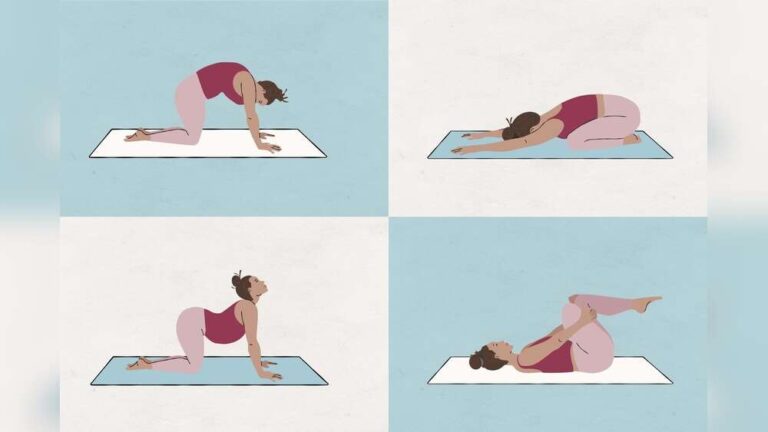
Active rest means doing light activities that keep you moving. It helps blood flow and reduces muscle stiffness. Examples include walking or gentle yoga. This type of rest keeps your body engaged without stress.
Complete rest means no physical activity at all. It allows full recovery and is good after intense workouts. Your body uses this time to repair muscle tissues. This rest type is essential if you feel very tired or sore.
Light Activities To Aid Recovery
Light activities help speed up recovery without causing fatigue. Stretching, slow cycling, or swimming are good choices. These activities relax your muscles and improve flexibility.
They also reduce soreness and help you feel fresh. Doing light exercises on rest days can make your next workout easier. Always listen to your body and choose gentle movements.
Optimizing Recovery
Rest days help your body heal and grow stronger. Optimizing recovery means using rest days well. You can improve recovery with smart habits. These habits support your muscles and energy. They help reduce soreness and prevent injury.
Good recovery makes your workouts better and safer. It lets you train more without feeling tired or hurt. Here are key ways to optimize recovery on rest days.
Nutrition Tips
Eating the right foods supports muscle repair. Include protein in every meal to help rebuild muscles. Carbohydrates refill energy stores used during exercise. Vegetables and fruits provide vitamins and minerals. Avoid heavy, greasy foods that slow recovery. Drink enough water to help nutrient absorption.
Sleep And Hydration
Sleep is the body’s main repair time. Aim for at least 7 to 8 hours of sleep. Deep sleep helps muscles heal faster. Drink water throughout the day to stay hydrated. Hydration helps reduce muscle cramps and fatigue. Avoid caffeine or alcohol before bed to improve sleep quality.
Stretching And Mobility
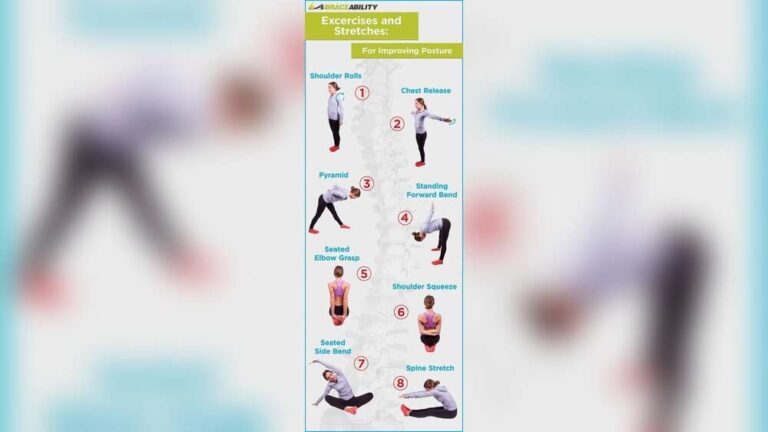
Gentle stretching reduces muscle tightness after workouts. Focus on areas that feel sore or stiff. Mobility exercises improve joint movement and flexibility. Try light activities like yoga or walking on rest days. These keep blood flowing and speed up recovery.
Adjusting Rest Over Time
Adjusting rest over time is important for beginners starting a workout routine. The body changes as fitness improves. Rest days that worked at first might need to change. Pay attention to how your body feels and adapts. Rest helps muscles recover and grow stronger. Too little rest causes tiredness and injury risks. Too much rest slows progress. Balance is key as you advance.
Listening To Your Body
Body signals guide how much rest you need. Muscle soreness, tiredness, or joint pain can mean more rest is necessary. Feeling fresh and ready to train means your rest is enough. Avoid pushing through pain or extreme fatigue. Rest days let your body heal and avoid burnout.
Increasing Workout Intensity
As workouts become harder, rest needs may grow. Adding weights, longer sessions, or more reps stresses muscles more. This means muscles need extra time to recover. Increase rest days or add light active recovery like walking. Adjust rest to match workout demands and support growth.
Tracking Progress And Fatigue
Keep a simple journal to track workouts and rest. Note energy levels, soreness, and sleep quality. Patterns show if rest is enough or too little. Consistent fatigue or poor progress means more rest is needed. Tracking helps find the best rest routine for your body.

Credit: thorfamilylaw.com
Frequently Asked Questions
How Many Rest Days Do Beginners Need Weekly?
Beginners typically need 2 to 3 rest days per week. Rest days allow muscles to recover and grow stronger. Overtraining can lead to injury and fatigue. Adequate rest improves workout performance and overall progress.
Why Are Rest Days Important For Beginners?
Rest days help repair muscle tissues and reduce soreness. They prevent burnout and keep motivation high. Without rest, beginners risk injury and slower progress. Proper rest supports long-term fitness success.
Can Beginners Train Every Day Without Rest?
Training every day without rest is not recommended for beginners. Muscles need time to recover to avoid injury. Rest days improve energy levels and workout quality. Beginners should balance exercise with sufficient recovery.
How Does Rest Affect Muscle Growth For Beginners?
Rest is crucial for muscle growth as it allows repair. During rest, the body rebuilds muscle fibers stronger than before. Lack of rest can stall progress and cause fatigue. Quality rest maximizes workout benefits for beginners.
Conclusion
Rest days help your body heal and grow stronger. Beginners need enough time to recover. Too little rest can cause tiredness and injury. Too much rest may slow progress. Listen to your body’s signals every day. Balance exercise with rest for best results.
Stay patient and consistent with your routine. This will lead to steady improvement. Remember, rest is part of your fitness journey. Take it seriously and enjoy the process.

Brandon Knoxley is a sport & fitness writer and training guide contributor at MySportFitHub. He focuses on practical workouts, performance-based training, and honest fitness gear insights designed for real people and real results. Brandon is passionate about helping beginners and active individuals train smarter, avoid common mistakes, and build sustainable fitness habits.