How to Breathe Properly During Workouts: Boost Performance Now
Are you getting the most out of your workouts? The secret might be simpler than you think: it’s all about how you breathe.
Breathing properly during exercise can boost your energy, improve your performance, and help you avoid fatigue and injury. But many people don’t realize they’re breathing wrong, which can hold them back. You’ll discover easy and effective breathing techniques that will transform your workouts and help you reach your fitness goals faster.
Keep reading—you won’t want to miss these game-changing tips!
Importance Of Proper Breathing
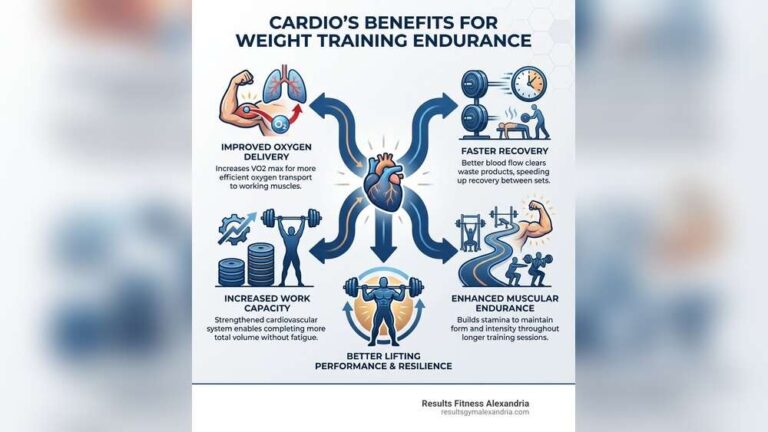
Proper breathing is a key part of any workout. It helps your body get enough oxygen. Oxygen fuels your muscles and keeps you moving. Without the right breathing, your workout may feel harder. You might get tired faster or lose focus. Breathing well supports your whole exercise routine. It improves how you perform and how you feel during workouts.
Impact On Workout Performance
Breathing properly gives your muscles the oxygen they need. This helps them work better and longer. Good breathing keeps your heart rate steady. It stops you from feeling dizzy or lightheaded. When you control your breath, you also control your energy. This helps you stay strong and balanced. Your movements become smoother and more efficient.
Benefits For Endurance And Strength
Proper breathing boosts your stamina during exercise. It helps your body use oxygen better. This means you can exercise for a longer time. Deep breathing also helps remove waste like carbon dioxide. Clearing waste reduces muscle fatigue and soreness. Strong breathing habits build your strength over time. They support both short bursts and long workouts.
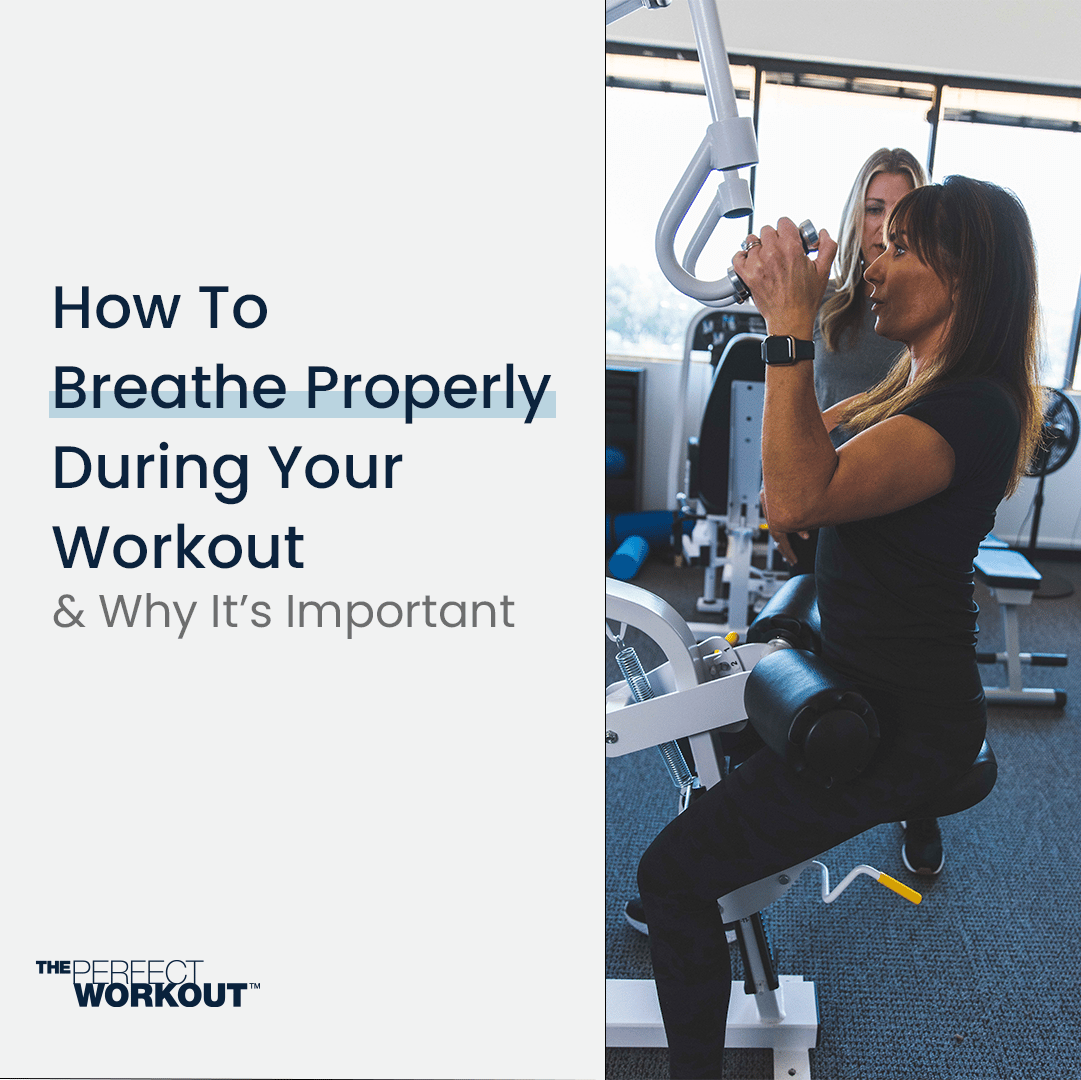
Credit: www.theperfectworkout.com
Common Breathing Mistakes
Breathing right during workouts is key for better performance and safety. Many people make common breathing mistakes that limit their exercise benefits. Avoiding these errors helps your body get enough oxygen and stay strong throughout your routine.
Shallow Breathing
Shallow breathing means taking short, quick breaths. It fills only the top part of the lungs. This limits oxygen intake and may cause tiredness fast. Deep breaths that fill the belly work best. They help you stay calm and keep energy longer.
Holding Breath
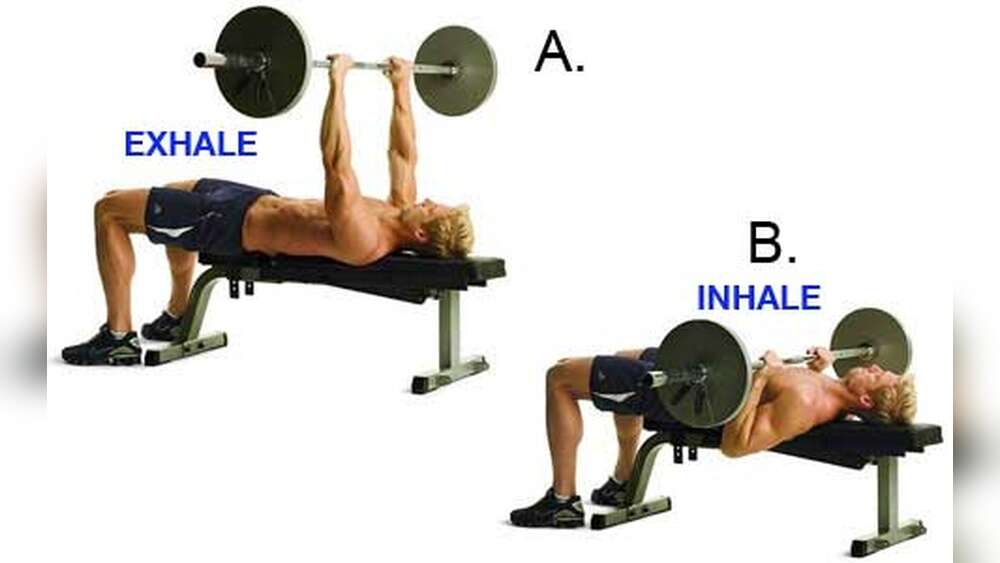
Holding your breath during exercise is a common habit. It happens during heavy lifts or intense moments. Holding breath raises blood pressure and can cause dizziness. Try to breathe out during effort and breathe in during rest. This keeps oxygen flowing and your body safe.
Irregular Breathing Patterns
Irregular breathing means breathing fast and slow without control. It makes your workout harder and less effective. Keeping a steady rhythm helps muscles get constant oxygen. Count your breaths or match them with your movements. This improves focus and endurance.
Breathing Techniques For Cardio
Breathing well during cardio helps your body get more oxygen. It also keeps your energy steady. Good breathing makes workouts easier and safer. It helps you avoid feeling too tired fast. Simple breathing habits improve your running, biking, or swimming. Learn these easy techniques to breathe right and feel better.
Rhythmic Breathing
Rhythmic breathing means matching your breath with your movements. For example, take a breath in for two steps. Then breathe out for two steps. This pattern keeps your breathing steady. It stops you from gasping or holding breath. Your muscles get a steady supply of oxygen. This reduces soreness and helps you last longer.
Try to keep your breaths even and smooth. Avoid quick, shallow breaths. They make you feel tired sooner. Count your steps and breaths to find a good rhythm. Practice often to make it natural.
Nasal Vs Mouth Breathing
Nasal breathing means breathing through your nose. Mouth breathing means breathing through your mouth. Nasal breathing filters and warms the air. It also slows down your breath. This helps keep your heart rate steady. Mouth breathing brings in more air faster. It can help during very hard exercise.
Start with nasal breathing during light exercise. Switch to mouth breathing if you need more oxygen. Try to breathe out fully each time. This helps your lungs take in fresh air. Choose the method that feels best for your workout.

Credit: www.wikihow.com
Breathing During Strength Training
Breathing properly during strength training helps improve performance and safety. It supports muscle power and keeps the body stable. Without correct breathing, you might feel dizzy or tire quickly. Focus on how you breathe to get the most from each workout.
Inhale And Exhale Timing
Inhale before you lift or push the weight. This fills your lungs with air and prepares your body. Exhale slowly as you lift or push the weight up. This helps your muscles work better and reduces pressure in your chest. Keep your breathing steady to maintain control.
Breathing Through Reps
Do not hold your breath during repetitions. Holding breath can raise blood pressure and cause strain. Breathe in during the easier part of the movement. Breathe out during the hard part, like lifting or pushing. This keeps oxygen flowing and helps you last longer.
Breathing Exercises To Improve Control
Breathing exercises help you gain control over your breath during workouts. Controlled breathing improves oxygen flow and reduces fatigue. It also helps you stay calm and focused while training. Practicing specific breathing techniques strengthens your lungs and boosts endurance.
Diaphragmatic Breathing
Diaphragmatic breathing uses the diaphragm muscle to take deep breaths. Breathe in slowly through your nose. Feel your belly rise as you fill your lungs. Exhale gently through your mouth and watch your belly fall. This exercise increases oxygen intake and calms your body.
Box Breathing
Box breathing follows a simple four-step rhythm. Inhale through your nose for four seconds. Hold your breath for four seconds. Exhale slowly through your mouth for four seconds. Pause and hold for another four seconds. Repeat the cycle to improve breath control and focus.
Pursed Lip Breathing
Pursed lip breathing slows down your breathing rate. Breathe in through your nose for two seconds. Purse your lips like you’re blowing out a candle. Exhale slowly and steadily through your lips for four seconds. This method helps reduce shortness of breath and increases lung efficiency.
Using Breath To Manage Fatigue
Managing fatigue during workouts depends a lot on how you control your breath. Proper breathing helps your muscles get more oxygen. It keeps your body calm and focused. This makes exercise feel easier and lasts longer.
Breathing To Reduce Muscle Tension
Deep breaths help relax tight muscles. When you breathe deeply, muscles get more oxygen. This reduces stiffness and pain. Try slow, steady breaths during breaks or exercise. It lowers muscle tension and helps you keep moving.
Mental Focus Through Breath
Breathing controls your mind as well as your body. Slow breaths calm your thoughts and reduce stress. This keeps you focused on your workout. Focused breathing stops your mind from wandering. It helps you push through tiredness and finish strong.
Tips For Developing Better Breathing Habits
Developing better breathing habits improves workout performance and endurance. Proper breathing helps deliver oxygen to muscles and prevents fatigue. Simple tips can make breathing during exercise more natural and effective.
Practice Consistently
Practice breathing techniques regularly to build muscle memory. Try deep belly breathing daily, not just during workouts. Consistent practice trains your body to breathe correctly under stress. Over time, proper breathing becomes automatic during exercise.
Incorporate Breathing In Warm-ups
Use warm-ups to focus on your breath. Start with slow, deep breaths to calm your mind and body. Sync your breath with movement to create rhythm. This prepares your lungs and muscles for more intense activity.
Use Reminders During Workouts
Set small reminders to check your breathing during exercise. Pause briefly and notice if your breath is shallow or fast. Slow your breathing if needed to maintain control. Controlled breathing supports better form and stamina.
Credit: www.theperfectworkout.com
Frequently Asked Questions
How Should I Breathe During Intense Workouts?
During intense workouts, focus on deep, rhythmic breathing. Inhale through your nose and exhale through your mouth. This helps deliver oxygen efficiently to your muscles and prevents fatigue.
Why Is Proper Breathing Important While Exercising?
Proper breathing improves oxygen flow to muscles, boosts endurance, and enhances performance. It also reduces muscle tension and helps maintain focus during workouts.
Can Breathing Techniques Improve Workout Recovery?
Yes, controlled breathing helps lower heart rate and reduce muscle soreness. It promotes relaxation and speeds up recovery after intense physical activity.
How Do I Avoid Breathlessness During Exercise?
Maintain steady, deep breaths rather than shallow, rapid ones. Practice diaphragmatic breathing to increase lung capacity and prevent breathlessness during workouts.
Conclusion
Proper breathing helps you exercise better and feel stronger. It keeps your body full of oxygen and your mind calm. Practice deep breaths and steady rhythms during workouts. This makes your muscles work well and lasts longer. Remember, slow and steady breaths beat fast and shallow ones.
Keep focusing on your breath every time you train. It will improve your performance and keep you safe. Breathe right, and your workouts become easier and more enjoyable. Small changes in breathing bring big benefits over time. Keep breathing well and enjoy your fitness journey.

Brandon Knoxley is a sport & fitness writer and training guide contributor at MySportFitHub. He focuses on practical workouts, performance-based training, and honest fitness gear insights designed for real people and real results. Brandon is passionate about helping beginners and active individuals train smarter, avoid common mistakes, and build sustainable fitness habits.