How Much Do Dumbbells Weigh On Each Side: Weight Guide
A dumbbell’s listed weight is its total weight, not the weight on each side.
Knowing how much do dumbbells weigh on each side helps you choose the right load, compare workouts, and avoid a common gym mistake. A fixed dumbbell is one complete weight, while an adjustable dumbbell may hold plates on both ends. This guide explains the math, gives clear examples, and shows how to read dumbbell labels with confidence.
What Does a Dumbbell’s Weight Mean?
A dumbbell’s weight usually means the weight of the entire dumbbell. If a dumbbell says 20 pounds, you are lifting 20 pounds with one hand, not 10 pounds on each side.
The handle and both ends make up the total weight. The weight is not normally split into two equal parts for training purposes.
For example:
• A 10-pound dumbbell weighs 10 pounds in total.
• A 25-pound dumbbell weighs 25 pounds in total.
• A pair of 25-pound dumbbells gives you 50 pounds of equipment, but each hand lifts 25 pounds.
This is the first key point when asking how much do dumbbells weigh on each side. The answer depends on whether you mean a fixed dumbbell, an adjustable dumbbell, or a barbell loaded with plates.
How Much Do Dumbbells Weigh on Each Side?
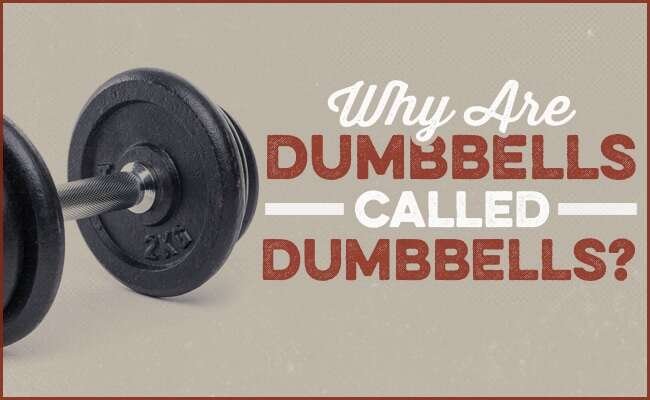
For a fixed dumbbell, the weight on each end is often close to half the total weight, but it is not always exactly half. The handle may weigh more or less than the two metal heads.
A 20-pound dumbbell may have:
• About 9 pounds on one end
• About 9 pounds on the other end
• About 2 pounds in the handle
That adds up to 20 pounds. However, many fixed dumbbell makers do not publish the exact weight of each part because the user only needs the total weight.
So, how much do dumbbells weigh on each side? In most cases, each side carries roughly half of the dumbbell’s total weight, with the handle making up the small difference.
Simple weight estimate
You can use this basic formula:
Weight on each end ≈ (total dumbbell weight minus handle weight) ÷ 2
If a 30-pound dumbbell has a 2-pound handle:
(30 − 2) ÷ 2 = 14 pounds per end
This is only an estimate. The true balance may vary by brand, shape, and material.

Fixed Dumbbells Versus Adjustable Dumbbells
The answer to how much do dumbbells weigh on each side changes based on the dumbbell design.
Fixed dumbbells
Fixed dumbbells have permanent heads attached to one handle. You cannot remove or add weight.
Common fixed dumbbell types include:
• Cast iron dumbbells
• Rubber hex dumbbells
• Neoprene dumbbells
• Urethane dumbbells
• Studio dumbbells with soft coatings
A fixed dumbbell is labeled by its full weight. A 15-pound dumbbell weighs 15 pounds from end to end.
Adjustable dumbbells
Adjustable dumbbells use plates, blocks, or selector pins to change the load. With a plate-loaded model, you may add the same amount to both ends.
For example, an adjustable dumbbell may include:
• A 5-pound handle
• Two 2.5-pound plates on each side
• A total weight of 15 pounds
The math is:
5 + 2.5 + 2.5 + 2.5 + 2.5 = 15 pounds
In this example, the plates add 5 pounds to each side, while the handle adds the rest.
selectorized adjustable dumbbells
Some adjustable dumbbells use a dial or pin system. The selected number usually shows the total weight of one dumbbell.
Always check the product manual. Some brands include the handle in the displayed number, while others explain the selected load in a different way.

How to Calculate Weight on Each Side of an Adjustable Dumbbell
Plate-loaded dumbbells are easy to calculate when you know the weight of every part.
Use this formula:
Total dumbbell weight = handle weight + all plates and collars
To find the plate weight on each side:
Weight per side = plates on one end added together
Consider this example:
• Handle weight: 4 pounds
• Two 5-pound plates on each side
• Total plate weight: 20 pounds
• Total dumbbell weight: 24 pounds
Each side holds 10 pounds of plates. The handle weighs 4 pounds and is counted once.
Another example uses smaller plates:
• Handle: 3 pounds
• One 5-pound plate and one 2.5-pound plate on each side
• Plates per side: 7.5 pounds
• Total plate weight: 15 pounds
• Total dumbbell weight: 18 pounds
This is why asking how much do dumbbells weigh on each side requires careful wording. The plates may be equal on both sides, but the full dumbbell weight includes the handle and collars.
Dumbbell Weight Conversion: Pounds and Kilograms
Dumbbells may be labeled in pounds, kilograms, or both. The conversion can help when you train in a gym with equipment from different countries.
Useful conversions include:
• 1 kilogram = 2.205 pounds
• 5 kilograms = 11.02 pounds
• 10 kilograms = 22.05 pounds
• 15 kilograms = 33.07 pounds
• 20 kilograms = 44.09 pounds
If a dumbbell is labeled 10 kilograms, the entire dumbbell weighs about 22 pounds. It does not mean 10 kilograms on each side.
A pair of 10-kilogram dumbbells gives you about 44 pounds of combined equipment. Still, each arm handles about 22 pounds during a two-arm exercise.
Small differences are normal. A manufacturer may round the label, and a home scale may show a slightly different number.
Does Each Side of a Dumbbell Need to Weigh the Same?
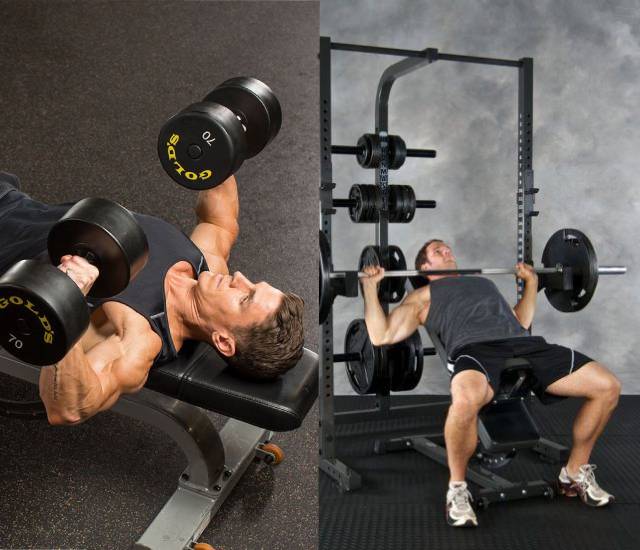
Yes, both ends should usually have equal weight. Even loading keeps the dumbbell balanced and makes the movement safer and smoother.
Uneven loading can cause several problems:
• The dumbbell may tilt during a curl or press.
• Your wrist may bend to control the uneven load.
• One side of the handle may pull harder than the other.
• The plates may loosen or shift.
• The exercise may feel less stable.
With adjustable dumbbells, place matching plates on both ends. Tighten the collars firmly, but do not force them so hard that you damage the threads.
Some specialized dumbbells are designed for uneven loading, but these are not typical gym dumbbells. For standard strength training, equal loading is the best rule.
How Dumbbell Weight Feels During Exercise
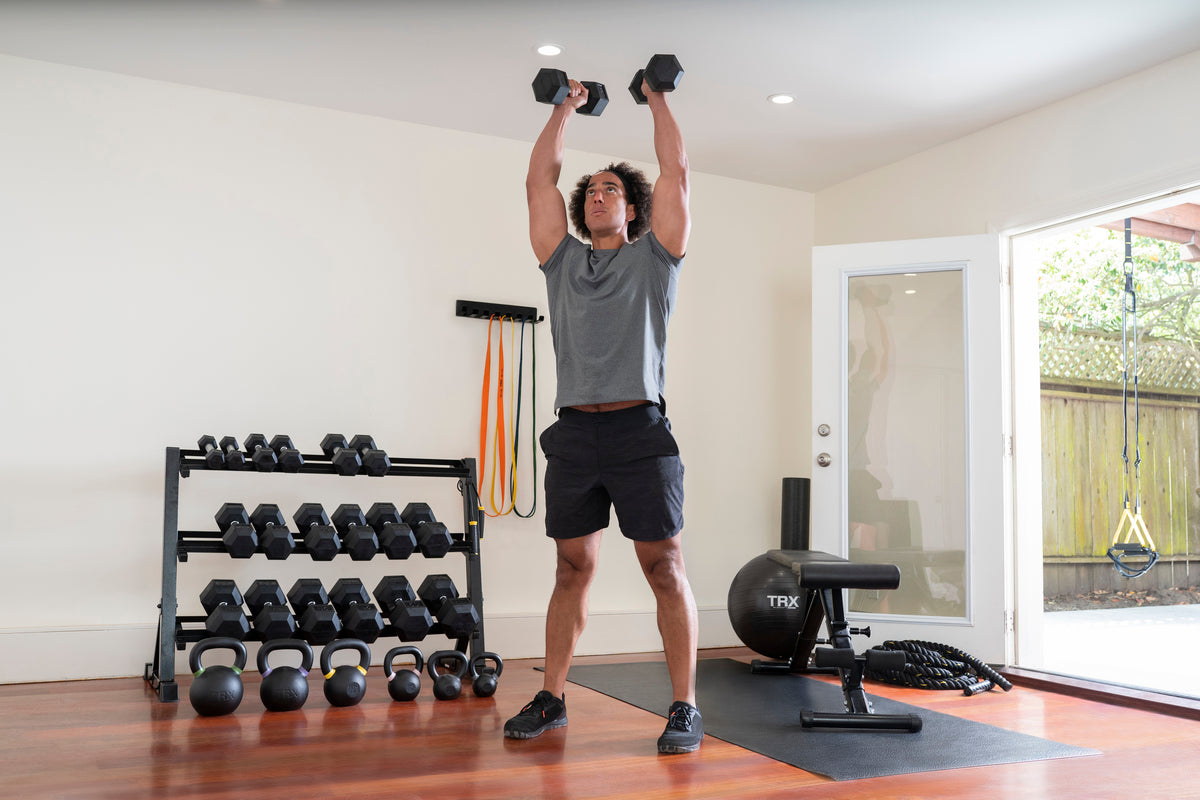
The listed dumbbell weight is important, but it does not tell the whole story. A dumbbell can feel harder or easier based on the exercise, grip, range of motion, and speed.
A 20-pound dumbbell may feel manageable during a two-arm row. The same 20-pound dumbbell may feel much harder during a lateral raise because the shoulder muscles work with a long lever.
Other factors include:
• A slow lowering phase increases muscle tension.
• A wide grip can change the movement path.
• A full range of motion may make the lift harder.
• Poor balance can make a dumbbell feel heavier.
• Fatigue can reduce your control near the end of a set.
This explains why two exercises with the same dumbbell weight can feel completely different. The number is fixed, but the challenge changes.

Dumbbells, Barbells, and Weight Per Side
Many people asking how much do dumbbells weigh on each side are actually thinking about a barbell. The two types of equipment use different weight labels.
A dumbbell label normally shows the weight of one complete dumbbell. A barbell setup is usually described by the bar weight plus the plates loaded on both sides.
For example:
• Barbell: 45 pounds
• Plates: 25 pounds on each side
• Total weight: 95 pounds
The calculation is:
45 + 25 + 25 = 95 pounds
In this case, the barbell has 25 pounds of plates on each side. The bar itself contributes weight across the center.
A pair of 25-pound dumbbells, however, means 25 pounds in each hand and 50 pounds total. It does not mean 25 pounds total split between both hands.

How to Check the Actual Weight of a Dumbbell
Manufacturers aim for accurate labels, but small differences can occur. Coatings, handles, collars, and production tolerances may affect the exact weight.
You can check a dumbbell at home with a reliable bathroom scale:
-
Weigh yourself while standing normally.
-
Weigh yourself while holding one dumbbell.
-
Subtract your body weight from the combined reading.
For example:
• Your body weight: 180 pounds
• Your weight holding a dumbbell: 205 pounds
• Estimated dumbbell weight: 25 pounds
This method works best with a digital scale and a steady stance. It may not detect small differences, such as a few ounces.
A luggage scale can also help with some adjustable designs. Do not hang a heavy dumbbell from a weak strap or an unstable object.
Common Mistakes When Measuring Dumbbell Weight
The most common mistake is counting each end as the full listed weight. If a dumbbell says 30 pounds, both ends together make up the 30-pound total.
Other mistakes include:
• Counting a pair as one dumbbell
• Forgetting the handle weight on an adjustable model
• Confusing kilograms with pounds
• Assuming every brand uses the same labeling system
• Loading different plates on each side
• Treating dumbbell weight like barbell plate weight
A practical habit is to read the label, check the unit, and confirm whether the number applies to one dumbbell or a pair. This takes only a few seconds and prevents poor load tracking.
When tracking progress, record “20-pound dumbbells” or “20 pounds in each hand.” That wording is much clearer than simply writing “40 pounds.”
Choosing the Right Dumbbell Weight
The best dumbbell weight lets you use good form through your target number of repetitions. Your goal, exercise, experience, and fitness level all matter.
For general strength work, choose a weight that allows about 6 to 12 controlled repetitions. For lighter isolation exercises, 10 to 20 repetitions may be more suitable.
Use these signs to guide your choice:
• The first repetitions feel controlled.
• Your joints stay in a safe position.
• You can complete the set without swinging.
• The final repetitions feel challenging.
• You can lower the dumbbell with control.
If your form breaks early, reduce the load. If you can complete many extra repetitions with ease, increase the weight slightly during your next session.
The American College of Sports Medicine supports gradual progression in resistance training. You do not need to make large jumps. A small increase can produce steady progress while reducing injury risk.
A Practical Example for a Home Workout
Suppose you have two adjustable dumbbells. Each handle weighs 4 pounds, and you load one 5-pound plate on each side.
Each dumbbell weighs:
4 + 5 + 5 = 14 pounds
You now have:
• 14 pounds in your left hand
• 14 pounds in your right hand
• 28 pounds of total dumbbell equipment
If you add a 2.5-pound plate to each end, each dumbbell becomes 19 pounds:
4 + 5 + 2.5 + 5 + 2.5 = 19 pounds
The new two-hand total is 38 pounds. This example shows how much do dumbbells weigh on each side in a real home setup. Each end holds 7.5 pounds of plates, but each complete dumbbell weighs 19 pounds.
Safety Tips for Adjustable Dumbbells
Adjustable dumbbells need more attention than fixed models. Loose plates can move during a lift, especially during presses, rows, and swings.
Follow these basic rules:
• Match the plate weight on both ends.
• Tighten collars before every set.
• Check the threads for wear or damage.
• Keep plates seated close to the handle.
• Avoid dropping plate-loaded dumbbells.
• Use a clear, stable training area.
• Start with a light load after changing the plates.
A quick shake test can reveal a loose collar, but do not shake a heavy dumbbell near your body. Hold it low and away from your feet while checking it.
Replace damaged collars or handles. A small equipment problem can become a serious safety issue when the load is overhead.
What Experts Say About Tracking Resistance
Strength and conditioning professionals usually track the external load, repetitions, sets, and exercise form. For dumbbell training, the external load is normally the weight of one dumbbell in one hand.
That means a workout note might say:
Dumbbell bench press: 3 sets of 10 with 30-pound dumbbells
This means 30 pounds in each hand. The combined load held by both arms is 60 pounds, but the standard record describes the dumbbell weight per hand.
Research on resistance training also shows that consistent progression matters more than using a specific weight number. Your muscles respond to the total training challenge, which includes load, repetitions, sets, rest, and technique.
Labels help you measure progress, but they are only one part of the picture.
Frequently Asked Questions: How Much Do Dumbbells Weigh on Each Side?
Does a 20-pound dumbbell weigh 10 pounds on each side?
Not exactly. A 20-pound dumbbell weighs 20 pounds in total, and the two ends may weigh roughly 9 pounds each while the handle makes up the rest.
Is dumbbell weight listed per hand?
Yes, fixed dumbbell labels usually show the weight of one complete dumbbell. If you use two 25-pound dumbbells, you are lifting 25 pounds in each hand and 50 pounds in total.
How do I calculate the weight on each side of an adjustable dumbbell?
Add the plates placed on one end. Then add the handle weight once to find the full weight of the adjustable dumbbell.
Does the handle count in dumbbell weight?
Yes. The handle is part of the complete dumbbell, so it counts toward the listed or measured weight.
Are dumbbell weights always exact?
No. Small differences may occur because of manufacturing tolerances, coatings, handles, and rounded labels. A scale can give you a closer estimate if exact weight matters.
Should both sides of an adjustable dumbbell match?
Yes. Equal plates on both ends keep the dumbbell balanced and improve control. Uneven loading can stress your wrist and make the exercise unstable.
Is a pair of 30-pound dumbbells equal to a 60-pound dumbbell?
No. A pair of 30-pound dumbbells gives you 30 pounds in each hand and 60 pounds of combined equipment. One 60-pound dumbbell is a different load for one arm.
Conclusion
A fixed dumbbell’s label shows the total weight of one complete dumbbell, not the weight of each end. The two sides usually hold close to half the load, while the handle accounts for the remaining weight. With adjustable dumbbells, add the plates on one side and include the handle to find the full weight.
Check the unit, match both sides, and record the weight clearly in your workout log. Once you understand how much do dumbbells weigh on each side, it becomes much easier to choose safe loads and track real progress. Use these tips in your next workout, and share your favorite dumbbell setup or training question in the comments.

Brandon Knoxley is a sport & fitness writer and training guide contributor at MySportFitHub. He focuses on practical workouts, performance-based training, and honest fitness gear insights designed for real people and real results. Brandon is passionate about helping beginners and active individuals train smarter, avoid common mistakes, and build sustainable fitness habits.