What Sizes Do Dumbbells Come In: Complete Weight Guide
Dumbbells come in weights from 1 to 150 pounds or more, with sizes suited to every fitness level.
Knowing what sizes do dumbbells come in helps you choose the right pair for strength training, muscle gain, home workouts, or simple daily exercise. Dumbbell weight can vary by brand, handle style, and gym, so this guide explains common sizes, useful weight ranges, and how to select the best option without wasting money or risking injury.
What sizes do dumbbells come in?
Dumbbells come in many sizes, most often measured in pounds in the United States. Light dumbbells may weigh 1, 2, or 3 pounds, while heavy gym dumbbells can weigh 100 pounds or more.
Common fixed dumbbell sizes include:
• 1 to 5 pounds for gentle exercise, rehabilitation, and small muscle movements
• 8 to 15 pounds for beginners and many upper-body exercises
• 20 to 35 pounds for regular strength training
• 40 to 60 pounds for stronger lifters and lower-body movements
• 70 to 100 pounds or more for advanced strength work
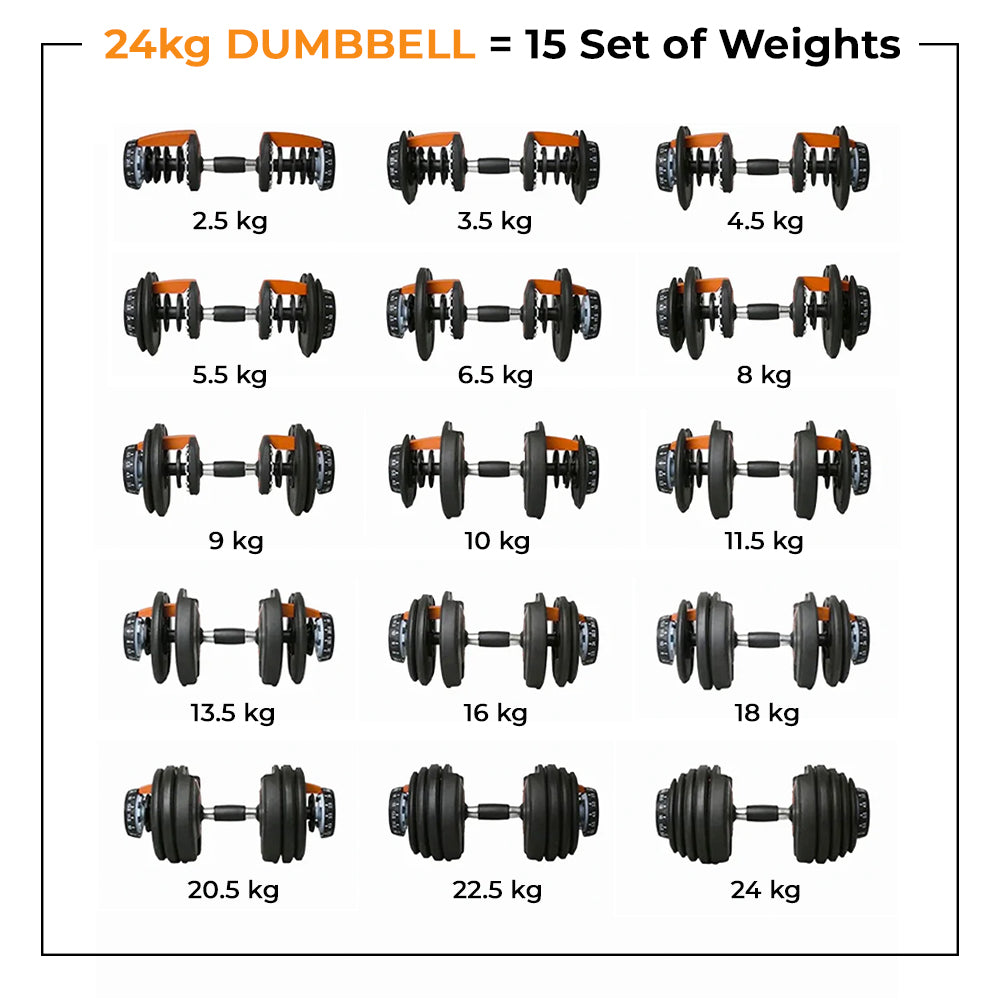
Some gyms offer dumbbells in 2.5-pound steps. Others increase by 5 pounds. For example, a rack may include 5, 10, 15, 20, and 25 pounds, while another may include 5, 7.5, 10, 12.5, and 15 pounds.
Dumbbells are also sold in kilograms. A 10-pound dumbbell weighs about 4.5 kilograms, while a 20-pound dumbbell weighs about 9 kilograms. This difference matters when comparing American and international equipment.
Standard dumbbell weight chart
A dumbbell weight chart makes it easier to understand the range available. The best size depends on your exercise, strength, training age, and goals.
| Dumbbell size | Common use |
|---|---|
| 1 to 3 pounds | Shoulder raises, physical therapy, mobility work |
| 5 to 8 pounds | Beginner curls, lateral raises, light presses |
| 10 to 15 pounds | Beginner rows, presses, goblet squats |
| 20 to 30 pounds | General strength training and home workouts |
| 35 to 50 pounds | Advanced presses, rows, lunges, and squats |
| 55 to 75 pounds | Heavy rows, carries, presses, and lower-body work |
| 80 to 100 pounds | Advanced strength training |
| More than 100 pounds | Serious lifting, strongman work, and specialized training |
This chart is only a starting point. A person may use 10-pound dumbbells for shoulder raises but 40-pound dumbbells for goblet squats. The muscles used, movement pattern, and range of motion all affect the right weight.
When asking what sizes do dumbbells come in, remember that weight jumps are not always equal. Adjustable dumbbells may use smaller changes, such as 2.5 or 5 pounds, while fixed dumbbells often follow the rack system used by the gym.

What dumbbell sizes should beginners use?
Most beginners should start with a weight that allows controlled movement for 8 to 15 repetitions. For many adults, this may mean 5 to 15 pounds per hand for upper-body exercises and 15 to 30 pounds for lower-body exercises.
These ranges are not rules. A beginner with sports experience may need more weight, while someone recovering from an injury may need much less. The right starting size should feel challenging but safe.
Use this simple test:
-
Choose a light starting weight.
-
Perform 10 slow repetitions.
-
Check your form, breathing, and control.
-
Add weight only if the final repetitions still feel easy.
-
Stop if you need to swing, twist, or hold your breath to finish.
A useful target is to finish a set with about two or three good repetitions left. This approach supports steady progress without making every workout a test of maximum strength.
One common mistake is buying dumbbells that are too heavy because they seem like better value. Heavy weights can sit unused if they make basic exercises uncomfortable. A lighter pair that you use often is more useful than a heavy pair that gathers dust.

How to choose the right dumbbell size
Choosing a dumbbell size starts with the exercise. A weight that works for a chest press may be too heavy for a lateral raise. Think of each dumbbell as a tool, not a one-size-fits-all solution.
Match the weight to the exercise
Use lighter weights for movements that involve small muscles or require precise control:
• Lateral raises
• Front raises
• Reverse flyes
• Triceps kickbacks
• Wrist exercises
Use moderate weights for common upper-body exercises:
• Biceps curls
• Shoulder presses
• Chest presses
• One-arm rows
Use heavier weights for exercises that involve the legs, hips, and several muscle groups:
• Goblet squats
• Romanian deadlifts
• Lunges
• Step-ups
• Farmer’s carries
Consider your goal
Muscle endurance often involves lighter weights and higher repetitions. Muscle growth usually requires a challenging load across moderate repetitions. Strength training often uses heavier weights, fewer repetitions, and longer rest periods.
The American College of Sports Medicine recommends resistance training that challenges the major muscle groups and progresses over time. The exact dumbbell size matters less than using sound form and gradually increasing the challenge.
Use the repetition test
If you can perform 20 repetitions with perfect form and little effort, the weight may be too light for your current goal. If you cannot complete 6 controlled repetitions, it may be too heavy.
This test is flexible. Some exercises, such as lateral raises, may use lighter weights for 12 to 20 repetitions. Large movements, such as deadlifts, may use heavier weights for 6 to 12 repetitions.

Fixed versus adjustable dumbbell sizes
Fixed dumbbells have one permanent weight. An adjustable dumbbell uses plates, pins, or a dial to change the load.
Fixed dumbbells
Fixed dumbbells are common in commercial gyms. They are quick to use and feel stable because the weight is built into the unit.
Benefits include:
• Fast changes between exercises
• Strong, simple construction
• No plates to adjust
• Good balance for regular training
Limitations include:
• Higher cost when buying many sizes
• More storage space
• Less flexibility for home users
Fixed dumbbells often have rubber, urethane, or metal heads. Rubber models can protect floors, while metal models may be more compact.
Adjustable dumbbells
Adjustable dumbbells let you change the weight in a small space. Some use removable plates, while others use a selector system.
Benefits include:
• Several weights in one set
• Lower storage needs
• Good value for home gyms
• Easy progression for new lifters
Limitations include:
• Slower weight changes
• Some models feel bulky
• Dial systems may need careful handling
• Weight balance can vary by design
If you are asking what sizes do dumbbells come in for a home gym, adjustable models may offer the best range. A set that moves from 5 to 50 pounds can replace many fixed pairs.

What dumbbell sizes are best for a home gym?
A basic home gym does not need every dumbbell size. Most people can train well with a small range that matches their current ability and future progress.
A practical starter setup may include:
• 5-pound dumbbells for warm-ups and shoulder work
• 10-pound dumbbells for light upper-body exercises
• 15- or 20-pound dumbbells for presses and rows
• 25- or 30-pound dumbbells for squats and lunges
• Adjustable dumbbells for gradual increases
If space and budget allow, add weights in 5-pound steps. Smaller increases are helpful for shoulder exercises and movements where a 5-pound jump feels too large.
Your floor also matters. Dropping heavy iron dumbbells can damage wood, tile, or concrete. Use rubber-coated weights, a lifting platform, or protective flooring when possible.
Measure the dumbbell length before buying. Some adjustable models become wide at heavier settings. A wide dumbbell may touch your arms, chest, or legs during certain movements.
How dumbbell weight increases work
Progressive overload means making an exercise harder over time. Increasing dumbbell size is one way to do this, but it is not the only way.
You can progress by:
• Adding 2.5 to 5 pounds
• Performing more repetitions
• Adding another set
• Slowing the lowering phase
• Resting less between sets
• Improving your range of motion
• Using better form
For example, suppose you perform three sets of 10 goblet squats with a 25-pound dumbbell. Once the sets feel controlled, move to 30 pounds or perform three sets of 12 repetitions.
Small increases usually work better than large jumps. A sudden jump from 20 to 30 pounds represents a 50 percent increase. That may be too much for a shoulder press but reasonable for a squat.
A lesson many lifters learn is that progress is not always dramatic. Adding just 2.5 pounds, or completing one more controlled repetition, can build strength over time. Consistency beats chasing impressive numbers.
Common mistakes when choosing dumbbell sizes
The most common mistake is using a weight that is too heavy for the movement. Poor form can place stress on the joints and reduce the work done by the target muscles.
Avoid these errors:
• Choosing weight based on ego rather than control
• Buying only one heavy pair
• Ignoring the difference between upper- and lower-body exercises
• Increasing weight before mastering technique
• Holding your breath during every repetition
• Training through sharp or sudden pain
• Forgetting to warm up
Muscle fatigue is normal. Sharp pain, numbness, or joint pain is not. Stop the movement and seek medical advice if symptoms continue or appear severe.
Another mistake is assuming both sides have the same strength. One arm may be weaker than the other. Single-arm exercises can reveal this difference and help you train each side fairly.

Dumbbell sizes for specific exercises
The right dumbbell size changes from one exercise to another. The following examples show why a single “ideal” weight does not exist.
Dumbbell curls
Many beginners use 5 to 15 pounds per hand. The correct size lets you keep your elbows near your sides without swinging your body.
Shoulder presses
A common starting range is 5 to 15 pounds per hand. Use a lighter size if your back arches or your wrists bend during the press.
Lateral raises
Lateral raises often require much less weight than people expect. Many lifters use 2.5 to 10 pounds because the shoulder muscles work through a long lever.
One-arm rows
Rows often allow more weight than curls or raises. Beginners may use 15 to 30 pounds, while experienced lifters may use much more.
Goblet squats
Goblet squats can use 15 to 50 pounds or more. Choose a weight that lets you keep your chest tall and reach a comfortable depth.
Farmer’s carries
Farmer’s carries often use heavy dumbbells because the goal is to challenge grip, posture, and the full body. Start with a manageable load and walk with steady steps.
These examples explain why what sizes do dumbbells come in is only the first question. The more useful question is which dumbbell size fits your exercise and goal.
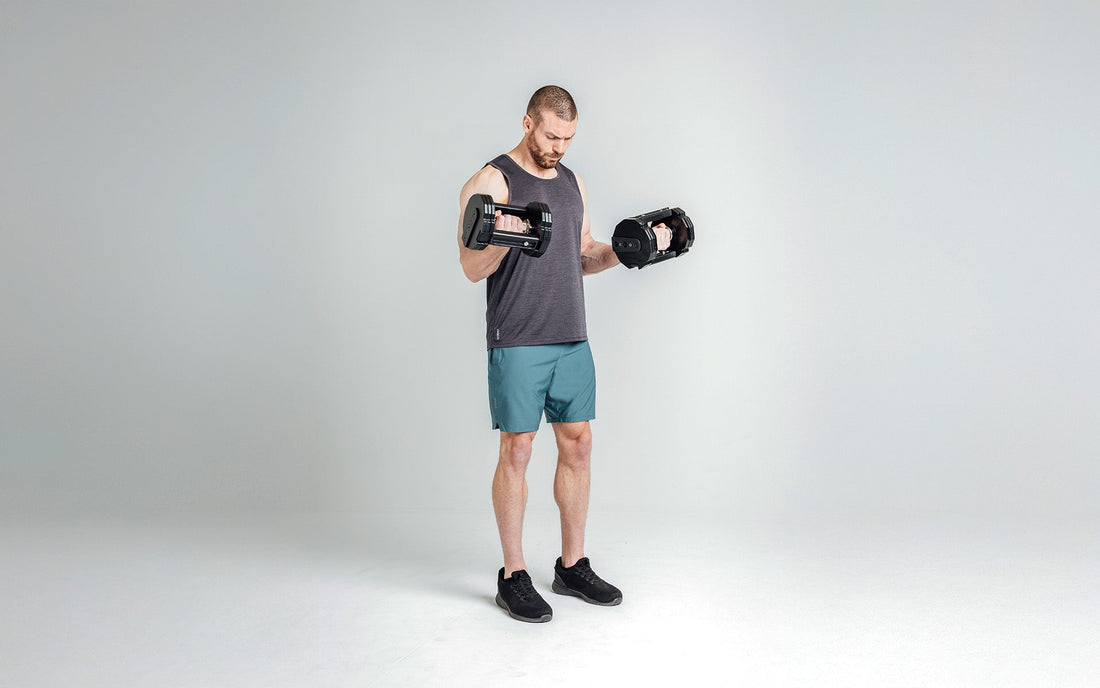
Frequently Asked Questions of what sizes do dumbbells come in
What is the smallest dumbbell size available?
The smallest common dumbbells weigh 1 pound each. Some therapy and fitness products are available in weights below 1 pound, but these are less common in standard gym racks.
What is the heaviest dumbbell size available?
Commercial gyms may carry dumbbells weighing 100 to 150 pounds or more. Specialized strength gyms may offer even heavier models, but most home users do not need them.
Are dumbbells measured individually or as a pair?
Dumbbell weight is normally listed for one dumbbell. A pair of 20-pound dumbbells weighs 40 pounds in total.
What dumbbell size should women start with?
Many women begin with 5 to 15 pounds for upper-body exercises and 10 to 30 pounds for lower-body exercises. Personal strength, exercise choice, and training experience matter more than gender.
What dumbbell size should men start with?
Many men begin with 10 to 20 pounds for upper-body movements and 20 to 40 pounds for lower-body exercises. These are broad starting ranges, not strict standards.
Are adjustable dumbbells worth buying?
Adjustable dumbbells are often useful for home gyms because one set can cover several sizes. Check the adjustment system, maximum weight, handle length, and warranty before buying.
Should dumbbells increase by 2.5 or 5 pounds?
Both options can work. A 2.5-pound increase is useful for smaller muscles and gradual progress, while a 5-pound increase may suit larger exercises such as squats and rows.
How do I know if my dumbbells are too heavy?
Your dumbbells may be too heavy if you lose control, change your posture, swing the weight, or cannot complete the target repetitions. Lower the weight and rebuild your form before progressing.
Conclusion
Dumbbells come in sizes from very light 1-pound weights to commercial models weighing 100 pounds or more. Most beginners can start with 5 to 15 pounds for upper-body work and 15 to 30 pounds for lower-body exercises, then adjust based on control and progress.
The best dumbbell size is the one that challenges you while allowing smooth, safe repetitions. Start modestly, track your workouts, and increase the load in small steps. Explore more strength-training guides, compare adjustable dumbbell sets, and share your favorite home workout tips.

Brandon Knoxley is a sport & fitness writer and training guide contributor at MySportFitHub. He focuses on practical workouts, performance-based training, and honest fitness gear insights designed for real people and real results. Brandon is passionate about helping beginners and active individuals train smarter, avoid common mistakes, and build sustainable fitness habits.