How Much Is A Dog Treadmill: 2026 Cost Guide
A dog treadmill usually costs $300 to $2,000, with premium models reaching $5,000.
If you are asking how much is a dog treadmill, the real answer depends on size, motor power, safety features, and brand quality. This guide breaks down the full cost, explains what you get at each price level, and shares practical tips to help you buy the right machine without overspending.
How Much Is a Dog Treadmill?
The average dog treadmill costs between $300 and $2,000 in the United States. Small, basic models often sit near the lower end, while strong treadmills for large dogs can cost well above $1,000.
Here is a simple price guide:
• Budget dog treadmills: $300 to $600
• Mid-range dog treadmills: $600 to $1,200
• Premium dog treadmills: $1,200 to $2,500
• Professional rehabilitation treadmills: $2,500 to $5,000 or more
• Used dog treadmills: $100 to $800
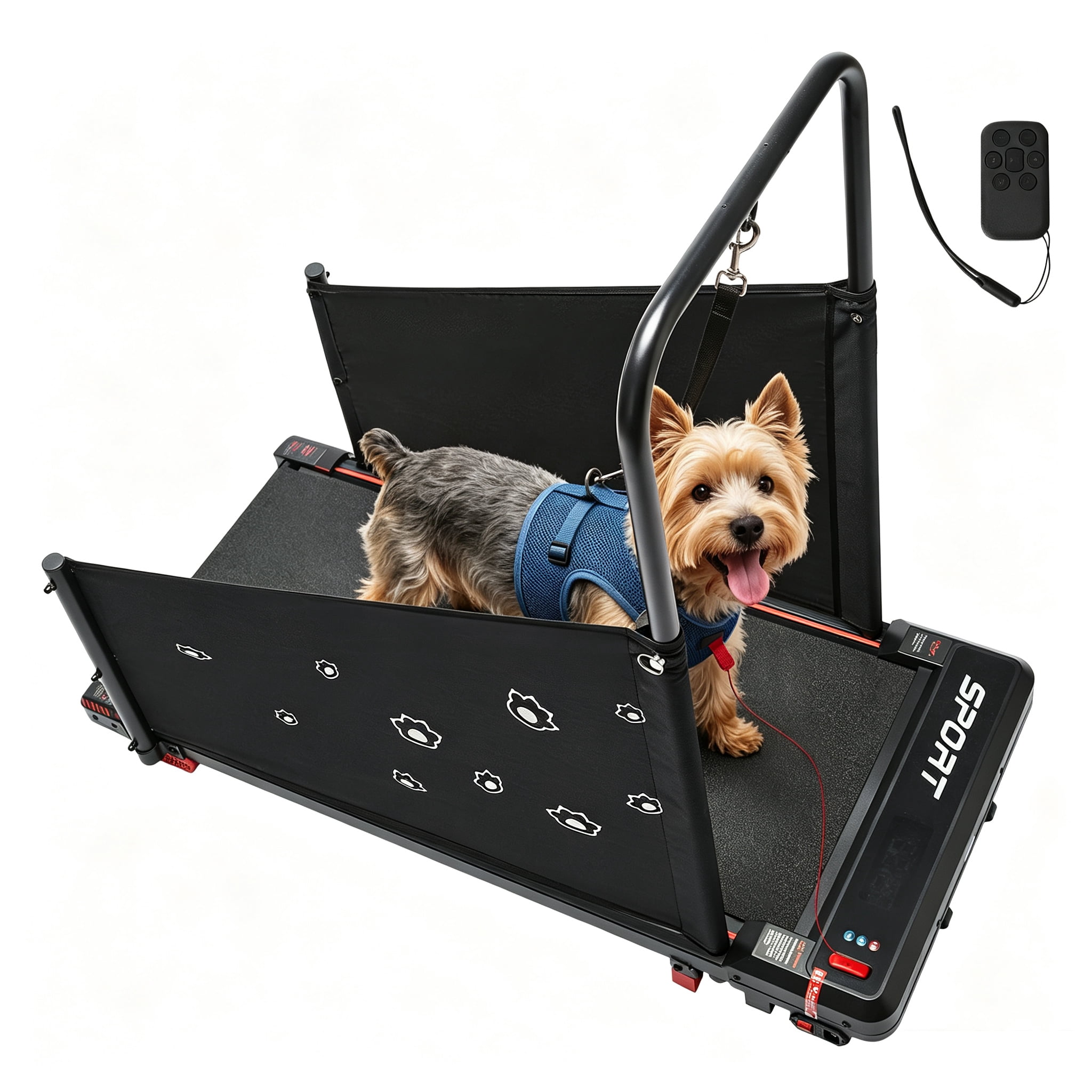
A dog treadmill is not the same as a human treadmill. It is built with a narrower walking belt, side panels, lower controls, and safety features designed for dogs. These details affect the price.
In my experience comparing pet exercise equipment, the cheapest machine is rarely the best value. A low price may mean a weak motor, poor belt control, limited safety features, or a short warranty. It is better to match the treadmill to your dog’s size and needs than to choose by price alone.

Dog Treadmill Cost by Price Range
Budget models: $300 to $600
Budget treadmills are usually made for small or medium dogs. They may have a shorter belt, a lower weight limit, and fewer speed settings.
Most include basic features such as:
• A simple remote control
• Adjustable walking speeds
• A safety key
• Side panels or rails
• A compact frame
• A basic LCD display
These models can work well for light home use. They may suit a small dog that needs gentle indoor exercise during rain, heat, or cold weather.
However, budget models may struggle with large, heavy, or highly active dogs. Some also make more noise and may not have a strong enough motor for daily use.
Mid-range models: $600 to $1,200
This range offers the best balance for many pet owners. Mid-range dog treadmills often have stronger motors, longer belts, better controls, and improved frame stability.
You may also find:
• Remote and manual controls
• Preset exercise programs
• Adjustable incline
• Better belt cushioning
• Emergency stop systems
• Higher weight limits
• Longer warranties
If you want a reliable dog treadmill for regular home use, this is often the most practical price range. It gives your dog room to walk safely without paying for features you may never use.
Premium models: $1,200 to $2,500
Premium dog treadmills are designed for large breeds, frequent use, or advanced exercise plans. They often use stronger materials and more powerful motors.
Premium features can include:
• Longer and wider walking surfaces
• Quiet motor systems
• Improved shock absorption
• Automatic incline adjustment
• Remote speed control
• Built-in training programs
• Foldable or heavy-duty frames
• Advanced safety sensors
A premium dog treadmill can be useful for dogs with high exercise needs. It may also suit homes with more than one dog.
Rehabilitation models: $2,500 to $5,000 or more
Veterinary clinics, canine sports centers, and rehabilitation facilities may use specialized treadmills. Some are designed for underwater exercise, while others support precise walking therapy.
These machines can include:
• Water tanks
• Weight support systems
• Clinical speed controls
• Therapy settings
• Non-slip surfaces
• Professional monitoring tools
This level of equipment is usually too expensive for a typical home. If your dog needs rehabilitation, ask your veterinarian or a certified canine physical therapist whether buying one makes sense.

What Changes the Price of a Dog Treadmill?
The answer to how much is a dog treadmill depends on more than its brand. Several design features can raise or lower the final price.
Dog size and weight limit
A treadmill for a Chihuahua does not need the same frame as one for a Great Dane. Large dogs need a wider and longer belt, a stronger motor, and a heavier base.
Check these measurements before buying:
• Maximum dog weight
• Belt length
• Belt width
• Total machine size
• Recommended stride length
Your dog should be able to walk without touching the front or back of the belt. A cramped belt can make the dog feel nervous and may lead to unsafe movement.
Motor strength
Motor power affects performance, noise, and durability. A weak motor may slow down when a heavier dog walks on the belt.
Look for a motor that can handle your dog’s weight with room to spare. For example, a large dog should not use a treadmill rated exactly at its body weight. Extra capacity helps the machine run more smoothly.
Incline settings
An incline can make a short workout more challenging. It may also help build strength, but it should be used with care.
Incline features often increase the price by several hundred dollars. For most household dogs, a flat belt is enough for walking and basic exercise. Ask your veterinarian before using an incline for a dog with joint, heart, or back problems.
Safety features
Safety is one area where saving money can create problems. Useful safety features include:
• An emergency stop button
• A safety clip
• Side guards
• A slow-start function
• A non-slip belt
• Automatic shutoff
• Clear speed controls
A good dog treadmill should let you stop the belt quickly. Never leave a dog unattended while the machine is running.
Noise and vibration
Some dogs dislike machines that hum, shake, or make sudden sounds. A quiet motor and stable base can make training much easier.
A noisy treadmill may be cheaper, but it can create fear. In one common mistake I have seen, owners focus on speed and price but ignore sound. The dog then refuses to use the machine, turning an expensive purchase into a piece of furniture.
Warranty and customer service
A strong warranty adds value. Check whether it covers the motor, belt, electronics, and frame.
Also review:
• Warranty length
• Return policy
• Replacement belt cost
• Repair options
• Customer support hours
• Availability of spare parts
A treadmill with a slightly higher price may cost less over time if the company provides good support.

Extra Costs to Include in Your Budget
The sticker price is not always the final cost. When calculating how much is a dog treadmill, include delivery, setup, training, and maintenance.
Shipping and delivery
Dog treadmills can be heavy. Shipping may cost $50 to $300, depending on the seller, machine size, and delivery location.
Large commercial models may require curbside delivery. You may need help moving the box into your home.
Assembly
Some models arrive mostly assembled. Others require you to attach side rails, install the belt, or adjust the frame.
Professional assembly may cost $50 to $150. If the belt is not aligned correctly, it can wear unevenly or become unsafe.
Maintenance
A treadmill needs basic care. Common maintenance costs include:
• Belt lubricant: $10 to $30
• Replacement safety key: $10 to $25
• Replacement belt: $50 to $250
• Motor repairs: $100 to $400
• Professional service: $75 to $200
Follow the manufacturer’s cleaning and lubrication instructions. Dirt, fur, and dust can collect near the motor and belt.
Training supplies
You may also need treats, a harness, a clicker, or a non-slip mat. These costs are small, but they can make training easier.
A rubber mat may cost $20 to $80. It can reduce vibration and prevent the machine from sliding across a smooth floor.
Electricity
Most home dog treadmills use a modest amount of electricity. The exact cost depends on motor size, speed, and how often you use the machine.
For many owners, electricity is a minor cost compared with the purchase price. Still, a high-powered rehabilitation treadmill may use more energy than a small home model.

Is a Dog Treadmill Worth the Cost?
A dog treadmill can be worth the money when it solves a real exercise problem. It is most useful when outdoor walks are limited by weather, safety, mobility, or a busy schedule.
A treadmill may help with:
• Indoor exercise during storms or extreme heat
• Weight management
• Controlled walking after veterinary approval
• Energy release for active dogs
• Exercise for owners with limited mobility
• Consistent daily routines
• Training for canine sports
However, a treadmill does not replace outdoor enrichment. Walking outside allows a dog to smell, explore, and experience new sights. Those activities support mental health in ways a moving belt cannot.
Think of a dog treadmill as a bicycle for indoor exercise. It can build movement into the day, but it should not become your dog’s entire world.
The value also depends on your dog’s personality. Some dogs learn quickly and enjoy the routine. Others find the moving surface stressful. A treadmill is not a cure for boredom or behavior problems by itself.
How to Choose the Right Dog Treadmill
Before asking how much is a dog treadmill, decide what your dog actually needs. This prevents you from paying for features that do not improve safety or comfort.
Step 1: Measure your dog
Measure your dog from the nose to the base of the tail. Then measure the length of a normal walking stride.
Choose a belt that gives your dog extra room. The dog should not need to shorten its stride or walk close to the edge.
Step 2: Check the weight limit
Select a machine rated well above your dog’s current weight. If your dog is still growing, use its expected adult weight when making your choice.
Do not assume a treadmill made for a human is safe simply because it supports your dog’s weight. Human treadmills may have exposed parts, higher speeds, and controls that are not designed for animals.
Step 3: Consider your home
Measure doorways, storage areas, and the place where you plan to use the machine. A large treadmill may not fit well in a small room.
Look for a stable surface with plenty of space around the belt. Keep the treadmill away from stairs, pools, and clutter.
Step 4: Match features to your routine
A basic model may be enough for a small dog that walks for 10 minutes each day. A large, active dog may need a longer belt, stronger motor, and better cooling system.
Avoid paying extra for an incline or app connection unless you know you will use it.
Step 5: Review return terms
Your dog may refuse the treadmill. A return policy gives you time to introduce it slowly and decide whether it is a good fit.
Read the fine print. Some sellers charge restocking fees or do not cover return shipping for large equipment.

How to Train a Dog to Use a Treadmill
A dog should never be forced onto a moving treadmill. Slow training builds trust and reduces fear.
Use this process:
- Place the treadmill in a quiet room and keep it turned off.
- Let your dog sniff it and walk around it.
- Reward calm behavior with praise or small treats.
- Turn the machine on while your dog stands several feet away.
- Reward your dog for remaining relaxed near the sound.
- Place your dog on the belt while it is off.
- Start at the lowest speed for a few seconds.
- Stop the machine and reward your dog.
- Slowly increase the time over several sessions.
Keep the first sessions very short. One or two minutes can be enough at the start.
Use a flat collar or a properly fitted harness. Avoid tying your dog to the treadmill unless a qualified professional specifically teaches you how to do so. A leash can become a hazard if it catches on the machine.
Watch for signs of stress, including tucked ears, heavy panting, trembling, trying to escape, or refusing treats. If these signs appear, stop and try again later at an easier step.
Common Mistakes That Increase the Real Cost
Many treadmill problems begin before the machine is turned on. Avoid these errors to protect your dog and your budget.
• Buying a human treadmill instead of a dog treadmill
• Choosing a belt that is too short
• Ignoring the dog’s weight limit
• Starting at a high speed
• Skipping the training process
• Using the machine on a slippery floor
• Failing to clean fur from the motor area
• Leaving the dog alone while exercising
• Buying from a seller with no parts or warranty
• Expecting the treadmill to replace outdoor walks
One mistake I often warn owners about is buying based only on the lowest advertised price. A $350 treadmill that breaks after a few months may cost more than a dependable $700 model. Look at the total ownership cost, not just the checkout price.
Veterinary guidance also matters. Dogs with arthritis, heart disease, breathing problems, balance issues, or recent surgery may need a tailored exercise plan. Ask your veterinarian before starting a new routine.

New Versus Used Dog Treadmills
A used dog treadmill can lower the purchase price. You may find one for $100 to $800, depending on age, brand, condition, and size.
Before buying used equipment, inspect:
• The walking belt for cracks
• The frame for bends or rust
• The motor for unusual sounds
• The controls and display
• The emergency stop system
• The side panels
• The power cord
• The warranty status
Ask the seller how often the treadmill was used and whether it was stored in a damp garage. Request a video of the machine running if you cannot test it in person.
Used equipment can be a smart choice when the model is high quality and replacement parts remain available. It is a poor choice when the seller cannot confirm the age, condition, or safety features.
How Much Is a Dog Treadmill for a Large Dog?
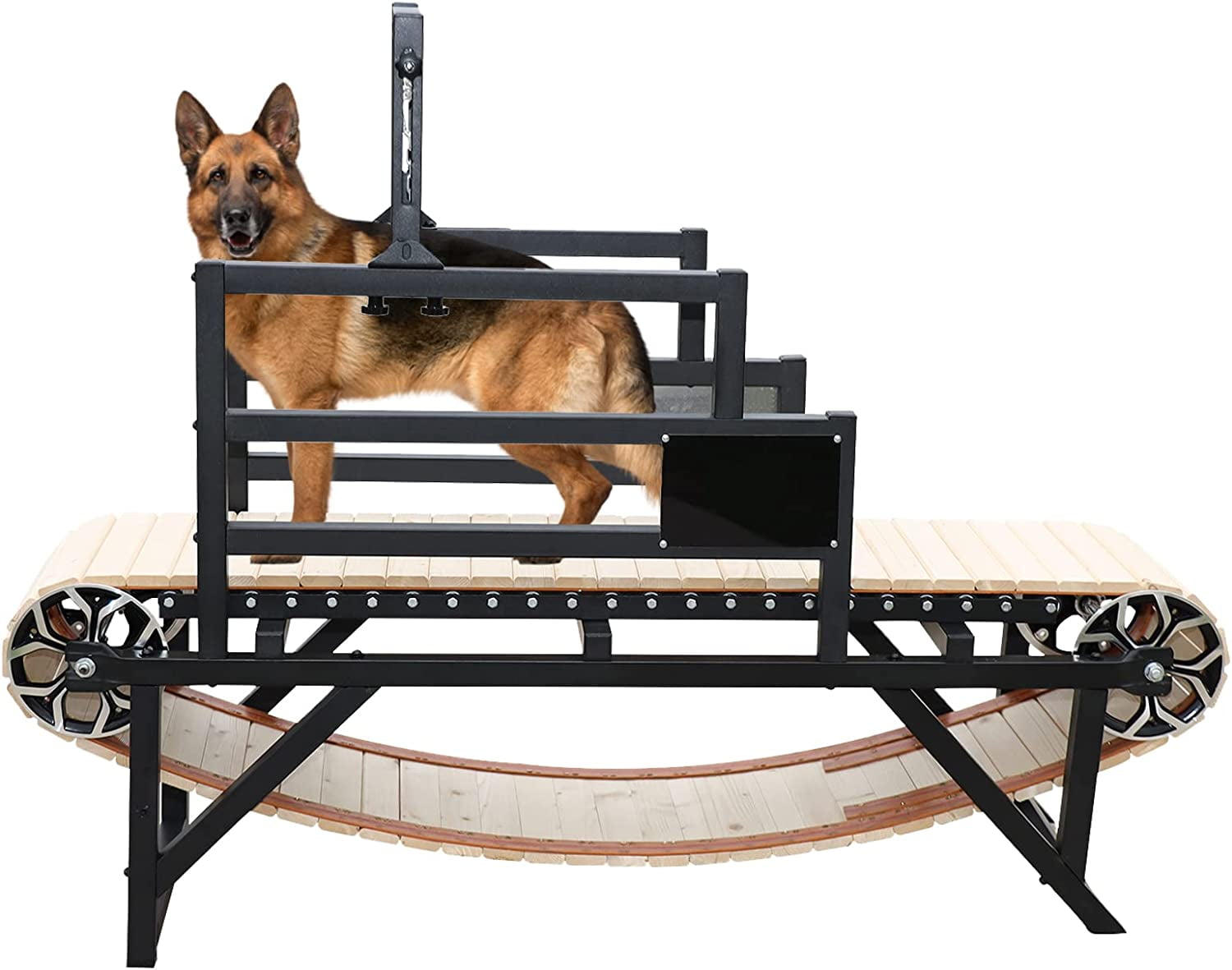
A dog treadmill for a large breed usually costs $700 to $2,500. Giant breeds may require a commercial or specialty model that costs even more.
Large dogs need extra belt length and width. They also place more stress on the motor and frame, so a high weight rating is important.
Look for:
• A belt at least as long as your dog’s natural stride
• A strong frame that does not wobble
• A motor designed for repeated use
• Wide side rails
• A low starting speed
• A reliable emergency stop
Do not put a large dog on a small treadmill simply because the weight rating seems high. The dog may fit by weight but still lack enough room to walk naturally.
How Much Is a Dog Treadmill for a Small Dog?
A dog treadmill for a small breed usually costs $300 to $900. Small dogs often need a shorter and narrower belt, which helps keep the price lower.
Even so, small dogs need safety features. A tiny dog can be injured by a gap, exposed roller, or sudden speed change.
Choose a machine with:
• A low minimum speed
• Secure side guards
• A soft, non-slip belt
• Simple speed controls
• A quiet motor
• A suitable weight range
A small dog may also tire quickly. Short, calm sessions are usually safer than long workouts.
Frequently Asked Questions About How Much Is a Dog Treadmill
How much is a dog treadmill on average?
Most home dog treadmills cost between $300 and $2,000. Small basic models cost less, while large or rehabilitation models cost much more.
Are dog treadmills worth the money?
A dog treadmill can be worth the cost if your dog needs safe indoor exercise or controlled movement. It should support outdoor walks, play, and mental enrichment rather than replace them completely.
Can I use a human treadmill for my dog?
A human treadmill is not usually the safest choice for a dog. It may have unsuitable belt dimensions, exposed moving parts, higher speeds, and controls that are difficult to stop quickly.
How long should a dog use a treadmill?
Begin with one to two minutes at a slow speed, then increase the time gradually if your dog remains calm. The right workout depends on age, breed, health, fitness, and veterinary advice.
What size dog treadmill do I need?
Choose a belt that lets your dog walk with a natural stride and extra room. Check the manufacturer’s length and weight limits, then compare them with your dog’s full body size.
Can a dog treadmill help with weight loss?
It can support weight loss by adding controlled exercise, but diet and veterinary guidance are also important. A veterinarian should help create a safe plan for an overweight dog.
Do dog treadmills make much noise?
Noise varies by model. Budget machines may produce more motor and belt sound, while premium models often use quieter motors and better vibration control.
Conclusion
So, how much is a dog treadmill? Most owners should expect to spend $300 to $2,000, while large, premium, and rehabilitation machines may cost $2,500 to $5,000 or more. The best choice depends on your dog’s size, stride, health, exercise needs, and your available space.
Focus on belt size, weight capacity, motor strength, safety features, warranty, and total ownership cost. Start training slowly, supervise every session, and ask your veterinarian for advice if your dog has a health condition.
Measure your dog, set a realistic budget, and compare reliable models before buying. If this guide helped, explore more dog fitness resources or share your experience with dog treadmills in the comments.

Brandon Knoxley is a sport & fitness writer and training guide contributor at MySportFitHub. He focuses on practical workouts, performance-based training, and honest fitness gear insights designed for real people and real results. Brandon is passionate about helping beginners and active individuals train smarter, avoid common mistakes, and build sustainable fitness habits.