How to Avoid Plateaus in Sports Training: Proven Strategies to Excel
Have you ever hit a point in your sports training where progress just seems to stop? It’s frustrating when your hard work doesn’t bring the results you expect.
You might feel stuck, tired, or even tempted to give up. But what if you could break through that barrier and keep improving? Understanding how to avoid plateaus in your training is the key to staying motivated and reaching your full potential.
Keep reading, and you’ll discover simple, effective strategies that will help you push past those limits and unlock new levels of performance.

Credit: zone3.com
Causes Of Training Plateaus
Training plateaus happen when your progress stops. They can feel frustrating and slow down your goals. Understanding what causes plateaus helps you avoid them. It also helps you change your routine to keep improving.
Physical Adaptation
Your body gets used to the same exercises. Muscles stop growing stronger without new challenges. The nervous system also learns the movements well. This reduces the effort needed, slowing progress.
Doing the same workout repeatedly means fewer gains. Your body adapts to the stress and stops improving. Changing exercise types or increasing intensity breaks this cycle.
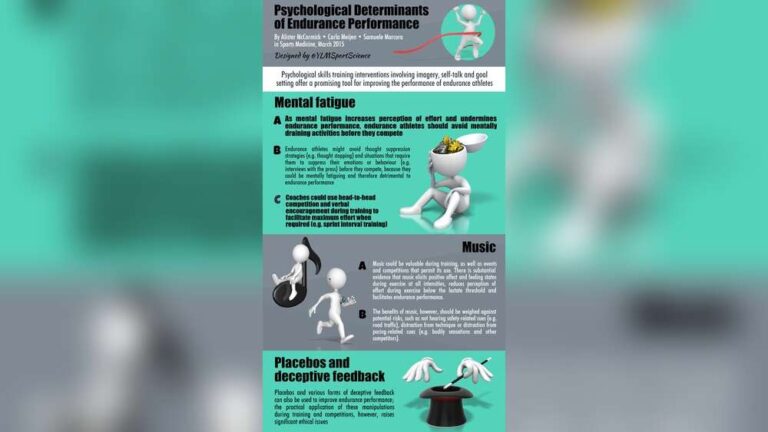
Mental Fatigue
Mental tiredness affects motivation and focus. Training feels harder, and you may lose interest. Your brain needs variety and rest to stay sharp.
Without mental freshness, workouts become routine and boring. This lowers effort and slows gains. Taking breaks or trying new activities helps fight fatigue.
Nutritional Gaps
Your body needs fuel to repair and grow. Missing key nutrients slows recovery and strength gains. Protein, carbs, and fats all play important roles.
Not eating enough or lacking variety causes energy drops. This can stall progress and increase injury risk. Balanced meals and proper hydration support training.
Inadequate Recovery
Rest is when your body repairs itself. Without enough sleep or rest days, muscles stay tired. Overtraining leads to fatigue and weak performance.
Ignoring recovery means your body can’t build strength. Scheduling rest and listening to your body prevents plateaus. Recovery is part of training, not a break from it.

Credit: www.trainingpeaks.com
Tracking Progress Effectively
Tracking progress effectively is key to breaking through plateaus in sports training. It helps athletes see where they stand and what needs to change. Keeping track brings focus and motivation. It also shows small wins that build confidence. Without clear tracking, progress can feel invisible and slow. Here are practical ways to track training progress.
Using Training Logs
Training logs record workouts in detail. Write down exercises, sets, reps, and weights. Note how you feel each day. Logs help spot patterns and improvements. They show if you push too hard or rest enough. Keeping a log creates a clear history of effort and results. It makes adjustments easier and more precise.
Monitoring Performance Metrics
Performance metrics give objective data about progress. Track time, speed, distance, or strength numbers. Use tools like stopwatches, apps, or heart rate monitors. These numbers reveal if training works or needs change. Metrics provide proof of growth beyond how you feel. They can highlight weaknesses to target in workouts.
Adjusting Goals
Goals should change with your progress. Set clear, realistic targets based on your data. Adjust them to stay challenging but achievable. Small, steady goals keep motivation high. Changing goals stops training from becoming too easy or too hard. This balance prevents plateaus and encourages continuous growth.
Varying Workout Routines
Varying workout routines helps prevent training plateaus. The body adapts to repeated exercises, slowing progress. Changing workouts keeps muscles challenged and improves overall fitness. It also reduces boredom and keeps motivation high. Small changes can lead to big results over time.
Incorporating Cross-training
Cross-training means doing different types of exercises. It works muscles that usual workouts might miss. For example, runners can add swimming or cycling. This builds strength and endurance without overusing the same muscles. Cross-training also lowers injury risk by balancing muscle use.
Changing Intensity And Volume
Adjust workout intensity by changing speed or weight. Lower intensity builds endurance; higher intensity builds strength. Change volume by varying sets, reps, or workout time. Increasing or decreasing these keeps the body guessing. This approach avoids adaptation and sparks new progress.
Trying New Exercises
New exercises challenge muscles in fresh ways. This improves muscle balance and coordination. Simple swaps like different push-up styles or squats add variety. Trying unfamiliar moves also keeps workouts interesting. It helps break through plateaus by stressing muscles differently.
Optimizing Nutrition And Hydration
Optimizing nutrition and hydration plays a key role in avoiding plateaus in sports training. Proper fuel and fluids help the body recover and perform better. They support muscle growth and maintain energy levels. Without good nutrition and hydration, progress can slow or stop.
Small changes in diet and drink can make a big difference. Understanding how to balance food and fluids supports continuous improvement. It also reduces fatigue and the risk of injury. The following sections explain how to optimize nutrition and hydration for better training results.
Balancing Macronutrients
Macronutrients are proteins, carbohydrates, and fats. Each has a specific role in the body. Protein helps repair and build muscles. Carbohydrates provide energy for workouts. Fats support hormone production and brain function. Eating the right balance keeps energy steady and muscles strong. Avoid eating too much of one nutrient. A mix of all three fuels training and recovery well.
Timing Meals And Supplements
When you eat matters as much as what you eat. Eating before exercise gives energy to perform well. After training, meals rich in protein and carbs help muscles recover. Small snacks during long sessions keep energy up. Supplements like protein shakes or amino acids can support recovery. Plan meals and supplements around training times for best results.
Staying Hydrated
Water is vital for all body functions. It regulates temperature and supports muscle function. Dehydration leads to fatigue and poor performance. Drink water before, during, and after exercise. Sports drinks can help replace salts during long or intense workouts. Listen to your body’s thirst and drink regularly. Staying hydrated keeps training effective and safe.
Enhancing Recovery Methods
Enhancing recovery methods is key to avoiding plateaus in sports training. Recovery helps your body heal and grow stronger. Without proper rest, progress slows and injuries rise. Use smart recovery strategies to boost your training results.
Prioritizing Sleep
Sleep is the foundation of good recovery. Aim for 7 to 9 hours each night. Sleep helps repair muscles and restore energy. Lack of sleep reduces focus and slows healing. Create a regular sleep routine. Avoid screens and caffeine before bed for better rest.
Active Recovery Techniques
Active recovery means gentle movement after intense workouts. Activities like walking, swimming, or cycling at low intensity help blood flow. This removes waste products from muscles. Active recovery reduces soreness and speeds healing. Keep sessions light and relaxing to stay fresh.
Using Massage And Stretching
Massage improves circulation and eases muscle tightness. It helps reduce pain and stiffness after workouts. Stretching keeps muscles flexible and prevents injuries. Focus on slow, steady stretches targeting key muscle groups. Regular massage and stretching support quicker recovery and better performance.

Credit: www.americansportandfitness.com
Boosting Mental Focus
Mental focus plays a key role in avoiding plateaus in sports training. Staying focused helps athletes push through tough moments. It also keeps motivation strong and improves performance. Training the mind can be as important as training the body. Simple mental strategies can boost concentration and drive.
Setting Short-term Challenges
Short-term challenges give clear, immediate goals to aim for. These small targets keep training fresh and interesting. They help break big goals into easy steps. Achieving short goals builds confidence and keeps focus sharp. Try setting daily or weekly targets that feel achievable. This method stops boredom and keeps progress steady.
Visualization Techniques
Visualization means imagining success before it happens. Picture yourself completing a skill perfectly. See the movements and feel the energy in your mind. This practice prepares your brain for real action. Visualizing success boosts focus during actual training. Spend a few minutes daily on clear mental images. This strengthens your connection between mind and body.
Mindfulness And Stress Management
Mindfulness helps you stay in the present moment. It reduces distractions and clears the mind. Practice simple breathing exercises to calm nerves. Managing stress prevents mental blocks that cause plateaus. Calm focus improves reaction times and decision-making. Try short mindfulness breaks during training to refresh your mind.
Seeking Professional Guidance
Seeking professional guidance is key to avoiding plateaus in sports training. Experts help identify weak points and create a clear plan. They bring knowledge and experience that can speed up progress and keep motivation high.
Trainers and coaches provide personalized feedback. They adjust workouts to match your needs. This prevents stagnation and helps build strength steadily. Regular guidance ensures you stay on track and push your limits safely.
Hiring Coaches Or Trainers
Hiring a coach or trainer gives you expert support. They design workouts tailored to your skill level and goals. Coaches spot mistakes and correct your form. This reduces injury risk and improves results. Their encouragement keeps you focused and driven.
Getting Regular Assessments
Regular assessments measure your progress clearly. Tests and evaluations show what works and what doesn’t. They highlight areas needing improvement. This helps update your training plan to fit your current level. Tracking progress keeps training fresh and effective.
Utilizing Technology And Apps
Technology aids training by tracking your performance. Apps monitor workouts, heart rate, and recovery. They offer insights to improve your routine. Many apps include reminders and tips to stay consistent. Using technology adds structure and motivation to your training.
Frequently Asked Questions
What Causes Plateaus In Sports Training?
Plateaus occur due to adaptation where your body stops responding to the same workout. Lack of variety and recovery also contribute. Overtraining and poor nutrition can slow progress, making gains harder to achieve.
How Can I Break Through A Training Plateau?
Change your routine by adding new exercises or increasing intensity. Focus on proper rest and nutrition. Incorporate strength training and flexibility work to enhance performance and avoid stagnation.
How Important Is Rest In Avoiding Plateaus?
Rest is crucial as it allows muscle recovery and growth. Without enough rest, fatigue builds up, leading to decreased performance. Proper sleep and rest days improve overall training results.
Can Nutrition Impact Training Plateaus?
Yes, proper nutrition fuels recovery and muscle growth. Inadequate protein or calories can stall progress. Balanced meals with carbs, proteins, and fats support energy and repair.
Conclusion
Avoiding plateaus means staying patient and changing your routine often. Keep challenging your body with new exercises and rest well. Track your progress to spot any slowdowns early. Listen to your body and adjust your training as needed. Small changes can lead to big improvements over time.
Stay consistent and enjoy the journey. Keep pushing forward, and results will come.

Brandon Knoxley is a sport & fitness writer and training guide contributor at MySportFitHub. He focuses on practical workouts, performance-based training, and honest fitness gear insights designed for real people and real results. Brandon is passionate about helping beginners and active individuals train smarter, avoid common mistakes, and build sustainable fitness habits.