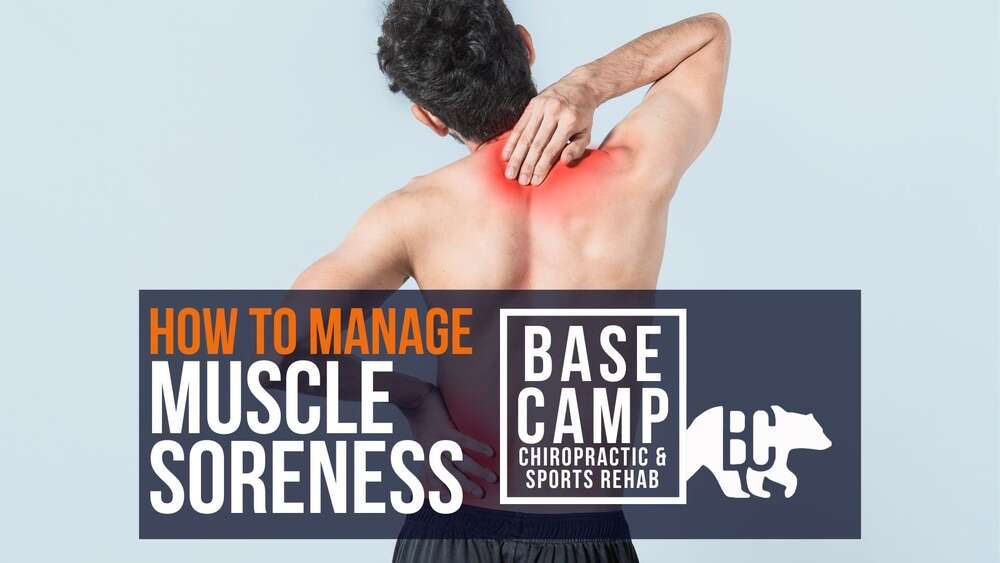
How to Manage Muscle Soreness Sports Training: Effective Recovery Tips
Muscle soreness after sports training can feel like a roadblock between you and your fitness goals. You might wonder if the pain means you’re pushing too hard or if there’s a way to ease that discomfort faster.
The good news is, managing muscle soreness doesn’t have to slow you down. You’ll discover simple, effective strategies to reduce soreness and recover smarter. Keep reading, and you’ll learn how to bounce back quicker, train harder, and stay motivated without letting muscle pain hold you back.
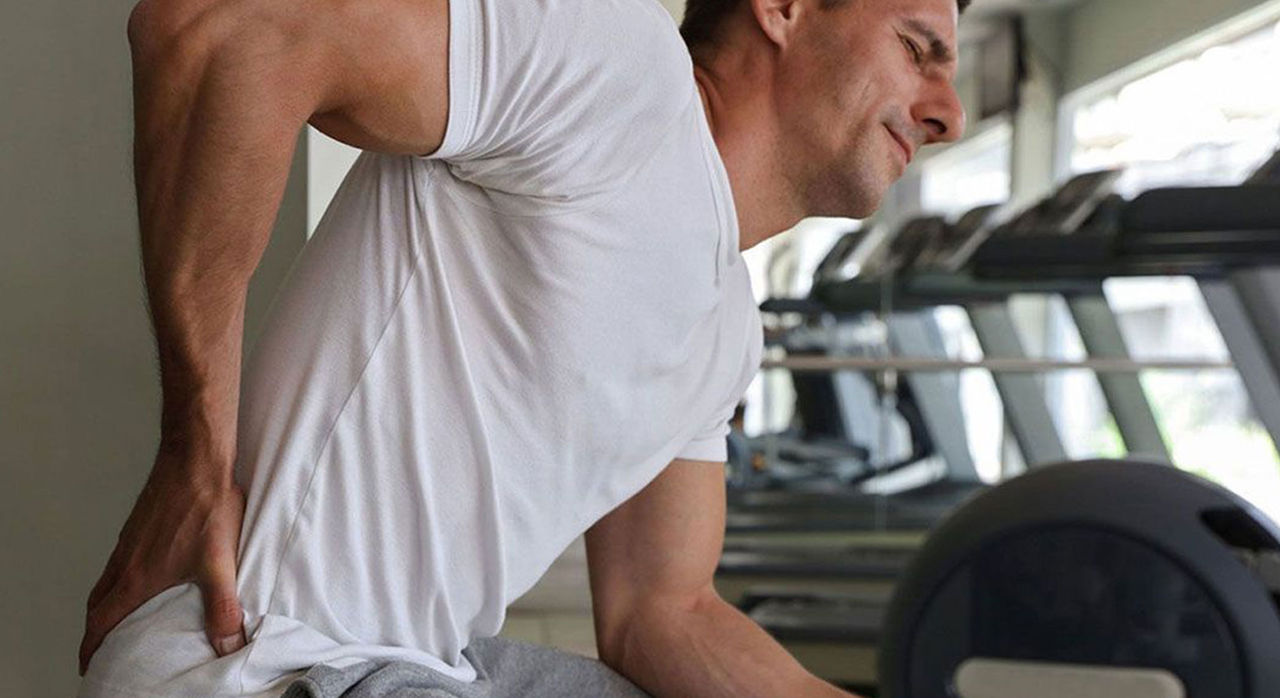
Credit: www.massgeneralbrigham.org
Causes Of Muscle Soreness
Muscle soreness is a common experience after sports training. Understanding its causes helps manage discomfort better. This knowledge supports faster recovery and improved performance. Below are the main reasons muscles feel sore after exercise.
Delayed Onset Muscle Soreness (doms)
DOMS happens 12 to 24 hours after exercise. It peaks around 24 to 72 hours. This soreness occurs mainly after new or intense workouts. Muscles feel stiff and tender. DOMS results from small muscle damage during exercise.
Microtears And Inflammation
Exercise causes tiny tears in muscle fibers. These microtears trigger inflammation. Inflammation leads to swelling and pain in muscles. The body repairs these tears, making muscles stronger. This process is natural and necessary for growth.
Overtraining And Fatigue
Overtraining happens when muscles do not get enough rest. It causes constant soreness and weakness. Fatigue lowers muscle strength and coordination. Without proper recovery, soreness lasts longer. Rest days help muscles heal and prevent injury.
Credit: www.nasliberec.cz
Signs To Watch For
Muscle soreness after sports training is common. Knowing the signs helps you manage it well. Watch your body carefully. Early detection stops minor issues from becoming serious injuries.
Pain And Stiffness
Pain is the first sign of muscle soreness. It feels like a dull ache or sharp sting. Stiffness makes moving muscles hard. It can last for hours or days. Notice if pain grows worse with movement.
Swelling And Tenderness
Swelling shows your muscles might be damaged. The area looks puffy and feels soft to touch. Tenderness means even light pressure causes pain. These signs show inflammation. Treat them early to avoid more harm.
Reduced Range Of Motion
Moving your joints becomes difficult with soreness. You might not stretch or bend as usual. This limits your training and daily tasks. Pay attention if motion feels restricted or painful.
Immediate Relief Techniques
Muscle soreness after sports training is common. Immediate relief helps reduce pain and speeds recovery. Using simple techniques can ease discomfort quickly. These methods focus on calming inflammation and improving blood flow. Here are some effective ways to manage soreness right after exercise.
Rest And Active Recovery
Rest is key to healing sore muscles. Avoid heavy exercise for a day or two. Gentle movement, like walking or stretching, keeps muscles loose. Active recovery improves blood flow and removes waste from muscles. It prevents stiffness and helps muscles repair faster. Balance rest with light activity to feel better soon.
Cold Therapy Benefits
Cold therapy reduces swelling and numbs pain. Use ice packs or cold compress on sore areas. Apply for 15 to 20 minutes at a time. Cold slows down inflammation and muscle damage. It also eases muscle tightness and soreness. Repeat cold therapy several times a day for best results.
Compression And Elevation
Compression supports muscles and reduces swelling. Wear compression sleeves or wraps on sore areas. It helps improve blood circulation and reduces pain. Elevate sore limbs above heart level. Elevation reduces fluid buildup and speeds healing. Combine compression and elevation for faster relief.
Nutrition For Recovery
Nutrition plays a key role in managing muscle soreness after sports training. Proper food choices support muscle repair and reduce discomfort. Eating the right nutrients helps the body recover faster and stronger.
Focus on foods that rebuild muscle tissue and reduce inflammation. Drinking enough fluids is also vital for recovery. Below are essential nutrition tips to ease muscle soreness effectively.
Protein Intake
Protein is the building block of muscle repair. Consuming enough protein helps fix tiny muscle tears caused by exercise. Aim for lean sources like chicken, fish, eggs, or plant-based options.
Include protein in every meal to provide constant support for muscles. Post-workout protein snacks speed up recovery and reduce soreness.
Hydration Strategies
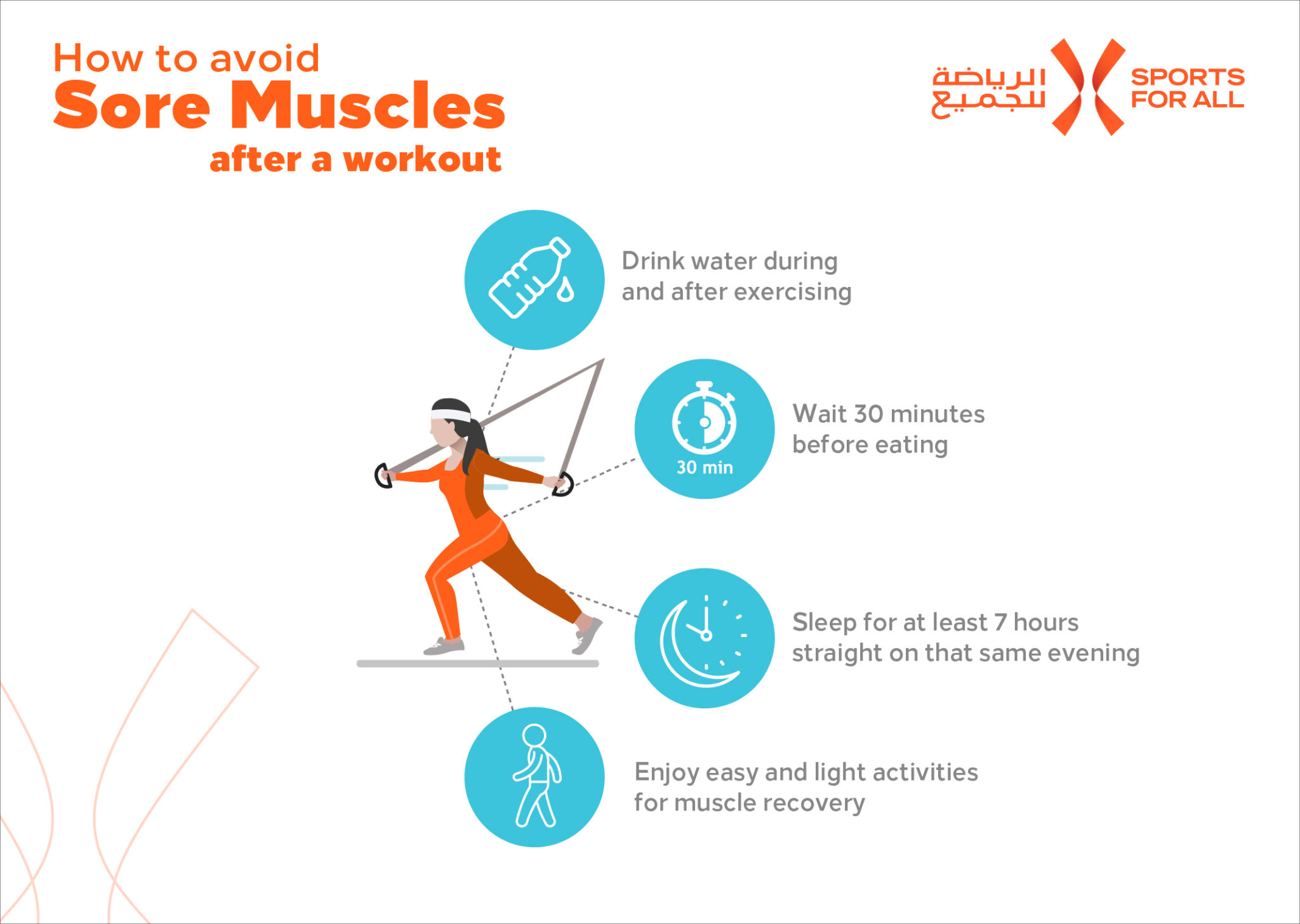
Water keeps muscles hydrated and flushes out toxins. Drink plenty of water before, during, and after exercise. Dehydration can worsen muscle soreness and slow healing.
Electrolyte drinks help replace minerals lost through sweat. Choose low-sugar options to stay balanced and refreshed.
Anti-inflammatory Foods
Inflammation causes muscle pain and stiffness. Eating anti-inflammatory foods lowers this discomfort. Include berries, leafy greens, nuts, and fatty fish in meals.
Turmeric and ginger are natural herbs that reduce inflammation. Add them to your diet to soothe sore muscles naturally.
Effective Stretching And Mobility
Effective stretching and mobility play a key role in managing muscle soreness after sports training. They help improve blood flow and reduce muscle tightness. Stretching prepares muscles for exercise and aids recovery afterward. Moving joints through their full range helps maintain flexibility and prevent injury.
Using proper stretching and mobility techniques can reduce discomfort and speed up healing. It also improves overall performance by keeping muscles loose and joints healthy.
Dynamic Warm-ups
Dynamic warm-ups involve moving muscles and joints actively before training. These movements increase blood flow and raise muscle temperature. Examples include leg swings, arm circles, and walking lunges. Dynamic warm-ups prepare your body for the workout ahead. They reduce the risk of strains and muscle soreness.
Post-workout Stretching
Stretching after exercise helps muscles relax and lengthen. Focus on slow, gentle stretches targeting the muscles used. Hold each stretch for at least 20 seconds. Post-workout stretching decreases muscle tightness and stiffness. It also improves flexibility and aids recovery.
Foam Rolling And Self-massage
Foam rolling applies pressure to sore muscles using a foam roller. It helps break up muscle knots and increases blood flow. Roll slowly over tight areas for 30-60 seconds. Self-massage using hands or massage tools can also ease soreness. Both methods support faster muscle recovery and reduce pain.

Credit: www.healthline.com
Role Of Sleep And Rest
Sleep and rest play a key role in managing muscle soreness after sports training. They help the body heal and grow stronger. Without enough rest, muscles stay tired and sore longer. Understanding how sleep and rest aid muscle recovery can improve training results and reduce injury risk.
Sleep’s Impact On Muscle Repair
Sleep is the time when the body repairs muscle tissue. Growth hormone levels rise during deep sleep. This hormone helps fix tiny muscle tears caused by exercise. Poor sleep slows down this repair process. It also increases inflammation, making soreness worse. Getting 7 to 9 hours of good sleep supports faster healing.
Optimizing Rest Days
Rest days are essential for muscle recovery. They give muscles time to rebuild and get stronger. Avoid intense workouts on rest days to prevent overuse injuries. Light activities like walking or stretching can help blood flow. This aids healing without stressing muscles. Plan rest days after hard training sessions for best results.
Balancing Training Load
Balancing training load means managing exercise intensity and volume. Too much training causes muscle fatigue and soreness. Too little slows progress. Gradually increase workout difficulty to allow muscles to adapt. Include rest and sleep as parts of this balance. Monitoring how your body feels helps find the right load.
When To See A Professional
Muscle soreness after sports training is common and usually fades with rest. Sometimes, soreness may signal a deeper problem. Knowing when to see a professional can prevent further injury and speed recovery.
Identifying Serious Injuries
Severe pain that does not improve after a few days needs attention. Swelling, bruising, or sharp pain during movement also signals a serious issue. Difficulty moving the affected area or weakness may mean a muscle tear. Persistent numbness or tingling requires immediate care.
Physical Therapy Options
Physical therapists help reduce pain and improve movement. They use exercises, massage, and stretching to heal muscles. Therapy can prevent injuries from worsening and build strength. Early therapy leads to faster recovery and better results.
Medical Treatments And Advice
Doctors may suggest scans or X-rays to find hidden injuries. They can prescribe medication to control pain and inflammation. Sometimes, a short break from training is necessary. Follow medical advice strictly to avoid long-term damage.
Frequently Asked Questions
What Causes Muscle Soreness After Sports Training?
Muscle soreness is caused by tiny muscle fiber tears during intense exercise. This leads to inflammation and stiffness. Delayed onset muscle soreness (DOMS) usually occurs 24-72 hours post-workout. Proper warm-up and gradual training intensity help reduce soreness.
How Can I Reduce Muscle Soreness Quickly?
To reduce soreness quickly, use ice packs, gentle stretching, and rest. Staying hydrated and consuming protein aids muscle repair. Over-the-counter pain relievers can help if needed. Avoid intense workouts until soreness subsides to prevent injury.
Is It Normal To Feel Sore After Every Training Session?
Feeling sore after every session is common for beginners or new exercises. However, persistent severe soreness may indicate overtraining or improper technique. Listen to your body and allow adequate recovery to avoid injuries and improve performance.
What Foods Help Manage Muscle Soreness Effectively?
Foods rich in protein, antioxidants, and omega-3 fatty acids help manage soreness. Examples include lean meats, berries, nuts, and fish. These nutrients reduce inflammation and promote muscle repair. Staying hydrated with water is equally important for recovery.
Conclusion
Managing muscle soreness after sports training helps you stay active and healthy. Rest and gentle stretching reduce pain and improve recovery. Drinking water and eating nutritious food supports muscle repair. Using ice or heat can ease discomfort effectively. Pay attention to your body’s signals to avoid injury.
Consistent care leads to better performance and less soreness. Keep these tips in mind to train smarter and feel better. Small actions make a big difference in how you recover. Stay patient and listen to your body every day.

Brandon Knoxley is a sport & fitness writer and training guide contributor at MySportFitHub. He focuses on practical workouts, performance-based training, and honest fitness gear insights designed for real people and real results. Brandon is passionate about helping beginners and active individuals train smarter, avoid common mistakes, and build sustainable fitness habits.