How to Build a Workout Routine for Beginners at Home: Easy Steps
Starting a workout routine at home can feel overwhelming, especially if you’re new to exercise. You might wonder where to begin, what moves to try, or how to stay motivated.
The good news is, building an effective workout plan doesn’t have to be complicated. With the right guidance, you can create a simple routine that fits your schedule, matches your fitness level, and helps you reach your goals. Keep reading, and you’ll discover easy steps to design a workout routine that works for you—no gym needed.
Your path to feeling stronger and more confident starts here.
Set Clear Fitness Goals
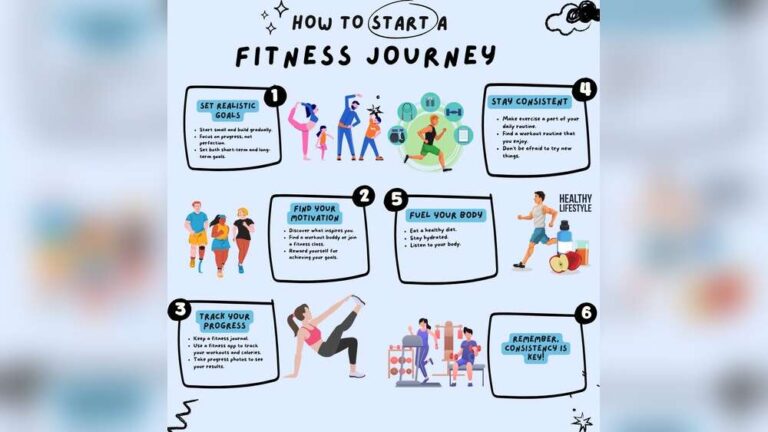
Setting clear fitness goals is the first step in creating a workout routine at home. Goals give you direction and keep you motivated. Without goals, it is easy to lose focus and stop exercising.
Well-defined goals help you measure progress. They make your workouts meaningful. Setting goals also helps you stay consistent and enjoy the process.
Identify Your Motivation
Ask yourself why you want to start exercising. Is it to feel healthier or gain strength? Maybe you want to lose weight or improve mood. Knowing your reason helps you stay on track. Write down your motivation to remind yourself daily.
Choose Realistic Targets
Set small and clear goals you can reach. For example, start with 10 minutes of exercise three times a week. Avoid aiming for too much too soon. Realistic targets build confidence and create good habits. Gradually increase your workout time and effort over weeks.

Credit: funphotobooth.com.br
Assess Your Current Fitness
Before starting a workout routine at home, knowing your current fitness level is important. This helps to create a plan that fits your needs and goals. Assessing your fitness shows what exercises suit you best and keeps you safe during workouts.
Evaluate Strength And Flexibility
Test your strength by trying simple moves like push-ups or squats. See how many you can do without stopping. Check flexibility by reaching for your toes or stretching your arms. These tests give a clear picture of your muscle strength and joint movement. Use the results to choose exercises that improve weak areas.
Consider Health Limitations
Think about any health issues you have, such as joint pain or heart problems. These conditions affect the types of exercises you can do safely. Talk to a doctor if you are unsure about certain workouts. Adjust your routine to avoid pain or injury. Safety is the top priority in any fitness plan.
Select Suitable Exercises
Selecting suitable exercises is key to building a workout routine that fits your goals and space. Choose moves that work your whole body and keep you motivated. Balance different types of exercises for better results and fewer injuries.
Include Cardio Options
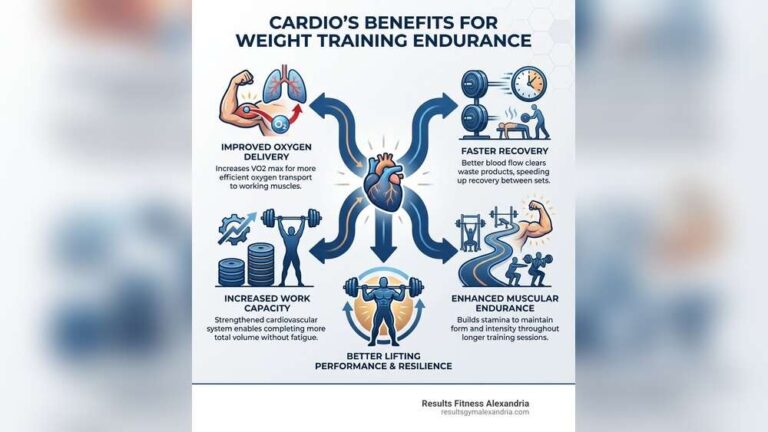
Cardio exercises raise your heart rate and burn calories. Start with simple activities like jumping jacks, jogging in place, or dancing. These require no equipment and can be done in small spaces. Aim for at least 10 minutes to improve endurance and energy.
Add Strength Training Moves
Strength training builds muscle and tones your body. Use bodyweight exercises like push-ups, squats, and lunges. These help improve posture and increase metabolism. Start with fewer repetitions and increase as you get stronger.
Incorporate Flexibility Exercises
Flexibility exercises improve your range of motion and reduce muscle tightness. Stretch your arms, legs, and back gently after workouts. Try yoga poses or simple stretches to relax muscles. This helps prevent injuries and aids recovery.

Credit: www.sirelmagroup.it
Create A Balanced Schedule
Creating a balanced workout schedule is key to building a successful routine at home. It helps your body recover and grow stronger. A good plan keeps you motivated and avoids burnout. Balance means mixing exercise days with rest days smartly. This way, you get the best results without injury or fatigue.
Plan Workout Frequency
Decide how many days you can exercise each week. Start with three to four days. This gives your body time to adjust. Choose days that fit your lifestyle and energy levels. Consistency is more important than intensity at first. Keep sessions short and focused to build a habit.
Allocate Rest Days
Rest days help muscles heal and prevent tiredness. Schedule at least one or two rest days weekly. Use these days for light activities like walking or stretching. Avoid heavy exercise on rest days. Listen to your body and add extra rest if needed. Rest keeps your routine safe and effective.
Gather Basic Equipment
Starting a workout routine at home needs some basic equipment. You do not need a gym full of machines. Simple tools can help you exercise well. Choosing the right items can keep you motivated and safe. Gather gear that fits your space and budget.
Use Household Items
Many household objects serve well for workouts. A sturdy chair works for step-ups and tricep dips. Water bottles can replace light dumbbells for arm exercises. Towels help with stretches and resistance moves. Use a backpack filled with books for added weight. These items are easy to find and free to use.
Invest In Affordable Gear
Some basic equipment is worth buying. Resistance bands cost little and improve strength training. A yoga mat offers comfort for floor exercises. Adjustable dumbbells save space and grow with your strength. Buy pieces that match your workout style. Affordable gear helps you exercise better and stay consistent.
:max_bytes(150000):strip_icc()/GettyImages-1264135982-fff92b3493274db4b4a220000287d39f.jpg)
Credit: www.verywellfit.com
Warm Up And Cool Down
Warming up and cooling down are key parts of any workout routine. They prepare your body for exercise and help it recover afterward. Skipping these steps can lead to injuries and soreness.
A proper warm-up raises your heart rate and loosens muscles. It also improves blood flow and joint flexibility. Cooling down brings your heart rate back to normal. It helps relax muscles and reduce stiffness.
Simple Warm-up Routines
Start with light cardio like marching in place or walking around. Do this for 3 to 5 minutes to increase your heart rate slowly. Add dynamic stretches such as arm circles and leg swings. These movements prepare your muscles and joints for exercise. Keep each stretch gentle and controlled. Avoid bouncing or sudden movements.
Effective Cool-down Techniques
Finish your workout with 3 to 5 minutes of slow walking or light movement. This lowers your heart rate gradually. Follow with static stretches, holding each stretch for 15 to 30 seconds. Focus on muscles you used during your workout. Breathe deeply and relax during each stretch. This reduces muscle tension and aids recovery.
Track Progress And Adjust
Tracking progress is key to success in any workout routine. It helps you see how far you have come and what needs to change. Adjusting your routine keeps your workouts effective and interesting. Without tracking, it is easy to lose motivation or stop improving.
Maintain A Workout Journal
Write down each workout session. Note exercises, sets, reps, and weights used. Record how you feel during and after the workout. This shows what works well and what is too hard or easy. A journal keeps all your progress in one place. It helps you stay focused on your goals.
Modify Routine As Needed
Change your workout if you stop seeing progress. Add more reps or increase weights slowly. Swap exercises to target different muscles. Rest more if you feel tired or sore. Adjusting keeps your body challenged and growing stronger. It also prevents boredom and injury.
Stay Motivated And Consistent
Staying motivated and consistent is key to building a workout routine at home. Many beginners start with excitement but lose interest fast. Creating habits takes time and effort. Small actions every day help form a lasting routine. Find ways to keep your energy high and your goals clear. This section offers tips to help you stay on track without feeling overwhelmed.
Find Support Systems
Support makes a big difference in staying consistent. Share your workout plans with friends or family. Join online groups where beginners encourage each other. A workout buddy can help you feel accountable. When someone checks on your progress, you are more likely to keep going. Social support also brings motivation on tough days. Don’t hesitate to ask for help or advice.
Celebrate Small Wins
Recognize every achievement, no matter how small. Finished your first workout? That’s a win. Improved your push-up count? Celebrate it. These moments build confidence and push you forward. Set small, clear goals to track progress. Write down your successes to see how far you’ve come. Celebrations keep your mind positive and focused on growth.
Frequently Asked Questions
What Equipment Is Essential For A Beginner Home Workout?
Basic equipment like resistance bands, dumbbells, and a yoga mat is ideal. These tools support versatile workouts without needing much space or cost.
How Often Should Beginners Exercise At Home Weekly?
Aim for 3 to 4 workout sessions per week. This frequency allows muscle recovery and builds consistent exercise habits effectively.
How Long Should Each Beginner Workout Session Last?
Start with 20 to 30 minutes per session. Gradually increase time as endurance and strength improve for better fitness results.
What Are The Best Exercises For Beginners At Home?
Focus on bodyweight exercises like squats, push-ups, lunges, and planks. These target multiple muscle groups safely and efficiently.
Conclusion
Building a workout routine at home is simple and effective. Start small and focus on consistency. Choose exercises that fit your space and needs. Track your progress to stay motivated. Rest days are important for recovery. Enjoy the process and listen to your body.
Regular workouts help improve health and mood. Stay patient; results come with time. Keep moving forward one step at a time. Your fitness journey begins with your first workout.

Brandon Knoxley is a sport & fitness writer and training guide contributor at MySportFitHub. He focuses on practical workouts, performance-based training, and honest fitness gear insights designed for real people and real results. Brandon is passionate about helping beginners and active individuals train smarter, avoid common mistakes, and build sustainable fitness habits.