How to Improve Footwork for Sports Training: Proven Expert Tips
Are you ready to take your game to the next level? Improving your footwork can make all the difference in how you move, react, and perform during sports.
Whether you play basketball, soccer, tennis, or any fast-paced sport, sharp footwork gives you the edge over your competition. Imagine moving faster, staying balanced, and outmaneuvering opponents with ease. You’ll discover simple and effective ways to train your feet so you can boost your agility, speed, and overall performance.
Keep reading to unlock the secrets that will transform your game from good to great!

Credit: theapexperf.com
Footwork Basics
Footwork is the foundation of many sports. Good footwork helps with balance, speed, and control. It lets you move smoothly and react fast. Understanding footwork basics is key for better sports training.
Simple steps, practiced often, build strong footwork skills. These skills improve overall performance and reduce injury risk. Start with the basics to see real progress.
Importance Of Quick Feet
Quick feet improve your reaction time. They help you change direction without losing speed. Fast footwork supports better balance and coordination. It also keeps you light on your feet for longer.
Many sports need fast foot movement. Soccer, basketball, and tennis all rely on quick feet. Training quick feet can make a big difference in play.
Common Footwork Patterns
Several footwork patterns appear in many sports. Side steps help you move laterally. Forward and backward steps keep you ready for action. Pivoting lets you turn quickly without losing balance.
Practicing these patterns builds muscle memory. Muscle memory helps you move without thinking. This makes your actions faster and more accurate.
Credit: www.youtube.com
Warm-up Exercises
Warming up is key before any sports training. It prepares your body and mind for intense activity. Proper warm-up exercises boost blood flow and reduce injury risk. These exercises also improve your footwork by increasing flexibility and coordination.
Dynamic Stretches
Dynamic stretches involve controlled movements that gently stretch muscles. They help increase your range of motion. Examples include leg swings, ankle circles, and high knees. These stretches activate the muscles used in footwork. Perform each stretch for 20 to 30 seconds. Avoid bouncing or holding your breath. Dynamic stretches wake up your body and improve agility.
Agility Drills
Agility drills focus on quick, precise foot movements. They train your feet to move fast and change direction smoothly. Popular drills include ladder runs, cone shuffles, and side steps. These drills enhance coordination and balance. Start slow, then increase your speed gradually. Agility drills sharpen your reflexes and foot control.
Training Techniques
Training techniques help improve footwork for better sports performance. They build speed, balance, and coordination. Practicing these drills regularly leads to quicker and sharper movements on the field or court.
Focus on exercises that challenge your feet to move fast and accurately. Consistent practice trains your muscles and brain to work together smoothly. The following techniques are simple and effective for all sports levels.
Ladder Drills
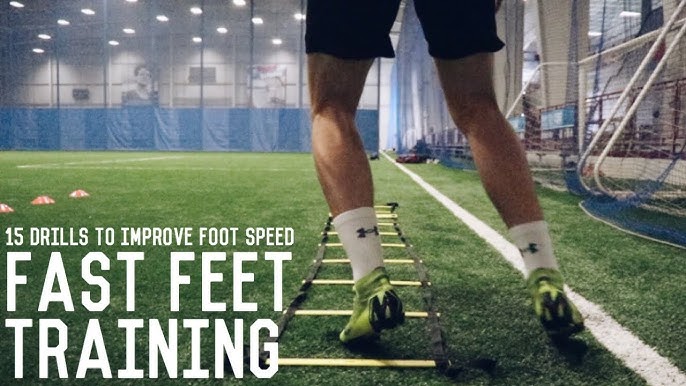
Ladder drills use a flat ladder placed on the ground. Step quickly in and out of each space with both feet. This drill improves agility and foot speed. Start slow, then increase your pace as you get better. Keep your knees slightly bent for balance. Repeat different patterns to challenge your coordination.
Cone Drills
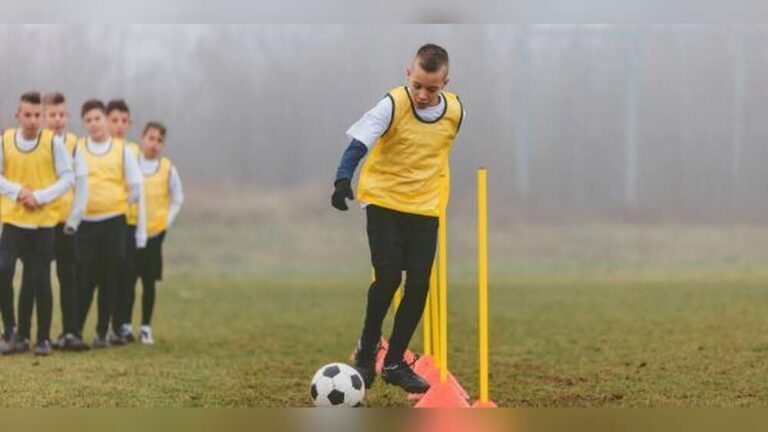
Set up small cones in a line or zigzag pattern. Move quickly around the cones using side steps and forward sprints. This drill sharpens your change of direction and reaction time. Keep your body low and eyes forward. Use short, quick steps to stay controlled. Practice various cone arrangements for variety.
Jump Rope Workouts
Jump rope workouts boost foot speed and endurance. Jump with both feet or alternate feet quickly over the rope. This exercise improves timing and rhythm. Start with short sessions and build up your stamina. Focus on light, fast jumps to reduce fatigue. Jump rope workouts also enhance coordination and balance.
Strength And Conditioning
Strength and conditioning play a key role in improving footwork for sports training. Strong muscles and a stable core help athletes move quickly and stay balanced. Training these areas reduces injury risk and boosts performance. Focus on exercises that build power, speed, and control.
Lower Body Strength
Strong legs help you push off the ground faster. Squats, lunges, and calf raises build muscle in your thighs, hips, and calves. These exercises improve your ability to change direction quickly. Use weights or bodyweight to increase strength. Consistent training makes your footwork sharper and more explosive.
Core Stability
A stable core keeps your body balanced during fast movements. Planks, bridges, and abdominal exercises strengthen your core muscles. A strong core supports your lower body and prevents falls. Good core stability improves your control during quick steps and turns. Train your core regularly to enhance your footwork skills.
Balance And Coordination
Balance and coordination are key for quick and effective footwork in sports. They help athletes move smoothly and stay steady during fast actions. Improving these skills reduces the risk of falls and injuries. Training balance and coordination builds stronger muscles and sharper body control.
Single-leg Exercises
Single-leg exercises boost balance by forcing one side of the body to work alone. Standing on one leg activates core and stabilizer muscles. Try simple moves like single-leg stands or lunges. Progress to single-leg hops or step-ups to challenge yourself more. These exercises improve stability and help control your movements during sports.
Proprioception Training
Proprioception is your body’s ability to sense its position in space. Training it helps you react quickly to changes in terrain or direction. Use balance boards, wobble cushions, or foam pads to create unstable surfaces. Practice movements like squats or jumps on these surfaces. This type of training enhances your body awareness and footwork accuracy.
Speed And Reaction
Speed and reaction are key for sharp footwork in sports. Fast feet help players move quickly and stay balanced. Quick reactions allow athletes to respond to sudden changes. Training these skills improves overall performance.
Reaction Time Drills
Reaction time drills train the brain and body to react faster. Simple exercises like catching a dropped ball improve hand-eye coordination. Use a partner to call out directions for quick foot movements. Practice with lights or sounds to boost alertness. Short, intense sessions work best to build speed.
Plyometric Training
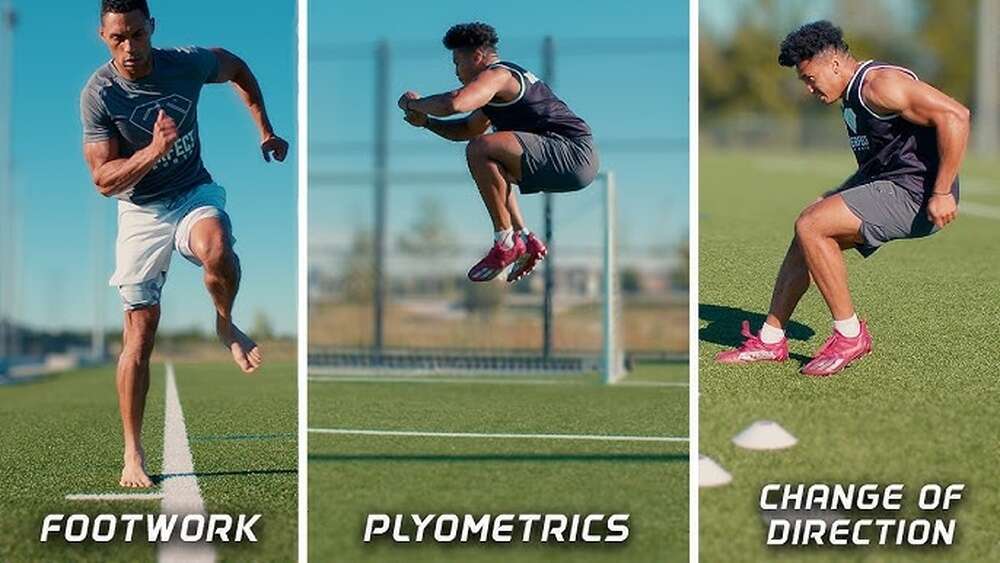
Plyometric training increases power and speed in the legs. Jumping exercises like box jumps and squat jumps build explosive strength. These movements help feet push off the ground faster. Include lateral jumps to improve side-to-side agility. Regular plyometric work sharpens foot speed and reaction.
Common Mistakes
Footwork is vital for better performance in sports. Many athletes make simple mistakes that slow progress. Knowing these common errors helps you fix them fast. Avoiding these mistakes leads to quicker and safer improvements.
Overstriding
Overstriding means taking steps that are too long. This causes less control and slower reactions. It also puts extra stress on your legs and joints. Short, quick steps improve balance and speed. Focus on landing your feet under your body for better stability.
Poor Posture
Bad posture affects how you move and react. Leaning too far forward or backward causes imbalance. Keep your back straight and knees slightly bent. Good posture helps you change direction smoothly. It reduces the risk of injury and keeps you agile.
Tracking Progress
Tracking progress is key to improving footwork in sports training. It helps you see how much you improve and what needs work. Keeping track boosts motivation and guides your practice sessions. You can spot small changes that build big results over time.
Performance Metrics
Measure your speed, agility, and balance regularly. Use simple tests like timed foot drills or cone runs. Record your times and scores to compare with past results. Consistent tracking shows clear progress and areas to improve.
Track step frequency and stride length too. These numbers reveal how fast and efficient your footwork is. Use a stopwatch or fitness app to collect data easily. Regular checks keep your training focused and effective.
Video Analysis
Record your footwork during drills or matches. Watching videos helps you see mistakes you might miss live. Slow down the footage to analyze each movement carefully. Notice your foot placement and body balance closely.
Compare videos over weeks or months. Spot improvements and recurring issues clearly. Share videos with coaches or teammates for feedback. This visual tool is powerful for refining your technique.
Expert Tips
Improving footwork requires smart and steady effort. Expert tips help you train better and avoid injury. Focus on key areas to see real progress fast.
Consistency In Training
Practice footwork regularly. Small daily sessions work better than long, rare workouts. Consistent training builds muscle memory and speed. It trains your feet to move quickly without thinking.
Set a routine and stick to it. Repeat drills often to improve balance and coordination. Over time, you will notice smoother and faster foot movements.
Proper Footwear
Wear shoes made for your sport. Good shoes protect your feet and provide grip. They help you move easily and avoid slipping.
Replace worn-out shoes. Old shoes can cause pain and reduce your footwork quality. Always choose footwear that fits well and supports your feet.

Credit: www.flcaulfield.com
Frequently Asked Questions
What Are The Best Drills To Improve Sports Footwork?
Effective drills include ladder exercises, cone drills, and jump rope routines. These enhance agility, speed, and coordination. Consistency in practicing these drills leads to noticeable footwork improvements.
How Often Should I Train Footwork For Sports?
Train footwork 3-4 times per week for optimal results. Regular practice builds muscle memory and improves reaction time. Balance training with rest to avoid injury and fatigue.
Can Footwork Training Prevent Sports Injuries?
Yes, proper footwork reduces injury risk by improving balance and stability. It strengthens muscles and joints, making movements safer. This helps athletes perform efficiently while minimizing strain.
What Role Does Flexibility Play In Footwork?
Flexibility enhances range of motion, allowing smoother and quicker foot movements. Stretching regularly reduces stiffness and improves overall agility. It supports injury prevention and better performance during sports.
Conclusion
Improving footwork takes practice and patience. Start with simple drills and build up slowly. Focus on balance, speed, and control every day. Small steps lead to big progress. Remember, consistency is key to better movement. Your body will become quicker and stronger over time.
Keep training with focus and energy. Watch your sports skills improve step by step. Good footwork helps prevent injuries too. Stay motivated and enjoy the process. Keep moving forward with confidence and skill.

Brandon Knoxley is a sport & fitness writer and training guide contributor at MySportFitHub. He focuses on practical workouts, performance-based training, and honest fitness gear insights designed for real people and real results. Brandon is passionate about helping beginners and active individuals train smarter, avoid common mistakes, and build sustainable fitness habits.