How to Cool down After Workouts for Beginners: Easy Tips to Relax
You’ve just finished a tough workout, and your body feels like it’s still running a marathon. But what you do next can make all the difference in how you feel tomorrow.
Cooling down after exercise isn’t just a nice extra—it’s a key step to help your muscles recover, reduce soreness, and keep you moving forward without setbacks. If you’re new to working out, knowing how to cool down properly can protect your body and boost your results.
Keep reading, and you’ll discover simple, effective ways to cool down that fit easily into your routine and make every workout count.
Benefits Of Cooling Down
Cooling down after workouts is an important step for beginners. It helps the body shift from intense activity to rest. Skipping this step can lead to discomfort and slower recovery. Cooling down brings many benefits that support your fitness journey.
Prevents Muscle Stiffness
Cooling down keeps muscles loose and relaxed. Gentle movements help clear out waste products like lactic acid. This reduces soreness and stiffness the next day. It also lowers the risk of muscle cramps and injuries.
Reduces Heart Rate Gradually
After exercise, your heart beats fast. Cooling down slows the heart rate step by step. This gives your body time to adjust to a resting state. It prevents dizziness or fainting that can happen with a sudden stop.
Enhances Flexibility
Stretching during the cool-down improves muscle flexibility. Flexible muscles move better and feel less tight. This helps with better posture and fewer strains. It also prepares your body for the next workout session.
Simple Stretching Exercises
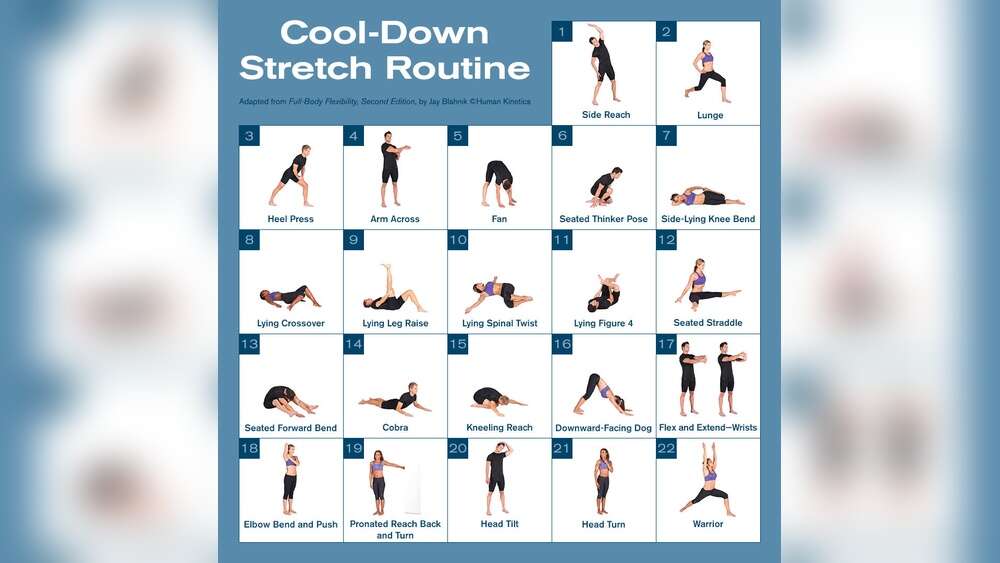
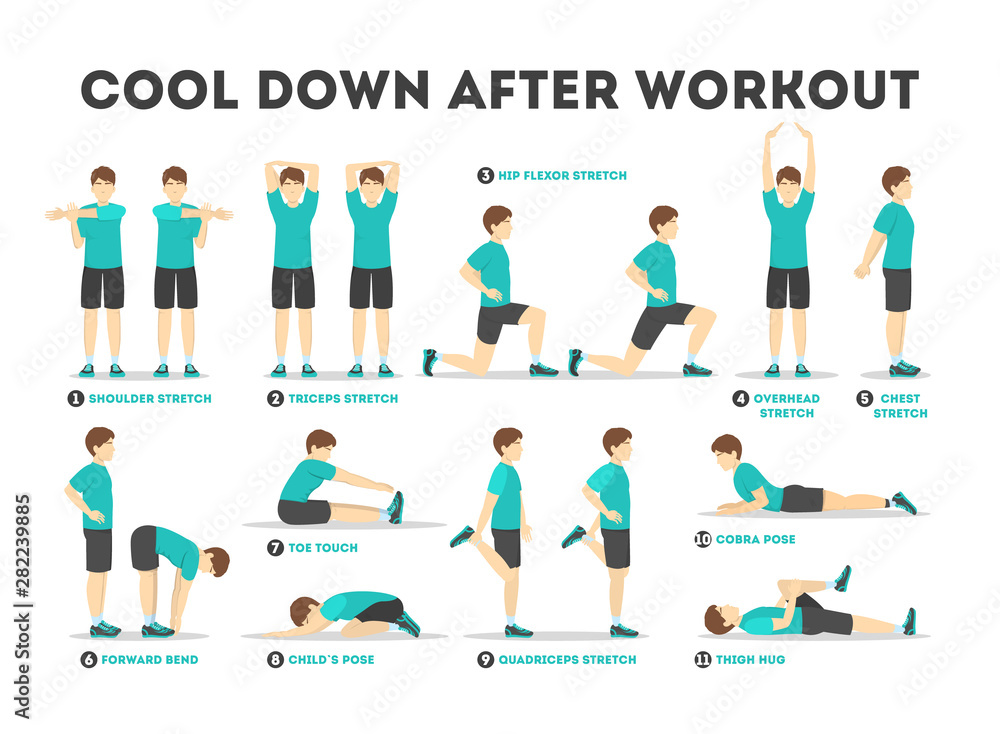
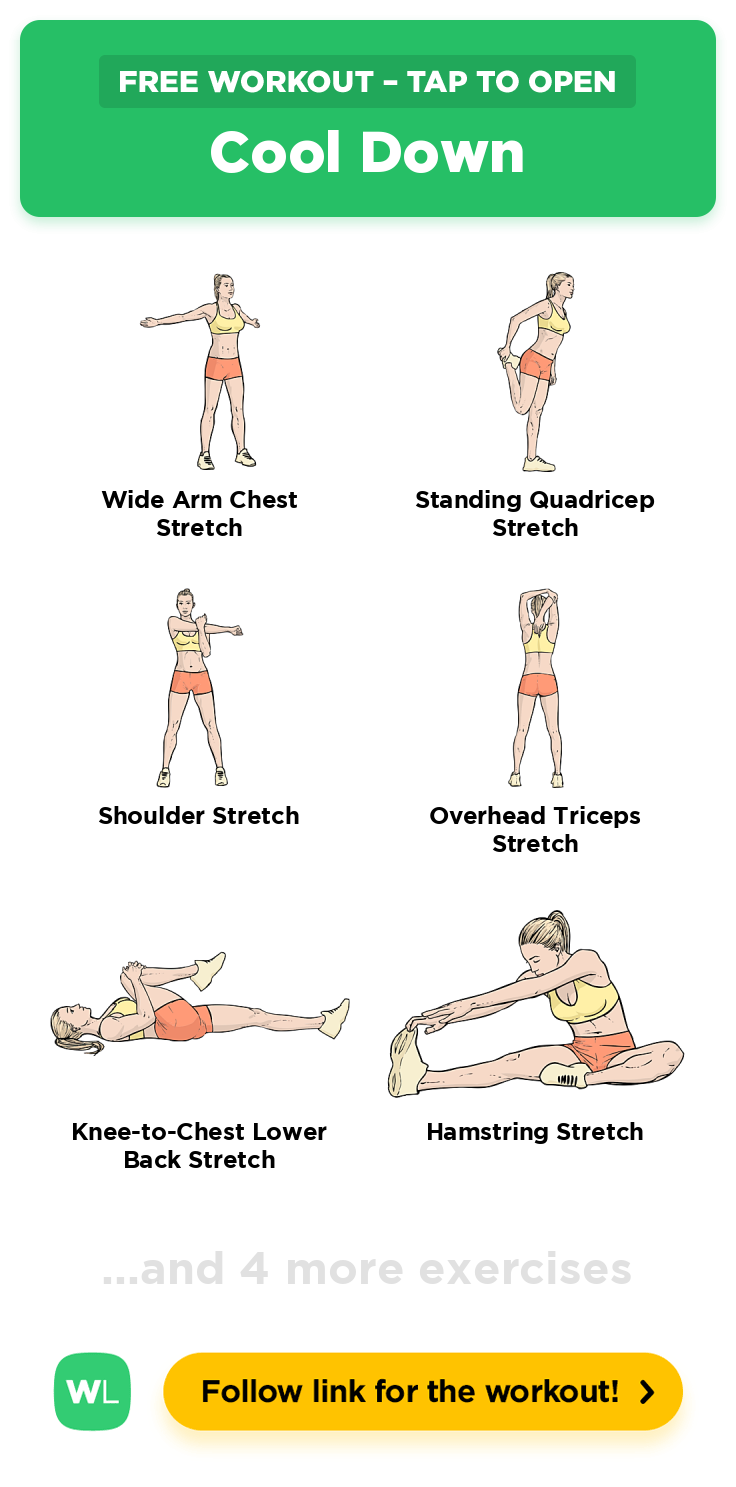
Simple stretching exercises help your body cool down after workouts. They reduce muscle tightness and lower the risk of injury. Stretching also helps your muscles relax and recover faster. Beginners can benefit from easy stretches that target key muscle groups.
Hamstring Stretch
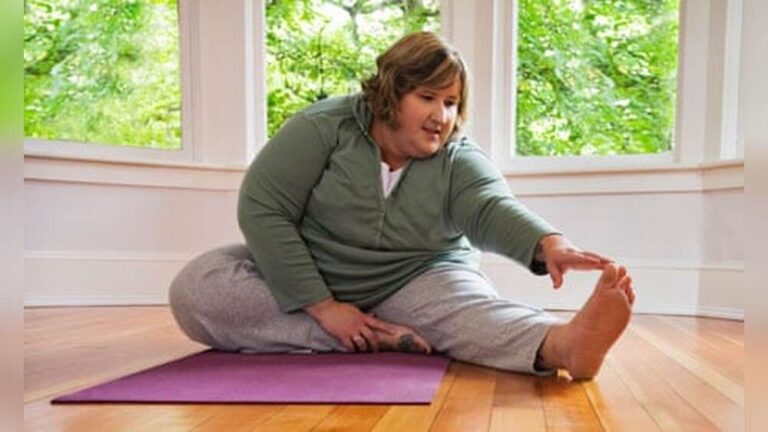
Sit on the floor with one leg straight. Bend the other leg, placing the foot near your inner thigh. Reach toward the toes of your straight leg. Hold the stretch for 20 seconds. Switch legs and repeat. This stretch loosens the back of your thighs.
Quadriceps Stretch
Stand tall and hold onto a wall or chair for balance. Bend one knee and bring your heel toward your buttocks. Grab your ankle with your hand. Keep your knees close together. Hold for 20 seconds. Change legs and repeat. This stretch helps your front thigh muscles.
Shoulder And Arm Stretch
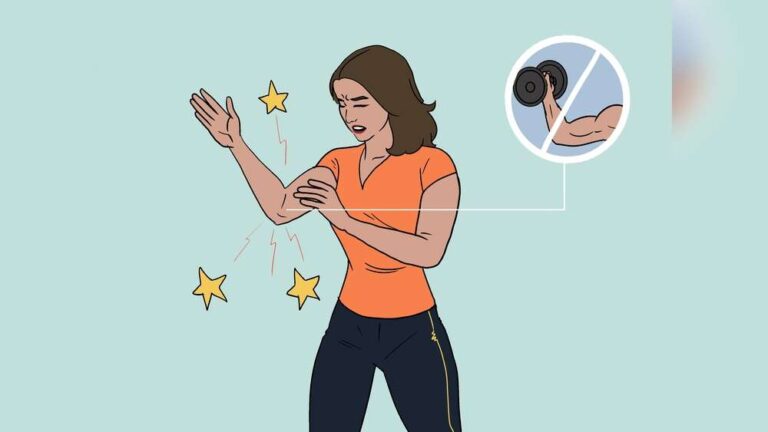
Bring one arm across your chest. Use your other arm to press it closer to your body. Keep your shoulders relaxed. Hold the stretch for 20 seconds. Switch arms and repeat. This stretch eases tension in your shoulders and arms.
Breathing Techniques To Relax
Breathing techniques help the body relax after workouts. They calm the mind and lower heart rate. These simple methods improve oxygen flow and reduce muscle tension. Beginners can use breathing to cool down easily and feel refreshed.
Deep Belly Breathing
Deep belly breathing uses the diaphragm to breathe deeply. Sit or lie down comfortably. Place one hand on your belly and one on your chest. Breathe in slowly through your nose. Feel your belly rise under your hand. Hold the breath for a second. Breathe out slowly through your mouth. Your belly should fall. Repeat this for five to ten breaths. This technique lowers stress and helps muscles relax.
Box Breathing Method
Box breathing is a simple, steady breathing pattern. Inhale through your nose for four seconds. Hold your breath for four seconds. Exhale slowly for four seconds. Hold your breath again for four seconds. Repeat this cycle four to five times. This method calms the nervous system. It helps clear your mind and ease tension after exercise.
Credit: www.abposters.com
Hydration And Nutrition Tips
Cooling down after workouts means more than just stretching. Hydration and nutrition play key roles in helping your body recover well. Drinking water and eating the right foods help replace lost fluids and energy. These steps reduce soreness and prepare muscles for the next session.
Importance Of Drinking Water
Your body loses water through sweat during exercise. Drinking water after workouts restores this lost fluid. It helps keep your muscles flexible and reduces cramps. Water also flushes out waste products built up in your body. Aim to drink at least one glass of water right after exercise. Sip water slowly for better absorption.
Post-workout Snack Ideas
Eating a snack after exercise helps your body repair muscles. Choose foods with protein and carbohydrates. Protein rebuilds muscle fibers. Carbs refill your energy stores. Good examples include a banana with peanut butter, yogurt with berries, or a small turkey sandwich. Keep snacks light but nutritious. Avoid heavy or greasy foods that slow digestion.
Using Foam Rollers And Massage
Using foam rollers and massage helps your body relax after workouts. These tools reduce muscle tightness and pain. They also improve blood flow. This speeds up recovery and lowers soreness. Beginners can easily use foam rollers at home. Massage techniques help target specific areas that feel stiff or sore.
Benefits Of Foam Rolling
Foam rolling loosens tight muscles. It breaks up knots and improves flexibility. This helps prevent injuries during future workouts. Rolling increases blood flow to muscles. This brings more oxygen and nutrients to speed healing. It also lowers muscle soreness the next day. Foam rollers are simple and affordable tools. Regular use can improve your workout results.
Self-massage Techniques
Start by choosing a foam roller with medium firmness. Roll slowly over sore muscles. Pause on tight spots for 20-30 seconds. Use your body weight to control pressure. Avoid rolling directly on bones or joints. For hands and feet, use small circular motions. Massage helps relax muscle fibers and reduce tension. Use deep breathing to enhance relaxation. Try massaging after every workout session for best results.
Credit: workoutlabs.com
Incorporating Light Activity
Cooling down after workouts helps the body recover. It lowers heart rate and reduces muscle stiffness. Incorporating light activity is a gentle way to transition from exercise to rest. This practice supports blood flow and prevents dizziness. Beginners can benefit from simple movements that relax muscles and calm the mind.
Walking Cool Down
Walking slowly after exercise is an easy cool down. It helps your heart rate return to normal. Walk at a relaxed pace for five to ten minutes. This light activity keeps blood flowing to your muscles. It also reduces the chance of soreness the next day. Try walking around your workout area or outside if possible.
Gentle Yoga Poses
Gentle yoga poses stretch muscles and improve flexibility. Focus on slow, deep breathing during each pose. Try simple poses like child’s pose, cat-cow, or seated forward bend. These poses help release tension in the body. Hold each pose for 20 to 30 seconds. Yoga cool downs calm the mind and prepare you for rest.
Creating A Post-workout Routine
Creating a post-workout routine helps your body cool down safely. It lowers your heart rate and prevents muscle soreness. A good routine includes gentle movements and stretching. This helps your muscles relax and recover better. Beginners benefit from a simple, clear plan after exercise.
Consistency is key to making this routine work. It builds good habits and improves recovery over time. Tailoring your cool down to your needs makes it more effective. Listen to your body and adjust as you learn what feels best.
Consistency Tips
Set a specific time for your cool down after every workout. This helps your body get used to the routine. Keep your cool down simple and short at first, about five to ten minutes. Gradually increase the time as you feel more comfortable. Use a timer or reminder to stay on track. Avoid skipping the cool down, even if you feel tired.
Personalizing Your Cool Down
Choose stretches that target muscles you used most during exercise. Include gentle walking or slow cycling to bring your heart rate down. Try deep breathing to help relax your body and mind. Adjust the intensity based on how your body feels that day. Experiment with different stretches to find what works best for you. Personalizing your routine keeps it enjoyable and effective.

Credit: workoutlabs.com
Frequently Asked Questions
What Are The Best Cool Down Exercises After Workouts?
Best cool down exercises include light jogging, walking, and dynamic stretches. These help gradually lower heart rate and prevent muscle stiffness.
How Long Should A Cool Down Session Last?
A cool down should last 5 to 10 minutes. This duration helps your body recover and reduces soreness effectively.
Why Is Cooling Down Important After Workouts?
Cooling down aids muscle recovery, prevents blood pooling, and reduces injury risk. It also helps normalize breathing and heart rate.
Can Stretching Help In Cooling Down Post-exercise?
Yes, stretching improves flexibility, reduces muscle tension, and enhances blood flow. It’s essential for a safe and effective cool down.
Conclusion
Cooling down after workouts helps your body recover well. It lowers your heart rate slowly and reduces muscle stiffness. Stretching gently keeps your muscles flexible and less sore. Taking deep breaths calms your mind and relaxes you. Drinking water restores fluids lost during exercise.
These simple steps protect your body and improve your fitness results. Try to make cooling down a regular habit after every workout. Small efforts bring big benefits over time. Stay consistent and enjoy a safer, healthier exercise routine.

Brandon Knoxley is a sport & fitness writer and training guide contributor at MySportFitHub. He focuses on practical workouts, performance-based training, and honest fitness gear insights designed for real people and real results. Brandon is passionate about helping beginners and active individuals train smarter, avoid common mistakes, and build sustainable fitness habits.