
How to Avoid Overtraining in Sports: Essential Tips for Peak Performance
Are you pushing yourself harder than your body can handle? Overtraining in sports can sneak up on you, turning your passion into pain and frustration.
If you want to stay strong, improve your performance, and avoid burnout, it’s crucial to recognize the warning signs and know how to give your body the rest it needs. You’ll discover simple, effective ways to prevent overtraining so you can keep reaching your goals without risking injury or exhaustion.
Keep reading to protect your body and boost your results the smart way.

Credit: ylmsportscience.com
Signs Of Overtraining
Overtraining happens when the body does not get enough rest between workouts. It can cause many problems. Recognizing signs early helps prevent serious injury and burnout. Watch for changes in your body and mind. These signals show you may need to slow down and recover.
Physical Symptoms
Muscle soreness that lasts for days is a common sign. Feeling tired even after sleep is another red flag. Frequent injuries like strains or sprains can appear. Your heart rate might stay high at rest. Sleep problems such as trouble falling asleep can occur. Digestive issues and loss of appetite may also happen.
Mental And Emotional Signs
Feeling irritable or moody without reason is a warning. Lack of motivation to train or compete can grow. Concentration problems may make simple tasks hard. Anxiety and feelings of stress rise easily. You may feel sad or depressed without cause. These mental signs often get ignored but matter a lot.
Performance Decline
Sudden drops in strength or speed happen. You might fail to reach your usual goals. Endurance may decrease quickly during workouts. Recovery takes longer than before. Your body feels weaker despite hard training. These signs show your muscles and energy stores are drained.
Causes Of Overtraining
Overtraining happens when the body gets too much exercise without enough rest. It can cause tiredness, injury, and less performance in sports. Understanding what causes overtraining helps prevent it. Three main reasons often lead to overtraining in athletes.
Excessive Workout Volume
Training too much is a common cause of overtraining. Doing long or intense workouts every day puts stress on the body. Muscles and joints do not get time to heal. Over time, this can cause pain and reduce strength. It is important to balance workout time with rest.
Inadequate Recovery
Recovery is as important as exercise. Without enough rest, the body cannot repair itself. Sleep and rest days help muscles grow and regain energy. Skipping recovery leads to fatigue and lowers performance. Athletes need proper breaks to avoid overtraining.
Poor Nutrition
Food fuels the body for workouts and recovery. Poor nutrition means not getting enough vitamins, minerals, or calories. This can weaken muscles and slow healing. Eating a balanced diet supports energy and strength. Without good nutrition, overtraining risks increase.
Balancing Training And Rest
Balancing training and rest is essential to avoid overtraining. Training hard without proper rest can lead to fatigue, injury, and poor performance. Rest helps the body recover and grow stronger. It also keeps motivation high and reduces burnout. Knowing how to schedule rest and use recovery methods is key for every athlete.
Proper balance lets you train consistently and improve safely. Below are ways to manage rest effectively while staying active.
Scheduling Rest Days
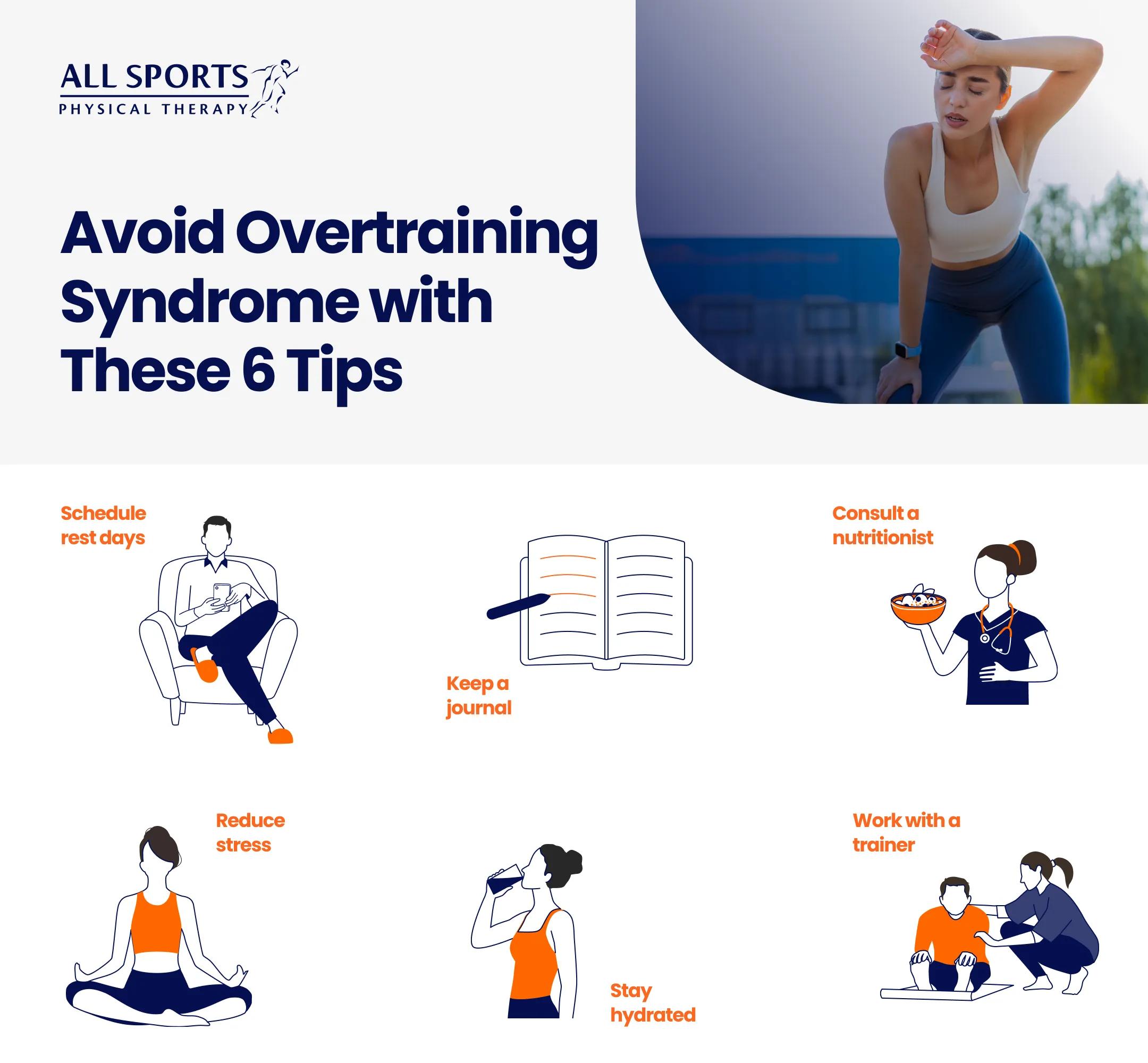
Plan rest days in your weekly routine. These days give muscles time to repair and rebuild. Avoid intense workouts on rest days. Use them to relax or do light activities. Rest days prevent tiredness and help maintain energy. They also reduce the risk of injury and mental fatigue. Stick to your rest schedule for better results.
Active Recovery Techniques
Active recovery means light exercise during rest periods. Activities like walking, stretching, or swimming boost blood flow. This helps remove waste products from muscles. Active recovery reduces soreness and stiffness. It keeps the body moving without adding strain. Use active recovery on rest days or after hard workouts.
Sleep Importance
Sleep is the most important recovery tool. It helps repair muscles and restore energy. Aim for 7 to 9 hours of sleep every night. Good sleep improves focus, reaction time, and mood. Poor sleep slows recovery and increases injury risk. Create a regular sleep schedule and a calm environment to sleep well.
Nutrition Strategies
Proper nutrition plays a key role in avoiding overtraining in sports. It helps the body recover and stay strong. Eating the right foods and drinks supports muscle repair and energy levels. Without good nutrition, the risk of injury and fatigue rises. Follow these nutrition strategies to keep your body balanced and ready for training.
Hydration Tips
Drink water regularly throughout the day. Dehydration makes muscles tired and less flexible. Before exercise, drink about 16 ounces of water. During long workouts, sip water every 15-20 minutes. After training, replenish fluids lost by drinking water or an electrolyte drink. Avoid sugary or caffeinated drinks as they can cause dehydration.
Fueling For Recovery
Eat a mix of protein and carbohydrates after exercise. Protein helps repair muscles. Carbohydrates restore energy stores. A good snack could be yogurt with fruit or a turkey sandwich. Try to eat within 30 minutes after training for best results. Include healthy fats like nuts or avocado to support healing. Balanced meals support steady recovery and reduce fatigue.
Supplements To Consider
Some supplements can help prevent overtraining effects. Omega-3 fatty acids reduce inflammation and support joints. Vitamin D aids muscle function and bone health. Magnesium helps with muscle relaxation and sleep quality. Always choose high-quality supplements and follow dosage instructions. Consult a healthcare provider before adding supplements to your routine.
Monitoring Progress
Monitoring progress is key to avoid overtraining in sports. It helps you see how your body reacts to training. This way, you can adjust your workouts before problems start. Regular checks keep your training safe and effective. Understanding your limits prevents injury and burnout.
Tracking Training Load
Keep a daily record of your workouts. Write down the type, duration, and intensity. This helps you spot if training is too hard or too easy. Balance tough days with lighter ones for steady improvement. Tracking load guides you to train smarter, not harder.
Using Heart Rate Data
Heart rate shows how hard your body works. Use a heart rate monitor during exercise. Watch for unusually high or low beats per minute. Resting heart rate also tells how well you recover. Changes in heart rate can warn of too much stress.
Recognizing Warning Signs Early
Notice feelings of constant tiredness or muscle pain. Trouble sleeping or loss of motivation are red flags. Mood swings and poor performance also signal overtraining. Catch these signs early to take a rest. Early action stops bigger problems from developing.
Mental Health And Stress Management
Mental health plays a key role in avoiding overtraining in sports. Stress affects both the body and mind. Managing stress helps athletes recover faster and stay motivated. A balanced mind supports better performance and prevents burnout. Simple mental health practices can protect against overtraining risks.
Stress Reduction Methods
Stress can build up from intense training and daily life. Deep breathing exercises calm the nervous system. Taking short breaks during workouts helps lower tension. Light activities like walking or stretching ease muscle stiffness. Sleep is vital; it restores energy and reduces stress hormones.
Mindfulness Practices
Mindfulness means paying full attention to the present moment. It helps athletes stay focused and relaxed. Techniques include guided meditation and body scans. Regular mindfulness can reduce anxiety and improve sleep quality. Even a few minutes daily can make a big difference.
Seeking Support
Talking to coaches, friends, or family lightens emotional burdens. Professional help from counselors or sports psychologists is valuable. Sharing feelings prevents isolation and builds resilience. Support networks encourage positive habits and balanced training routines. No one should face overtraining stress alone.
Adjusting Training Plans
Adjusting your training plan helps prevent overtraining and keeps progress steady. It balances work and rest to avoid injury and fatigue. Small changes in routine can make a big difference in recovery and performance.
Periodization Techniques
Periodization breaks training into phases with different focuses. It cycles through hard workouts and lighter sessions. This approach allows the body to recover and build strength. Planning phases reduces the risk of burnout and keeps motivation high.
Listening To Your Body
Pay attention to how your body feels during and after exercise. Soreness, fatigue, and mood changes can signal overtraining. Adjust intensity or rest days based on these signals. Rest is as important as training for growth and repair.
Consulting Coaches And Experts
Coaches can help create balanced training plans tailored to your needs. Experts offer advice on proper techniques and recovery methods. Regular check-ins ensure your plan stays effective and safe. Guidance reduces the chance of pushing too hard too soon.

Credit: guenergy.com
Credit: allsports-physicaltherapy.com
Frequently Asked Questions
What Are Common Signs Of Overtraining In Athletes?
Common signs include persistent fatigue, decreased performance, mood swings, and frequent injuries. Overtraining can also cause sleep problems and prolonged muscle soreness. Recognizing these symptoms early helps prevent serious health issues and ensures proper recovery.
How Can Athletes Prevent Overtraining Effectively?
Athletes should balance training intensity and rest days. Proper nutrition, hydration, and sleep are crucial. Monitoring performance and listening to the body helps adjust workouts. Periodic breaks and cross-training reduce overtraining risks and enhance overall fitness.
Why Is Rest Important To Avoid Overtraining?
Rest allows muscles to repair and rebuild, preventing fatigue and injury. It supports mental recovery and improves performance. Without adequate rest, the body cannot recover properly, increasing overtraining risks and reducing athletic progress.
Can Nutrition Impact Overtraining Prevention?
Yes, balanced nutrition fuels workouts and aids recovery. Proper intake of proteins, carbs, and fats supports muscle repair and energy levels. Hydration also plays a key role in preventing fatigue and maintaining performance during training.
Conclusion
Avoiding overtraining keeps your body strong and ready. Rest days help muscles heal and grow. Listen to your body; it sends important signals. Balance workouts with proper nutrition and sleep. Slow progress is better than injury or burnout. Enjoy sports by training smart, not hard.
Stay consistent, but know when to pause. This approach helps you improve safely and last longer.

Brandon Knoxley is a sport & fitness writer and training guide contributor at MySportFitHub. He focuses on practical workouts, performance-based training, and honest fitness gear insights designed for real people and real results. Brandon is passionate about helping beginners and active individuals train smarter, avoid common mistakes, and build sustainable fitness habits.