

How To Increase Weight On Dumbbells: Smart Guide
Increase dumbbell weight when you can complete all target reps with clean form and steady control.
Learning how to increase weight on dumbbells is less about lifting heavier every workout and more about building strength with patience. The right plan combines small load increases, smart rep targets, good technique, and enough recovery to keep your progress moving. This guide explains how to progress safely, whether you train at home or in a gym.
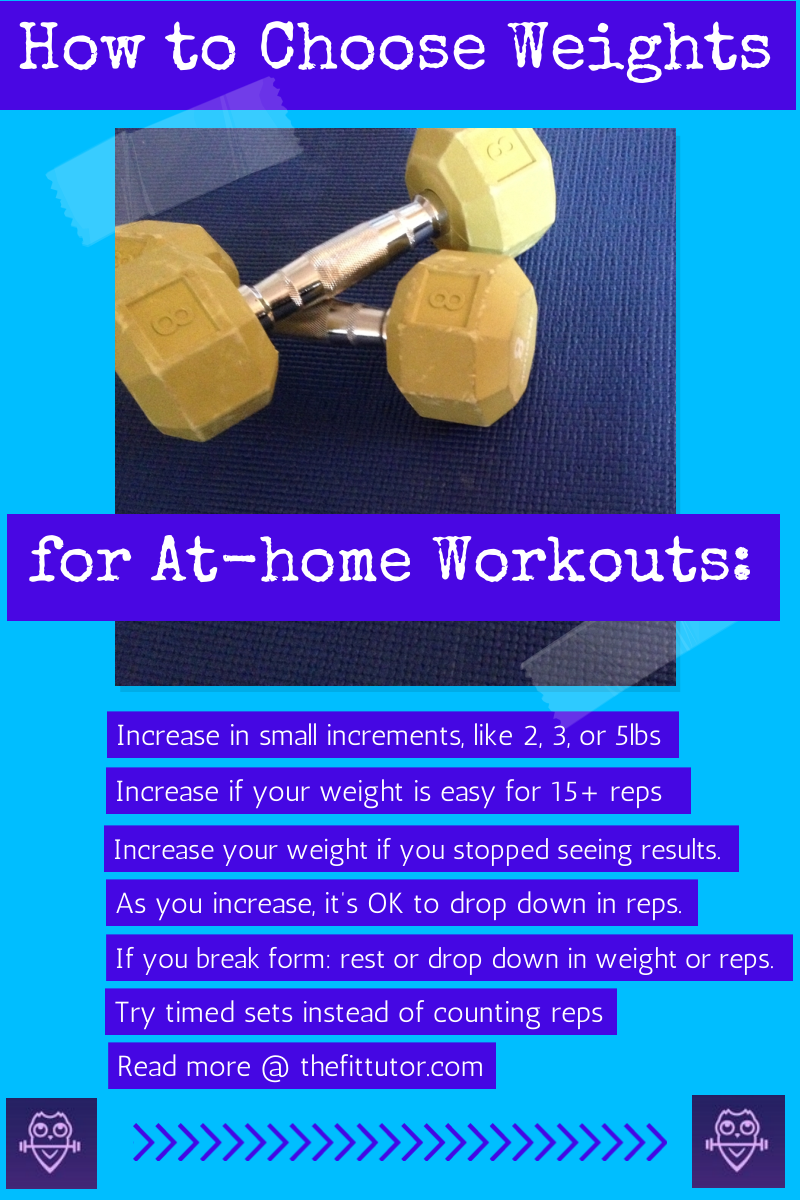
What It Means to Increase Weight on Dumbbells
Increasing weight on dumbbells means gradually using a heavier load as your muscles become stronger. This process is called progressive overload. It gives your muscles a new challenge while allowing your body time to adapt.
You can create progressive overload in several ways:
• Add weight to the dumbbells.
• Complete more repetitions with the same weight.
• Perform more sets.
• Use a slower lifting or lowering phase.
• Improve your range of motion.
• Reduce rest time in some conditioning workouts.
For strength gains, adding weight is often useful. However, heavier dumbbells are not always better. A heavier load only helps when you can control it safely and maintain proper form.
The goal is to make steady progress, not to prove how much you can lift on one day. Think of strength training like climbing stairs. Each small step matters, but skipping several steps can make the climb harder and less safe.
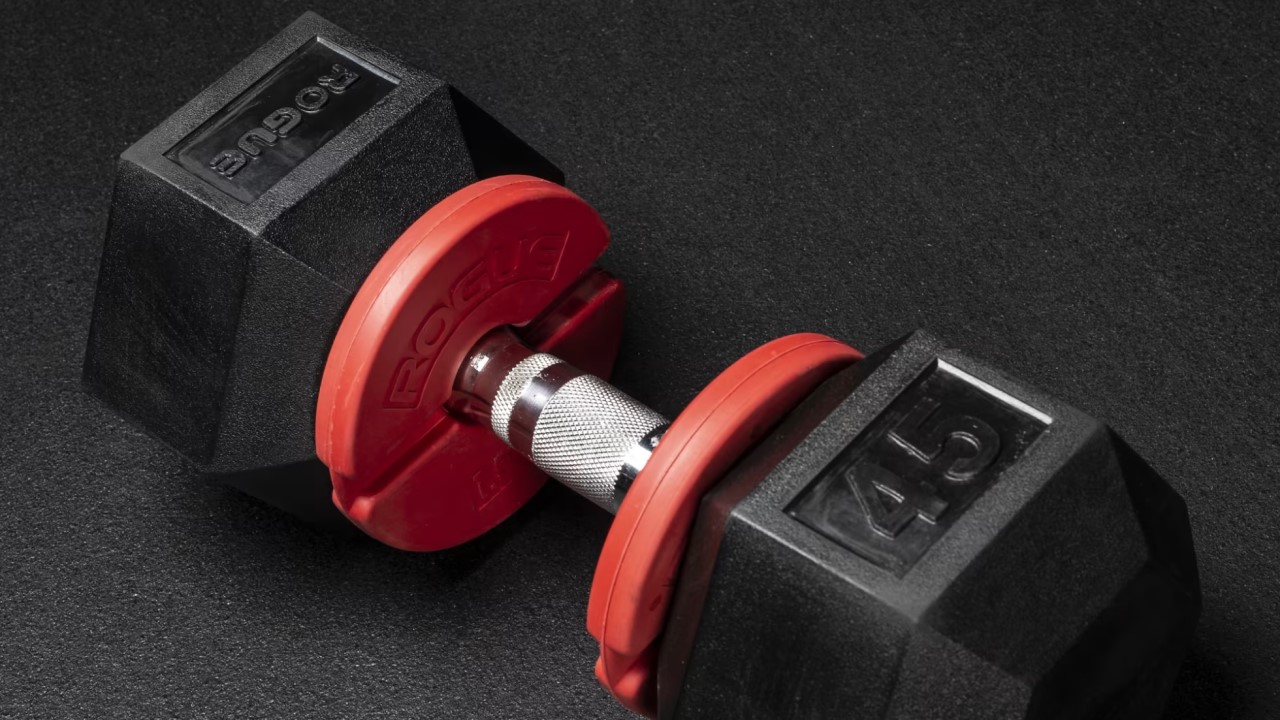
How to Know When to Increase Dumbbell Weight
The best time to increase weight is when your current load feels manageable across all planned sets. You should finish your final repetition with control and without changing your technique.
Use these signs as a guide:
• You complete the top number in your rep range for every set.
• You have one to three good repetitions left at the end of each set.
• Your back, shoulders, and joints stay in a stable position.
• You do not swing the dumbbells to create momentum.
• You can lower the weight slowly.
• You recover well before your next workout.
For example, imagine your dumbbell shoulder press plan calls for three sets of 8 to 12 reps. If you complete 12, 12, and 12 reps with good form, you may be ready to increase the weight.
After increasing the load, your reps may drop to 8 or 9. That is normal. Build the reps again over the next few workouts.
Avoid increasing weight if your final reps become shaky, painful, or rushed. Muscle fatigue is normal, but sharp pain, joint pain, numbness, or loss of control is a warning to stop and reassess.

Use Double Progression for Consistent Results
Double progression is one of the simplest methods for learning how to increase weight on dumbbells. You first increase repetitions within a set range. Then you raise the weight and repeat the process.
Follow these steps:
-
Choose a rep range, such as 8 to 12 reps.
-
Select a weight you can lift for about 8 clean reps.
-
Keep that weight until you can complete 12 reps in every set.
-
Increase the dumbbell weight by the smallest practical amount.
-
Return to the lower end of the rep range.
Here is an example:
| Workout | Weight | Reps |
|---|---|---|
| Week 1 | 30 pounds | 10, 9, 8 |
| Week 2 | 30 pounds | 11, 10, 9 |
| Week 3 | 30 pounds | 12, 11, 10 |
| Week 4 | 30 pounds | 12, 12, 12 |
| Week 5 | 35 pounds | 9, 8, 8 |
This method works well because it gives you a clear target. You do not need to guess when to add weight. Your performance tells you when it is time.
It also helps prevent large jumps. A small increase may seem modest, but small gains can add up over months of steady training.

Choose the Right Weight Increase
The correct increase depends on the exercise, your training level, and the dumbbells available. A five-pound increase in a goblet squat may feel reasonable, while the same increase in a lateral raise may be too much.
Use these general guidelines:
• Large exercises, such as goblet squats and dumbbell deadlifts, may tolerate increases of 5 to 10 pounds per dumbbell or total load.
• Upper-body presses and rows often work well with increases of 2.5 to 5 pounds per dumbbell.
• Smaller exercises, such as lateral raises and reverse flyes, may need increases of 1 to 2.5 pounds.
• Beginners should use the smallest available increase until they learn how their body responds.
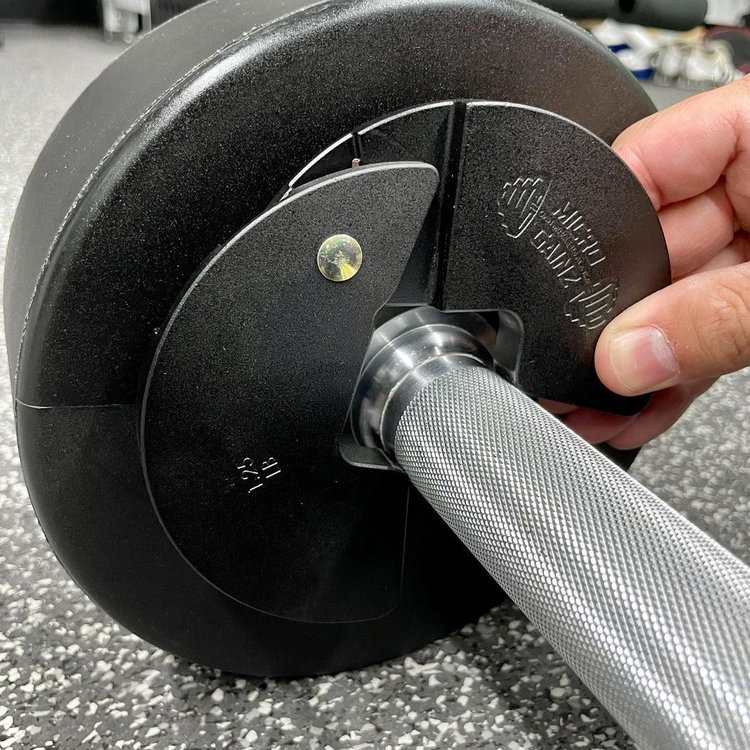
If your dumbbells jump too much in weight, use another form of progression. Add one or two reps, slow the lowering phase, or add a set before moving to the next dumbbell.
Adjustable dumbbells can make progression easier because they offer smaller load changes. Fixed dumbbells are still effective, but you may need to use rep progression or a different exercise when the next available weight is too heavy.

Match Dumbbell Weight to Your Goal
Your ideal weight depends on whether you want strength, muscle growth, endurance, or general fitness. The same exercise may use different loads for different goals.
For strength
Use heavier dumbbells for about 3 to 6 controlled reps per set. Rest for two to four minutes between demanding sets. Focus on stable form and full recovery.
For muscle growth
Use a moderate to heavy load for about 6 to 15 reps per set. Research shows that muscle growth can occur across a broad rep range when sets are challenging and training volume is appropriate.
For muscular endurance
Use lighter dumbbells for about 15 to 25 or more reps. Keep the movement controlled and avoid rushing through the set.
For general fitness
Use a comfortable weight that lets you perform 8 to 15 good reps. You can also combine dumbbell exercises into circuits with moderate rest.
These ranges are useful guides, not strict rules. The most important factor is that the set challenges your muscles without causing poor technique or pain.
Increase Weight on Dumbbells Without Losing Form
Good form is your safety system. It also helps place stress on the muscles you want to train instead of shifting the work to your joints or other body parts.
Use these form checks before increasing weight:
• Keep your spine in a neutral position.
• Brace your stomach during standing and pressing exercises.
• Keep your knees and feet stable.
• Move through a comfortable range of motion.
• Lower the dumbbells with control.
• Keep your wrists straight during presses and curls.
• Avoid bouncing, swinging, or jerking the weight.
A common mistake is adding weight to dumbbell curls and then leaning backward to complete the reps. This may move the dumbbell, but it reduces the work done by the biceps and increases stress on the lower back.
Another common mistake happens during lateral raises. People often choose weights that are too heavy and swing their arms. A lighter dumbbell lifted slowly usually creates better tension and better control.
In my experience, the best progress often comes after reducing the weight slightly and improving the movement. Strength is not only the ability to move a heavy load. It is also the ability to control that load.
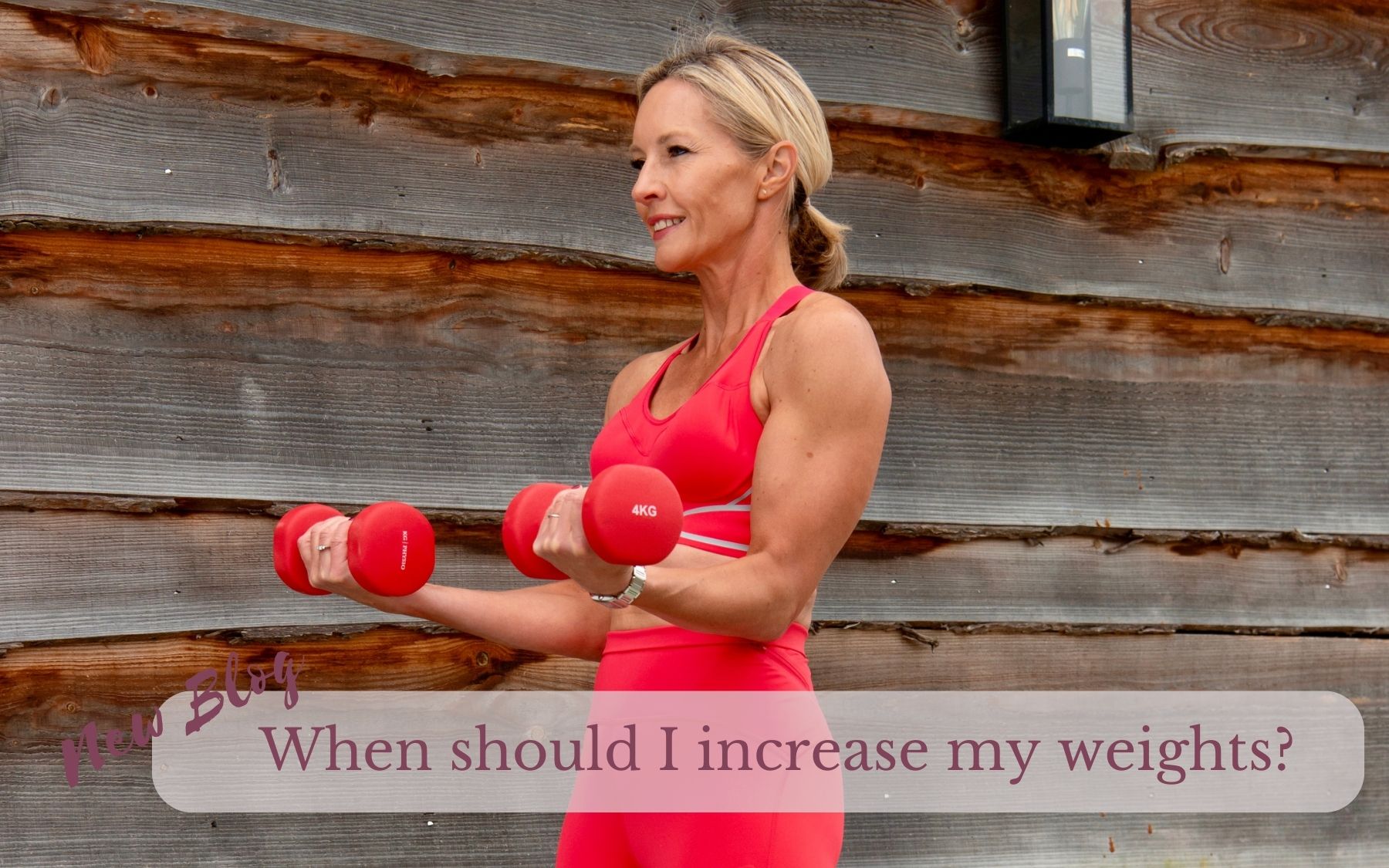
Follow a Simple Dumbbell Progression Plan
A basic plan can help you increase weight on dumbbells without guessing. Train each movement pattern regularly and record your results.
Try this four-step approach:
-
Pick a starting weight that allows 8 to 12 clean reps.
-
Perform two to four working sets.
-
Add one rep when you can do so without losing form.
-
Increase the dumbbell weight when you reach the top of the rep range on every set.
For example, your dumbbell row may look like this:
• Week 1: 40 pounds for 10, 9, and 8 reps
• Week 2: 40 pounds for 11, 10, and 9 reps
• Week 3: 40 pounds for 12, 11, and 10 reps
• Week 4: 40 pounds for 12, 12, and 12 reps
• Week 5: 45 pounds for 9, 8, and 8 reps
Record the exercise, weight, reps, sets, and how the movement felt. A simple notebook or phone app is enough. Written records remove guesswork and show progress that may be hard to notice in the mirror.
If progress stops for two or three weeks, do not immediately force a heavier weight. Check your sleep, food intake, rest periods, exercise order, and technique first.
Warm Up Before Lifting Heavier Dumbbells
A warm-up prepares your muscles, joints, and nervous system for training. It does not need to be long or exhausting.
Start with five to10 minutes of easy movement, such as walking, cycling, or light rowing. Then perform a few mobility drills for the joints involved in your workout.
Before your working sets, use lighter dumbbells:
• Do 10 to 15 reps with very light weights.
• Do 5 to 8 reps with a moderate weight.
• Perform your first working set only after the movement feels smooth.
For example, before heavy dumbbell presses, begin with arm circles, light presses, and controlled shoulder movements. Before dumbbell squats, try bodyweight squats and a light goblet squat.
Do not turn your warm-up into a workout. The purpose is to prepare your body, not to create fatigue before your main sets.

Rest, Recovery, and Nutrition Matter
Your muscles do not become stronger during the lift itself. Training provides the stimulus, while recovery allows your body to repair and adapt.
Most adults need about seven to nine hours of sleep each night, though individual needs vary. Poor sleep can affect focus, coordination, energy, and workout performance.
Support your training with:
• Enough calories to match your goal.
• Regular protein-rich foods.
• Carbohydrates for training energy.
• Water throughout the day.
• Rest days or lighter training sessions.
Protein needs vary by body size, age, health, and training volume. Many active adults can support muscle growth with roughly 1.4 to 2.0 grams of protein per kilogram of body weight per day, spread across meals. People with kidney disease or other medical concerns should ask a qualified health professional before changing protein intake.
A frequent mistake I have seen is trying to increase weight on dumbbells while eating too little and sleeping poorly. The person may blame the program, but the real problem is that the body lacks the resources to recover.
Common Mistakes When Increasing Dumbbell Weight
Knowing what not to do can save you months of frustration. Avoid these common errors:
Increasing weight every workout
You do not need to lift heavier each session. Strength can change from day to day because of sleep, stress, nutrition, and previous training.
Using large weight jumps
A sudden increase can turn a controlled movement into a risky one. Use smaller jumps when possible.
Ignoring the weaker side
When using two dumbbells, one arm may work harder than the other. Use the weaker side to set your repetitions, and avoid adding extra reps with the stronger side.
Training through sharp pain
Muscle effort and mild burning are common. Sharp pain, joint pain, and sudden discomfort are not signs of useful progress.
Changing too many variables
If you increase weight, sets, reps, and training days at once, you will not know what caused the result. Change one main factor at a time.
Chasing numbers over movement quality
A heavier dumbbell is not an achievement if you cannot control it. Quality repetitions build a stronger base for future progress.
When to Hold Steady or Reduce the Weight
Sometimes the smartest way to increase weight on dumbbells is to pause. Holding the same load allows your body to adapt and your technique to improve.
Keep the same weight when:
• Your reps are still rising.
• Your form is improving.
• You feel mild, normal fatigue.
• You are recovering well.
Reduce the weight when:
• Your technique breaks down early in the set.
• You feel pain in a joint or tendon.
• You cannot control the lowering phase.
• Your range of motion becomes much shorter.
• You feel unusually weak for several workouts.
A temporary reduction is not failure. It is a training adjustment. After a demanding training block, some people benefit from a lighter week with fewer sets or less weight. This is often called a deload.
If pain continues, worsens, or affects daily movement, stop the exercise and seek advice from a licensed health professional.
How to Increase Weight on Dumbbells at Home
Home workouts can produce excellent results with limited equipment. The main challenge is often the gap between available dumbbell sizes.
If the next dumbbell is too heavy, try one of these options:
• Add reps with your current weight.
• Add a pause at the hardest part of the exercise.
• Lower the dumbbell for three to five seconds.
• Perform one extra set.
• Use a single-arm or single-leg variation.
• Increase your range of motion when safe.
• Use a harder exercise variation.
For example, if a 25-pound dumbbell feels easy but a 30-pound dumbbell is too heavy for a shoulder press, stay with 25 pounds and add controlled reps. You can also use a slower lowering phase until the 30-pound weight becomes realistic.
Do not use improvised weights that can slip, break, or shift during the movement. Safe equipment matters more than fast progress.
Frequently Asked Questions About How to Increase Weight on Dumbbells
How often should I increase dumbbell weight?
Increase weight when you can complete all planned reps and sets with strong form. For many beginners, this may happen every one to four weeks, but progress varies by exercise and individual recovery.
How much weight should I add to dumbbells?
Use the smallest increase that challenges you without changing your technique. A 2.5 to 5-pound increase is common for many upper-body exercises, while larger lower-body movements may tolerate more.
Should I increase reps or weight first?
Use both, but increase reps first within a planned range. Once you reach the top of that range for every set, add weight and return to the lower end.
Can I increase dumbbell weight every workout?
You can in the early stages of training, but you do not need to. As you become stronger, progress may slow, and adding weight every workout can lead to poor form or excessive fatigue.
What should I do if the next dumbbell is too heavy?
Keep your current weight and add reps, sets, pauses, or slower lowering phases. You can also use a single-arm variation, which may make the exercise more challenging without needing a much heavier dumbbell.
Is lifting heavier dumbbells always better for muscle growth?
No. Muscle growth depends on training effort, volume, nutrition, recovery, and technique. A moderate weight used with controlled, challenging reps can be highly effective.
Should I train both arms with the same dumbbell weight?
Usually, yes, but let your weaker arm determine the number of reps. This helps prevent the stronger side from doing more work and creating a larger imbalance.
Conclusion
Learning how to increase weight on dumbbells requires patience, accurate tracking, and good technique. Use double progression, add small weight increases, stay within a sensible rep range, and keep each repetition controlled.
Do not rush past pain or ignore recovery. Strong progress is built through many solid workouts, not one impressive set. Start with your next session, record your results, and increase the load only when your form shows that you are ready. Share your training approach or explore more strength-training resources to keep improving.

Brandon Knoxley is a sport & fitness writer and training guide contributor at MySportFitHub. He focuses on practical workouts, performance-based training, and honest fitness gear insights designed for real people and real results. Brandon is passionate about helping beginners and active individuals train smarter, avoid common mistakes, and build sustainable fitness habits.


