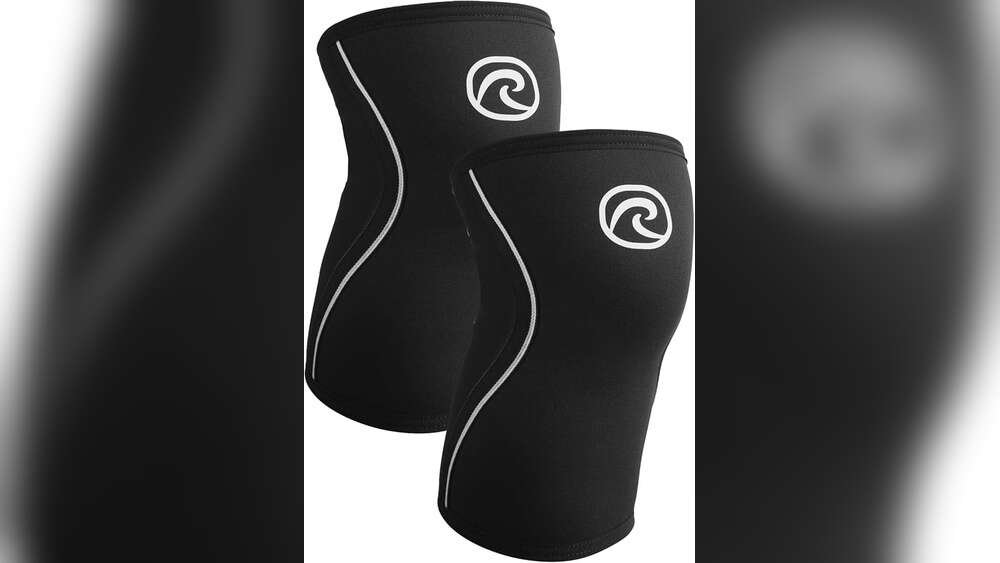
How to Protect Knees During Sports Training: Essential Tips
Your knees take a lot of pressure during sports training. If you want to stay active and avoid painful injuries, protecting them is a must.
Imagine pushing your limits without worrying about knee pain slowing you down. You’ll discover simple and effective ways to keep your knees safe. By following these tips, you’ll not only improve your performance but also enjoy every moment of your training.
Keep reading to learn how to protect your knees and stay in the game longer.

Credit: diychris.com
Common Knee Injuries In Sports
Knee injuries are common in many sports. They can cause pain and stop training. Knowing about these injuries helps in protecting your knees better. Many athletes face knee problems during sports activities.
Understanding the types and causes of knee injuries is important. It helps athletes avoid serious damage and recover faster. This section explains common knee injuries and their risk factors.
Types Of Knee Injuries
The most common knee injuries include ligament tears, meniscus injuries, and tendonitis. Anterior cruciate ligament (ACL) tears happen during sudden stops or changes in direction. Meniscus injuries occur from twisting or overusing the knee. Tendonitis is inflammation of the tendons, often from repeated movements. Other injuries include bruises, fractures, and dislocations.
Causes And Risk Factors
Knee injuries can result from high-impact sports or poor technique. Sudden twists, jumps, and falls increase the risk. Weak muscles around the knee also make injuries more likely. Lack of proper warm-up or stretching can lead to strains. Overtraining without rest causes stress on the knee. Wearing wrong shoes or uneven playing surfaces adds to the danger.
Warm-up And Stretching
Warming up and stretching help protect knees during sports training. They prepare muscles and joints for activity. This reduces the risk of injury. Knees get ready to handle stress from movements. Proper warm-up and stretching improve flexibility and blood flow.
Effective Warm-up Techniques
Start with light aerobic exercises like walking or jogging. This raises body temperature and loosens muscles. Follow with dynamic movements that mimic your sport. Leg swings, high knees, and butt kicks work well. These moves increase joint mobility and activate muscles around the knee. Spend at least 5 to 10 minutes warming up. Avoid sudden, intense exercises right away.
Key Stretches For Knee Health
Focus on stretches that target the muscles supporting the knee. Hamstring stretches ease tightness in the back of your thigh. Quadriceps stretches loosen the front thigh muscles. Calf stretches help with ankle and knee stability. Hold each stretch gently for 20 to 30 seconds. Avoid bouncing or pushing too hard. Stretching improves flexibility and reduces strain on knee joints.
Strengthening Exercises
Strengthening exercises play a key role in protecting knees during sports training. Strong muscles around the knee help keep the joint stable. This reduces the risk of injuries and improves overall performance. Regular strength workouts build muscle endurance and support. They also help absorb shocks and reduce pressure on the knee.
Muscles Supporting The Knee
The knee relies on several important muscles for strength and stability. The quadriceps in the front of the thigh help straighten the leg. The hamstrings at the back assist in bending the knee. The calf muscles support the lower leg and ankle movement. Hip muscles also contribute by controlling leg alignment. Balanced strength in these muscles protects the knee joint during activity.
Recommended Strength Workouts
Squats are effective for building quadriceps and glute muscles. Step-ups improve balance and strengthen the front thigh. Hamstring curls target the back of the thigh and help knee bending. Calf raises build lower leg strength for better support. Bridges activate hip and core muscles to maintain knee alignment. Start with light weights or body weight. Increase intensity gradually to avoid strain.
Proper Training Techniques
Proper training techniques play a key role in protecting your knees during sports. Using the right methods reduces the risk of injury and keeps your joints strong. Training with care helps you perform better and stay active longer.
Correct Form And Posture
Maintaining correct form is essential for knee safety. Always align your knees with your toes during exercises. Avoid letting your knees collapse inward or move too far forward. Good posture distributes weight evenly and lowers pressure on the knees. Focus on slow, controlled movements. This approach helps your muscles support your joints properly.
Avoiding Overtraining
Overtraining strains your knees and slows recovery. Give your muscles and joints time to rest between sessions. Balance hard workouts with easy days or rest days. Watch for pain or swelling around your knees. These signs mean you need a break. Consistent rest prevents damage and helps you train longer.
Using Protective Gear
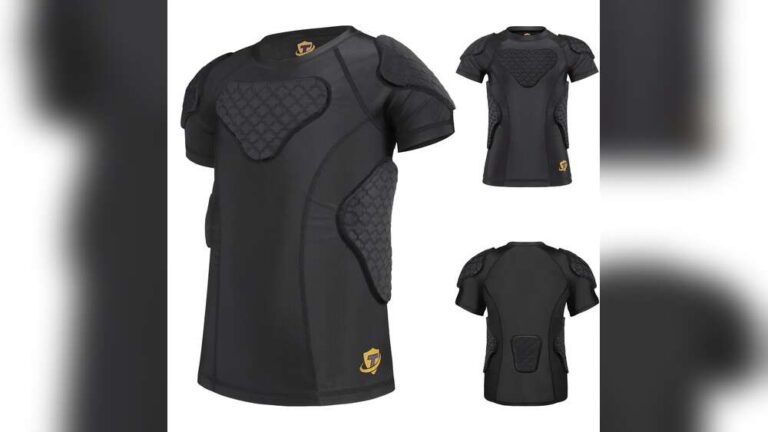
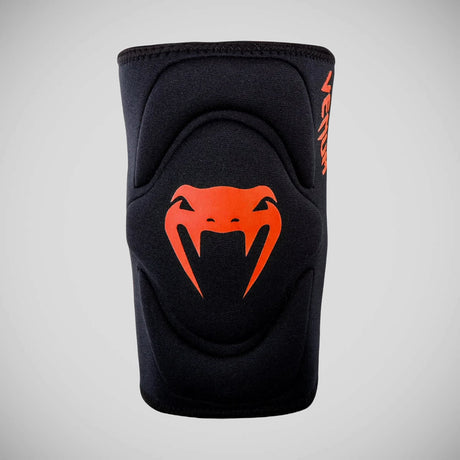
Protecting your knees during sports training is very important. Using the right protective gear lowers the risk of injury. It supports your joints and keeps them stable. Protective gear helps you train safely and confidently. Choose gear that fits well and suits your sport type. Comfort and protection go hand in hand for best results.
Types Of Knee Braces And Supports
Knee braces and supports come in many styles. Some offer light support for minor pain or swelling. Others provide firm support for serious injuries or weak knees. Compression sleeves help reduce swelling and improve blood flow. Hinged braces give strong support to prevent sideways movement. Choose a brace based on your knee condition and activity level. Proper use can speed up recovery and prevent new injuries.
Choosing The Right Footwear
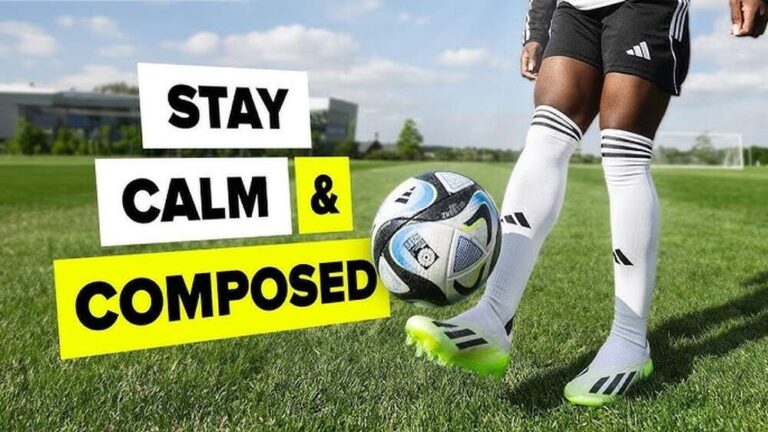
Good shoes protect knees by absorbing shock during movement. Shoes should fit well and provide good arch support. Different sports need different types of shoes. Running shoes, basketball shoes, and soccer cleats all serve unique purposes. Replace worn-out shoes to avoid knee strain. Proper footwear helps keep your knees aligned and reduces stress. Always test shoes for comfort before long training sessions.

Credit: eoptometry.com
Recovery And Rest
Recovery and rest are key to protecting knees during sports training. They allow your body to heal and get stronger. Without rest, knees can become weak and injured. Proper recovery helps reduce pain and swelling. It also improves your performance in the long run.
Importance Of Rest Days
Rest days give your knees time to recover from stress. Training every day can cause small injuries to build up. These injuries may lead to serious knee problems. Taking rest days lowers this risk. It helps muscles and tissues repair. Rest also reduces fatigue and improves your energy for the next workout.
Managing Pain And Swelling
Pain and swelling are signs that your knee needs care. Applying ice can reduce swelling quickly. Keep your knee elevated to help fluid drain away. Use compression with a bandage to support the joint. Avoid activities that increase pain. Rest and gentle movement speed up healing and protect your knees.
When To Seek Medical Help
Knee pain during sports training is common. Most injuries heal with rest and care. Sometimes, pain means a serious problem. Knowing when to get medical help protects your knee health. Early treatment can prevent long-term damage. Watch closely for signs that need a doctor’s attention.
Warning Signs Of Serious Injury
Severe pain that does not improve after rest is a warning. Swelling that grows quickly may signal a serious injury. Difficulty bending or straightening the knee shows possible damage. Feeling your knee giving way or unstable means a problem. Hearing a popping sound at injury time can indicate a tear. If you cannot walk or put weight on the leg, seek help.
Consulting Professionals
Visit a healthcare provider if warning signs appear. Doctors can perform tests to find the injury type. They suggest the best treatment plan for your knee. Physical therapists help restore strength and motion safely. Avoid self-diagnosing or delaying medical advice. Early professional care improves recovery chances and sports return.
Credit: www.histamineintolerance.org.uk
Frequently Asked Questions
How Can I Prevent Knee Injuries In Sports Training?
Warming up properly and strengthening leg muscles reduce knee injury risks. Use correct techniques and wear supportive footwear during training sessions.
What Exercises Strengthen Knees For Sports Training?
Focus on squats, lunges, and hamstring curls to build knee stability. Balance exercises also improve joint control and reduce injury chances.
Should I Use Knee Braces During Sports Training?
Knee braces can provide extra support and stability if you have previous injuries. Consult a professional to choose the right type for your needs.
How Important Is Proper Footwear For Knee Protection?
Wearing well-fitted, sport-specific shoes absorbs impact and supports knees. Proper footwear helps maintain correct posture and reduces strain during training.
Conclusion
Protecting your knees helps you enjoy sports longer and stay active. Warm up well before training to prepare your muscles and joints. Use proper techniques to reduce strain on your knees. Wear suitable shoes that support your feet and knees.
Strengthen muscles around the knees to increase stability and balance. Rest and listen to your body to avoid injuries. Small steps make a big difference in knee health. Keep these tips in mind for safer sports training every time. Your knees will thank you.

Brandon Knoxley is a sport & fitness writer and training guide contributor at MySportFitHub. He focuses on practical workouts, performance-based training, and honest fitness gear insights designed for real people and real results. Brandon is passionate about helping beginners and active individuals train smarter, avoid common mistakes, and build sustainable fitness habits.