How To Stop A Draw In Golf: Fix Your Ball Flight
To stop a draw in golf, square the clubface, calm your swing path, and avoid excessive inside-to-out movement.
A draw is a controlled shot that curves gently from right to left for a right-handed golfer. It can add distance and improve accuracy, but a draw that turns too much becomes a hook. Learning how to stop a draw in golf starts with finding the cause, then making small changes to your grip, aim, clubface, and swing path.
This guide explains how to stop a draw in golf with simple drills and clear checkpoints. The goal is not to remove every curve. It is to create a more predictable ball flight that you can trust under pressure.
What Causes a Draw in Golf?
A draw happens when the golf ball starts slightly right of the target and curves left for a right-handed player. For a left-handed golfer, the ball usually starts left and curves right.
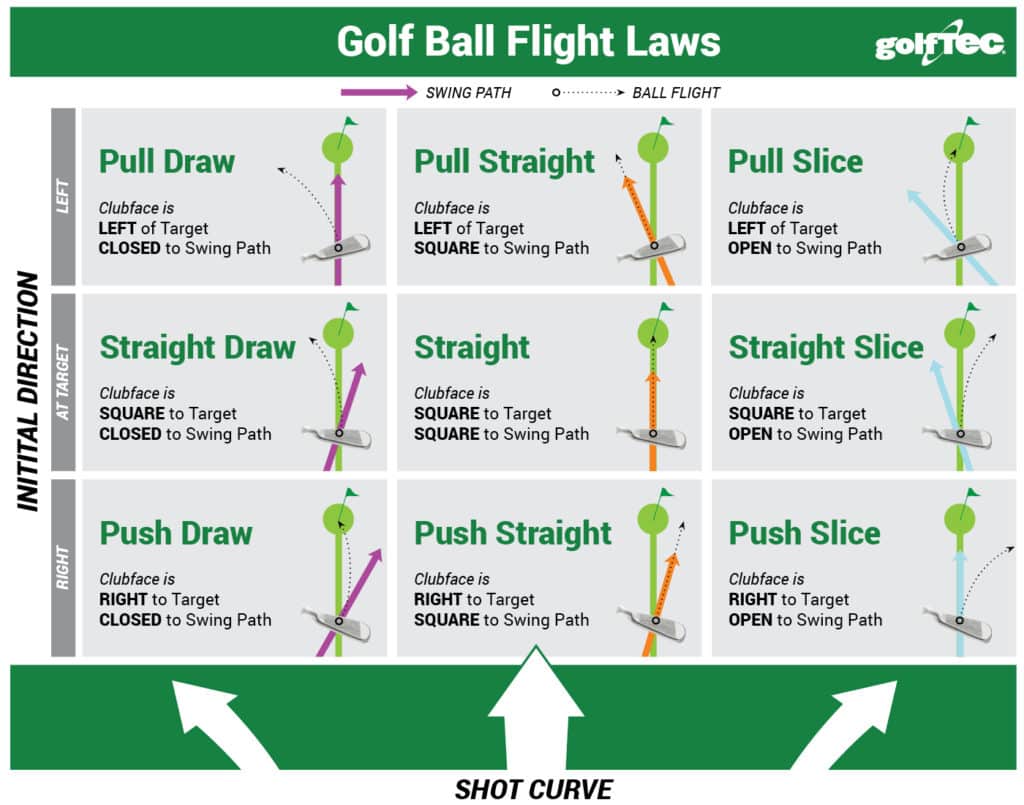
The main cause is a clubface that points left of the swing path at impact, while the swing path still moves from inside to outside. The more the clubface points left compared with the path, the more the ball curves.
Here are the most common causes:
• An inside-to-out swing path that is too strong
• A closed clubface at impact
• A grip that turns the hands too far to the trail side
• Excessive hand rotation through impact
• A stance or shoulder alignment aimed too far right
• A ball position that is too far back
• Poor timing caused by an overly fast transition
A small draw is often useful. A large draw, however, can quickly become a hook. That hook may start near the target and then dive far left, which creates trouble around hazards and narrow fairways.
Golf ball flight laws support this explanation. The clubface mainly controls the starting direction, while the difference between the face angle and swing path controls much of the curve. This is why simply aiming farther right rarely fixes the problem.

How to Stop a Draw in Golf With Your Clubface
The clubface is the first place to look when learning how to stop a draw in golf. If the face is too closed at impact, the ball will tend to curve left.
Start by checking the clubface at address. Set the face square to your target line instead of aiming it right to allow for the draw. Many golfers unknowingly close the face because they rotate the grip in their hands before starting the swing.
Try these steps:
-
Place the clubhead behind the ball with the face square to the target.
-
Let your hands hang naturally from your shoulders.
-
Check that the handle is not pushed too far forward.
-
Make a smooth half swing and watch where the ball starts.
-
Keep the same setup while testing small grip changes.
Avoid holding the face open during the swing. That often creates tension and makes your contact less reliable. The better goal is a neutral face that returns square without forced manipulation.
A useful checkpoint is the lead wrist. For a right-handed golfer, a very bowed lead wrist at impact can close the clubface. You do not need to force the wrist flat, but you should avoid aggressively rolling the lead hand over.

Check Your Golf Grip
Your grip has a major effect on the clubface. A strong grip can make it easier for the face to close through impact, which may increase a draw or produce a hook.
For a right-handed golfer, a strong grip means the hands are turned too far to the right on the handle. You may see three or more knuckles on the lead hand. The trail hand may also sit too far underneath the grip.
A neutral grip usually allows the clubface to return to square with less effort. As a starting point:
• The lead hand often shows about two knuckles.
• The “V” shapes between your thumbs and index fingers point roughly toward your trail shoulder.
• The trail palm does not sit dramatically underneath the handle.
These are general checkpoints, not strict rules. Hand size, wrist mobility, and club setup all affect the best grip for you.
When practicing how to stop a draw in golf, change only one grip detail at a time. Move the lead hand slightly weaker, hit five shots, and record the start line and curve. Then return to your normal grip and compare the results.
One common mistake is changing the grip too much. A golfer who weakens the grip dramatically may lose control and start pushing the ball right. Small changes are easier to measure and easier to repeat.

Improve Your Swing Path
A swing path that travels too far from inside to outside can create a strong draw. This path is not automatically wrong, but it can produce too much right-to-left curve when combined with a closed face.
Imagine the swing path as a track. If the track points too far right of the target, the face must be noticeably open to that path just to send the ball toward the target. When the face closes even slightly, the ball can turn sharply left.
To reduce the draw, feel as if the club travels more toward the target after impact. Do not force the club left. Instead, reduce the extreme inside approach.
Useful swing thoughts include:
• Let the arms fall naturally in transition.
• Keep the trail elbow from getting trapped behind your body.
• Feel the clubhead travel down the target line for a short distance.
• Finish with the chest facing the target.
• Avoid throwing the hands aggressively from the inside.
A video from behind the golfer can reveal the path better than feel alone. Draw a target line from the ball toward the target, then compare the club’s direction near impact. Launch monitors can also measure club path and face angle, but their readings may vary by model and setup.
In my own practice sessions, the biggest mistake I see is trying to fix a draw by swinging harder. More speed often increases timing errors and makes the clubface close faster. A calmer transition usually produces a better result.
Adjust Your Alignment and Ball Position
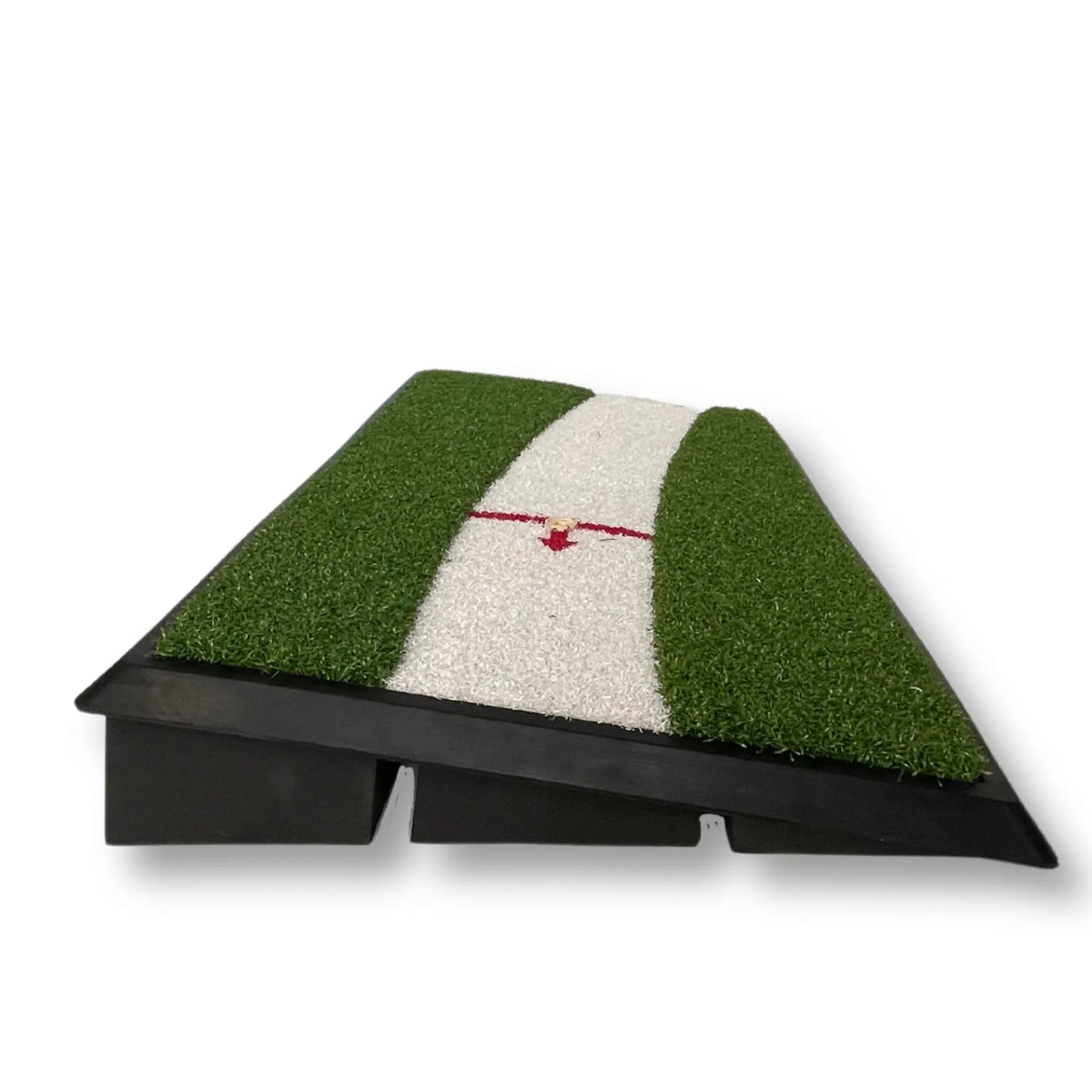
Alignment can quietly encourage a draw. If your feet, hips, and shoulders aim far right of the target, your body may naturally swing toward that direction. The result is often an inside-to-out path.
Use alignment sticks or two clubs on the ground. Place one along your target line and another parallel to it near your toes. Check that your feet, knees, hips, and shoulders are roughly parallel to the target line.
Do not aim your body left while keeping the clubface right. That creates confusion and can make the swing less natural. The clubface should aim at the target, while the body remains slightly parallel to that line.
Ball position also matters:
• A driver ball should usually sit near the lead heel.
• A fairway wood may sit slightly farther back.
• An iron should generally be near the center or slightly forward of center.
• A ball that is too far back may cause the clubface to close before impact.
The exact position depends on your club, swing, and contact pattern. Test your normal position first. Then move the ball only a small amount and watch the start line. If the ball begins too far left, the ball may be too far back or the face may be closing too soon.

Use Tempo to Control the Draw
Fast tempo is not always a problem, but a rushed transition can make a draw much stronger. When the lower body, arms, and hands lose sequence, the club may drop too far inside and return with a closed face.
A smoother tempo gives you more time to deliver the club. Try counting “one” during the backswing and “two” during the downswing. The count does not need to be slow. It simply needs to be steady.
Try this practice routine:
-
Make three slow rehearsal swings without a ball.
-
Pause briefly at the top.
-
Start down with your lower body and chest.
-
Hit a half shot at 60 percent effort.
-
Increase speed only when the ball starts on the intended line.
A balanced finish is another helpful sign. If you fall backward, spin out, or finish with your chest facing away from the target, your swing may lack control. A stable finish does not guarantee a perfect shot, but it often reflects better sequencing.
Learning how to stop a draw in golf does not require a major swing rebuild. Tempo changes can reduce the curve while preserving the motion that already gives you good contact.
Practice Drills to Reduce a Golf Draw
The right drills make it easier to change ball flight without overthinking the swing. Start with short shots, then move to full swings.
The Starting-Line Drill
Place two tees a few inches apart, creating a small gate just in front of the ball. The gate should point toward your target.
Hit short shots through the gate. If the clubface closes too soon, the ball may start left or strike the left tee. This drill improves awareness of the face and start direction.
The Punch Shot Drill
Use a short iron and make a waist-high backswing and follow-through. Keep the ball flight low and focus on a straight start.
Punch shots reduce wrist action and make it easier to feel a neutral clubface. They are also useful when you need to regain control after hitting several hooks.
The Outside-Tee Drill
Place a tee just outside the ball and slightly behind it. Avoid the tee as you swing. This encourages a less extreme inside path.
Do not swing dramatically over the top. The goal is only to prevent the club from dropping too far inside.
The Nine-Shot Drill
Hit three fades, three straight shots, and three draws. You do not need perfect results. The purpose is to learn how the face and path influence curvature.
A golfer who can create different ball flights usually has better control than one who can produce only one shape. This drill also reveals whether your draw is a choice or simply a habit.

A Simple Range Plan
A clear range plan helps you measure progress. Randomly hitting drivers may feel productive, but it often hides the cause of a draw.
Use this 30-ball session:
-
Hit five half wedges to warm up.
-
Hit five short irons while checking your starting line.
-
Hit ten mid-iron shots at 70 percent effort.
-
Hit five shots with your normal driver swing.
-
Finish with five shots aimed at a narrow target.
Track three things:
• Where the ball starts
• How much it curves
• Where it finishes
The starting direction gives you useful information about the clubface. The curve shows the relationship between the face and path. The final result tells you whether the shot is playable.
A launch monitor can add more detail, such as face angle, club path, face-to-path, launch angle, and spin rate. Still, numbers are only helpful when they lead to a clear change. Do not chase perfect data if your contact and course results are already improving.

How to Stop a Draw in Golf on the Course
On the course, avoid making five swing changes after one bad shot. Pressure makes complex thoughts harder to use.
Choose one simple plan:
• Aim the clubface at the target.
• Make a smooth backswing.
• Feel the chest move through the shot.
• Hold a balanced finish.
If the draw is predictable, you may not need to remove it completely. Aim slightly to the right and choose a target that leaves room for the curve. A controlled draw is safer than a forced straight shot.
When the ball starts hooking, use more club and make a shorter swing. A three-quarter swing often improves contact and reduces excessive hand action.
Course management matters too. On a hole with water left, aim away from the hazard and select a club that reduces the curve. The best way to stop a draw in golf during competition may be a smarter target, not a technical change.
Common Mistakes to Avoid
Many golfers make the problem worse by reacting too strongly. Here are mistakes that often appear when trying to stop a draw in golf:
• Aiming farther right without changing the swing
• Trying to hold the clubface open through impact
• Making a dramatic grip change
• Swinging harder to create a fade
• Moving the ball too far forward
• Starting the downswing with the hands
• Practicing only with a driver
• Ignoring strike location on the clubface
Strike location deserves special attention. With modern drivers, contact toward the heel or toe can affect curvature through gear effect. A draw that appears after toe strikes may have a different cause from a draw caused by a closed clubface.
Use face spray or impact tape to check contact. If the ball is striking the toe, improve centered contact before rebuilding your swing. A centered strike often makes ball flight easier to understand.
When Should You See a Golf Instructor?
Self-correction works well when the problem is mild and easy to observe. Professional help becomes useful when the draw has suddenly become a hook, your contact is poor, or your body feels strained.
A qualified instructor can assess:
• Grip and setup
• Clubface angle
• Swing path
• Low-point control
• Impact location
• Body movement and sequencing
• Equipment suitability
A lesson with video or launch monitor data can save weeks of guessing. Be open about your goal. Tell the instructor whether you want a straight ball, a smaller draw, or a controlled fade.
Equipment can also play a role. Shaft flex, lie angle, loft, and clubhead design may influence launch and curvature. Equipment is rarely the only cause, so avoid buying a new club before checking your technique and impact pattern.
Frequently Asked Questions About How to Stop a Draw in Golf
Why does my golf ball draw too much?
Your ball may draw too much because the clubface is closed compared with the swing path. A strong grip, excessive hand rotation, or an overly inside-to-out path can increase the curve.
Should I weaken my grip to stop a draw?
A slightly weaker grip may help if your current grip is very strong. Make a small change first, because weakening the grip too much can create pushes, slices, or poor contact.
Does moving the ball forward stop a draw?
Moving the ball slightly forward may give the clubface more time to remain open, but it is not a complete fix. Too much forward movement can lead to thin contact, blocked shots, or inconsistent strikes.
Should I try to hit a fade to stop a draw?
A gentle fade feel can reduce a draw, but forcing an outside-to-in swing may cause a slice. Focus on a neutral path and a square clubface rather than trying to create a large fade.
Can equipment cause a draw?
Equipment can influence ball flight through factors such as lie angle, shaft properties, loft, and strike location. However, technique and impact conditions usually need to be checked before changing clubs.
How long does it take to stop a draw in golf?
A small draw can often be reduced within one practice session when the cause is clear. A lasting change may take several weeks of focused practice, especially if the swing path and grip have been the same for years.
Conclusion
Learning how to stop a draw in golf begins with understanding the relationship between the clubface and swing path. Check the face first, then review your grip, alignment, ball position, tempo, and strike location.
Use small changes and simple drills. Practice half shots before full swings, track where the ball starts, and avoid trying to fix everything at once. A controlled draw can be a strength, so aim to manage the curve rather than erase your natural swing.
Take these steps to the range this week and test one change at a time. Keep notes on your ball flight, and consider working with a qualified golf instructor if the hook continues.

Brandon Knoxley is a sport & fitness writer and training guide contributor at MySportFitHub. He focuses on practical workouts, performance-based training, and honest fitness gear insights designed for real people and real results. Brandon is passionate about helping beginners and active individuals train smarter, avoid common mistakes, and build sustainable fitness habits.