How Old Is The Golfer: Age, Career & Facts
The golfer’s age depends on which player you mean, because every golfer has a different birth date.
The question “how old is the golfer” sounds simple, but it needs one key detail: the player’s name. This guide explains how to find a golfer’s exact age, how age affects a golf career, and how to avoid common mistakes when checking player profiles.
How to Find Out How Old the Golfer Is
The fastest way to answer how old is the golfer is to identify the player first. Golf has many famous athletes, including Tiger Woods, Rory McIlroy, Scottie Scheffler, Phil Mickelson, Nelly Korda, and Lydia Ko.
Once you know the golfer’s full name, check these details:
• Full name and professional name
• Date of birth
• Current tour or league
• Nationality
• Official player profile
• Date when the age was last updated
A golfer’s age changes each year, so an old article may no longer be accurate. For example, a profile written before a player’s birthday can show a different age from a profile published after it.
The most reliable places to check are official tour profiles, national golf organizations, major tournament websites, and verified player accounts. These sources usually list the golfer’s birth date rather than only showing a rounded age.

How to Calculate a Golfer’s Exact Age
You can calculate a golfer’s age with a simple method. Start with the current year and subtract the golfer’s birth year.
Then check whether the golfer’s birthday has already happened this year.
- Subtract the birth year from the current year.
- Compare today’s date with the golfer’s birthday.
- Subtract one year if the birthday has not happened yet.
- Report the age with the date used for the calculation.
For example, imagine a golfer was born on October 12, 1995. On August 1, 2025, that golfer is 29. On October 12, 2025, the golfer turns 30.
This small date check matters. It prevents one of the most common errors in online sports writing: giving the correct birth year but the wrong current age.
The answer to how old is the golfer should always include a date when accuracy matters. A clear answer would say, “The golfer is 29 years old as of August 1, 2025.”
Why the Golfer’s Age Matters
Age can help explain a golfer’s career stage. A young player may still be building strength, learning tour routines, and gaining experience in major events. An older player may rely more on course strategy, ball control, and mental discipline.
Age does not decide who will win. Golf is different from sports that depend only on speed or power. Experience can be a major advantage because players learn how to manage pressure, weather, travel, and difficult lies.
Age can also affect:
• Training plans
• Recovery time
• Tournament schedules
• Equipment choices
• Coaching needs
• Injury prevention
• Family and travel decisions
When readers ask how old is the golfer, they may also want to know whether the player is a rising star, an established champion, or a veteran nearing the later part of a career.
Still, age should never become a shortcut for judging ability. Some golfers perform at a high level as teenagers, while others reach their best form much later.

How Age Affects Professional Golf
Professional golf rewards both physical skill and decision-making. A golfer needs enough strength to create speed, but also enough control to choose the right shot under pressure.
Younger golfers often bring several strengths:
• High clubhead speed
• Fast physical recovery
• Strong athletic movement
• Willingness to use modern technology
• Confidence from early success
Older golfers may bring a different set of strengths:
• Better course management
• More tournament experience
• Stronger emotional control
• Greater knowledge of wind and turf
• A deeper understanding of personal limits
The best example is the balance between power and wisdom. A young golfer may hit the ball farther, but an experienced golfer may avoid risky shots and make fewer costly mistakes.
Research in sports science also shows that performance does not decline in the same way for every athlete. Training, sleep, injury history, nutrition, coaching, and genetics all matter. This is why the answer to how old is the golfer should provide context rather than act as a final judgment.

Famous Golfers and Their Ages
The phrase how old is the golfer often appears in searches about well-known players. Because ages change every year, the safest approach is to check the birth date and calculate the age for the exact date you need.
Here are examples of major golfers whose ages are often searched:
• Tiger Woods was born on December 30, 1975.
• Rory McIlroy was born on May 4, 1989.
• Scottie Scheffler was born on June 21, 1996.
• Phil Mickelson was born on June 16, 1970.
• Nelly Korda was born on July 28, 1998.
• Lydia Ko was born on April 24, 1997.
These birth dates help readers calculate a current age at any point in the year. However, a published age should always include the date of publication or the date checked.
Tournament pages can be especially useful during major championships. They often list a player’s age at the event, which may differ from the player’s age later in the season.
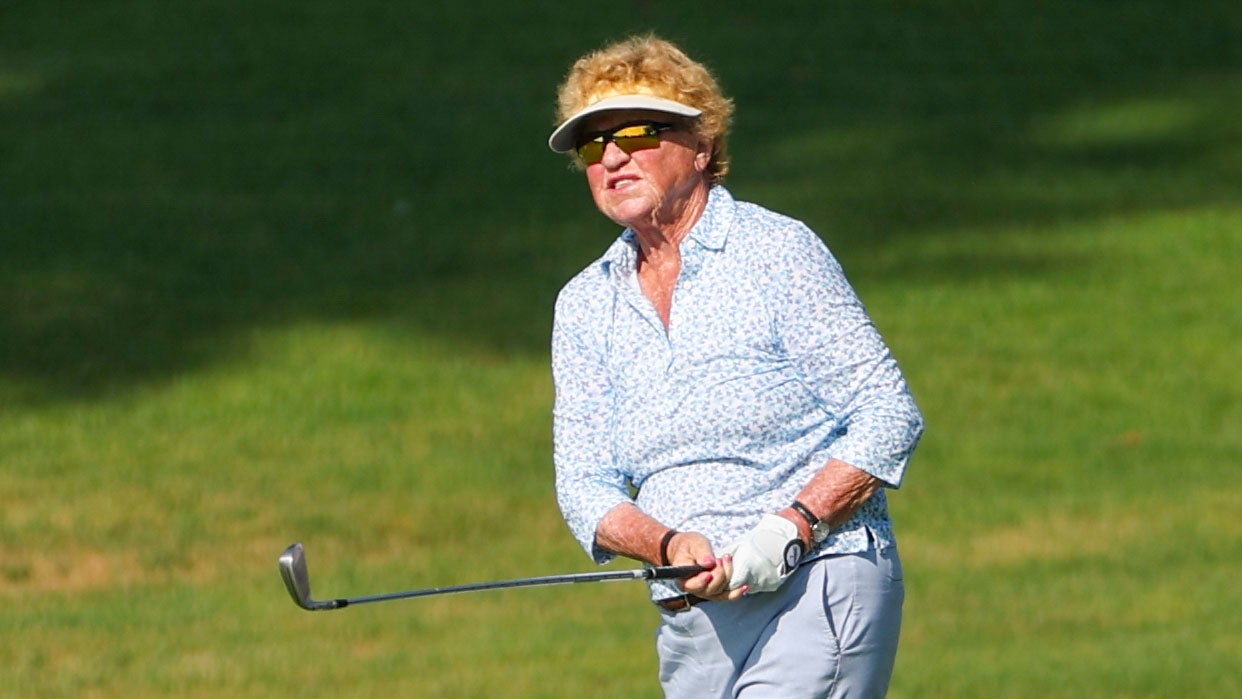
How to Verify a Golfer’s Age
Not every search result is trustworthy. Some websites copy old biographies, confuse players with similar names, or fail to update ages after birthdays.
Use this simple verification process:
- Confirm the golfer’s full name.
- Find the player’s date of birth.
- Check an official tour or tournament profile.
- Compare the information with a second reliable source.
- Calculate the age using the date of publication.
- Note any difference between sources.
Official records from organizations such as the PGA Tour, LPGA Tour, DP World Tour, USGA, and R&A are generally strong starting points. Major event websites can also provide accurate player information.
A verified social media account may confirm a birthday, but it should not replace an official biography when exact records are available.
In my view, the biggest fact-checking mistake is trusting the first search result. A better habit is to compare the birth date, not just the age shown in a headline.

Common Mistakes When Answering How Old Is the Golfer
Many age articles look correct but contain small errors. These errors can spread quickly when other websites copy the same text.
Common mistakes include:
• Using the golfer’s birth year without checking the birthday
• Confusing an amateur with a professional who has a similar name
• Relying on an outdated tournament biography
• Mixing up a golfer’s age at a past event with their current age
• Ignoring time zones near a birthday
• Using an unofficial fan page as the main source
• Failing to state the date used for the calculation
Another mistake is assuming that a golfer’s age explains every career result. A player may struggle because of injury, swing changes, personal stress, equipment problems, or course conditions.
A careful answer separates verified facts from interpretation. First state the golfer’s birth date and age. Then explain what that age may mean for the player’s career.

Does Age Affect Golf Performance?
Age can affect performance, but the relationship is complex. Physical speed, flexibility, and recovery may change over time. At the same time, course knowledge and mental strength can improve with experience.
Golf also places less emphasis on constant sprinting than many other professional sports. Players can adapt their training and technique to protect their bodies. Some may change their swing, use different clubs, or play fewer events.
Age may have the greatest effect on:
• Driving distance
• Recovery between tournaments
• Flexibility and mobility
• Injury risk
• Practice volume
• Travel demands
But these effects vary widely. One golfer may remain powerful well into their 40s, while another may face physical limits much earlier.
That is why the question how old is the golfer should be treated as one part of a larger picture. The golfer’s health, recent form, ranking, schedule, and playing style often matter just as much.

How Young Is Too Young for Professional Golf?
There is no single age at which every player should turn professional. Some golfers compete at a high level as teenagers, while others benefit from college golf or amateur competition before making the move.
Young players should consider more than talent. They also need emotional maturity, financial planning, travel support, and a team that understands long-term development.
Important questions include:
• Can the player handle repeated travel?
• Can the player manage missed cuts and public criticism?
• Is the player physically prepared for a long season?
• Does the player understand contract and sponsorship terms?
• Is there a clear coaching and fitness plan?
A young golfer may have great potential but still need time to build a stable routine. Early success is exciting, yet steady development often creates a stronger career.
Can Older Golfers Still Compete at the Highest Level?
Yes. Older golfers can remain highly competitive, especially when they manage their schedule and health well.
Experienced golfers often know which tournaments suit their game. They may also understand when to attack, when to play safely, and how to handle difficult moments after a poor shot.
Many older players benefit from:
• Better course strategy
• Improved club selection
• Stronger pressure control
• More efficient practice
• Specialized fitness work
• Careful tournament planning
The key lesson is that performance depends on preparation, not age alone. An older golfer who stays healthy and adapts well can remain a serious competitor.
This is another reason a simple answer to how old is the golfer may not tell the whole story. The number matters, but the player’s current condition and results matter too.
What Information Should a Golfer Biography Include?
A useful golfer biography should answer more than one question. It should give readers a clear picture of the player’s background and current career.
A strong profile may include:
• Full name
• Date of birth
• Current age
• Birthplace and nationality
• Tour membership
• Amateur achievements
• Professional wins
• Major championship results
• World ranking
• Playing style
• Recent form
• Injury updates, when confirmed
The date of birth is especially important because it allows readers to verify how old is the golfer without relying on a changing age label.
Biographies should also avoid rumors. If a player’s injury, retirement plan, or personal detail has not been confirmed by a reliable source, it should not be presented as fact.
Frequently Asked Questions About How Old Is the Golfer
How old is the golfer?
The answer depends on the golfer’s name. A golfer’s age can be calculated from the player’s verified date of birth and the date you are checking.
How can I find a golfer’s date of birth?
Check the player’s official tour profile, tournament biography, or national golf organization. Compare important details with a second reliable source before publishing the age.
Why do websites show different golfer ages?
Most differences happen because websites were updated on different dates. One page may show the golfer’s age before a birthday, while another shows the age after it.
Does a golfer’s age affect their ranking?
Age does not directly determine a golf ranking. Ranking systems are based mainly on tournament performance, points, results, and the rules of the relevant tour or ranking body.
Who is the oldest professional golfer?
The answer depends on the tour and the definition of “professional golfer.” Some senior tour players compete at advanced ages, so official tour records are the best way to confirm a specific claim.
Who is the youngest professional golfer?
The answer can change as new players earn professional status. Tournament records and official tour profiles provide the most reliable information about a player’s age at a debut or victory.
Should age be included in a golf news article?
Yes, when it helps explain the story. The article should include the date used for the age and avoid presenting age as the only reason for a player’s success or decline.
Conclusion
The question how old is the golfer cannot be answered accurately without knowing which golfer you mean. The best method is simple: confirm the player’s identity, find a reliable birth date, calculate the age, and state the date used.
Age can add useful context, but it does not define a golfer’s talent. Experience, health, training, strategy, confidence, and recent form all shape performance. If you are checking a golfer’s age, use official records and compare more than one trustworthy source.
Have a specific golfer in mind? Check the player’s official profile, calculate the current age, and explore the golfer’s career record for the full story.

Brandon Knoxley is a sport & fitness writer and training guide contributor at MySportFitHub. He focuses on practical workouts, performance-based training, and honest fitness gear insights designed for real people and real results. Brandon is passionate about helping beginners and active individuals train smarter, avoid common mistakes, and build sustainable fitness habits.