
What Is A Medium Weight Dumbbell: Find Your Best Fit
A medium weight dumbbell is heavy enough to challenge your muscles while still allowing controlled, safe movement.
The term “medium weight dumbbell” has no single number for everyone. Your strength, exercise, training age, and goal all matter. In this guide, you’ll learn how to choose the right weight, how it should feel, and how to use it for strength, muscle growth, and everyday fitness.
What Is a Medium Weight Dumbbell?
A medium weight dumbbell is a dumbbell that feels challenging but manageable for a moderate number of repetitions. For many beginners, this may be a 5 to 15 pound dumbbell. For an experienced lifter, a medium weight dumbbell may be 20, 30, or even 40 pounds.
In simple terms, medium weight sits between light and heavy. It should make the last few reps feel hard without forcing you to lose good form.
A medium weight dumbbell often allows you to complete:
• 8 to 15 controlled repetitions for strength and muscle work
• 12 to 20 repetitions for general fitness
• 30 to 60 seconds of steady exercise in some circuits
The right weight depends on the movement. A dumbbell that feels medium for a goblet squat may feel heavy for a shoulder raise. This is because large muscle groups can usually handle more load than small muscle groups.

Common Medium Dumbbell Weight Ranges
There is no official chart that labels one dumbbell as “medium.” Still, common gym practice gives us useful starting ranges.
| Training level | Common medium dumbbell range |
|---|---|
| Beginner | 5 to 15 pounds |
| Regular exerciser | 10 to 25 pounds |
| Experienced lifter | 20 to 40 pounds |
| Advanced lifter | 30 pounds and higher |
These ranges describe one dumbbell, not the total weight of a pair. A pair of 15 pound dumbbells gives you 30 pounds in your hands when you use both at once.
Your personal medium weight dumbbell may also change by exercise:
• Chest press: 15 to 35 pounds per hand for many regular lifters
• Biceps curl: 8 to 20 pounds per hand
• Shoulder press: 10 to 25 pounds per hand
• Lateral raise: 3 to 12 pounds per hand
• Goblet squat: 20 to 50 pounds
These are broad examples, not strict rules. Fitness level, body size, technique, and past injuries can shift the numbers.
How to Tell If a Dumbbell Is Medium for You
The best way to identify a medium weight dumbbell is to judge your effort and form. The number printed on the dumbbell matters less than how your body handles it.
Try this simple test:
-
Choose a weight that feels easy during the first few repetitions.
-
Complete 10 slow repetitions with good form.
-
Check your effort near the end of the set.
-
Ask whether you could complete 3 to 5 more repetitions.
If you could do 10 more repetitions, the dumbbell is likely light for that movement. If you cannot reach 8 repetitions with control, it may be heavy. A medium weight dumbbell usually leaves you with about 2 to 4 good repetitions in reserve.
This approach matches the idea of perceived exertion used in exercise science. You do not need to train until failure every time. A challenging set with clean form can build strength and fitness while reducing unnecessary strain.
One lesson I have learned from hands-on training is that people often choose weights based on pride. They grab a heavy dumbbell because it looks impressive, then swing it through each rep. A lighter weight with slow, steady control usually gives the muscles a better workout.

Medium Weight Dumbbell Examples by Exercise
The same dumbbell can feel very different from one exercise to the next. Use the movement, not only the number, to decide whether the load is appropriate.
Dumbbell Chest Press
A medium weight dumbbell for a chest press may allow 8 to 15 repetitions. Your elbows should move with control, and your shoulders should stay stable against the bench or floor.
If the dumbbells drop quickly or your back arches hard, reduce the load. If you finish the set without much effort, increase the weight slightly during your next workout.
Goblet Squat
A goblet squat uses one dumbbell held near your chest. Because the legs and hips are strong muscle groups, many people can use a heavier dumbbell here.
A medium weight dumbbell for goblet squats should let you keep your chest lifted and your knees tracking in line with your toes. You should not need to lean far forward or rush the movement.
Dumbbell Shoulder Press
Shoulder presses use smaller muscles than squats or deadlifts. A medium weight dumbbell may feel much lighter here.
Press the dumbbells up without arching your lower back. If you must bend your knees or push with your legs, the weight is probably too heavy for a strict shoulder press.
Biceps Curl
A medium weight dumbbell for curls should allow smooth movement from a straight arm to a bent elbow. Keep your upper arms near your sides.
Swinging your body is a common sign that the weight is too heavy. A slower curl with a full range of motion often works better than a heavier curl with momentum.
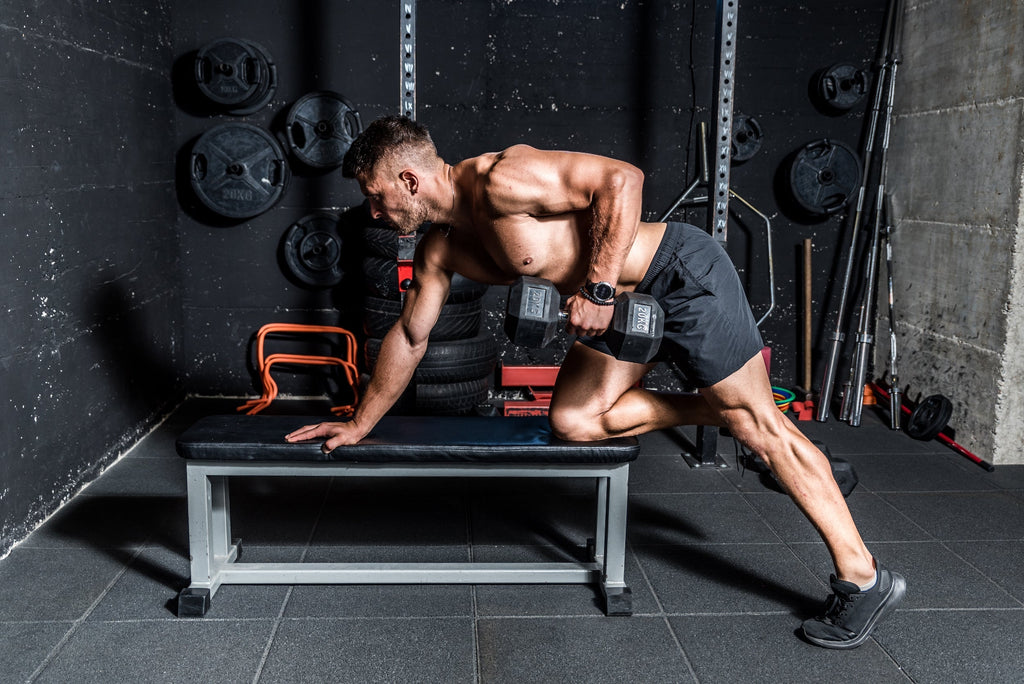
Dumbbell Row
Rows use the back, shoulders, and arms. A medium weight dumbbell should allow you to pull your elbow toward your hip while keeping your spine steady.
Avoid twisting your torso to lift the weight. If your shoulder rises toward your ear or your back rounds, lower the weight and rebuild your control.

Benefits of Using a Medium Weight Dumbbell
A medium weight dumbbell is useful because it offers a balance between challenge and control. It can support several types of training without requiring a large home gym.
Builds Muscle and Strength
Moderate loads can stimulate muscle growth when you perform enough quality repetitions. The key factors include effort, total training volume, recovery, and steady progression.
A medium weight dumbbell can also improve strength, especially for beginners and people returning to exercise. As the weight becomes easier, you can add repetitions, sets, or a small amount of load.
Improves Muscular Endurance
Medium dumbbells work well for repeated movements. Exercises such as lunges, rows, presses, and carries can train your muscles to work for longer periods.
This may help with daily tasks such as carrying groceries, lifting a child, moving boxes, or climbing stairs.
Supports Home Workouts
One or two pairs of medium dumbbells can support a full body workout. You can train your legs, chest, back, shoulders, arms, and core with a small amount of equipment.
This makes medium dumbbells practical for apartments, home offices, and travel workouts.
Encourages Better Form
Very heavy weights can hide poor movement because you rely on momentum. A suitable medium weight dumbbell gives you more time to learn balance, joint position, and breathing.
Good technique helps you train the intended muscles and may lower the chance of avoidable injury.
Medium Weight Dumbbells for Beginners
For many beginners, a 5 to 10 pound dumbbell is a sensible starting point for upper body exercises. A 10 to 20 pound dumbbell may work for lower body exercises, but this varies widely.
Start with a weight that lets you learn the movement. Your first goal is not to lift as much as possible. Your first goal is to move well and build consistency.
A simple beginner plan may include:
• Goblet squat: 2 sets of 8 to 12 repetitions
• Dumbbell row: 2 sets of 8 to 12 repetitions per side
• Floor press: 2 sets of 8 to 12 repetitions
• Romanian deadlift: 2 sets of 8 to 12 repetitions
• Seated shoulder press: 2 sets of 8 to 10 repetitions
Rest for about 60 to 120 seconds between sets. Stop if you feel sharp pain, numbness, dizziness, or unusual shortness of breath. Normal muscle effort is different from warning pain.
If you have a medical condition, recent injury, or long break from exercise, seek guidance from a qualified health professional before starting a new program.

How to Progress With a Medium Weight Dumbbell
Progression means gradually asking your body to do more. You do not need to increase weight every workout.
Use one of these methods:
-
Add one or two repetitions while keeping good form.
-
Add one set to an exercise.
-
Slow the lowering phase to two or three seconds.
-
Reduce rest slightly during a fitness circuit.
-
Move to the next dumbbell size when the current weight feels easy.
For example, you might begin with three sets of 8 repetitions. Over several workouts, build to three sets of 12. Once you can complete all 12 repetitions with control, move to a slightly heavier dumbbell and return to 8 repetitions.
Small increases work well. A jump from 15 to 25 pounds may be too large for some exercises. Adjustable dumbbells can help because they allow smaller changes.
The American College of Sports Medicine supports gradual progression and regular resistance training as part of a complete fitness program. The exact load should match your ability and the exercise.

Medium Weight Dumbbell Mistakes to Avoid
Choosing a medium weight dumbbell is simple when you focus on control. These common mistakes can make the weight less useful or less safe.
Choosing the Same Weight for Every Exercise
Your legs, back, chest, and arms do not have the same strength. Use different weights when needed.
A 25 pound dumbbell may work for a goblet squat but be too heavy for a lateral raise.
Sacrificing Form for More Repetitions
Do not count poor repetitions as progress. Stop the set when you can no longer control the movement.
Good form includes a stable body, smooth motion, and a range of motion that feels safe for your joints.
Holding Your Breath
Breathe steadily during most moderate dumbbell exercises. A common pattern is to breathe in during the easier phase and breathe out during the effort phase.
Heavy lifting may use more advanced breathing methods, but beginners should avoid prolonged breath holding unless properly coached.
Increasing Weight Too Quickly
Muscles may adapt faster than tendons and joints. Increase the load slowly and allow time for recovery.
Soreness can occur after training, but strong joint pain is not a normal sign that a workout was successful.
Ignoring the Weight Label
Some dumbbells show pounds, while others show kilograms. A 10 kilogram dumbbell weighs about 22 pounds. Check the unit before choosing your load.
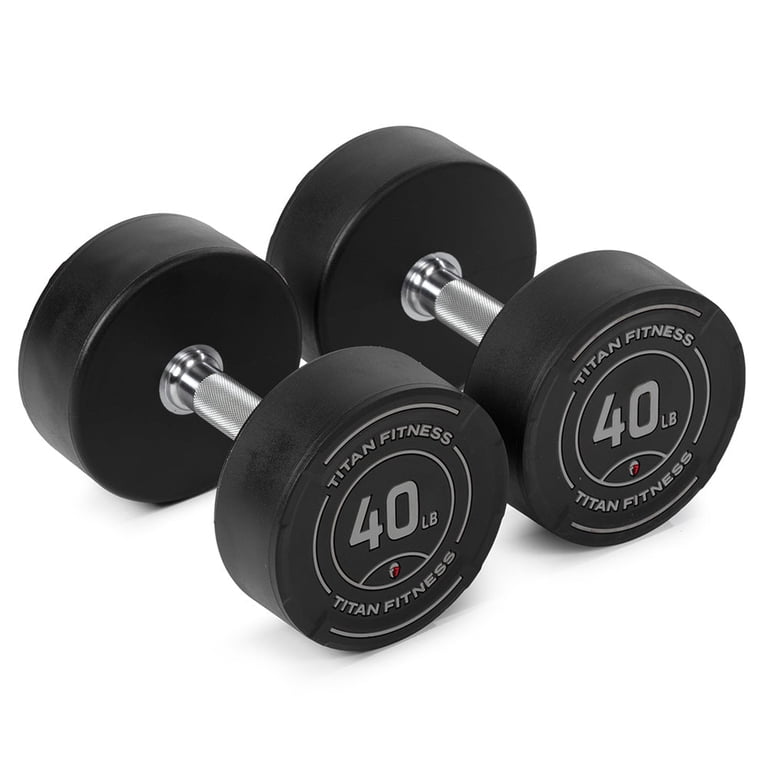
Fixed or Adjustable Medium Dumbbells?
Both types can work well. The best choice depends on your space, budget, and training plan.
Fixed Dumbbells
Fixed dumbbells are ready to use and often feel balanced. They are convenient for quick workouts and may be easier to handle during fast circuits.
Their main drawback is that you may need several pairs to cover different exercises.
Adjustable Dumbbells
Adjustable dumbbells allow you to change the load. One set can replace several fixed pairs and save space.
They may take longer to adjust, and some models feel less compact. Check that the plates or settings lock firmly before each workout.
For a small home gym, adjustable dumbbells can offer excellent value. For fast workouts, fixed dumbbells may feel simpler.

How Many Medium Weight Dumbbells Do You Need?
Many people can train effectively with one pair. A pair lets you perform presses, rows, squats, lunges, curls, and carries.
A useful home setup may include:
• One light pair for raises and warmups
• One medium pair for presses, rows, and curls
• One heavier dumbbell for squats, deadlifts, and carries
You do not need a large collection to make progress. Your body responds to suitable resistance and consistent training, not to the size of your equipment rack.
If you are new to resistance training, start with one pair that feels manageable. Add more only when your workouts show a clear need.
Frequently Asked Questions About What Is a Medium Weight Dumbbell
What weight is considered a medium dumbbell?
A medium dumbbell often falls between 10 and 25 pounds for many adults. However, the correct weight depends on the exercise, your strength, and your training experience.
Is a 10 pound dumbbell considered medium?
A 10 pound dumbbell may be medium for a beginner or for exercises such as shoulder presses and curls. It may be light for squats and deadlifts but heavy for some shoulder raises.
Is a 20 pound dumbbell medium or heavy?
A 20 pound dumbbell is medium for many regular exercisers. It may feel heavy for small muscle exercises and light for strong lower body movements.
Can medium dumbbells build muscle?
Yes, medium dumbbells can build muscle when the sets are challenging and your form stays controlled. Consistent training, enough protein, sleep, and gradual progression also matter.
Should beginners use medium weight dumbbells?
Beginners can use a medium weight dumbbell if they can complete the exercise safely and with control. Start with a lighter load when learning a new movement, then increase it as your skill improves.
How many repetitions should I do with medium dumbbells?
A common range is 8 to 15 repetitions for strength and muscle training. For endurance or circuit workouts, you may use 15 to 20 repetitions, provided your form remains steady.
Conclusion
A medium weight dumbbell is not defined by one universal number. It is a load that challenges you while allowing smooth, controlled repetitions for the chosen exercise.
For many people, medium dumbbells range from 5 to 25 pounds, but your ideal weight may be higher or lower. Test the load, keep two to four good repetitions in reserve, and increase the challenge slowly over time.
Choose control over ego, train consistently, and let your strength guide your next weight increase. Explore more resistance training resources, try a simple dumbbell workout, and share your experience with the right medium weight dumbbell.

Brandon Knoxley is a sport & fitness writer and training guide contributor at MySportFitHub. He focuses on practical workouts, performance-based training, and honest fitness gear insights designed for real people and real results. Brandon is passionate about helping beginners and active individuals train smarter, avoid common mistakes, and build sustainable fitness habits.