What Is The Weight Of A Dumbbell: Typical Weights Explained
A dumbbell can weigh anywhere from 1 to over 150 pounds, depending on its type, size, and intended use.
The answer to what is the weight of a dumbbell is not one fixed number. A small home dumbbell may weigh 2 or 5 pounds, while a heavy gym dumbbell can weigh 100 pounds or more. This guide explains dumbbell weight ranges, types, labeling systems, and how to choose the right load safely.
What Is the Weight of a Dumbbell?
The weight of a dumbbell depends on its design. Most dumbbells weigh between 1 and 100 pounds each, although some commercial gyms carry models that reach 150 pounds or more.
Here are common dumbbell weight ranges:
• Beginner dumbbells: 1 to 10 pounds each
• Light training dumbbells: 10 to 25 pounds each
• General strength dumbbells: 25 to 50 pounds each
• Heavy dumbbells: 50 to 100 pounds each
• Extra-heavy commercial dumbbells: 100 to 150 pounds or more each
When someone asks, “What is the weight of a dumbbell?” they may mean one dumbbell or a pair. A 20-pound dumbbell weighs 20 pounds by itself. A pair weighs 40 pounds total.
This difference matters during workouts. If a program says to perform a dumbbell press with 20-pound dumbbells, it usually means 20 pounds in each hand, not 20 pounds combined.
Dumbbell Weight by Type
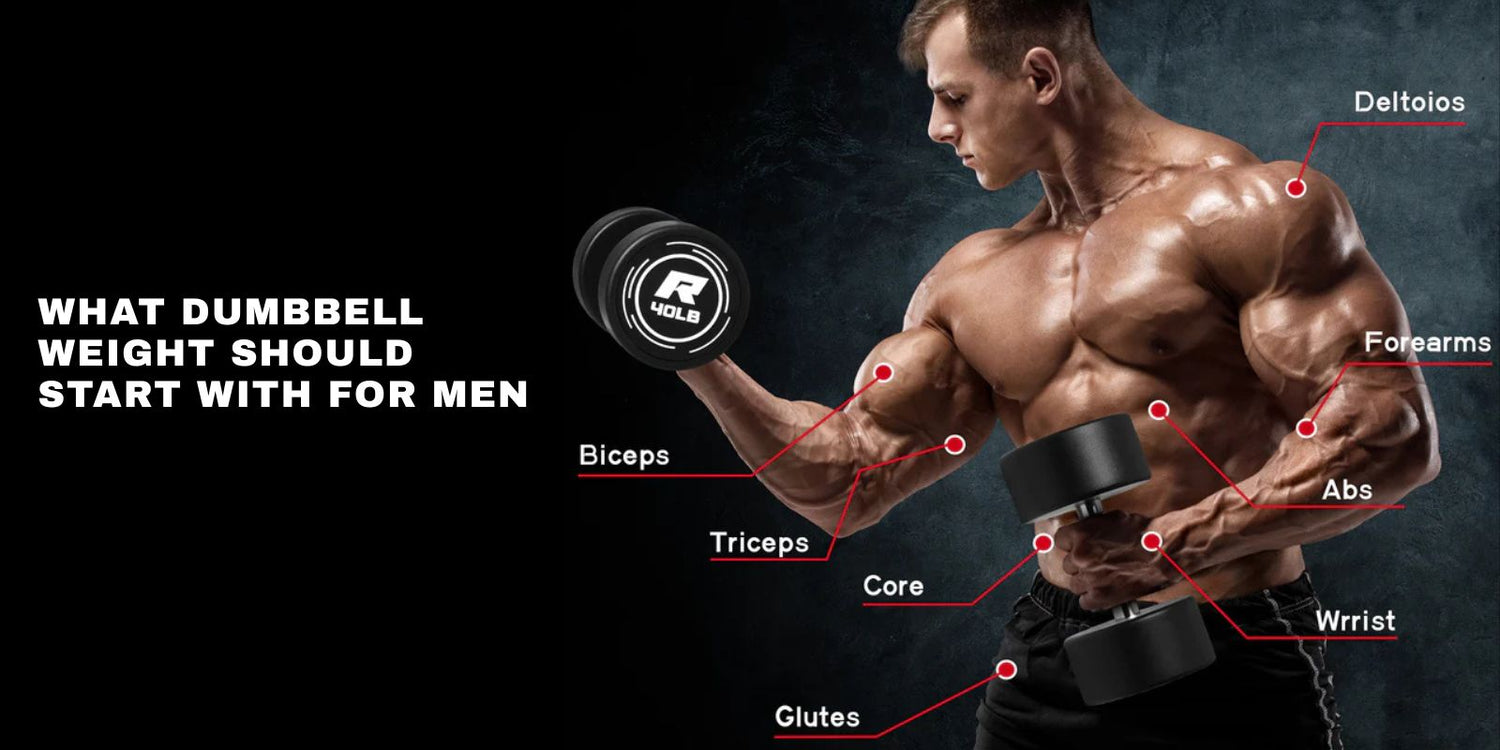
Different dumbbell styles use different weight systems. Some have a fixed weight, while others allow you to add or remove plates.
Fixed-weight dumbbells
Fixed dumbbells have a handle and permanently attached weights. They are common in gyms because they are simple, quick to use, and easy to organize.
Typical fixed dumbbells include:
• Neoprene dumbbells from 1 to 15 pounds
• Hex dumbbells from 5 to 100 pounds
• Rubber dumbbells from 5 to 150 pounds
• Round cast-iron dumbbells from 5 to 100 pounds or more
The number printed on the end usually shows the weight of one dumbbell. Always check the label because some sets list the combined weight of both dumbbells.
Adjustable dumbbells
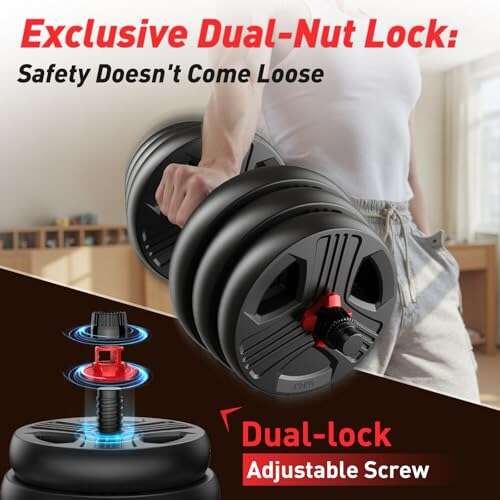
Adjustable dumbbells use plates, pins, or a selector system. You can change the load without buying many separate pairs.
Common adjustable ranges include:
• 5 to 25 pounds per dumbbell
• 5 to 50 pounds per dumbbell
• 10 to 90 pounds per dumbbell
• 11 to 90 pounds per dumbbell
The listed weight may include the handle. For example, an adjustable dumbbell labeled “50 pounds” may reach 50 pounds after all plates are attached.
Plate-loaded dumbbells
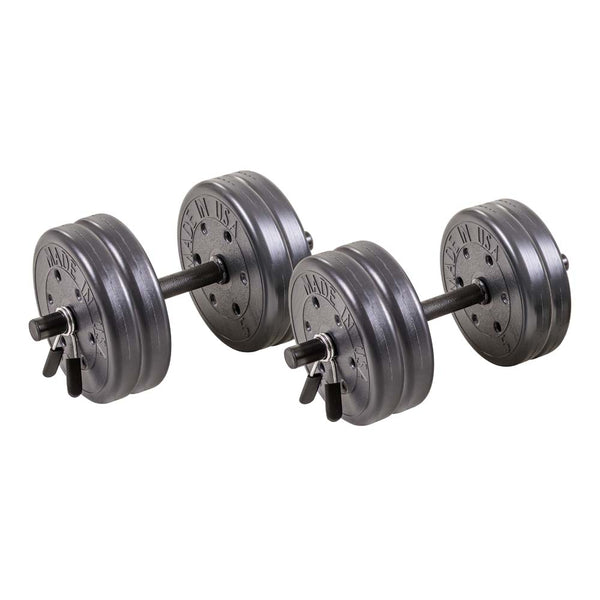
Plate-loaded dumbbells have a bar, collars, and removable plates. Their total weight equals the handle, collars, and plates together.
For example:
• Handle: 5 pounds
• Two 10-pound plates: 20 pounds
• Two collars: 2 pounds
• Total: 27 pounds
This is why the answer to what is the weight of a dumbbell may change as you add plates.

How Dumbbell Weight Is Measured
Dumbbells are sold in pounds in the United States and kilograms in many other countries. One kilogram equals about 2.2 pounds.
Useful conversions include:
• 2.5 kilograms equals about 5.5 pounds
• 5 kilograms equals about 11 pounds
• 10 kilograms equals about 22 pounds
• 15 kilograms equals about 33 pounds
• 20 kilograms equals about 44 pounds
• 25 kilograms equals about 55 pounds
• 30 kilograms equals about 66 pounds
A dumbbell labeled 10 kilograms is not a 10-pound dumbbell. It weighs about 22 pounds. This mistake is common when people buy imported equipment or follow a workout created outside the United States.
Some dumbbells also use rounded numbers. A dumbbell marked 20 pounds may weigh slightly more or less because of manufacturing limits, paint, rubber, or coating. For most workouts, this small difference does not matter.
For accurate testing, place the dumbbell on a reliable scale. Use the same scale each time, and make sure the dumbbell is centered before reading the result.
What Is the Weight of a Dumbbell at the Gym?
Most commercial gyms use dumbbells that increase in 5-pound steps. A typical rack may include:
• 5 pounds
• 10 pounds
• 15 pounds
• 20 pounds
• 25 pounds
• 30 pounds
• 35 pounds
• 40 pounds
• 45 pounds
• 50 pounds
• 55 pounds
• 60 pounds
• 65 pounds
• 70 pounds
• 75 pounds
• 80 pounds
• 90 pounds
• 100 pounds
Some gyms use smaller jumps at the lighter end. For example, you may see 2.5-pound, 7.5-pound, or 12.5-pound dumbbells.
Large strength gyms may stock 120-pound, 130-pound, or 150-pound dumbbells. These are often used for heavy rows, presses, shrugs, lunges, and carries.
If you want to know what is the weight of a dumbbell at your gym, look at the number stamped on the end. Do not judge the weight by size alone. Rubber coating can make a lighter dumbbell look larger than a bare steel model.

What Is the Weight of a Dumbbell for Beginners?
Beginners should choose a dumbbell weight that allows controlled movement and good form. The best starting weight is different for every person because strength depends on age, training history, body size, exercise type, and health.
As a general guide:
• Upper-body exercises may begin with 2 to 10 pounds per hand
• Lower-body exercises may begin with 10 to 25 pounds per hand
• Small movements may need 1 to 5 pounds per hand
• Goblet squats may use 10 to 30 pounds
• Farmer carries may use 10 to 40 pounds per hand
These are starting points, not strict rules. A beginner may use 5-pound dumbbells for shoulder raises but 20-pound dumbbells for a goblet squat.
A good test is the two-repetition rule. Choose a weight that lets you finish your target set with about two clean repetitions left. If your form breaks early, the dumbbell is too heavy. If you finish with little effort, it may be too light.
The answer to what is the weight of a dumbbell for you should come from performance, not pride. A lighter dumbbell used well can build more strength than a heavy dumbbell swung with poor control.

How to Choose the Right Dumbbell Weight
Choosing the right weight starts with the exercise. A shoulder raise uses smaller muscles and a shorter range of motion. A deadlift or squat uses many large muscles and can handle more weight.
Use these steps:
- Choose a light starting weight.
- Practice the movement without rushing.
- Keep your back, wrists, and joints in a safe position.
- Perform 8 to 12 controlled repetitions.
- Stop if you must swing, twist, or shorten the movement.
- Increase the weight only when your form stays strong.
Your last few repetitions should feel challenging but controlled. On a scale from 1 to 10, many people aim for an effort level of about 7 or 8 during regular strength training.
You can also use different weights for different exercises:
• Lateral raises: light dumbbells
• Biceps curls: light to moderate dumbbells
• Chest presses: moderate to heavy dumbbells
• One-arm rows: moderate to heavy dumbbells
• Goblet squats: moderate to heavy dumbbells
• Romanian deadlifts: moderate to heavy dumbbells
From practical gym use, one of the most common mistakes is using the same dumbbell weight for every exercise. Your legs and back often handle more load than your shoulders and arms.

Dumbbell Weight for Strength, Muscle, and Fitness
Your goal affects the best dumbbell weight. Strength training usually uses heavier loads and fewer repetitions. Muscle-building workouts often use moderate to heavy loads with enough repetitions to create fatigue. General fitness can use a wide range of weights.
A simple guide looks like this:
• Strength: about 1 to 6 repetitions with a heavy load
• Muscle growth: about 6 to 15 repetitions with a challenging load
• Muscular endurance: about 15 or more repetitions with a lighter load
• General fitness: use a weight that allows steady, controlled work
These ranges overlap. Research in resistance training shows that muscle growth can occur across a broad range of loads when sets are challenging and training is consistent.
The answer to what is the weight of a dumbbell for muscle growth is not always “the heaviest possible.” A weight that lets you use full range of motion and repeat good technique is often more useful than a weight that forces poor form.
Rest, sleep, nutrition, and gradual progression also affect results. Increase the load slowly, add repetitions, or perform more sets when your current workout becomes easy.

Pair Weight Versus Individual Dumbbell Weight
Dumbbell instructions can cause confusion because some products describe one dumbbell while others describe a set.
For example:
• One 10-pound dumbbell equals 10 pounds
• A pair of 10-pound dumbbells equals 20 pounds total
• One 25-pound dumbbell in each hand equals 50 pounds total
• A 40-pound adjustable dumbbell usually means 40 pounds on one side
If a product says “20-pound dumbbell set,” check the product details. It may include two 10-pound dumbbells rather than two 20-pound dumbbells.
The same issue appears in workout plans. “Dumbbell bench press with 30s” usually means two 30-pound dumbbells. The total external weight is 60 pounds, but each arm handles a 30-pound dumbbell.
When comparing equipment, write down both numbers: the weight per dumbbell and the total pair weight. This habit makes shopping and workout tracking much easier.
Common Mistakes When Weighing Dumbbells
Knowing what is the weight of a dumbbell can help you avoid inaccurate workout records. Several simple mistakes can affect the number you see.
Mistake 1: Counting the pair as one weight
If you lift two 15-pound dumbbells, you are using 30 pounds of total equipment. However, your training log should record 15 pounds per hand.
Mistake 2: Ignoring the handle
With plate-loaded dumbbells, the handle and collars add weight. Include every part when calculating the total load.
Mistake 3: Confusing kilograms and pounds
A 10-kilogram dumbbell weighs about 22 pounds. Always check the unit before comparing it with a pound-based program.
Mistake 4: Trusting appearance
A thick rubber dumbbell may look heavier than a small steel dumbbell. The printed label or a calibrated scale gives a better answer.
Mistake 5: Using a bathroom scale carelessly
A bathroom scale may not measure small dumbbells well. It can still offer a rough estimate, but a gym scale or digital hanging scale may provide better accuracy.
Equipment can also vary slightly from its label. This is normal, but a large difference may indicate a damaged, mislabeled, or poorly made product.

How Heavy Should a Dumbbell Be for Home Workouts?
For most home users, adjustable dumbbells offer the best balance of space, cost, and training options. A pair that adjusts from 5 to 50 pounds can support many full-body exercises.
A practical home setup may include:
• 2 to 5 pounds for shoulder and mobility work
• 8 to 15 pounds for arm exercises
• 15 to 30 pounds for presses and rows
• 25 to 50 pounds for squats, deadlifts, and carries
If space and budget allow, fixed hex dumbbells are easy to use and durable. They also save time because you do not need to change plates between sets.
Before buying, check the adjustment system, handle length, storage needs, warranty, and maximum load. Some adjustable models feel bulky at lower weights. Others may not be suitable for dropping after heavy lifts.
The best answer to what is the weight of a dumbbell for a home gym depends on your exercises and goals. Buy weights you can use now, but leave room to progress.
Safety Tips for Dumbbell Training
Dumbbells are useful tools, but they still require care. A heavy dumbbell can injure your hands, feet, back, or shoulders if it slips or falls.
Follow these safety tips:
• Check the handle and plates before each session.
• Tighten collars on plate-loaded dumbbells.
• Keep your training area clear.
• Use a stable bench for pressing exercises.
• Lift and lower weights with control.
• Do not hold your breath for long periods.
• Stop when sharp pain appears.
• Place dumbbells down safely instead of dropping them.
• Ask a qualified professional for help after an injury or if you have a medical condition.
Warm up with easy movement before heavy sets. You do not need a long routine. A few minutes of light activity and several lighter practice sets can prepare your joints and muscles.
Good technique is your first form of safety. More weight is not better if it changes the movement or causes pain.
Frequently Asked Questions About What Is the Weight of a Dumbbell
What is the average weight of a dumbbell?
There is no single average because dumbbells come in many sizes. In many gyms, common dumbbells range from 5 to 50 pounds each, while home sets often range from 2 to 25 pounds each.
Is a dumbbell labeled 20 pounds actually 20 pounds?
A dumbbell labeled 20 pounds is intended to weigh about 20 pounds by itself. Small differences may occur because of coating, manufacturing tolerance, or the accuracy of the scale.
Does a pair of 10-pound dumbbells weigh 20 pounds?
Yes. Each dumbbell weighs 10 pounds, so the pair weighs 20 pounds in total. Workout instructions usually describe the weight of each dumbbell unless they clearly say “total weight.”
What is the weight of a dumbbell for beginners?
Many beginners start with 2 to 10 pounds for upper-body exercises and 10 to 25 pounds for lower-body movements. The correct choice allows controlled repetitions without swinging or losing form.
Are dumbbell weights measured in pounds or kilograms?
Dumbbells may be measured in either unit. In the United States, pounds are most common, while many other countries use kilograms; 1 kilogram equals about 2.2 pounds.
Can dumbbells weigh more than 100 pounds?
Yes. Commercial gyms may carry dumbbells weighing 100 to 150 pounds or more. These heavy models are mainly used by experienced lifters for movements such as rows, presses, carries, and shrugs.
Are adjustable dumbbells accurate?
Good adjustable dumbbells are usually close to their listed weight, but the total may include or exclude the handle depending on the manufacturer. Read the product specifications and weigh the equipment if exact measurement matters.
Conclusion
So, what is the weight of a dumbbell? It may weigh as little as 1 pound, exceed 150 pounds, or fall anywhere between those numbers. The type of dumbbell, measurement unit, exercise, and whether you mean one dumbbell or a pair all affect the answer.
Choose a weight that challenges you while allowing smooth, safe movement. Track the weight per dumbbell, progress in small steps, and focus on consistent training rather than lifting the heaviest load in the room. Explore more strength-training guides, and share your favorite dumbbell exercises or questions in the comments.

Brandon Knoxley is a sport & fitness writer and training guide contributor at MySportFitHub. He focuses on practical workouts, performance-based training, and honest fitness gear insights designed for real people and real results. Brandon is passionate about helping beginners and active individuals train smarter, avoid common mistakes, and build sustainable fitness habits.