What Type Of Dumbbells Should I Buy: Smart Guide
Adjustable dumbbells are the best choice for most people because they save space, money, and support many exercises.
Choosing what type of dumbbells should I buy depends on your goals, budget, training space, and experience level. After testing many dumbbell styles in home and gym workouts, I have found that the right pair should feel safe, comfortable, durable, and easy to use. This guide will help you compare fixed, adjustable, hex, rubber, cast iron, and other options before you spend your money.
What Type of Dumbbells Should I Buy?
For most home users, adjustable dumbbells offer the best mix of value and flexibility. One pair can replace several sets and support exercises such as presses, rows, curls, lunges, and squats.
However, adjustable dumbbells are not perfect for everyone. A beginner who wants fast workouts may prefer fixed rubber or neoprene dumbbells. A serious lifter may want heavy, fixed dumbbells that can handle repeated daily use.
Before choosing what type of dumbbells should I buy, consider these questions:
• What exercises will you perform?
• How much weight do you need now?
• How strong do you expect to become?
• How much storage space do you have?
• Do you need quiet equipment for an apartment?
• Is speed or maximum weight more important?
Your answers will point you toward the right design.

The Main Types of Dumbbells
Dumbbells come in several designs. Each type has clear benefits and limits. Learning the differences makes it easier to decide what type of dumbbells should I buy for your home gym.
Fixed Dumbbells
Fixed dumbbells have a permanent weight. You pick up a pair, use it, and return it to the rack.
They are simple and quick. There are no plates to change, locks to adjust, or parts to maintain. This makes them useful for fast circuits, group workouts, and busy gyms.
Fixed dumbbells also tend to feel balanced. The weight stays close to the handle, which can make movements smoother. Their main drawback is storage. If you need many weight levels, the set can take up a lot of room.
Fixed dumbbells work well for:
• Commercial gyms
• Home users with enough storage
• Fast strength circuits
• People who dislike changing weights
• Lifters who want a very stable feel
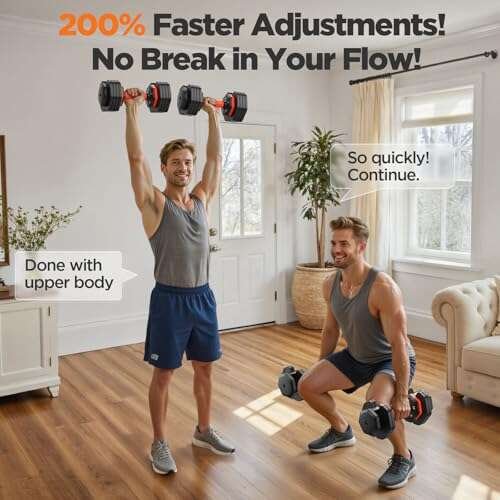
Adjustable Dumbbells
Adjustable dumbbells use plates, pins, dials, or handles that let you change the weight. Some models adjust in seconds, while others require you to add or remove plates by hand.
They are often the best answer to what type of dumbbells should I buy for a small home gym. A single pair may replace 10 or more fixed pairs.
Adjustable dumbbells are also easier to expand. You can begin with a lighter range and add more weight later. This can save money as your strength improves.
Their limits include a larger handle, slower weight changes on some models, and more moving parts. Drop-style training can also damage certain adjustable systems.
Adjustable dumbbells are best for:
• Small apartments
• Beginners with changing needs
• Full-body home workouts
• People on a moderate budget
• Anyone who wants many weight options
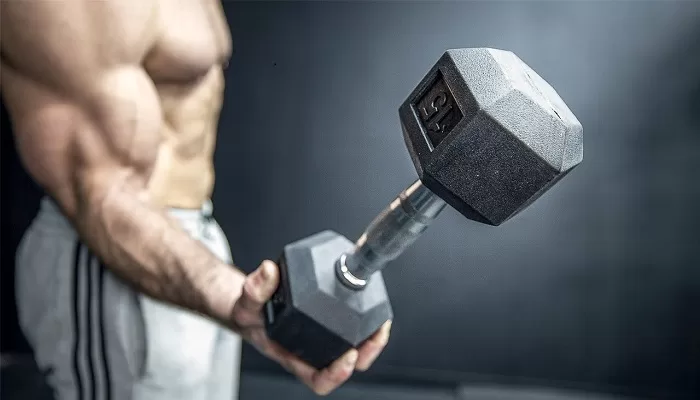
Hex Dumbbells
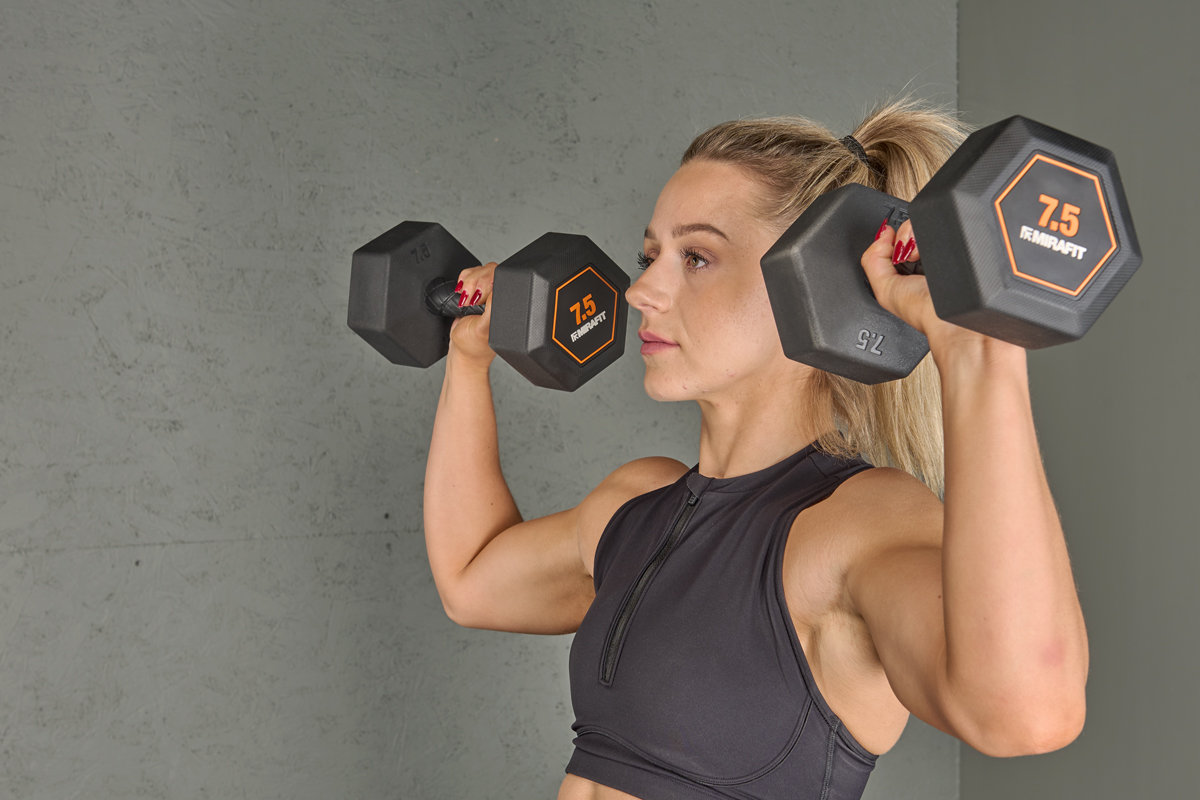
Hex dumbbells have flat sides that stop them from rolling away. This small feature is very useful during home workouts.
You can place hex dumbbells on the floor for pushups, renegade rows, or plank exercises. The flat shape also makes storage easier and reduces the chance of a dumbbell rolling under furniture.
Most hex dumbbells have a metal handle with rubber or iron heads. They are often sold as fixed weights.
Choose hex dumbbells if you want:
• A stable dumbbell for floor exercises
• A lower chance of rolling
• A strong option for general strength training
• A simple, classic design
Round Dumbbells
Round dumbbells have circular heads. They often feel smooth during curls, presses, and raises.
Their round shape can make some movements feel natural. Yet they may roll across the floor after you set them down. That can be annoying and may create a safety risk.
Round dumbbells are common in gyms because they look polished and move smoothly on racks. They may suit you if you have a dedicated workout area with proper storage.
Neoprene Dumbbells
Neoprene dumbbells have a soft, colored coating. They are often available in light weights, such as 1 to 15 pounds.
They are comfortable and easy to grip. The coating also creates less noise than bare metal. This makes them useful for indoor cardio workouts, physical therapy, Pilates, and light resistance training.
Neoprene dumbbells are not ideal for heavy strength work. The coating can wear over time, and most models do not come in very heavy sizes.
Rubber Dumbbells
Rubber dumbbells have rubber heads or a full rubber coating. They reduce noise and protect floors better than bare iron.
Good rubber dumbbells can last for years. They are also comfortable in cold rooms and less likely to damage tile or wood flooring.
Some rubber products have a strong smell when new. That smell usually fades with ventilation, but it can bother people in small rooms. Lower-quality rubber may also crack or become sticky over time.
Cast Iron Dumbbells
Cast iron dumbbells are made from solid iron. They are durable, compact, and often less expensive than rubber-coated versions.
They can handle heavy use, but they may scratch floors and make more noise. The handles can also feel rough if the finish is basic.
Cast iron is a good choice if you care most about low cost, long life, and compact size. Use a rubber mat if you train on a hard floor.

How to Choose Dumbbell Weight
The best starting weight depends on the exercise. You may use 10-pound dumbbells for shoulder raises but 30-pound dumbbells for rows.
As a simple guide, choose a weight that lets you complete your target reps with good form. The final two or three reps should feel hard, but you should not need to twist, swing, or hold your breath.
For many beginners, a useful starting range is:
• 2 to 5 pounds for small shoulder exercises
• 5 to 15 pounds for arm exercises
• 10 to 25 pounds for presses and rows
• 15 to 40 pounds for lower-body exercises
These are only general ranges. A beginner who is already strong may need more weight, while someone recovering from an injury may need less.
A good dumbbell set should allow gradual progress. If you can perform 12 clean reps with ease, move up slightly. If your form breaks before six reps, reduce the weight.
Use Different Weights for Different Exercises
Your muscles do not all have the same strength. Your legs and back can usually lift more than your shoulders and arms.
For example, you may use:
• 8 pounds for lateral raises
• 15 pounds for biceps curls
• 25 pounds for chest presses
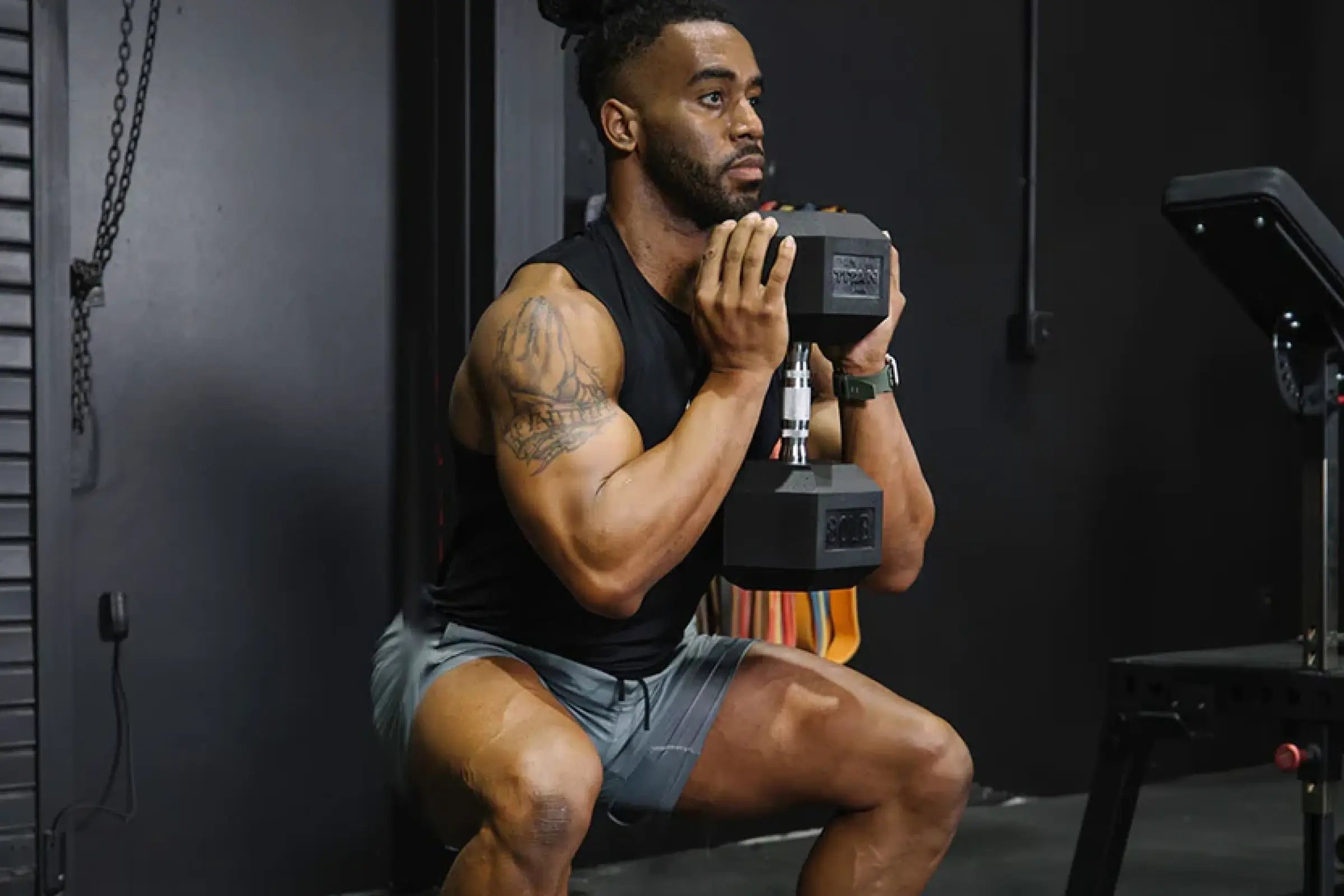
• 35 pounds for goblet squats
This is one reason adjustable dumbbells are helpful. You can select the right load for each exercise without buying many separate pairs.
Think About Your Future Strength
Do not buy only for your current fitness level. If you plan to train two or three times each week, your strength may improve quickly.
A set that feels perfect today may feel too light in a few months. Look for dumbbells that allow small weight increases. A 2.5-pound or 5-pound jump is often easier to manage than a large jump.
Fixed or Adjustable Dumbbells: Which Is Better?
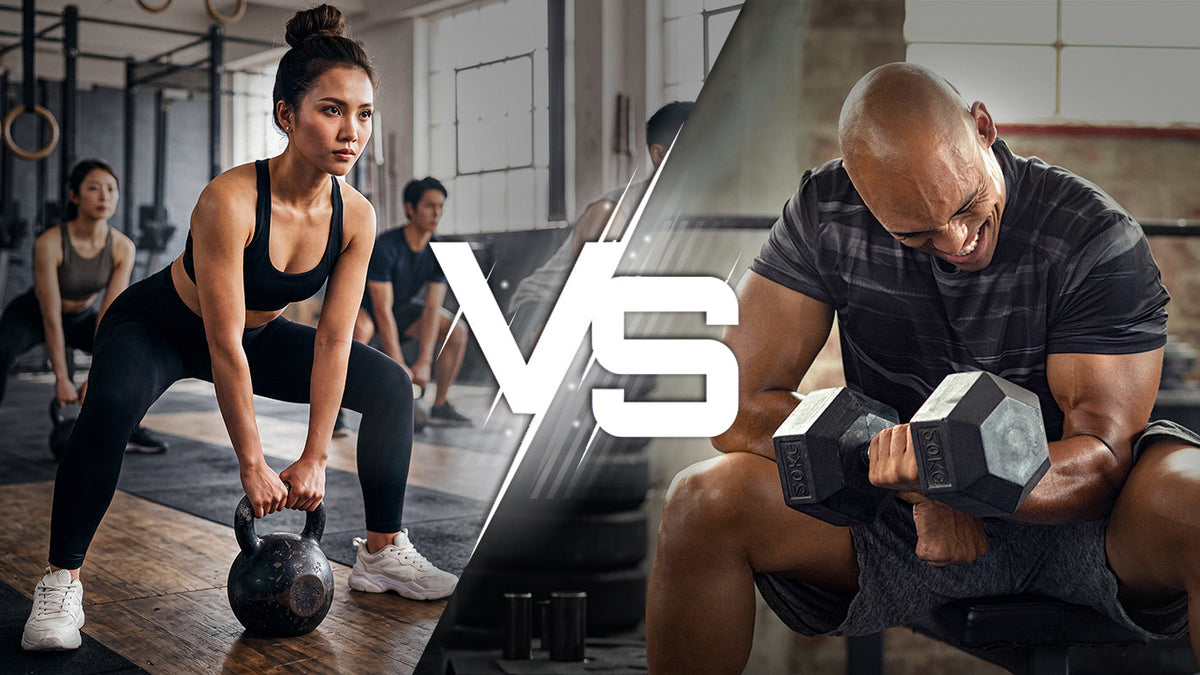
The answer depends on how you train. Fixed dumbbells are faster and often more durable. Adjustable dumbbells offer more weight choices in less space.
Here is a simple comparison:
| Feature | Fixed dumbbells | Adjustable dumbbells |
|---|---|---|
| Speed | Very fast to use | May require changes |
| Storage | Needs more space | Saves space |
| Durability | Usually very high | Depends on the mechanism |
| Cost for many weights | More expensive | Often more affordable |
| Exercise flow | Smooth and simple | Can interrupt circuits |
| Heavy lifting | Excellent | Varies by model |
| Best for | Dedicated gyms | Home gyms and small spaces |
In my experience, many people buy fixed dumbbells because they look simple, then run out of space as their set grows. Others buy cheap adjustable dumbbells, only to find that the plates rattle or the locking system feels unsafe.
The lesson is simple: buy for your complete training plan, not just your first workout.
What Features Matter Most?
When deciding what type of dumbbells should I buy, look beyond the weight number. Small design details affect safety, comfort, and how often you will use the equipment.
Handle Comfort
The handle should feel secure without cutting into your palm. A slightly textured steel handle often gives a strong grip.
Very smooth handles may become slippery with sweat. Very sharp knurling may irritate your hands during high-rep workouts.
If possible, hold the dumbbell before buying it. If you shop online, check the handle diameter and read reviews from users who describe grip comfort.
Weight Balance
A well-balanced dumbbell feels controlled during every part of the movement. Poor balance can make curls, presses, and raises feel awkward.
Adjustable dumbbells may feel less balanced than fixed models because the plates sit farther from your hand. This is not always a problem, but it can affect comfort during exercises that need precise control.
Weight Increments
Small increments help you progress without sudden jumps. This matters most for shoulders, arms, and upper-body exercises.
A set that moves from 10 to 20 pounds may leave you stuck. A set that moves from 10 to 12.5 to 15 pounds gives you more room to improve.
Locking System
Adjustable dumbbells should have a secure locking system. Plates must stay in place during normal movement.
Before each workout, check the locks, pins, or dials. Do not use an adjustable dumbbell if a plate shifts, rattles heavily, or fails to lock.
Materials and Finish
Rubber protects floors and reduces noise. Iron keeps the dumbbell compact and durable. Neoprene feels soft but suits lighter workouts.
The best material depends on your setting. If you live above another apartment, a quieter rubber design may be worth the extra cost.
Dumbbells for Different Training Goals
Your goal should guide your purchase. The best dumbbells for strength are not always the best dumbbells for cardio or mobility work.
For General Fitness
Choose adjustable dumbbells or a small set of fixed hex dumbbells. You will have enough range for squats, presses, rows, lunges, and curls.
A weight range from about 5 to 50 pounds per dumbbell suits many home users. Beginners may need less, while advanced lifters may need more.
For Muscle Growth
Muscle growth requires challenging resistance, enough training volume, and steady progress. Select dumbbells that become heavy enough to challenge your major muscle groups.
Fixed rubber or iron dumbbells work well. Adjustable dumbbells can also work if the plates stay secure and the handle does not limit your exercise.
For Fat Loss and Conditioning
For circuits, you want weights that are quick to grab and easy to control. Fixed dumbbells often work better because you can move from one exercise to the next without adjusting plates.
Rubber hex dumbbells are a strong choice for conditioning workouts. They are stable, durable, and less harsh on floors.
For Beginners
Beginners should focus on comfort, control, and simple weight changes. A light or medium adjustable set can support a wide range of exercises.
Avoid buying the heaviest set you can lift once. Strength training works best when you use repeatable movements with sound form.
For Older Adults
Light neoprene or rubber dumbbells may be easier to hold. Choose a handle that feels secure and a weight that does not strain your joints.
If you have a medical condition, balance concern, or recent injury, ask a qualified health professional for guidance before starting resistance training.
For Rehabilitation
Small neoprene dumbbells are often useful for controlled movements. However, the right load depends on the injury and the advice of your physical therapist.
Do not assume that lighter always means safer. Poor form and too much repetition can still cause pain.

Dumbbell Buying Mistakes to Avoid
Many people focus only on price. That can lead to a set that looks like a bargain but gets ignored after a few workouts.
Avoid these common mistakes:
• Buying only one weight when your plan needs several levels
• Choosing a heavy set that encourages poor form
• Ignoring the space needed for storage
• Buying adjustable dumbbells with weak locks
• Forgetting to check the handle size
• Using bare iron on delicate flooring
• Choosing a strong rubber smell for a small room
• Buying a set without a clear warranty
• Assuming the highest weight is always the best value
One mistake I have seen often is buying a pair that is too heavy for upper-body work. The owner can squat with it but cannot press or row safely. A better purchase includes enough range for both small and large muscle groups.
Another mistake is choosing a cheap adjustable model without checking its dimensions. Some handles are long and bulky. They may work for presses but feel awkward during curls or rows.
How Much Should You Spend?
Dumbbell prices vary widely. A light neoprene pair may cost less than a single heavy adjustable dumbbell. A full commercial set can cost hundreds or even thousands of dollars.
A practical budget guide looks like this:
• Low budget: one or two pairs of fixed iron or neoprene dumbbells
• Moderate budget: a quality adjustable set or several rubber hex pairs
• Higher budget: a full fixed dumbbell set with a rack
Price should match use. If you train twice each week and need basic exercises, a simple set may be enough. If you train often and want progressive strength work, investing in better equipment can save money over time.
Check the total cost, including shipping, storage, floor protection, and extra plates. A low sticker price may not be the lowest final price.

How to Store and Maintain Dumbbells
Good storage protects both your equipment and your home. Keep dumbbells on a rack, sturdy shelf, or rubber mat.
Do not leave adjustable dumbbells where children or pets can reach them. Store plates and collars in a stable position so they cannot fall.
Basic care includes:
• Wiping sweat from the handles after use
• Checking adjustable locks before every workout
• Keeping rubber away from extreme heat
• Avoiding drops unless the product allows them
• Using a mat on wood, tile, or concrete
• Keeping metal dumbbells dry
Rubber and neoprene may hold odors in closed spaces. Let them air out after delivery and keep the room ventilated.
Dumbbells can last for many years when used correctly. The main causes of damage are repeated dropping, loose hardware, moisture, and poor storage.

A Simple Way to Decide What to Buy
Use this five-step process before placing an order.
-
Define your main goal. Choose strength, muscle growth, general fitness, rehabilitation, or conditioning.
-
List the exercises you will perform. Include upper-body, lower-body, and full-body movements.
-
Estimate your weight range. Pick a light, medium, and heavy level based on your current ability.
-
Measure your storage area. Make sure the set fits without creating a trip hazard.
-
Compare comfort and safety features. Check the grip, balance, locking system, warranty, and floor protection.
If you still do not know what type of dumbbells should I buy, start with a reliable adjustable set. It gives you room to learn and grow without filling your home with equipment.
If you prefer speed and simplicity, choose fixed rubber hex dumbbells. If you need light weights for movement classes, neoprene dumbbells may be the better fit.
Recommended Dumbbell Setups
Different users need different setups. These examples can make your choice easier.
Small Apartment Setup
Choose one adjustable pair with a compact storage stand or case. Look for a quiet design and place it on a rubber mat.
This setup supports most full-body workouts while using very little floor space.
Beginner Setup
Choose adjustable dumbbells that start at a light weight and increase in small steps. A range up to 40 or 50 pounds per hand may suit many beginners as they progress.
Make sure the handles are not too wide and the locking system is easy to understand.
Serious Home Gym Setup
Choose fixed rubber hex dumbbells in several weight levels. Add a stable rack and protect the floor.
This setup costs more but makes workouts fast. It also feels close to the experience of a commercial gym.
Cardio and Mobility Setup
Choose light neoprene dumbbells. You may need several pairs between 2 and 10 pounds.
They are easy to hold during high-repetition movements and create less noise than metal weights.
Strength Focused Setup
Choose heavy fixed dumbbells or strong adjustable dumbbells designed for progressive lifting. Confirm the maximum weight and the product’s safety limits.
A quality bench and solid floor mat can add value to this setup.
Safety Tips for Dumbbell Training
Dumbbells are simple tools, but they still require care. Use a clear floor and remove loose objects before you begin.
Start each session with a short warmup. Use lighter weights for the first set. Keep your wrist straight and move with control.
Stop if you feel sharp pain, numbness, or sudden weakness. Normal muscle effort is different from joint pain or injury.
Additional safety tips include:
• Do not lift near unstable furniture
• Keep children away from stored weights
• Use a spotter for very heavy presses
• Do not throw dumbbells unless they are designed for it
• Check adjustable parts before each session
• Keep your breathing steady
Resistance training can improve strength, muscle function, and daily movement when performed correctly. Studies on strength training also show benefits for bone health and physical function, but results depend on regular training, recovery, and proper technique.
Frequently Asked Questions About What Type of Dumbbells Should I Buy
Are adjustable dumbbells worth buying?
Yes, adjustable dumbbells are worth buying for most home users who have limited space. They provide many weight levels in one set, but you should choose a model with secure locks and comfortable handles.
What dumbbell weight should a beginner buy?
A beginner should choose a weight that allows about 8 to 12 controlled repetitions without losing form. Many beginners need lighter weights for shoulders and heavier weights for legs, so a set with several levels is useful.
Are rubber or cast iron dumbbells better?
Rubber dumbbells are quieter and kinder to floors, while cast iron dumbbells are compact and often less expensive. Both can last a long time when stored and used correctly.
Are hex dumbbells better than round dumbbells?
Hex dumbbells are better for home workouts because they do not roll easily. Round dumbbells may feel smooth during some exercises, but they need more careful storage.
Can I build muscle with dumbbells only?
Yes, you can build muscle with dumbbells by using enough resistance, training consistently, and increasing the challenge over time. Your results also depend on food, sleep, exercise technique, and recovery.
How many dumbbells do I need at home?
Many people can train well with one adjustable pair or three to five pairs of fixed dumbbells. The right number depends on your goals, available space, and the exercises you plan to perform.
What type of dumbbells should I buy for a small apartment?
Adjustable dumbbells are usually the best option for a small apartment. Choose a quiet model, store it on a mat, and confirm that the locking parts stay secure during movement.
Conclusion
The best answer to what type of dumbbells should I buy is usually a quality adjustable set for a home gym. It saves space, supports many exercises, and lets you increase resistance as you become stronger.
Fixed rubber hex dumbbells are better when you want quick workouts, simple handling, and a stable design. Neoprene dumbbells suit light exercise, while cast iron offers a durable and affordable choice.
Focus on your goals, weight range, storage space, grip comfort, and safety features. Choose equipment you will enjoy using, then build a steady routine around it. Compare a few trusted options, protect your floor, and start with weights you can control.

Brandon Knoxley is a sport & fitness writer and training guide contributor at MySportFitHub. He focuses on practical workouts, performance-based training, and honest fitness gear insights designed for real people and real results. Brandon is passionate about helping beginners and active individuals train smarter, avoid common mistakes, and build sustainable fitness habits.