What Are The Weights Called In A Gym: Gym Weight Names
Gym weights are commonly called free weights, weight plates, dumbbells, barbells, kettlebells, or resistance machines.
Knowing what are the weights called in a gym makes it easier to follow workout plans, ask for help, and choose the right tool. Each type has a different shape, purpose, and level of control. This guide explains the common gym weight names, how they work, and which option may fit your goals.
What Are the Weights Called in a Gym?
The weights in a gym have several names. The most common term depends on the equipment you use and how the weight moves.
Most gym weights fall into these groups:
• Free weights: Weights you lift without a machine guiding your movement.
• Dumbbells: Short handles with weight on both ends.
• Barbells: Long bars used with weight plates.
• Weight plates: Round discs that slide onto barbells or machines.
• Kettlebells: Ball-shaped weights with a large handle.
• Medicine balls: Soft or firm weighted balls used for strength, power, and core work.
• Cable weights: Stacked weights used with cable machines.
• Resistance machines: Equipment that uses plates, weight stacks, or other resistance systems.
So, if someone asks, “What are the weights called in a gym?” the best answer is that they have different names based on their design and use.

Free Weights: The Main Gym Weight Category
Free weights are weights that move through space without a fixed machine path. Dumbbells, barbells, kettlebells, and weight plates all fit into this group.
Free weights require you to control the load. This can train balance, coordination, grip, and small supporting muscles. A 2021 review in strength and conditioning research also supports the value of resistance training for improving muscle strength and physical function when exercises are performed with proper technique.
Free weights are useful for many exercises, including:
• Squats
• Deadlifts
• Bench presses
• Shoulder presses
• Rows
• Lunges
• Biceps curls
The main benefit is freedom of movement. The main limitation is that poor form can make the exercise less safe. Beginners should start with a light load and learn the movement before adding more weight.
What Are Dumbbells?
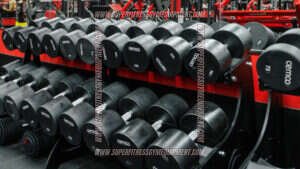
Dumbbells are small handheld weights. Each dumbbell has a handle between two ends. The ends may be fixed, adjustable, round, hexagonal, or coated in rubber.
Dumbbells are one of the most familiar answers to what are the weights called in a gym. They are easy to use and work well for both beginners and experienced lifters.
Common dumbbell exercises include:
• Dumbbell bench presses
• Shoulder presses
• Goblet squats
• Lateral raises
• Dumbbell rows
• Walking lunges
• Hammer curls
Dumbbells allow each arm to work on its own. This can help reveal strength differences between the left and right sides. For example, your right arm may lift a heavier load during a barbell press while your left arm does less work.
Fixed dumbbells are ready to use. Adjustable dumbbells let you change the load by adding or removing plates. Adjustable types save space at home, but they can take more time to set up.
A practical lesson I have seen many lifters learn is that heavier is not always better. A lighter dumbbell with slow, controlled movement often builds better skill than a heavy dumbbell swung with poor form.
What Are Barbells?
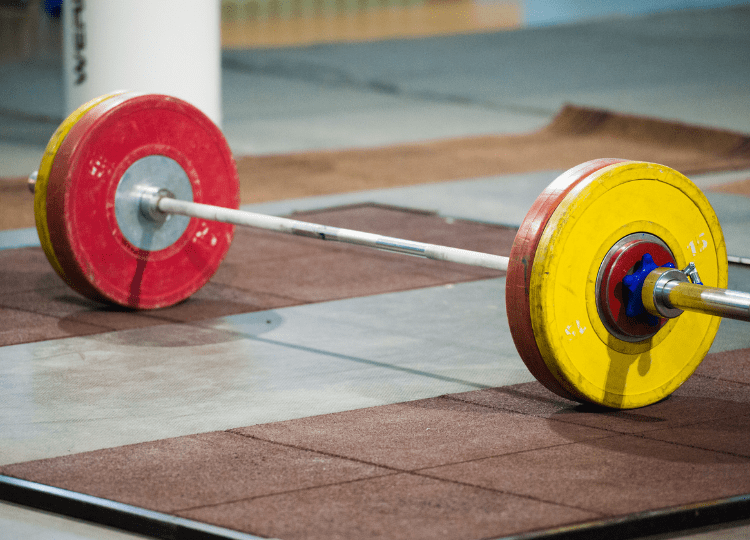
A barbell is a long metal bar designed to hold weight plates. Most standard barbells weigh about 20 kilograms, or 45 pounds, but some bars are lighter or heavier.
Barbells let you lift more total weight than many single dumbbell exercises. They are common in strength training, powerlifting, Olympic lifting, and general fitness.
Popular barbell exercises include:
• Back squats
• Front squats
• Deadlifts
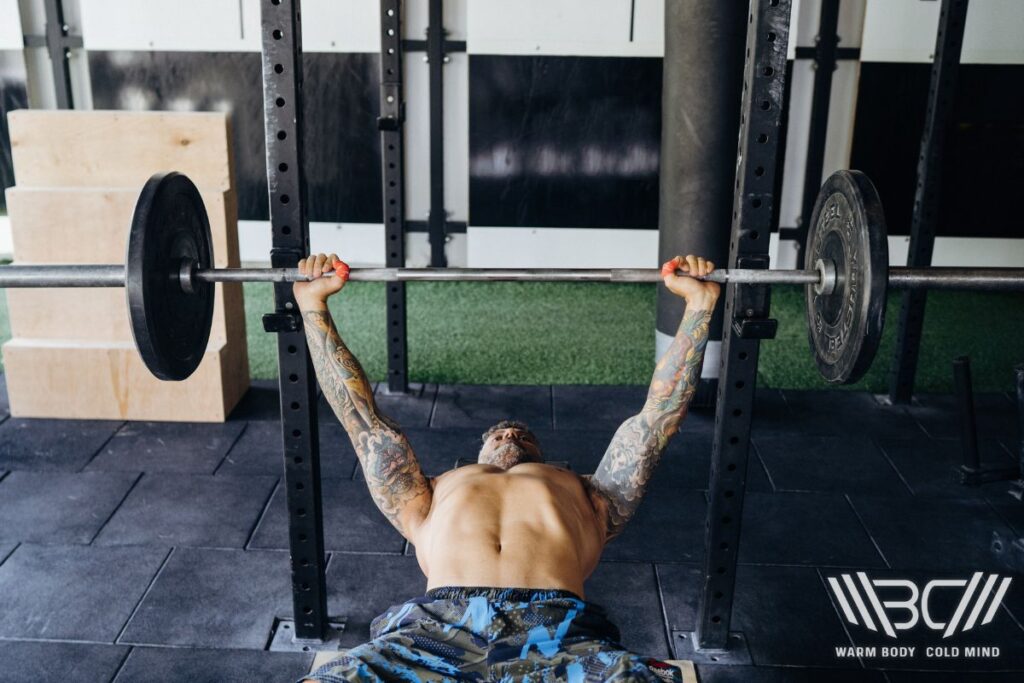
• Bench presses
• Overhead presses
• Barbell rows
• Power cleans
The barbell distributes the load between both sides of your body. This makes it useful for heavy compound movements. However, it also means one side may quietly do more work if your technique is uneven.
Before lifting a loaded barbell, check the following:
-
Make sure the plates are secure.
-
Use safety clips when needed.
-
Check that the bench or rack is stable.
-
Learn the correct setup for the exercise.
-
Ask a qualified trainer for help if you feel unsure.
Barbells are powerful tools, but they reward patience. Build your technique first, then increase the load in small steps.

What Are Weight Plates?
Weight plates are round discs made from iron, steel, rubber, or bumper material. They slide onto a barbell or fit on certain resistance machines.
Weight plates come in different sizes and shapes. Common plates include:
• Standard iron plates
• Rubber coated plates
• Olympic plates
• Bumper plates
• Fractional plates
Olympic plates have a larger center hole than standard plates. They are designed for Olympic bars, which are thicker and usually stronger than standard bars.
Bumper plates are made from dense rubber. They are built to be dropped during movements such as cleans and snatches. They are useful in Olympic lifting areas, but they can cost more and take up more storage space.
Fractional plates are very small plates. They may weigh 0.25, 0.5, 1, or 1.25 kilograms. These plates help lifters make small increases when a larger jump feels too hard.
When people ask what are the weights called in a gym, they may mean the plates rather than the bar. The bar and plates work together, but they are separate pieces of equipment.

What Are Kettlebells?
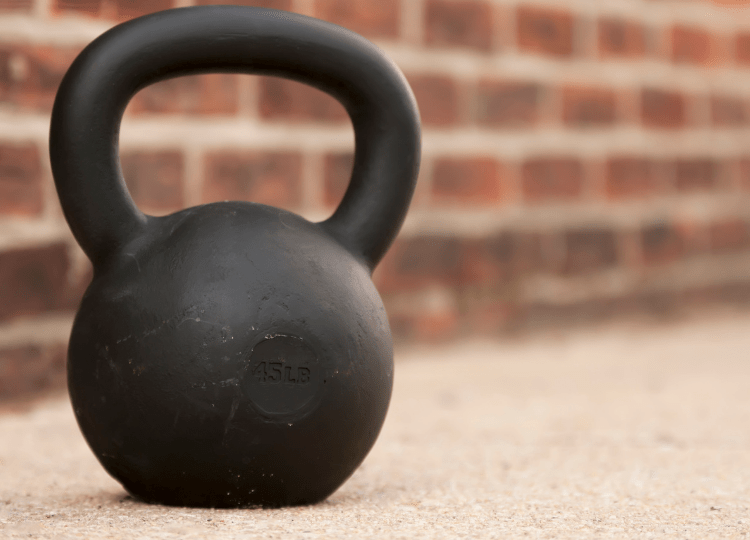
Kettlebells are cast weights shaped like a ball with a thick handle. Unlike a dumbbell, the center of mass sits below the handle. This design changes how the weight moves.
Kettlebells are often used for full body exercises and dynamic movements. Popular kettlebell exercises include:
• Kettlebell swings
• Turkish get ups
• Goblet squats
• Kettlebell cleans
• Kettlebell snatches
• Farmer carries
Kettlebell swings use the hips to create force. They should not feel like a deep squat or an arm raise. The main motion comes from a strong hip drive while the spine stays controlled.
Kettlebells are excellent for power, grip, balance, and conditioning. They also demand good timing. Beginners should learn the swing with a light kettlebell and enough space around them.
A common mistake is choosing a kettlebell based on ego. Start with a weight you can control for every repetition. The right weight should challenge you without causing your back, shoulders, or wrists to lose position.

What Are Medicine Balls and Slam Balls?
Medicine balls are weighted balls used for strength, balance, power, and core training. Slam balls look similar, but they are usually designed to be thrown forcefully into the floor.
Medicine balls may have a softer outer shell. Slam balls often have a stronger rubber surface and may not bounce much. Some gyms also have wall balls, which are larger and made for throwing against a wall or target.
Common exercises include:
• Medicine ball chest passes
• Russian twists
• Wall ball throws
• Overhead slams
• Rotational throws
• Bear hug squats
These weights are useful because they add movement and speed. They can train how your body produces and transfers force. Still, fast training requires control. Clear the area before throwing any weighted ball.
Medicine balls are not always ideal for slow muscle building. They work best when used with other forms of resistance training, such as dumbbells, barbells, or machines.

What Are Cable Machine Weights?
Cable machines use a pulley system attached to a weight stack. The stack usually has numbered plates. You select the load by placing a pin into the desired position.
Cable weights may be called:
• Weight stacks
• Cable resistance
• Selectorized machine weights
• Pulley weights
Cable machines can train many muscles. You can use them for cable rows, triceps pushdowns, chest presses, face pulls, and leg exercises.
The cable keeps tension on the muscle through much of the movement. This can make cable exercises feel different from free weight exercises. You can also change your body position and handle to target a muscle from another angle.
Cable machines are helpful for beginners because the machine controls part of the path. However, they do not replace free weights in every program. A balanced routine may use both.
What Are Resistance Machines?
Resistance machines are fixed gym stations that guide the movement. They may use weight stacks, plates, springs, air, or other systems to create resistance.
Examples include:
• Leg press machines
• Chest press machines
• Lat pulldown machines
• Leg curl machines
• Leg extension machines
• Shoulder press machines
• Smith machines
Resistance machines can make it easier to focus on one muscle group. They may also help people exercise when balance, coordination, or joint control is limited.
Machines have limits, too. A fixed path may not match every person’s body shape. If a machine causes pain, stop and adjust the seat, load, or movement. Pain is not a sign that the exercise is working.
The Smith machine deserves special mention. It uses a bar fixed to vertical or angled rails. It is not the same as a free barbell because the rails guide the bar path.
How Gym Weights Are Measured
Gym weights are measured in pounds, kilograms, or both. In the United States, pounds are common, but many gyms label equipment in kilograms as well.
Useful conversions include:
• 1 kilogram equals about 2.2 pounds.
• 5 kilograms equals about 11 pounds.
• 10 kilograms equals about 22 pounds.
• 20 kilograms equals about 44 pounds.
• 45 pounds equals about 20 kilograms.
A standard Olympic barbell often weighs 20 kilograms. A common women’s Olympic barbell weighs 15 kilograms, although gym equipment can vary.
Always check the label instead of guessing. Some dumbbells show the weight of one dumbbell. Some machines show the total selected load. If you are unsure, ask gym staff.
How to Choose the Right Gym Weight
The best weight allows you to complete the exercise with safe, steady form. It should feel challenging, but you should not need to swing, bounce, or hold your breath for long periods.
Use these steps:
-
Choose a light starting weight.
-
Practice the movement for a few repetitions.
-
Keep your joints in a controlled position.
-
Stop if you feel sharp pain or unusual discomfort.
-
Add weight only when your form stays strong.
Many strength programs use a repetition range. For example, you may perform 8 to 12 repetitions. The final few repetitions should feel hard, but you should still have control.
A simple guide is the repetitions in reserve method. If you could complete five more repetitions, the weight may be too light for that set. If you cannot complete the planned repetitions, the weight may be too heavy.
Your goal also matters:
• For strength, use heavier loads with fewer repetitions.
• For muscle growth, use moderate to heavy loads with controlled repetitions.
• For endurance, use lighter loads and more repetitions.
• For power, use a manageable load and move with speed.
These are broad guidelines, not strict rules. Training history, health, exercise choice, and recovery all affect the right load.
Free Weights Versus Machines
Both free weights and machines can build strength. The better choice depends on your goal, skill, comfort, and access to equipment.
Free weights offer:
• More freedom of movement
• Greater balance demands
• Strong full body coordination
• Easy use for compound exercises
Machines offer:
• Guided movement
• Simple setup
• Strong muscle isolation
• Useful support for beginners
A new lifter may feel more confident using a chest press machine before trying a barbell bench press. An experienced lifter may use both to build strength and add training variety.
Research on resistance training consistently shows that regular training matters more than one specific tool. The best gym weight is the one you can use safely and consistently.
Common Mistakes to Avoid
Learning what are the weights called in a gym is helpful, but knowing how to use them matters more. Avoid these common mistakes:
• Choosing a weight that is too heavy.
• Skipping the warmup.
• Copying another person’s load.
• Using fast, uncontrolled movements.
• Ignoring pain.
• Dropping weights in areas where it is not allowed.
• Leaving plates on a bar.
• Forgetting to check clips and pins.
• Holding your breath for too long.
• Training the same muscles hard every day.
Rest and recovery are part of progress. Muscles need time to repair after training. Sleep, food, hydration, and a sensible workout plan all support better results.
Gym manners matter as well. Return dumbbells to the rack, wipe down shared equipment, and give others enough space. A clean, safe gym helps everyone train with confidence.
Frequently Asked Questions About What Are the Weights Called in a Gym
What are the handheld weights called in a gym?
Handheld weights are usually called dumbbells. They come in fixed and adjustable styles and are used for exercises such as curls, presses, rows, and lunges.
What are the big round weights called in a gym?
The big round weights are called weight plates. They slide onto barbells or fit onto some plate loaded machines.
What is the long weight bar called?
The long bar is called a barbell. A barbell holds weight plates and is used for exercises such as squats, deadlifts, presses, and rows.
What are the ball weights with handles called?
Ball shaped weights with handles are called kettlebells. They are often used for swings, carries, squats, cleans, and other full body movements.
What are the weights on a cable machine called?
They are usually called a weight stack or cable weight stack. You select the resistance by placing a pin into the chosen plate.
Are free weights better than machines?
Neither option is always better. Free weights require more balance and control, while machines can guide movement and make muscle isolation easier.
What weight should a beginner use at the gym?
A beginner should use a load that allows smooth form for the planned repetitions. Start light, learn the movement, and increase the weight slowly.
Conclusion
Gym weights can be called dumbbells, barbells, weight plates, kettlebells, medicine balls, cable weights, or machine weights. These tools differ in shape, movement, control, and purpose, but each can support a strong fitness plan.
Start with the equipment you can use safely. Focus on steady form, gradual progress, and regular training rather than lifting the heaviest load in the room. Ask a qualified trainer for guidance when needed, and explore more beginner strength resources to keep building your confidence.

Brandon Knoxley is a sport & fitness writer and training guide contributor at MySportFitHub. He focuses on practical workouts, performance-based training, and honest fitness gear insights designed for real people and real results. Brandon is passionate about helping beginners and active individuals train smarter, avoid common mistakes, and build sustainable fitness habits.