Why Are Some Treadmills Curved: The Benefits Explained
Some treadmills are curved to promote natural running, reduce motor use, and make workouts more responsive and challenging.
The question “why are some treadmills curved” has a clear answer, but the full story includes biomechanics, energy use, safety, speed control, and workout goals. After reviewing how curved treadmills work and comparing them with flat motorized models, I can say that the curve is more than a design choice—it changes how you run.
Why are some treadmills curved?
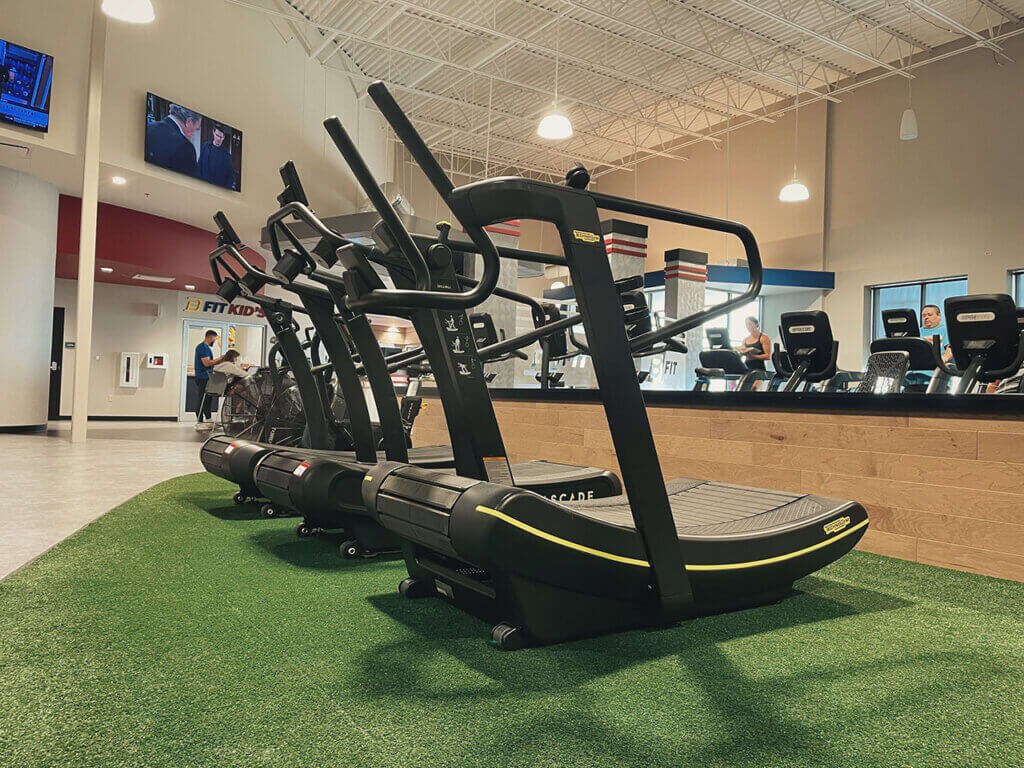
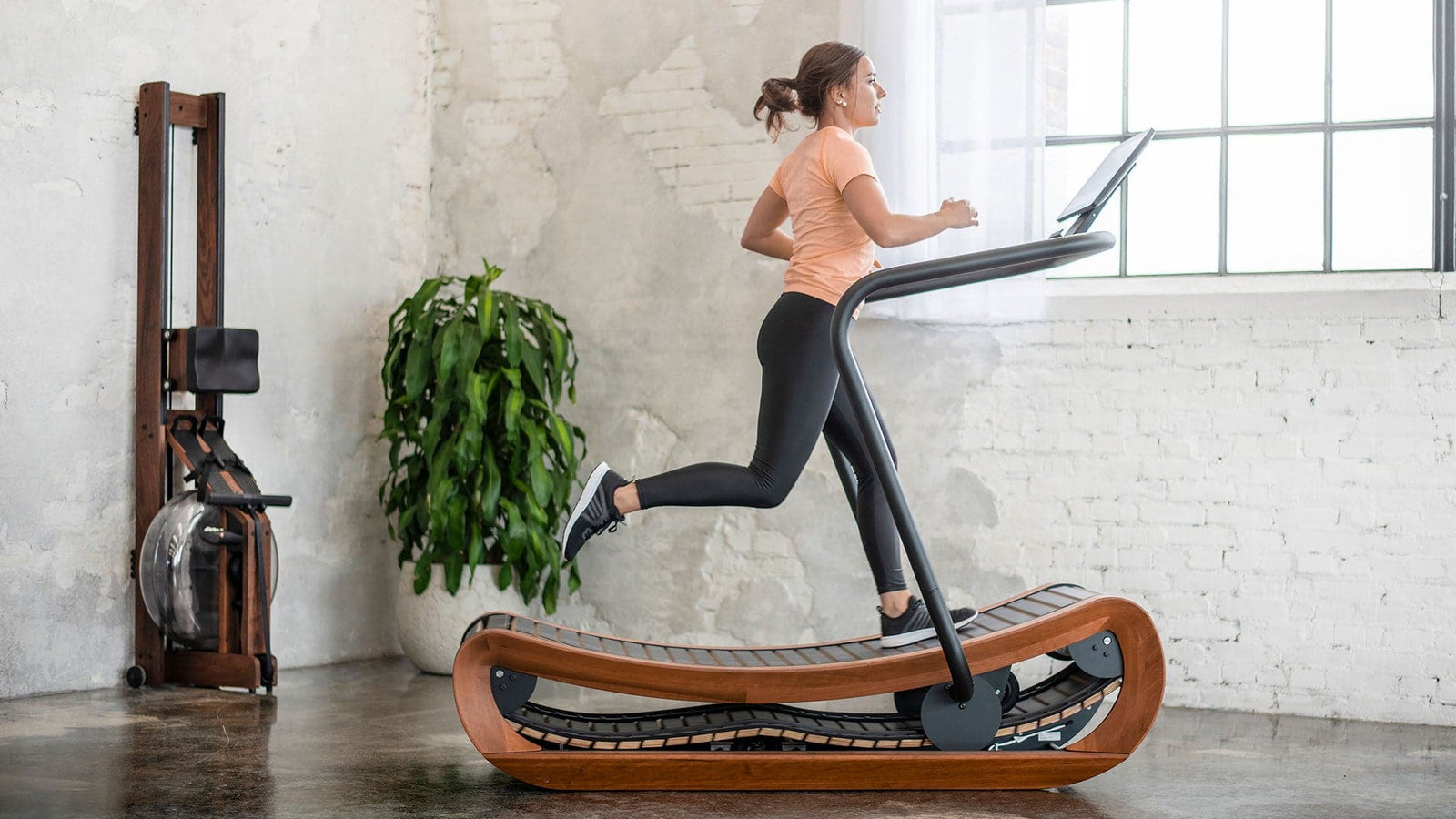
Curved treadmills use a gently bowed running surface instead of a flat belt. The front of the deck sits higher than the middle, creating a shape that looks like a shallow arc.
Most curved treadmills are self-powered. Your foot pushes the belt backward, and the belt moves beneath you. This design removes much of the work normally done by an electric motor.
The main reasons why are some treadmills curved include:
• They encourage a more natural stride.
• They respond quickly to changes in speed.
• They can improve running effort and energy use.
• They often need less electricity than motorized treadmills.
• They give athletes a useful tool for sprint and interval training.
Think of the belt as a small hill that moves under your feet. Each step helps drive the belt downward and backward. The faster and harder you push, the faster the belt moves.

How does a curved treadmill work?
A curved treadmill usually has a series of narrow slats instead of one continuous rubber belt. These slats roll over bearings or wheels as you run.
The highest point of the curve is often near the front and rear. The lowest point is under the center of your body. This shape helps your foot land slightly ahead of your center of mass, then push the belt backward.
Your movement controls the pace. If you slow your stride, the belt slows. If you increase your force and cadence, the belt speeds up.
This is different from a motorized treadmill. On a standard treadmill, the motor moves the belt at a set speed. You must match that pace. On a curved treadmill, the machine follows your movement more closely.
A curved treadmill may also have:
• A manual resistance system
• A digital display for pace, distance, heart rate, and calories
• A heavy frame for stability
• A slat belt made for repeated use
• Handrails for support during warmups or hard intervals
The exact design varies by brand. Some models are fully manual, while others include motors, adjustable resistance, or powered assistance.

What are the benefits of a curved treadmill?
The biggest advantage is control. You set the pace with your body rather than pressing buttons.
More natural speed control
A curved treadmill can make it easier to change pace during intervals. You can move from a jog to a sprint without waiting for a motor to adjust.
This feature is useful for:
• Sprint workouts
• Sports conditioning
• Running drills
• Group fitness training
The belt often slows as soon as you reduce your effort. That can feel more natural than jumping from one fixed speed to another.
Greater running effort
Research on manual curved treadmills has found that runners may use more oxygen and energy at the same speed than they do on a motorized treadmill. The difference depends on the machine, running speed, user skill, and study design.
The reason is simple. You must help move the belt with every step. That extra work may raise heart rate and perceived effort.
In practical terms, a pace that feels easy on a powered treadmill may feel harder on a curved model. This is why athletes often use curved treadmills for short, intense sessions rather than long steady runs.
Stronger focus on running form
The curve may encourage a runner to land closer to the middle of the body and push backward. It can also promote a quicker cadence and a shorter stride.
However, the treadmill does not automatically fix poor form. You still need good posture, relaxed shoulders, and controlled foot placement.
Lower energy use
A fully manual curved treadmill does not need a motor to move the belt. It may use less electricity than a standard treadmill, although the display and other electronic parts still need power.
This can help gyms reduce operating costs. It may also appeal to home users who want a simple machine with fewer motor-related parts.
Useful for athletes
Coaches often use curved treadmills for:
• Acceleration work
• High-intensity intervals
• Speed endurance
• Return-to-running programs
• Team conditioning
A coach can stand beside the machine and adjust the workout without constantly changing a speed setting. That makes the machine useful in busy training spaces.

Are curved treadmills better for your joints?
Curved treadmills are not automatically better or worse for your joints. Their effect depends on your running form, fitness level, body weight, speed, footwear, and previous injuries.
Some runners feel that the curved deck supports a more natural stride. Others feel extra stress in their calves, Achilles tendons, hamstrings, or feet.
The higher effort often comes from the muscles that help push the belt. If you are new to the machine, your lower legs may tire quickly.
A safe transition looks like this:
-
Start with five to ten minutes of easy walking.
-
Keep your hands off the rails when your balance feels stable.
-
Add short jogging periods.
-
Stop if you feel sharp pain, numbness, or unusual joint pressure.
-
Increase total time slowly over several workouts.
People with an injury should ask a qualified medical professional or physical therapist before using a curved treadmill. A curved deck may be useful in rehabilitation, but it should be chosen and adjusted under proper guidance.

What are the disadvantages of a curved treadmill?
The answer to why are some treadmills curved should include the limits as well as the benefits. A curved treadmill can be demanding, costly, and less familiar than a standard model.
It can feel harder than expected
Many first-time users expect the same pace to feel similar to a motorized treadmill. That is often not the case.
The belt may require more force from your calves and glutes. A workout that looks short on the display can still feel very intense.
It may not suit long-distance training
Curved treadmills are often excellent for intervals. They may be less comfortable for long, easy runs.
Some runners prefer a powered treadmill for steady training because it provides a consistent pace. It also makes it easier to follow a specific race pace for a long period.
It requires a learning period
Your first workout may feel awkward. You must learn where to place your feet and how much force to use.
Holding the rails for too long can change your posture. It may also reduce the training effect. Use the rails for balance when needed, then gradually release them.
It can cost more
Commercial curved treadmills often use strong frames, durable slats, and high-quality bearings. These parts can make them more expensive than basic motorized treadmills.
Maintenance may also include cleaning, checking slats, inspecting bearings, and adjusting belt alignment.
It may produce more noise
The slats and rollers can create a different sound from a smooth rubber belt. Noise levels vary by model and floor surface.
If you plan to use one at home, check the machine’s weight, footprint, and noise rating before buying.

Curved treadmill vs. flat treadmill
Both types can support effective training. The better choice depends on what you want from your workout.
| Feature | Curved treadmill | Flat motorized treadmill |
|---|---|---|
| Belt movement | Usually user-powered | Motor-powered |
| Speed control | Controlled by your stride | Set with buttons |
| Effort | Often higher at the same displayed pace | Usually more predictable |
| Best use | Intervals, sprints, conditioning | Walking, jogging, long runs |
| Electricity use | Often lower | Usually higher |
| Learning curve | Moderate | Low |
| Pace consistency | Depends on the runner | Very consistent |
| Maintenance | Slats and rollers need care | Motor and belt need care |
A curved treadmill is not a replacement for every other form of running. It is better viewed as a specialized training tool.
For example, a sprinter may use it for short bursts. A beginner may prefer a flat treadmill because it offers steady speed and easy control. A home user who walks for 30 minutes may gain little from paying extra for a curved model.

Who should use a curved treadmill?
Curved treadmills can work well for active users who enjoy short, challenging workouts. They are especially useful for athletes, coaches, and people who want responsive speed control.
They may suit:
• Experienced runners
• Sprinters
• Soccer, basketball, and football athletes
• High-intensity interval training users
• Personal training clients
• Runners who dislike fixed treadmill speeds
They may not be the best first choice for:
• People new to exercise
• Users who mainly want gentle walking
• People with current lower-leg injuries
• Anyone seeking a low-cost treadmill
• Users who need exact, long-duration pace control
That does not mean beginners can never use one. With a slow start and proper instruction, many beginners can learn safely. The key is to treat the curved treadmill as a different tool, not as a normal treadmill with a new shape.

How to use a curved treadmill safely
Good technique matters more on a curved treadmill because your body controls the belt.
Follow these practical tips:
-
Warm up before increasing speed. Walk slowly for several minutes.
-
Stand near the center of the deck. This area usually offers the easiest belt control.
-
Keep your eyes forward. Looking down can affect balance and posture.
-
Use a short, quick stride. Avoid reaching far in front of your body.
-
Keep your chest tall and your arms relaxed.
-
Avoid pulling on the handrails. Use them only when you need support.
-
Begin with short intervals. Try 10 to 20 seconds of faster work with easy recovery.
-
Watch your calves and Achilles tendons. They may tire before your lungs do.
-
Wear stable running shoes. Avoid loose footwear or worn-out soles.
-
Stop when your form breaks down. Fatigue can make the belt feel harder to control.
One practical lesson is easy to miss: do not copy the pace shown on a motorized treadmill. Curved treadmill numbers may not feel identical to outdoor or powered treadmill speeds. Use effort, breathing, and form as guides.
How to choose the right curved treadmill
If you are shopping for one, focus on the machine’s construction and your training needs.
Check the belt design
Look for strong slats, smooth rollers, and a stable deck. The belt should move without sudden catches or rough spots.
Consider the curve
A sharper curve may require more effort. A gentler curve may feel easier for walking and steady running.
Review resistance settings
Some models let you add resistance. This can support sled-style pushes, hill simulations, or strength-focused conditioning.
Measure the running area
A short deck may feel limiting, especially for tall runners or people with long strides. Always compare the usable running surface, not just the machine’s outside dimensions.
Check weight and stability
A heavy frame usually feels more stable during fast work. However, it may be difficult to move in a home gym.
Compare warranty and service
Ask about coverage for the frame, slats, rollers, bearings, and display. A good warranty can protect you from expensive repair costs.
Try before buying
If possible, walk and run on the exact model. The feel of one curved treadmill can differ greatly from another.

Can a curved treadmill help you burn more calories?
It can, but the amount varies. A curved treadmill may require more effort than a powered treadmill at the same displayed speed, which can increase calorie use.
Calories also depend on body weight, workout length, speed, incline, fitness level, and rest periods. Display estimates are not exact measurements.
For better results, track your workout by:
• Total time
• Perceived effort
• Heart rate trends
• Number of intervals
• Recovery time
A short, hard workout may burn energy quickly, but it is not always better than a longer easy session. Your goal should guide the workout.
Frequently Asked Questions About Why Are Some Treadmills Curved
Why are some treadmills curved instead of flat?
Curved treadmills are designed to let the user move the belt with each step. The curve can support natural speed control, higher effort, and fast changes between walking, jogging, and sprinting.
Are curved treadmills harder to use?
They often feel harder because your muscles help move the belt. New users may notice more work in the calves, hamstrings, glutes, and core.
Can you walk on a curved treadmill?
Yes, you can walk on many curved treadmills. Start slowly and stay near the center of the deck while you learn how the belt responds.
Are curved treadmills good for beginners?
They can be, but beginners should begin with short, easy sessions. A flat motorized treadmill may be simpler if you mainly want steady walking or basic jogging.
Do curved treadmills burn more calories?
They may burn more calories at the same displayed speed because they require more effort. The actual difference depends on the model, workout intensity, body size, and session length.
Are curved treadmills safer than regular treadmills?
Neither design is automatically safer. A curved treadmill can stop when you stop pushing, but poor balance, fatigue, or bad form can still cause problems.
Do curved treadmills need electricity?
Many manual curved treadmills need little electricity or none for belt movement. Their displays and electronic features may still require batteries or power.
Conclusion
The answer to why are some treadmills curved comes down to movement and control. The curved deck lets you power the belt, change speed naturally, and often work harder than you would on a flat motorized treadmill.
These machines can be excellent for sprint training, intervals, sports conditioning, and responsive workouts. They can also feel demanding, cost more, and require a short adjustment period.
Choose one based on your goals, fitness level, space, budget, and injury history. Start slowly, focus on form, and test the machine before buying. Explore more treadmill training guides, and share your experience with curved treadmills in the comments.

Brandon Knoxley is a sport & fitness writer and training guide contributor at MySportFitHub. He focuses on practical workouts, performance-based training, and honest fitness gear insights designed for real people and real results. Brandon is passionate about helping beginners and active individuals train smarter, avoid common mistakes, and build sustainable fitness habits.