Why Is Running On A Treadmill Harder: The Real Reasons
Running on a treadmill feels harder because the belt changes your rhythm, airflow, cooling, and mental effort.
If you have wondered why is running on a treadmill harder than running outdoors, you are not imagining it. Treadmill running can feel more demanding even when the speed and time look the same. The reason often comes from several small factors working together, including heat, pace control, muscle use, posture, and how your brain responds to a moving belt.
This guide explains why is running on a treadmill harder, what science says about the difference, and how to make indoor runs feel smoother. You will also learn when treadmill running may actually be easier and how to adjust your workout without slowing your progress.

Why Is Running on a Treadmill Harder?
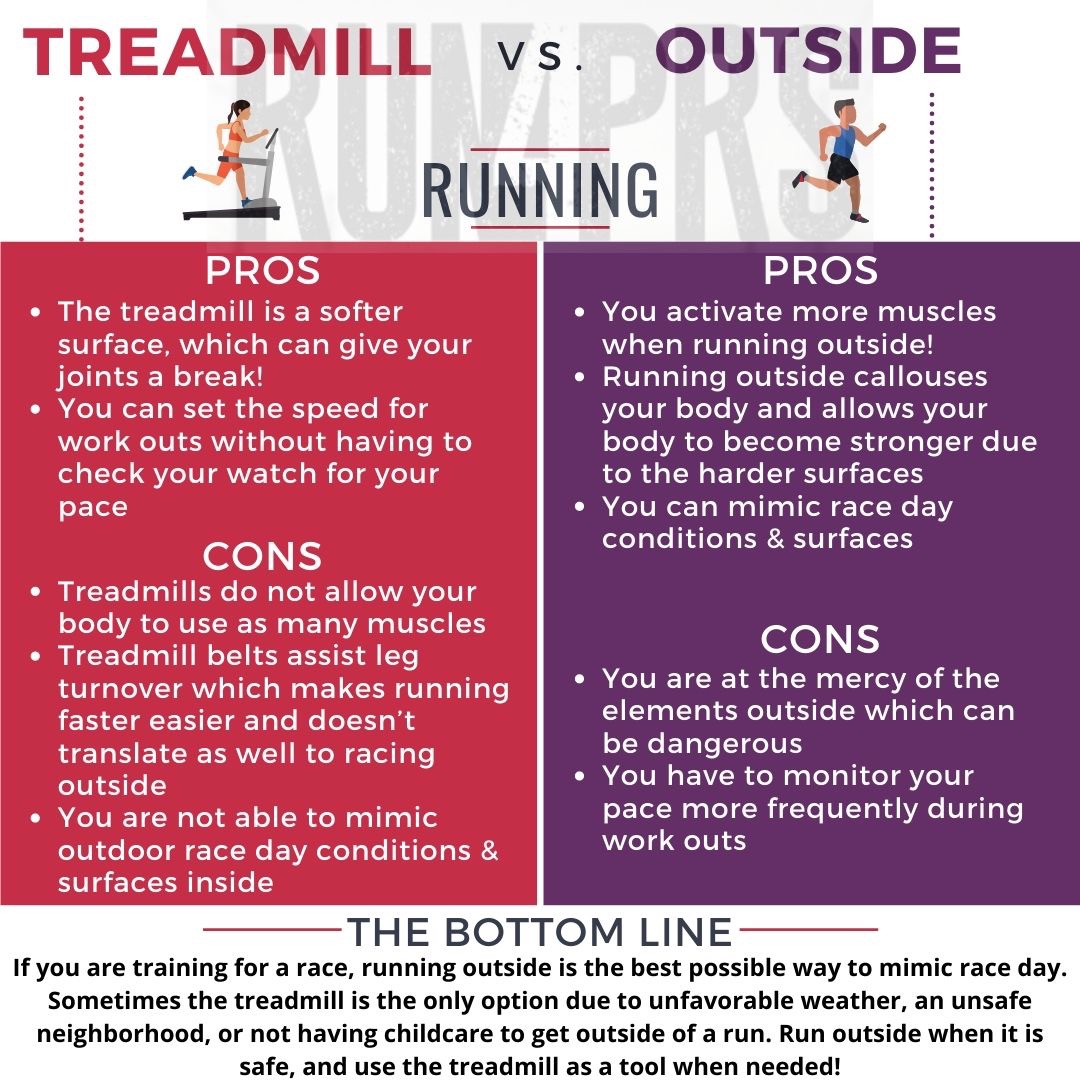
The short answer is that treadmill running removes some natural features of outdoor running while adding others. You do not move through the air, the belt pulls your feet backward, and the fixed pace leaves little room for small changes in speed.
Many runners notice a higher rate of perceived exertion on a treadmill. In simple terms, the workout feels harder even when the heart rate, pace, and distance seem similar.
The main reasons include:
• Less airflow, which makes your body heat up faster
• A fixed speed that does not allow natural pace changes
• A moving belt that changes how your feet land and push off
• Repetitive sights and sounds that increase mental fatigue
• Small changes in posture, stride, and muscle use
This explains why is running on a treadmill harder for many people, but not everyone feels the same effect. Fitness level, treadmill quality, room temperature, incline, running form, and personal preference all matter.
The treadmill does not fully copy outdoor running
A treadmill creates a controlled environment. That control is useful, but it also removes hills, wind, turns, uneven ground, and changes in surface texture.
Outdoor running usually gives your body many tiny breaks. You may slow down on a hill, speed up on a flat path, or adjust your stride around a corner. A treadmill keeps asking you to match one steady rhythm.
That constant rhythm can feel like running on a conveyor belt that never lets you pause. Your body may handle the speed well, but your mind and stabilizing muscles can still feel tired.

The Main Reasons Treadmill Running Feels More Difficult
Understanding the causes makes the problem easier to solve. The most common factors are heat, pace, biomechanics, and mental fatigue.
Heat builds up faster indoors
The biggest reason why is running on a treadmill harder may be poor cooling. Outdoors, moving air helps sweat evaporate from your skin. On a treadmill, you may run in a warm room with little air movement.
Sweat does not cool you well if it stays on your skin. Your body then works harder to control its temperature. This can raise your heart rate and make an easy run feel surprisingly tough.
A fan can help. Place it in front of you at chest height, and use a second fan if the room is warm. Drink water based on thirst, and avoid wearing heavy layers indoors.
A fixed pace removes natural recovery
Outdoor runners rarely hold one exact speed for every second. They slow down slightly on turns, adjust for other people, or take brief pauses without noticing.
A treadmill does not make these choices for you. If the belt is set to 6.0 miles per hour, you must keep matching that pace. Even a small increase in effort can continue for several minutes.
This steady demand is one reason why is running on a treadmill harder during long runs. The effort has fewer natural changes, so the muscles and breathing system may receive less relief.
The belt changes your stride
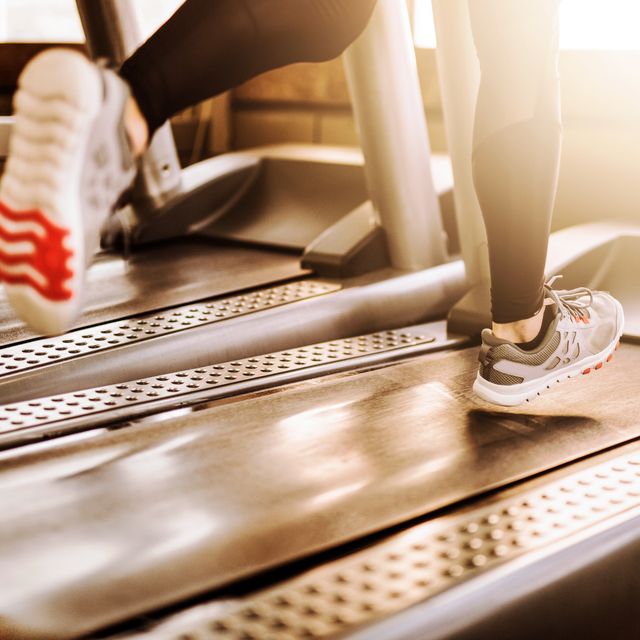
On a treadmill, the belt moves backward beneath you. You still need to land under your body and push down into the belt, but the surface changes the timing of your stride.
Some runners take shorter steps or land with a more upright posture. Others hold the handrails, lean forward, or reach too far with the foot. These changes can waste energy and make the run feel harder.
A good goal is to keep your arms relaxed, your eyes forward, and your feet landing close to your center of mass. Do not force a dramatic change in stride. Use small adjustments and let your form settle.
Treadmill running can feel mentally dull
Outdoor running gives your brain constant information. You see trees, roads, people, buildings, and changing terrain. A treadmill offers the same view for most of the workout.
That lack of variety can make time feel slower. When the mind focuses on each minute, every minute may seem longer. Mental fatigue then makes physical effort feel greater.
Music, podcasts, guided workouts, or changing the incline can help. You can also divide the workout into small sections, such as five minutes at a time.
The machine may not show perfect data
Treadmill speed and distance are not always exact. Belt calibration, motor quality, your body size, and the machine’s age can affect the display.
A treadmill may also show a pace that feels faster or slower than your outdoor pace. This does not always mean the machine is wrong. It means treadmill data should be used as a guide, not as an absolute test of fitness.

Treadmill Running Versus Outdoor Running
Treadmill and outdoor running use the same basic movement, but the demands are not identical. One is not always better than the other.
Outdoor running usually requires more balance and adjustment. You must respond to hills, wind, turns, cracks, and changes in surface. These demands can increase the work of your stabilizing muscles.
Treadmill running offers a smooth and predictable surface. It can reduce the risk of tripping and make it easier to control pace, distance, and incline. For many runners, this makes the treadmill easier during short workouts.
The answer to why is running on a treadmill harder depends on what type of effort you compare. A treadmill may feel harder because of heat and boredom, while outdoor running may feel harder because of wind and hills.
Is running outdoors always more difficult?
No. Outdoor running is not automatically harder. A cool day with a flat path and light wind may feel easier than running indoors in a hot room.
Wind is a major outdoor factor. Even a mild headwind increases air resistance. A treadmill removes this resistance, which may make the same pace feel easier from a breathing point of view.
Terrain also matters. A hilly trail can place more stress on your legs than a flat treadmill. Weather, sleep, hydration, and stress can change the result from one day to the next.
What does the research suggest?
Sports science research often finds that treadmill and outdoor running can be similar when speed, incline, temperature, and airflow are controlled. Some studies suggest that adding about a 1% treadmill incline may better match the energy cost of outdoor running at faster speeds.
However, the 1% rule is not perfect for every runner or every pace. It depends on the treadmill, the surface, the runner, and the environment. At slower speeds, a flat treadmill may be a reasonable outdoor comparison.
Professional guidelines also stress that perceived effort matters. If a run feels harder, your body is giving you useful information, even if the treadmill display looks normal.

How to Make Treadmill Running Feel Easier
You do not need to avoid the treadmill. A few simple changes can improve comfort and reduce wasted effort.
Improve airflow and room temperature
Set up a fan before you start. Wear light clothing that moves sweat away from your skin. If possible, run in a cool room with good ventilation.
This single change often explains why is running on a treadmill harder for people who train in basements, garages, or small home gyms.
Use a gentle incline
A 1% incline can make treadmill mechanics feel closer to outdoor running for some people. It may also reduce the feeling that the belt is doing all the work.
Do not assume you must use a 1% incline for every workout. Start at 0% or 0.5%, then adjust based on effort. A steep incline changes the workout and places more load on the calves and glutes.
Warm up gradually
Starting at your full target pace can make the first few minutes feel rough. Begin with five to ten minutes of easy walking or jogging.
Then increase the speed in small steps. This gives your breathing, joints, and muscles time to prepare.
Avoid holding the handrails
Holding the rails changes your posture and reduces the work your legs must do. It can also make the treadmill speed seem easier than it really is.
If you feel unsafe, lower the speed. If you need support, step onto the side rails and stop the belt rather than jumping off while it is moving.
Focus on effort, not only pace
Use a scale from 1 to 10 to judge effort. An easy run may feel like a 3 or 4. A hard interval may feel like an 8 or 9.
Heart rate can also help, but it is affected by heat, stress, caffeine, and dehydration. This is why is running on a treadmill harder cannot be answered by pace alone.
Add small changes
A completely flat, unchanging run may feel harder mentally. Try one of these options:
• Increase the incline for one minute every five minutes
• Change the speed slightly during each song
• Run short intervals with easy recovery periods
• Watch a show during an easy run
• Use a guided treadmill workout
Small changes can make the workout feel more natural without turning it into a race.
Common Treadmill Mistakes to Avoid
Many runners blame the treadmill when the real problem is setup or pacing. These mistakes can make treadmill running feel much harder than it needs to be.
Starting too fast
A treadmill reaches the target pace quickly. Outdoors, you may ease into speed without thinking about it. Indoors, pressing a button can move you from a warm-up pace to a demanding pace at once.
Start slower than you think you need. Increase the speed only after your breathing feels controlled.
Running too close to the front
Some runners move toward the front of the belt because they fear falling off. This can shorten the stride and create tension in the shoulders.
Stay near the middle of the belt. Keep your eyes forward and use the emergency clip.
Looking down often
Watching your feet can make your posture collapse. It may also increase neck and shoulder tension.
Look ahead as you would outdoors. Check the display only when you need to adjust your workout.
Ignoring hydration
Indoor runners may sweat more than expected. A bottle within reach can help, especially during runs longer than 45 minutes.
Do not force large amounts of water. Drink when thirsty, and consider electrolytes for long, hot, or very sweaty sessions.
Comparing every treadmill mile with an outdoor mile
The same displayed pace does not guarantee the same effort. Treat treadmill pace as a training number, not a judgment of your ability.
Instead, compare similar workouts under similar conditions. Record the room temperature, incline, pace, heart rate, and perceived effort.
When Treadmill Running Is the Better Choice
Treadmills are valuable tools, not second-rate training devices. They let you train when outdoor conditions are unsafe or inconvenient.
A treadmill is useful when:
• Ice, storms, or extreme heat make outdoor running risky
• You need an exact pace for intervals
• You are returning from an injury and want a stable surface
• You are learning to control effort
• You need to run early or late in the day
• You want to practice hills with controlled incline changes
Many coaches use treadmills for structured workouts. The belt keeps the pace honest and removes traffic, hills, and stoplights.
For beginners, a treadmill can also reduce fear. You can set a gentle speed, stop easily, and build confidence in a controlled setting.
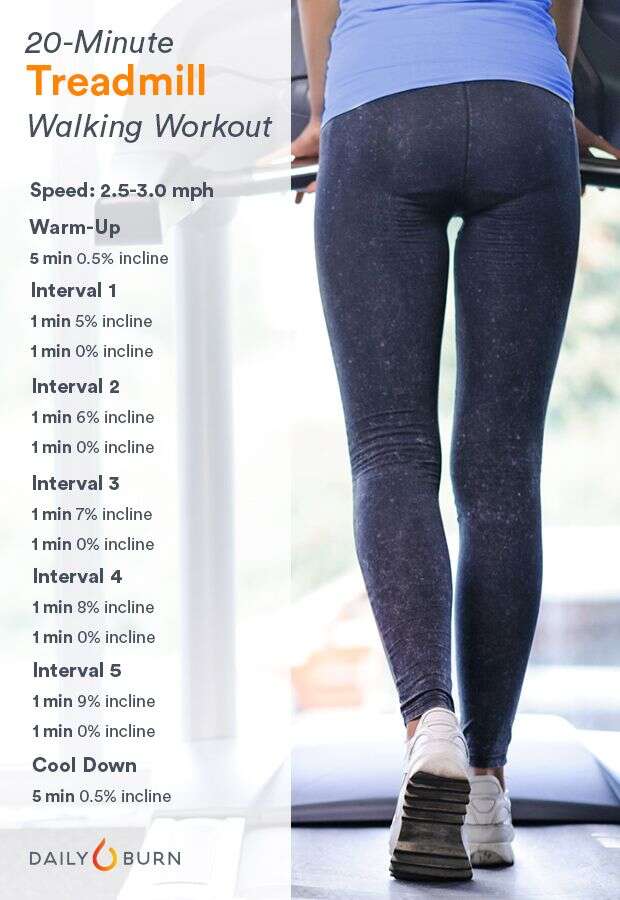
A Simple Treadmill Workout Plan
If you want treadmill running to feel more natural, try this 30-minute session.
-
Walk for five minutes at an easy pace.
-
Jog for five minutes at a pace you could maintain while speaking in short sentences.
-
Run for three minutes at a moderate effort.
-
Jog easily for two minutes.
-
Repeat steps three and four three times.
-
Cool down with five minutes of easy walking.
Keep the incline between 0% and 1% at first. Use a fan, drink when thirsty, and adjust the speed if your form becomes tense.
This plan works because it adds variety without creating extreme fatigue. It can also show you why is running on a treadmill harder on some days than others.
Frequently Asked Questions About Why Is Running on a Treadmill Harder
Why does treadmill running feel harder than running outside?
Treadmill running may feel harder because indoor heat, low airflow, fixed pacing, and boredom increase your effort. The belt and your running form may also feel different from outdoor movement.
Should I use a 1% incline on a treadmill?
A 1% incline may make treadmill effort closer to outdoor running for some people, especially at faster speeds. It is not a rule, so choose the incline that matches your goal and comfort.
Is treadmill running as good as outdoor running?
Yes, treadmill running can build aerobic fitness, speed, and endurance. Outdoor running adds wind, terrain, and balance demands, while treadmill running provides control and a consistent surface.
Why does my heart rate rise faster on a treadmill?
Your heart rate may rise faster because indoor heat limits cooling. Poor hydration, a warm room, high incline, stress, caffeine, and starting too fast can also raise heart rate.
Does holding the treadmill rails make running easier?
Yes, holding the rails reduces the work required from your legs and can change your posture. Lower the speed or incline instead of relying on the rails.
Can treadmill running cause different muscle soreness?
It can. A steady belt, repeated stride, incline, or altered posture may place extra stress on the calves, hamstrings, hips, or lower back. Increase time and incline slowly to give your body time to adapt.
Conclusion
Why is running on a treadmill harder? For many runners, the main causes are reduced airflow, indoor heat, fixed pacing, belt mechanics, repetitive movement, and mental fatigue. Still, treadmill running can be highly effective when you use the right pace, airflow, incline, and form.
Start with a gradual warm-up, use a fan, avoid the handrails, and judge the workout by effort rather than pace alone. Test small changes for two weeks and record how your body responds.
With the right setup, the treadmill can become a reliable training partner instead of a frustrating substitute. Try the adjustments in your next run, and share your experience or explore more running guidance to keep building stronger, smarter training habits.

Brandon Knoxley is a sport & fitness writer and training guide contributor at MySportFitHub. He focuses on practical workouts, performance-based training, and honest fitness gear insights designed for real people and real results. Brandon is passionate about helping beginners and active individuals train smarter, avoid common mistakes, and build sustainable fitness habits.