
Why Do My Legs Tingle After Walking On Treadmill: Causes
Temporary nerve pressure, tight shoes, poor blood flow, or overuse can make your legs tingle after treadmill walking.
If you have wondered, “why do my legs tingle after walking on treadmill,” you are not alone. This feeling often has a simple cause, but the pattern, timing, and other symptoms matter. This guide explains the common triggers, what you can do today, and when tingling needs medical care.

Why do my legs tingle after walking on treadmill?
Tingling is often called paresthesia. It may feel like pins and needles, buzzing, burning, numbness, or tiny electric shocks. After treadmill walking, it usually comes from temporary pressure on a nerve, changes in blood flow, or strain in the feet, legs, hips, or lower back.
The treadmill itself may not be the problem. Your pace, incline, shoes, posture, and walking form can all affect how your nerves and blood vessels respond. A new workout can also challenge tissues that are not used to repeated impact.
Common short-term causes include:
• Shoes that are too tight or laced too firmly
• Socks that press around the ankle
• Walking with a steep incline
• Holding the treadmill rails for too long
• A sudden increase in speed or workout time
• Tight calf muscles or hamstrings
• Nerve pressure from the lower back or hip
If the tingling fades within a few minutes after you stop, it is often less concerning. Still, repeated symptoms deserve attention, especially if they are becoming stronger or lasting longer.

Common causes of tingling legs after treadmill walking
Tight shoes and foot pressure
Your feet swell slightly during exercise. This is normal. However, a shoe that feels fine at the start may become tight after 20 or 30 minutes.
Tight toe boxes can press on small nerves in the forefoot. Tight laces can also restrict space across the top of the foot. The result may be tingling in the toes, ball of the foot, or front of the ankle.
Try shoes with a wide toe box. Lace them firmly but not tightly. You should be able to wiggle your toes and place a thumb between the shoe and the top of your foot.
Nerve compression from posture
Your walking posture can affect nerve function. Leaning far forward, bending at the waist, or gripping the rails may change the position of your spine and pelvis.
This can irritate nerves that travel from the lower back into the legs. You may notice tingling in one leg, the calf, the thigh, or the foot. It may also occur with low back pain or a sharp, shooting feeling.
A relaxed posture helps. Keep your head up, shoulders loose, arms moving naturally, and feet landing under your body. Avoid hanging your weight on the treadmill handles.
A sudden increase in effort
Your muscles, tendons, and nerves need time to adjust to a new workload. Increasing speed, incline, or distance too quickly may cause temporary irritation.
This is one reason people ask, “why do my legs tingle after walking on treadmill” after starting a new fitness plan. Their heart and lungs may handle the workout, while their feet, calves, or nerves need more time.
Increase only one training factor at a time. For example, add five minutes to your walk before adding a steep incline. A gradual approach reduces strain and makes the cause easier to track.
Reduced blood flow
Blood flow naturally changes during exercise. Your working muscles need more oxygen, so your body sends more blood to them. A temporary change in circulation may create tingling, especially if you stop suddenly or sit in one position after walking.
Poor circulation can also cause cold feet, cramping, skin color changes, or pain with activity. Conditions such as peripheral artery disease are more likely in people who smoke or have diabetes, high blood pressure, high cholesterol, or a history of heart disease.
Tingling alone does not prove poor circulation. A health professional may need to check your pulses, skin temperature, blood pressure, and ankle-brachial index.
Tight calf muscles
Walking uphill on a treadmill places more demand on the calves. Tight calves can increase pressure around the ankle and foot. They may also change how your foot strikes the belt.
Gentle calf mobility before and after exercise can help. Avoid forcing a deep stretch. A mild pull is enough, and pain is a sign to stop.

How treadmill settings may trigger tingling
The treadmill can change your movement in ways that are easy to miss. A fast belt may make you shorten your stride or reach your foot forward. A high incline may push your weight toward the front of the foot.
These changes can compress nerves or fatigue the muscles that support your ankle. The feeling may answer the question, “why do my legs tingle after walking on treadmill,” even when you have no medical condition.
Check these settings:
• Speed: Lower it until you can walk with smooth, even steps.
• Incline: Return to zero for a few sessions if tingling began after hill training.
• Duration: Reduce the workout by 10 to 20 minutes.
• Rails: Use them only for balance, not to support your body weight.
• Warm-up: Start with five minutes at an easy pace.
• Cool-down: Walk slowly for several minutes instead of stopping at once.
A simple test can help. Walk at a comfortable speed on a flat setting while wearing different shoes. If the tingling disappears, the original shoes or treadmill settings may have played a role.

What to do when your legs tingle after walking
Stop or slow down if the sensation becomes uncomfortable. Sit or stand safely, remove pressure from your feet, and check whether your shoes or socks feel tight.
Use these steps:
-
Stop the treadmill and walk slowly for two to five minutes if you feel safe doing so.
-
Loosen your laces and remove restrictive socks.
-
Gently move your ankles up and down.
-
Check both feet for unusual color, swelling, blisters, or tenderness.
-
Write down the workout speed, incline, duration, shoes, and symptom location.
-
Resume exercise at a lower effort only if the tingling fully clears and you feel well.
Do not massage an area that is very painful, swollen, weak, or unusually cold. Also avoid “walking through” numbness. Reduced feeling can make it easier to miss an injury or lose balance.
A short symptom diary can reveal patterns. In practice, small details often matter: tingling that starts only on an incline suggests a different trigger than tingling that begins after wearing one specific pair of shoes.
How to prevent treadmill-related leg tingling
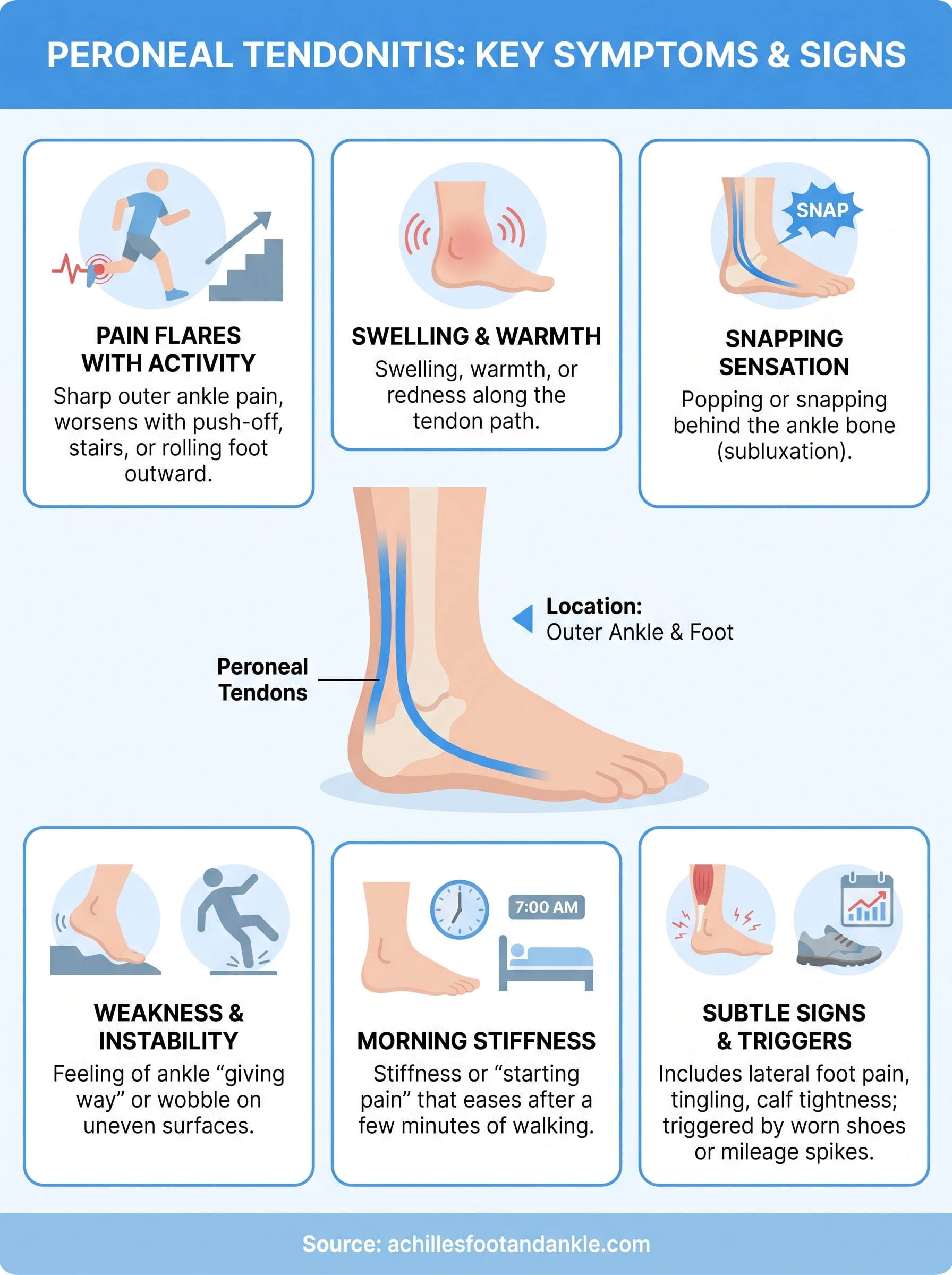
Prevention begins with a steady training plan and comfortable equipment. Your shoes should fit your current foot shape, not just the size printed on the box.
Use these practical habits:
• Choose supportive walking shoes with enough toe space.
• Replace worn shoes when the cushioning or tread has broken down.
• Warm up at an easy pace for five to ten minutes.
• Increase distance, speed, or incline gradually.
• Keep your spine tall and avoid leaning on the rails.
• Drink water through the day, especially during long workouts.
• Stretch gently after walking, when your muscles are warm.
• Add rest days when starting a new routine.
Hydration is important for general exercise comfort, but it is not a cure for every type of tingling. Electrolyte products are not automatically needed for a short indoor walk. If you have kidney, heart, or blood pressure problems, ask a clinician before using high-sodium products.

When tingling may point to a medical problem
Sometimes the answer to “why do my legs tingle after walking on treadmill” is a nerve or circulation condition that needs evaluation. Symptoms are more concerning when they occur often, last after exercise, or affect only one side.
Possible causes include:
Peripheral neuropathy
Peripheral neuropathy affects nerves outside the brain and spinal cord. Diabetes is a common cause, but vitamin deficiencies, alcohol use, some medicines, kidney disease, and other conditions can also affect nerves.
Symptoms may include burning, numbness, reduced sensation, or tingling in both feet. A clinician may order blood tests, review your medicines, and check your reflexes and sensation.
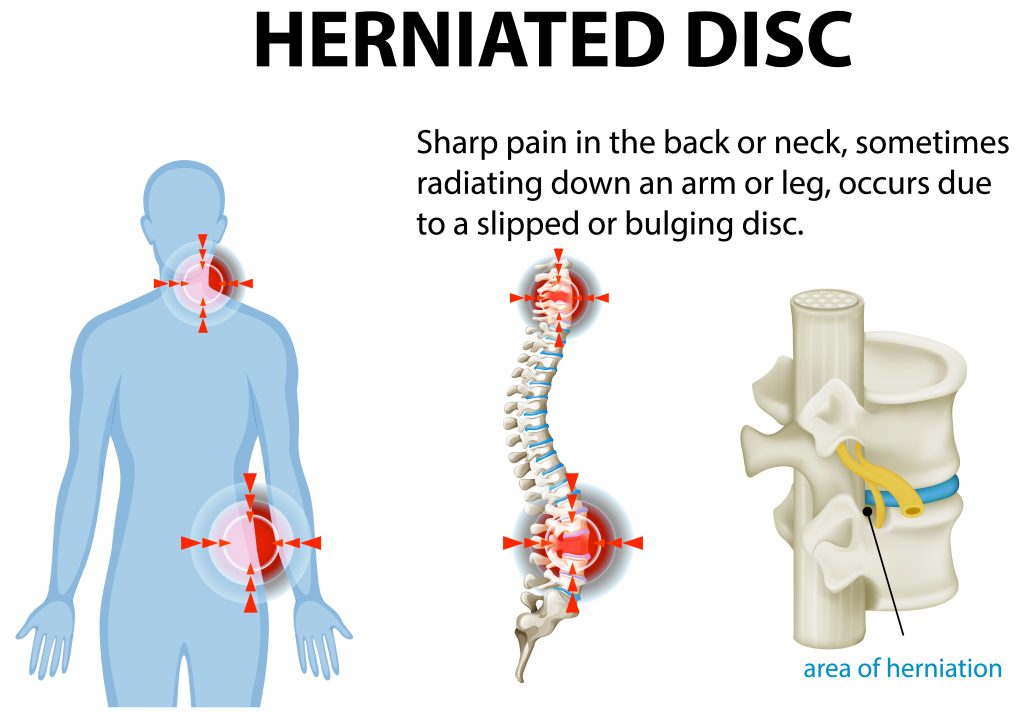
Sciatica or a pinched nerve
A nerve near the lower back can become irritated. Tingling may travel from the back or buttock down one leg. Pain, weakness, or symptoms that worsen with certain postures may occur too.
Do not assume every leg symptom is sciatica. A proper assessment helps separate a back-related nerve problem from a foot or circulation issue.
Peripheral artery disease
Peripheral artery disease can cause cramping, aching, or fatigue in the calf or thigh during walking. The discomfort may improve after rest. Some people also have cold feet, slow-healing sores, or weaker pulses.
This condition deserves medical care because it can signal wider blood vessel disease. Risk is higher with smoking, diabetes, high cholesterol, high blood pressure, and older age.
Warning signs that need urgent care
Seek emergency help if tingling begins suddenly with facial drooping, trouble speaking, severe weakness, confusion, or loss of balance. These can be signs of a stroke.
Get urgent medical advice for:
• New or severe weakness in a leg
• Loss of bladder or bowel control
• Numbness around the inner thighs or groin
• A swollen, red, hot, and painful calf
• A foot that becomes pale, blue, or unusually cold
• Severe chest pain or shortness of breath
• Tingling after a major fall or back injury
A blood clot usually causes swelling, warmth, tenderness, and pain more than simple exercise-related tingling. Do not massage a swollen, painful calf until a clinician has ruled out a clot.

A simple plan for your next treadmill session
If your symptoms are mild and disappear quickly, try a controlled experiment. Change one factor at a time so you can identify the likely trigger.
-
Wear comfortable shoes with a roomy toe box.
-
Warm up for five minutes at a flat, easy pace.
-
Keep the incline at zero.
-
Walk for 10 to 15 minutes at a pace that allows easy speech.
-
Keep your hands off the rails unless you need balance.
-
Stop if tingling increases, spreads, or comes with weakness or pain.
-
Record what you felt and how long it lasted.
If the symptom does not return, add time slowly over several sessions. Add incline last. If it returns even during easy, flat walking, schedule an appointment with a primary care clinician or physical therapist.
This step-by-step approach is safer than guessing. It also gives your clinician useful information if you need an exam.
Frequently Asked Questions
Why do my legs tingle after walking on treadmill but not outdoors?
A treadmill may change your stride, pace, incline, and posture. If the tingling happens only indoors, check the belt speed, rail use, shoes, and walking form before assuming there is a serious problem.
Is tingling after treadmill walking normal?
Brief tingling that stops soon after rest can happen from pressure, fatigue, or a temporary change in blood flow. It is not something to ignore if it is frequent, worsening, painful, or linked with weakness.
Can dehydration cause my legs to tingle after walking on treadmill?
Dehydration may contribute to muscle cramps and feeling unwell, but it does not explain every case of tingling. Drink water regularly, and seek medical advice if the symptom continues despite good hydration.
Should I stop walking if my legs tingle?
Slow down or stop when tingling is uncomfortable, increasing, or affecting your balance. Do not continue if you also have weakness, severe pain, swelling, chest symptoms, or a cold or discolored foot.
When should I see a doctor about tingling legs?
Make an appointment if symptoms keep returning, last after exercise, occur at rest, or affect daily life. Seek urgent care for sudden weakness, speech trouble, severe swelling, or loss of bladder or bowel control.
Conclusion
The most common answer to “why do my legs tingle after walking on treadmill” is temporary nerve pressure, tight footwear, poor form, muscle fatigue, or a sudden increase in effort. Small changes to your shoes, pace, incline, warm-up, and posture may solve the problem.
However, persistent tingling can point to neuropathy, a pinched nerve, or reduced circulation. Track your symptoms, avoid pushing through numbness, and speak with a clinician when the pattern is repeated or linked with pain, weakness, swelling, or color changes. Start your next workout gently, listen to your body, and share your experience or questions in the comments.

Brandon Knoxley is a sport & fitness writer and training guide contributor at MySportFitHub. He focuses on practical workouts, performance-based training, and honest fitness gear insights designed for real people and real results. Brandon is passionate about helping beginners and active individuals train smarter, avoid common mistakes, and build sustainable fitness habits.