
What Does A Treadmill Do: Benefits, Uses & Tips
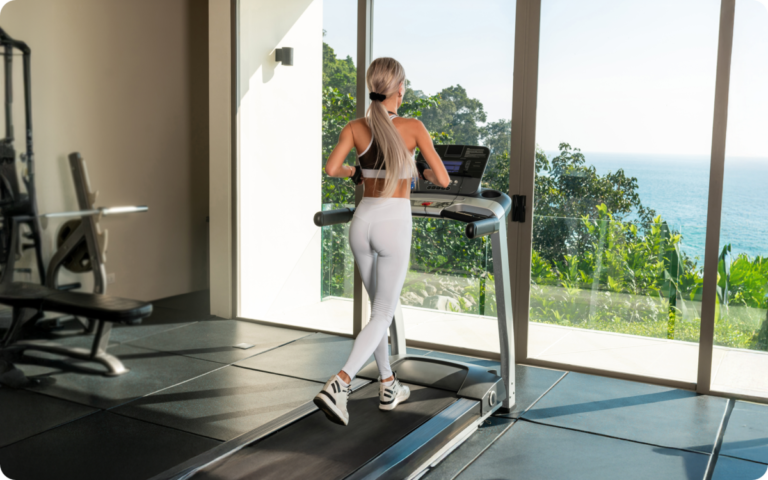
A treadmill offers a controlled, safe way to walk, jog, run, and track fitness indoors.
I have used and tested treadmills for years in gyms and at home. I know what does a treadmill do for fitness, recovery, and training. This guide explains how a treadmill works, who benefits most, and how to pick and use one safely. Read on for clear tips, real-life lessons, and easy steps you can use today.

How a treadmill works
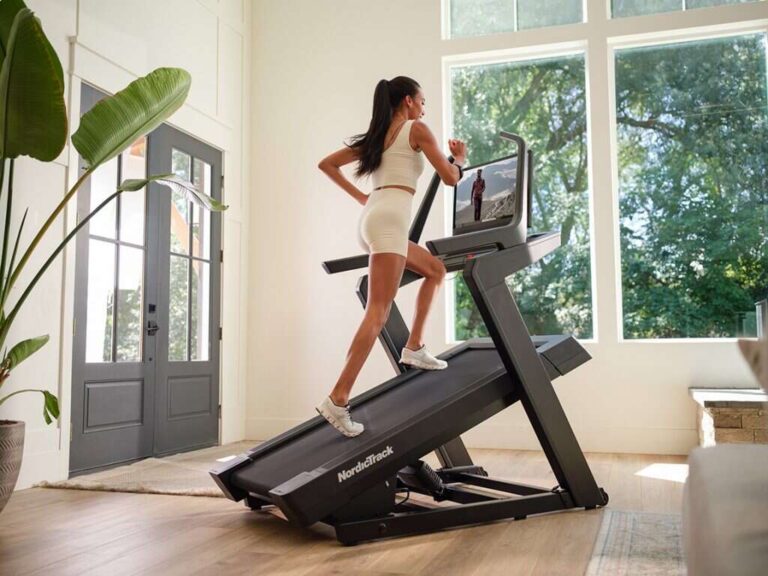
A treadmill moves a wide belt under your feet. You walk, jog, or run while the belt turns. The motor controls speed and some models change incline. The console shows time, distance, speed, and heart rate data. Sensors and safety keys add protection. That simple setup answers the basic question what does a treadmill do: it lets you move indoors with control over pace and incline.
A few key parts explained:
- Belt and deck: The surface you step on and the board that supports it.
- Motor: Powers belt speed and supports your pace.
- Incline system: Tilts the deck to raise effort and mimic hills.
- Console and sensors: Track metrics and keep you safe.
what does a treadmill do for training? It lets you repeat exact paces and workouts. That makes progress easy to measure.
Main benefits of using a treadmill
A treadmill gives many clear advantages for fitness and health. Below are the main benefits and short notes on each.
- Controlled environment: You can train no matter the weather or time.
- Consistent pace: It helps you hit the exact speed you need.
- Measurable progress: Distance, time, and pace are tracked easily.
- Reduced injury risk: Good cushioning lowers impact on joints.
- Rehab and low-impact work: Walk or jog at a safe pace for recovery.
- Hill simulation: Incline builds strength without outdoor hills.
- Safety and convenience: No traffic, stable surface, and close to home.
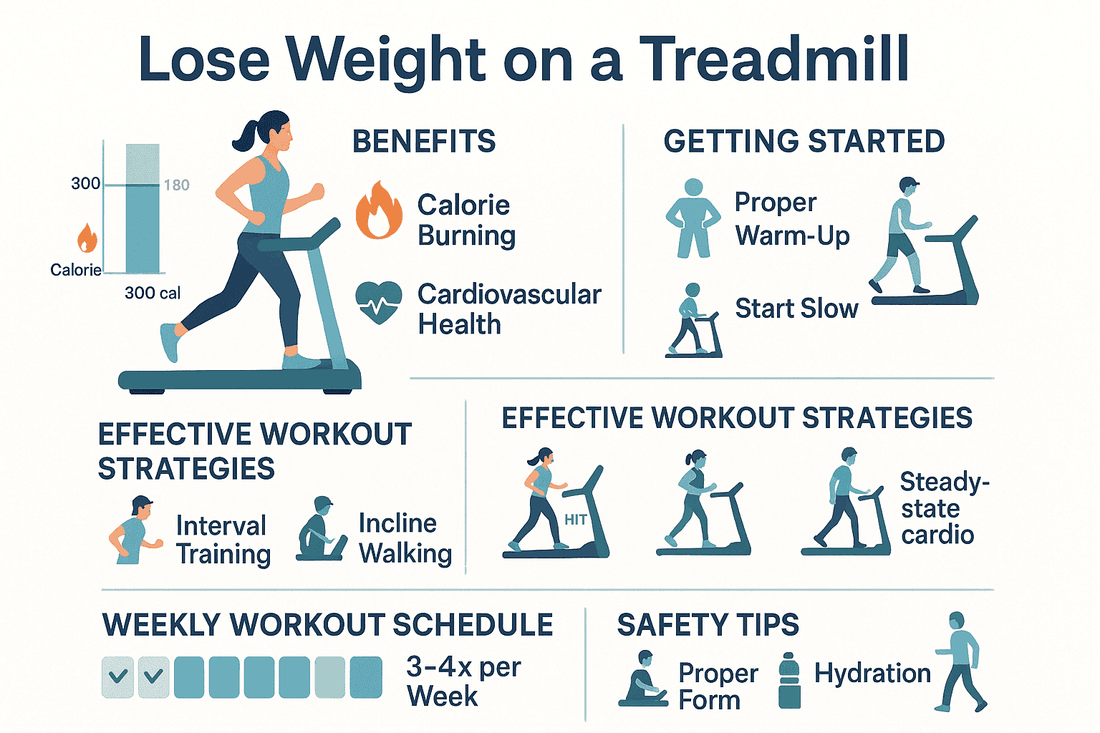
If you wonder what does a treadmill do for weight loss, the answer is simple: it helps you burn calories by controlling effort and time. Use it with diet and strength work for best results.

Types of treadmill workouts
You can do many workouts on a treadmill. Here are common styles and how they help.
- Easy walk: Builds habit and aids recovery.
- Steady-state run: Improves aerobic fitness and endurance.
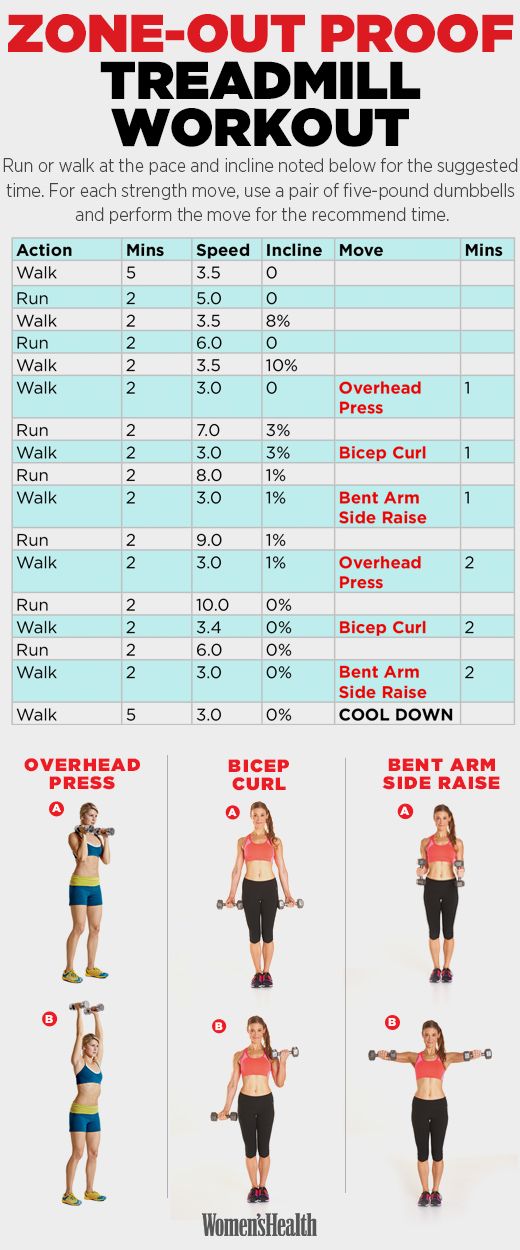
- Interval training: Short bouts of hard work with rest to boost speed and VO2 max.
- Hill repeats on incline: Strengthens legs and increases calorie burn.
- Tempo run: Sustained effort near race pace to raise threshold.
Common user questions and short answers:
Can a treadmill help you lose weight?
Yes. Regular treadmill workouts burn calories and improve metabolism when paired with good nutrition.
Is running on a treadmill easier than outdoors?
Often yes. No wind and a softer surface can make treadmill runs feel easier, but incline settings can match outdoor effort.
How many calories does running on a treadmill burn?
Calories vary by weight, speed, and time. A rough estimate is 100 calories per mile for many people, but individual numbers differ.
what does a treadmill do for speed work? It gives precise speed control so you can hit intervals to improve pace.

Safety and best practices
A treadmill is safe when used correctly. Follow these practical tips.
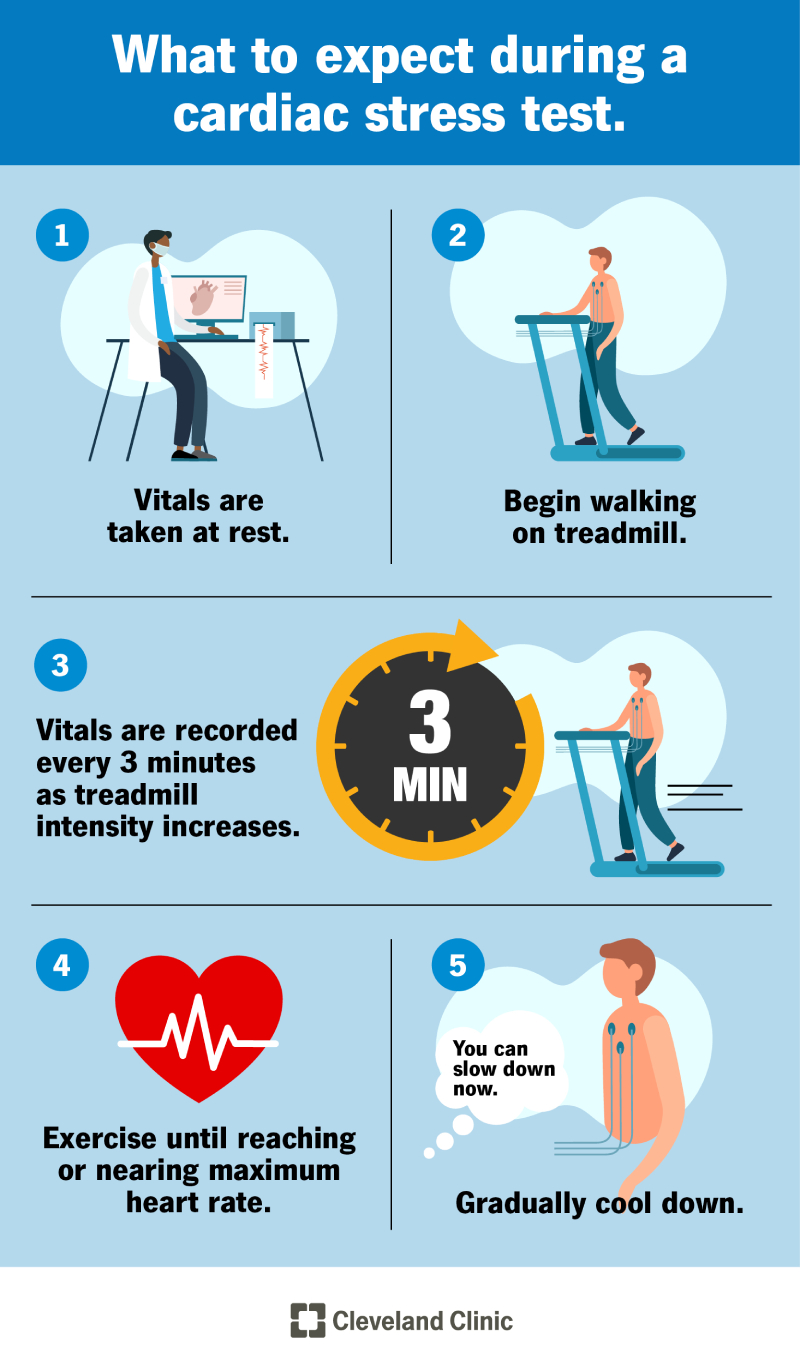
- Warm up for 5 to 10 minutes: Start at a slow pace to wake up muscles.
- Use proper shoes: Supportive running shoes reduce injury risk.
- Watch your posture: Keep a tall spine, relaxed shoulders, and a steady gaze.
- Use the safety key: Clip it to your clothing to stop the belt if you fall.
- Stay hydrated: Have water within reach for longer sessions.
- Start slow: Raise time and speed in small steps each week.
- Maintain the machine: Clean the deck and check belt tension per instructions.
I learned the hard way to always clip the safety key. A slip once taught me to keep speed low until I feel steady.
Limitations and common misconceptions
Treadmills are useful, but they are not perfect. Be clear on limits and myths.
- No real wind resistance: Outdoor runs feel harder due to air and terrain.
- Monotony: Some people find treadmill exercise boring without variety.
- Upper body work: Treadmills focus on lower body; add strength training for balance.
- Overuse risk: Too much running, even on a treadmill, can cause injury.
- Cost and space: Good treadmills take room and money.
what does a treadmill do not replace? It won’t fully replace the skill and terrain of outdoor running. Use both for a balanced plan.
Choosing the right treadmill
Pick one that fits your goals, space, and budget. Key specs to check:
- Motor power: Look for 2.5 CHP or higher for regular runners.
- Belt size: Aim for 20 by 55 inches or larger for taller users.
- Max speed and incline: Ensure it meets your training needs.
- Cushioning: Models vary; try for comfort and mild shock absorption.
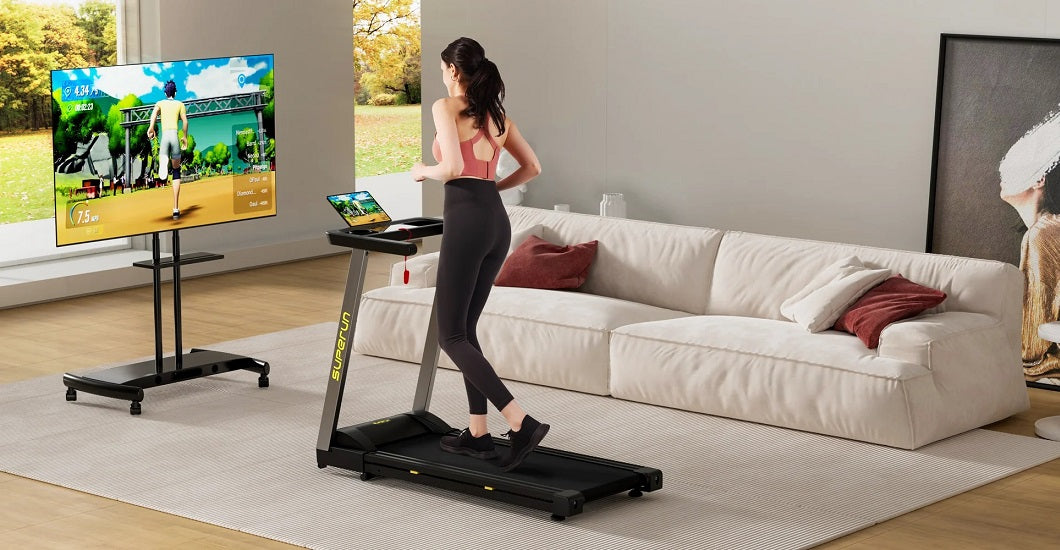
- Console features: Heart rate, programs, and Bluetooth can help track progress.
- Build and warranty: A strong frame and good warranty matter long term.
- Noise and footprint: Consider neighbors and room size for quiet units.
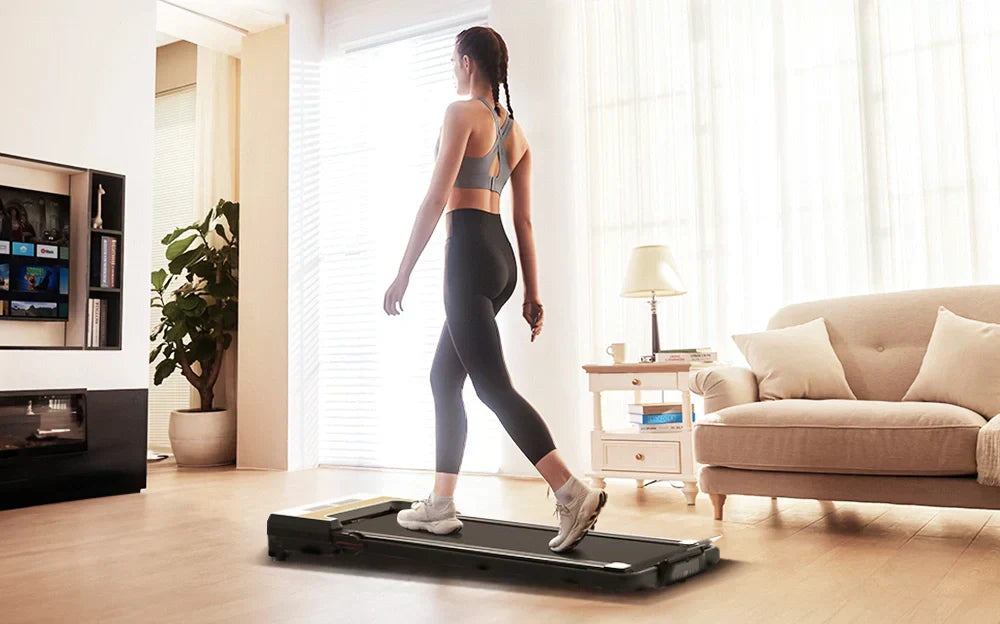
what does a treadmill do for families? A compact model can work for regular walking and light runs. A stronger model suits frequent runners.
Personal experience and practical tips
I have used treadmills for warm-ups, rehab, and race training. I learned a few simple lessons.
- Start with short sessions when you begin. Ten minutes is fine at first.
- Mix incline and intervals to break boredom and improve fitness.
- Track small wins: Faster pace, longer time, or less rest shows progress.
- Avoid holding handrails. They change your form and reduce effort.
- Do basic maintenance: Wipe sweat, check bolts, and lubricate as suggested.
My best tip: schedule treadmill days like appointments. Habit beats willpower.
Frequently Asked Questions of what does a treadmill do
What does a treadmill do for fitness?
A treadmill provides a consistent place to walk, jog, or run. It helps improve endurance, heart health, and calorie burn.
Can a treadmill replace outdoor running?
It can replace some outdoor runs for training and convenience. However, outdoor runs add terrain and wind that build different strength and skill.
Is treadmill running hard on the knees?
Modern treadmills have cushioning that reduces impact. With proper shoes and form, most people find them easier on knees than hard pavement.
How often should I use a treadmill to see results?
Use it three to five times a week for steady progress. Pair workouts with strength training and good nutrition for best results.
Can I lose weight using a treadmill?
Yes. Regular treadmill workouts burn calories and help create a calorie deficit. Combine exercise with a balanced diet for consistent weight loss.
Is incline training on a treadmill useful?
Yes. Incline training builds leg strength and increases calorie burn without faster speeds. It simulates hills and improves fitness.
Conclusion
A treadmill gives you a safe, measured way to walk, jog, and run indoors. It helps you train with control, track progress, and fit workouts into a busy life. Use smart workouts, keep safety in mind, and choose a model that meets your needs. Try a short plan this week: three sessions of 20 to 30 minutes with mix of pace and incline. Share your results or ask a question below and subscribe for more practical fitness guides.

Brandon Knoxley is a sport & fitness writer and training guide contributor at MySportFitHub. He focuses on practical workouts, performance-based training, and honest fitness gear insights designed for real people and real results. Brandon is passionate about helping beginners and active individuals train smarter, avoid common mistakes, and build sustainable fitness habits.