
Best Treadmill For Triathlon Training: Top Picks
The best treadmill for triathlon training balances speed, incline, stability, belt comfort, and smart workout control.
You may finish a swim before work, ride at lunch, then face rain, heat, or darkness when it is time to run. A dependable treadmill solves that problem by keeping your run training on schedule. I looked at motor power, deck size, incline, folding design, weight capacity, connectivity, and daily ease of use. The models below suit different triathletes, from serious runners who need steady tempo work to beginners who need a compact machine for easy brick sessions. Always confirm current price, warranty, and specifications before ordering, since Amazon listings can change.
Horizon Fitness 7.4 AT Treadmill
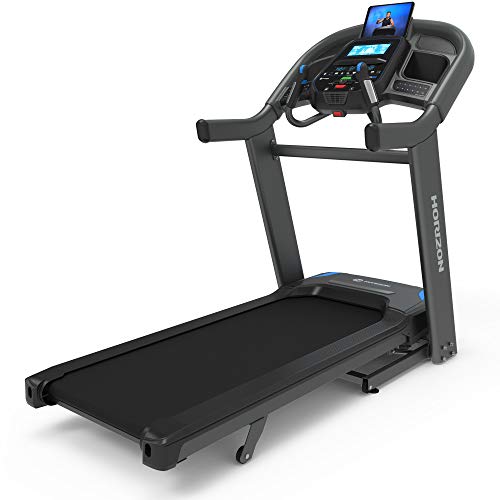
The Horizon Fitness 7.4 AT is the strongest all-around choice in this group for triathletes who plan to run often. Its 3.5 CHP motor, firm frame, incline control, and 350-pound capacity give it the feel of a serious home running machine. The wide running surface also gives tired athletes more room to settle into a natural stride. That matters after a long bike ride, when balance and form can fade.
Horizon designed this treadmill for indoor running rather than only slow walking. Bluetooth support helps connect compatible training apps, watches, and entertainment devices, although app features can vary by service. The folding frame saves some space, but this is still a large, heavy treadmill that needs a proper training area. For athletes who want the best treadmill for triathlon training at home, this model offers the best blend of power, comfort, and control.
Pros:
- Strong motor for frequent running and interval work
- 350-pound weight capacity supports many body types
- Incline control adds hill training without outdoor terrain
- Stable frame reduces movement during fast efforts
- Bluetooth supports connected training and entertainment
- Folding design helps with storage when space allows
Cons:
- Large footprint may not suit a small apartment
- Heavy construction makes setup and moving difficult
- Premium price may exceed a beginner’s budget
My Recommendation
I recommend the Horizon 7.4 AT for committed triathletes who want one treadmill for easy runs, tempo work, hill repeats, and brick sessions. Its stable deck feels reassuring when you step off the bike and start running indoors. It also suits larger runners who need more capacity and a stronger frame. I would choose it over a small walking pad for athletes preparing for an Olympic-distance, half-Ironman, or full-distance event.
| Best for | Why |
|---|---|
| Frequent triathlon runners | Powerful motor and stable deck handle regular training. |
| Hill and interval sessions | Incline control adds useful workout variety. |
| Larger athletes | High weight capacity and a roomy build improve comfort. |
WalkingPad 3.0HP Incline Treadmill

This WalkingPad treadmill targets athletes who value a small footprint and flexible home use. The listed 3.0HP motor and 9 percent incline provide more training range than a basic under-desk walking pad. Its compact format can work well in a bedroom, office, or small training corner. That makes it useful when space, not motivation, blocks your next run.
I see this as a better fit for walking, easy jogging, and short brick runs than for high-mileage race preparation. A compact deck may feel less forgiving during fast running, especially for tall athletes with a long stride. The incline can still raise heart rate and build strength without demanding top speed. For a beginner seeking the best treadmill for triathlon training on a tight budget and in a tight room, it deserves a close look.
Pros:
- Compact design fits smaller rooms
- Incline adds useful cardio and strength work
- 3.0HP rating supports walking and light running
- Convenient choice for indoor brick workouts
- Simple format may be easier to store than a full treadmill
- Useful for low-impact recovery sessions
Cons:
- Shorter compact design may limit long-stride runners
- May not match a full-size treadmill for hard intervals
- Small machines can feel less stable at higher speeds
My Recommendation
I recommend this WalkingPad for new triathletes, apartment dwellers, and athletes who need a secondary machine for easy miles. It can help you stay consistent when outdoor weather turns bad or when a short indoor run must fit between work and family duties. I would not make it my first pick for advanced athletes who run many miles each week. Still, its space-saving design gives it strong value for light-to-moderate triathlon training.
| Best for | Why |
|---|---|
| Small homes | The compact layout uses less floor space. |
| New triathletes | It supports simple walking, jogging, and incline work. |
| Recovery days | Low-impact indoor movement helps maintain routine. |
AoraPulse Compact Folding Treadmill

The AoraPulse is a compact electric treadmill built for basic home walking and running. Its folding design and 300-pound capacity make it attractive to people who need a machine that can disappear after a workout. The LED display keeps key information easy to see during a session. I like this approach for athletes who want simple controls rather than a large entertainment console.
This treadmill makes the most sense for easy aerobic runs, warmups, walking, and short indoor brick workouts. It is not the type of machine I would choose for daily speed sessions or long simulated race runs without first checking its belt size and maximum speed. Compact treadmills often trade some running space and frame mass for portability. Even so, it can be a practical entry point for someone searching for the best treadmill for triathlon training without a large budget.
Pros:
- Folding design helps clear floor space
- 300-pound capacity suits a broad range of users
- LED display makes basic metrics easy to read
- Simple controls reduce setup time
- Useful for walking and easy aerobic sessions
- Compact size suits home offices and guest rooms
Cons:
- Compact deck may feel limited for fast running
- Basic display offers fewer training tools than premium models
- Less suitable for advanced daily mileage
My Recommendation
I recommend the AoraPulse for beginners, casual triathletes, and people who need a low-cost backup for bad-weather days. It can help you build the habit of short runs after cycling without taking over the room. Athletes with a long stride should measure the usable belt area before buying. Overall, it offers useful value when easy training and simple storage matter more than advanced performance features.
| Best for | Why |
|---|---|
| Budget buyers | It focuses on basic exercise without a complex console. |
| Guest rooms and offices | Folding storage helps preserve room function. |
| Easy brick runs | It keeps short post-bike runs convenient. |
3G Cardio Pro Runner X Treadmill

The 3G Cardio Pro Runner X takes a more serious approach to home running. Its heavy-duty build, orthopedic belt, low step-up height, and 350-pound capacity stand out for athletes who want a stable platform. FreeSync FTMS Bluetooth can support compatible training connections, but exact app control depends on the software and device used. The low step-up design also helps users who prefer easier access.
This treadmill has the traits I look for in a triathlon machine: a solid base, a comfortable belt, and enough strength for repeat use. It may appeal to runners who dislike the harsh feel of thin decks or lightweight frames. Folding storage adds convenience, though a heavy treadmill still needs care during movement. If durability and joint-friendly comfort rank above flashy features, this could be the best treadmill for triathlon training for your home gym.
Pros:
- Heavy-duty construction supports regular use
- 350-pound capacity offers broad user support
- Orthopedic belt may feel kinder during long sessions
- Low step-up height improves access
- FTMS Bluetooth supports compatible training devices
- Folding design gives some storage flexibility
Cons:
- Heavy frame can be hard to move alone
- Connected features require compatible apps or devices
- Premium construction may raise the purchase cost
My Recommendation
I recommend the Pro Runner X for serious home runners, heavier athletes, and triathletes who place comfort and stability first. It is a strong choice for steady aerobic work, long indoor runs, and frequent weekly use. The orthopedic belt and low step-up height can also help athletes who want a more forgiving platform. Check the current warranty and installation terms before purchase, as those details affect long-term value.
| Best for | Why |
|---|---|
| Durability-focused athletes | The heavy-duty frame is built for repeated sessions. |
| Joint-conscious runners | The belt and stable deck support a smoother feel. |
| Connected training | FTMS Bluetooth can link with compatible equipment. |
Training Plans for Multisport Athletes

This book is not a treadmill, but it can improve how you use one. A triathlete needs more than a machine; they need a plan that balances swim, bike, run, rest, and race goals. A structured multisport guide can help you decide when to use easy treadmill miles, incline work, tempo runs, and brick sessions. That structure prevents every indoor run from becoming a hard run.
I value training books because they turn equipment into a clear process. The right plan can also help you manage fatigue, which matters when three sports compete for the same recovery time. Use the book with current guidance from a qualified coach, especially if you have an injury or medical concern. For shoppers comparing the best treadmill for triathlon training, this is a useful companion rather than a replacement for a treadmill.
Pros:
- Helps organize swim, bike, and run training
- Supports better pacing and recovery choices
- Useful for athletes at more than one race distance
- Can make treadmill sessions more purposeful
- Does not require batteries, charging, or setup
- Easy to keep beside a home training area
Cons:
- It does not provide physical running equipment
- A plan may need changes for individual fitness levels
- Printed guidance may not reflect every 2026 app feature
My Recommendation
I recommend this guide for beginners who feel lost when building a triathlon schedule and for experienced athletes who want more structure. It pairs especially well with the Horizon or 3G Cardio treadmill because both machines support regular run training. Read the plan as a framework, not a command, and adjust it for sleep, stress, and soreness. Its value comes from helping you train with purpose and avoid random hard days.
| Best for | Why |
|---|---|
| New triathletes | It gives multisport training a clear structure. |
| Brick-session planning | It helps place bike-to-run work in a weekly plan. |
| Self-coached athletes | It offers ideas for building a balanced schedule. |
Garmin Forerunner 570 42mm Whitestone

The Garmin Forerunner 570 is a training watch, not a treadmill, but it can make indoor run work easier to measure. A 42mm case suits athletes who prefer a smaller, lighter watch on the wrist. Garmin’s Forerunner line is designed around running and multisport data, so it can help track pace, time, heart rate, and workout progress. Exact features can depend on software, sensors, and the current model configuration.
A watch becomes most useful when you repeat the same workout and compare results over time. Pair it with a compatible heart-rate strap when you want more consistent effort data during hard intervals. Indoor GPS can be limited, so treadmill pace may require calibration or foot-based data for better accuracy. As part of the best treadmill for triathlon training setup, this watch helps turn each session into useful feedback.
Pros:
- Small 42mm format may suit slimmer wrists
- Designed for running and multisport use
- Tracks key training metrics in one device
- Useful for pacing indoor workouts
- Can support post-workout review and trend tracking
- Light design may feel comfortable during long sessions
Cons:
- A watch cannot replace a treadmill or coach
- Indoor pace may need calibration
- Advanced features may require compatible sensors or services
My Recommendation
I recommend the 42mm Forerunner 570 for triathletes who want a compact training watch for treadmill, road, bike, and swim work. It is a good match for smaller wrists or anyone who dislikes a large watch during sleep and recovery tracking. Use the treadmill display and watch together until you know which pace reading is more reliable for your setup. It adds the most value when you review trends instead of chasing one perfect workout.
| Best for | Why |
|---|---|
| Small wrists | The 42mm case offers a lighter, compact fit. |
| Multisport tracking | It brings run and triathlon data into one watch. |
| Workout review | Stored data helps show progress over time. |
Garmin Forerunner 570 42mm Bone/Mango

This Bone/Mango version of the Forerunner 570 offers the same compact watch concept with a different color style. That may sound minor, but athletes wear a training watch all day, not just during a workout. A comfortable fit and a screen that you can read quickly matter when you move from bike to treadmill. The watch can help you record sessions and keep your training rhythm visible.
For treadmill use, I would focus less on color and more on fit, sensor pairing, and indoor pace accuracy. A smaller watch can feel less distracting during fast arm movement, while a heart-rate strap may improve effort tracking. Like any wearable, it cannot judge fatigue perfectly or replace sound training habits. It works well beside a quality treadmill and a written plan.
Pros:
- Compact size suits many smaller wrists
- Distinct color adds personal style
- Supports multisport workout tracking
- Useful for monitoring time, pace, and heart rate
- Helps athletes review training consistency
- Works as an everyday watch as well as a sport tool
Cons:
- Color choice does not change core training ability
- Indoor pace readings may vary without calibration
- Extra sensors can increase total cost
My Recommendation
I recommend this version for athletes who want the compact Forerunner 570 format and prefer the Bone/Mango finish. It suits triathletes who track many short sessions and want one device for the full training week. Choose it by fit and feature needs first, then select the color you will enjoy wearing. It is a useful accessory for the best treadmill for triathlon training, but the treadmill itself still determines running comfort.
| Best for | Why |
|---|---|
| Style-conscious athletes | The color gives the watch a distinct daily look. |
| Compact wrist fit | The 42mm case keeps the profile small. |
| Daily training records | It helps store and review multisport sessions. |
Garmin Forerunner 570 42mm Black

The black 42mm Forerunner 570 is the understated option for athletes who want a watch that fits training and daily life. Its compact shape can stay out of the way during treadmill intervals, strength work, and bike sessions. A multisport watch also helps you view training as one connected picture instead of three separate sports. That is useful when your goal is to arrive at race day healthy and ready.
I like black equipment for practical reasons: it blends with most clothing and tends to look clean in a busy training routine. The watch still needs correct setup, especially for indoor pace and heart-rate data. Use a consistent treadmill speed, a known workout, and the same sensors when comparing results. This makes the device more useful than simply watching numbers change from day to day.
Pros:
- Neutral color suits work and everyday wear
- Compact 42mm design keeps wrist weight low
- Useful for running and multisport sessions
- Supports consistent workout records
- Can complement treadmill heart-rate training
- Simple style works for many athletes
Cons:
- Small screen may not suit users who want large text
- Indoor pace can need calibration
- Wearable features may require learning and setup time
My Recommendation
I recommend the black model for athletes who want a discreet, compact training watch with everyday appeal. It is especially useful for triathletes who move between work, travel, and training and do not want to change watches. Pair it with a reliable treadmill and, when needed, an external heart-rate sensor. It offers strong practical value if you prefer quiet design and steady data over a large watch face.
| Best for | Why |
|---|---|
| Daily wear | The black finish fits sport and casual clothing. |
| Indoor intervals | It provides quick access to workout data. |
| Minimalist athletes | The compact design avoids a bulky wrist feel. |
3-in-1 Foldable Incline Treadmill

This 3-in-1 treadmill focuses on flexibility, with a foldable design, walking-pad mode, and listed 12 percent incline. That incline is useful for hill walking, strength work, and raising effort without relying only on speed. The compact format can suit a home office or small room. It may also let one household use the machine for walking, jogging, and general fitness.
I would treat it as a versatile light-to-moderate training tool rather than an automatic race treadmill. Compact 3-in-1 designs can have a smaller belt and lighter frame than dedicated running machines. Check the running surface, speed range, weight rating, and warranty before using it for hard sessions. For a beginner who wants the best treadmill for triathlon training plus a walking pad for daily use, this format can be appealing.
Pros:
- 12 percent incline supports hill-style workouts
- 3-in-1 design offers several use modes
- Foldable format helps with storage
- Useful for walking, jogging, and general fitness
- Can fit a home office or small training space
- Incline work can add variety to easy sessions
Cons:
- Compact belt may limit fast running comfort
- Light designs may move more during hard efforts
- Specifications can vary by listing and configuration
My Recommendation
I recommend this treadmill for beginners, walkers, and triathletes who want one compact machine for many household uses. The incline gives it more training value than a flat walking pad, while the foldable design keeps storage simple. It is best for short brick runs, incline walks, and easy aerobic sessions. If you plan frequent long runs, choose a heavier full-size model instead.
| Best for | Why |
|---|---|
| Incline walking | The listed 12 percent grade increases workout demand. |
| Small spaces | Its foldable design supports flexible storage. |
| Multi-use homes | Several modes suit walking, jogging, and fitness. |
Garmin Forerunner 570 47mm Whitestone

The 47mm Forerunner 570 offers a larger case for athletes who want more screen space than the 42mm models. A larger display can make pace, time, and workout prompts easier to read while running. That small advantage matters when you do not want to turn your wrist or slow down during an interval. The Whitestone/Turquoise color also gives the watch a bright, sporty look.
The larger size may suit bigger wrists, but comfort should guide the choice. A watch that feels loose, heavy, or distracting can become annoying during a long brick workout. As with the smaller versions, indoor treadmill pace may need calibration, and an external heart-rate sensor can improve effort data. This watch is a strong training companion for athletes who value screen visibility beside their treadmill.
Pros:
- Larger display improves at-a-glance viewing
- Useful for multisport training and race preparation
- Bright color gives the watch a sporty appearance
- Supports treadmill workout tracking
- Helpful for athletes who prefer larger text
- Can organize data from the full training week
Cons:
- 47mm case may feel large on smaller wrists
- Larger size can be more noticeable during sleep
- Indoor pace accuracy still depends on setup and sensors
My Recommendation
I recommend the 47mm model for athletes with medium-to-large wrists or anyone who wants a more readable screen. It works well for treadmill intervals because you can glance at data with less effort. Measure your wrist and compare the case size before buying, especially if you prefer a low-profile watch. Used with a stable treadmill, it can make structured triathlon sessions easier to follow.
| Best for | Why |
|---|---|
| Large-screen fans | The 47mm case offers more viewing area. |
| Structured workouts | Prompts and metrics are easier to check in motion. |
| Medium-to-large wrists | The larger case may give a better proportion. |
How I Evaluate a Treadmill for Triathlon Training
A triathlon treadmill must do more than move a belt. It should support the way triathletes really train: easy runs when tired, short brick runs after cycling, controlled tempo work, and occasional incline sessions. I start with motor quality and frame stability because speed changes expose weak construction quickly. A treadmill that shakes during a fast finish can break rhythm and reduce confidence.
I also study the running surface. A longer and wider belt gives more room to recover from a missed step, while a firm deck can feel more predictable during pace changes. Cushioning should reduce harsh impact without feeling soft or bouncy. The best treadmill for triathlon training feels like a steady road, not a trampoline.
Incline range matters because indoor terrain can otherwise feel flat and dull. Even a modest incline can raise effort, strengthen the posterior chain, and add variety to a winter plan. However, a high incline does not make a small treadmill suitable for fast running. I always weigh incline against belt size, speed control, and frame design.
Why Triathletes Need a Different Treadmill
Triathletes often run with tired legs. A runner may plan one hard workout and then rest, but a triathlete must fit that run around swimming and cycling. This makes control more important than flashy entertainment features. You need a machine that starts smoothly, changes speed without delay, and stays stable when fatigue arrives.
Brick workouts are a clear example. A ten- or twenty-minute run after a bike session teaches your body to change movement patterns while tired. You do not need a huge screen for that session. You need a reliable speed, a safe handrail, enough belt space, and a place to track effort.
Indoor training also helps when weather ruins a schedule. Heat, smoke, snow, heavy rain, and unsafe roads can interrupt a race plan. A home treadmill gives you a dry, repeatable surface. It cannot copy every outdoor detail, but it can preserve your weekly run habit.
Key Features to Check Before Buying
Motor: Look for a treadmill built for running, not only walking. CHP ratings can help compare models, but they do not tell the whole story. Frame quality, belt design, cooling, warranty, and user reports matter too. A strong treadmill should hold speed during intervals without sounding strained.
Belt size: A short deck may work for walking but feel cramped at running speed. Taller runners often need extra length because their stride grows as pace rises. Measure the available room and compare it with the treadmill’s usable running area. Do not rely only on the total machine length.
Speed control: Triathlon plans often include easy, steady, tempo, and interval efforts. Buttons that allow fast changes help you follow those workouts without breaking form. Smooth acceleration also matters during a brick run when your legs already feel heavy.
Incline: Incline lets you add hills without leaving home. It can also help you control effort when the treadmill speed feels too high or too low. Use incline with care, since steep grades can load the calves and Achilles tendon.
Deck comfort: A deck should feel stable and predictable. Too much bounce can make pace control difficult, while a harsh deck may increase discomfort over time. Your shoes, running form, body weight, and workout length all affect how the deck feels.
Connectivity: Bluetooth and FTMS support can connect a treadmill to certain watches, apps, and training platforms. Compatibility is not universal, so check the exact app before buying. A connected machine is useful, but it should not outweigh a poor belt or weak frame.
Noise: A quiet motor helps if you train early, late, or near family members. Belt noise also depends on lubrication, alignment, floor type, and runner weight. A rubber mat can reduce vibration and protect the floor.
Warranty and service: A home treadmill is a large machine with moving parts. Review the motor, frame, parts, and labor coverage. Also check whether the manufacturer offers realistic service in your area. A low price loses appeal when a repair becomes difficult.
Treadmill Workouts That Help Triathletes
For an easy run, set a pace that lets you speak in short sentences. Keep the incline near flat unless your plan says otherwise. This session builds aerobic volume without adding too much stress after swimming or cycling. It may feel simple, but easy miles are the bricks that hold a race plan together.
For a tempo workout, warm up first, then run at a controlled hard effort. You should feel focused, not out of control. Use the treadmill to keep pace honest and remove hills that may disturb the test. Finish with a gradual cool-down.
For incline repeats, use a moderate speed and short uphill blocks. Keep your posture tall and avoid pulling on the rails. Walk or jog easily between repeats. This workout can build strength, but it should not replace all flat running.
For a brick run, finish the bike session, change shoes, and step onto the treadmill safely. Start slower than your target pace for the first few minutes. Let your legs find their rhythm before adding speed. This simple routine teaches the transition that often feels strange on race day.
Safety and Setup Tips
Leave clear space around the treadmill, especially behind the deck. Keep the safety key attached and learn where the stop button sits before your first hard workout. Do not step onto a moving belt at high speed. If you feel chest pain, severe dizziness, or unusual shortness of breath, stop and seek medical help.
Place the treadmill on a level floor and use a suitable mat when needed. Follow the manual for belt lubrication and alignment. Dust and sweat can affect moving parts, so wipe the machine after workouts. A few minutes of care can protect a large investment.
Hold the handrails only when mounting, dismounting, or changing balance. Holding them during incline work changes your posture and reduces the training effect. Look forward instead of down at your feet. Good indoor form should resemble good outdoor form.
How to Choose Between These Products
Choose the Horizon 7.4 AT if you want a full-size treadmill for serious running. It is the safest recommendation for athletes who expect regular mileage and demanding sessions. Choose the 3G Cardio Pro Runner X if belt comfort, low step-up height, and heavy construction matter most. Both models are better long-term choices for advanced training than small walking machines.
Choose the WalkingPad, AoraPulse, or 3-in-1 model when space and price lead the decision. These machines can keep a beginner active and make short indoor runs easier to complete. They may not offer the same belt room or stability as a full-size treadmill. Measure carefully and match the machine to your actual pace and stride.
The Garmin watches and training book support the process. A watch helps track effort, while a plan helps decide what effort belongs on each day. Neither product fixes poor recovery or random training. Used with care, both can turn an ordinary home workout into a repeatable triathlon routine.
FAQs Of best treadmill for triathlon training
What is the best treadmill for triathlon training?
The Horizon Fitness 7.4 AT is my top overall pick because it combines a strong motor, stable construction, incline control, Bluetooth, and a high weight capacity. The 3G Cardio Pro Runner X is another excellent choice for athletes who value heavy-duty construction and belt comfort.
Do I need an expensive treadmill for triathlon training?
No. A compact model can support easy runs, walking, and short brick workouts. However, frequent runners usually benefit from a longer belt, stronger frame, smoother speed changes, and better deck comfort.
Is incline useful for triathlon running?
Yes. Incline can add hill work, increase effort, and build strength. Use it in moderation, and do not replace all flat running with steep incline sessions.
Can a Garmin watch track treadmill pace?
Yes, but indoor pace may need calibration. Treadmill speed, wrist movement, watch fit, and sensors can affect the result. A compatible foot pod or heart-rate strap may improve training data.
How long should a triathlon treadmill last?
Service life depends on build quality, use, cleaning, belt care, and user weight. Follow the manual, lubricate as directed, keep the belt aligned, and choose a model with suitable warranty coverage.
Final Verdict: Which Should You Buy?
The Horizon Fitness 7.4 AT is the best treadmill for triathlon training overall. It offers the power, stability, incline, and capacity needed for serious home run work.
For small spaces, choose a compact model. Add a Garmin watch and a clear plan to make each indoor mile count.

Brandon Knoxley is a sport & fitness writer and training guide contributor at MySportFitHub. He focuses on practical workouts, performance-based training, and honest fitness gear insights designed for real people and real results. Brandon is passionate about helping beginners and active individuals train smarter, avoid common mistakes, and build sustainable fitness habits.