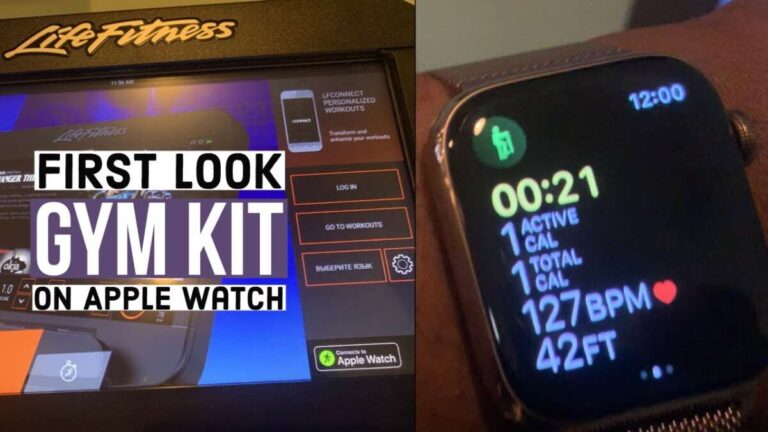
How Accurate Are Treadmill Distances: What To Know
Treadmill distances are usually accurate within a small margin, but speed, calibration, incline, and running form can affect the result.
The answer to “how accurate are treadmill distances” depends on the machine and how you use it. A well-maintained treadmill often gives a reliable distance for indoor training, but its display is not a perfect lab measurement. Understanding how treadmills count distance can help you train with more confidence and avoid common mistakes.

How Accurate Are Treadmill Distances?
For most users, treadmill distances are reasonably accurate. The displayed distance is usually based on the speed of the belt and the time it runs. If the treadmill moves at 6 miles per hour for 30 minutes, it should show about 3 miles.
Still, the number on the screen can differ from the distance you truly travel. A typical home treadmill may be close to the correct distance when it is new and properly set up. Over time, belt stretch, poor lubrication, worn parts, and calibration errors can change the result.
Commercial treadmills often provide better consistency because they receive regular service. Even then, the display may not match a fitness watch, phone app, or outdoor measurement. Each tool uses a different method to estimate distance.
The best way to think about treadmill distance is like a kitchen measuring cup. It is useful and often dependable, but it may not be precise enough for scientific testing.

How a Treadmill Measures Distance
A treadmill does not measure distance by tracking your steps. Instead, it measures belt movement.
Most treadmills use one of these systems:
• A sensor counts how many times the front roller turns.
• The treadmill uses a known roller size to estimate belt travel.
• A computer combines belt speed with workout time.
For example, if the belt moves at 5 miles per hour for one hour, the console should show 5 miles. If you walk for 30 minutes at that speed, it should show 2.5 miles.
This system works well when the belt speed is correct. If the belt slips, pauses, or moves at a speed different from the displayed setting, the distance may be wrong.
Your body position does not usually change the treadmill’s distance calculation. Holding the handrails may reduce your effort, but the belt still moves the same way. The display may show the same distance even though your workout is easier.
That difference matters. Treadmill distance tells you how far the belt moved. It does not always tell you how much work your body performed.
What Causes Treadmill Distance Errors?
Several factors can affect how accurate treadmill distances are. Some involve the machine, while others involve the way you exercise.
Poor calibration
Calibration tells the treadmill how fast its belt is moving. If the machine is not calibrated, the screen may say 6 miles per hour while the belt moves slightly faster or slower.
A small speed error can create a large distance error during a long workout. For example, a treadmill that runs 5 percent slow can show about 4.75 miles after a workout that should cover 5 miles.
Belt wear and stretch
Treadmill belts become longer and looser with use. A stretched belt may slip on the roller, especially when you speed up or run with a heavy landing.
A loose belt can also make the motor work harder. This may create uneven speed and a less reliable distance reading.
Lack of lubrication
Most treadmill belts need periodic lubrication. Without it, friction increases between the belt and the deck. The belt may slow down under your weight, even if the motor is working at the expected speed.
Always follow the care instructions for your model. Using the wrong lubricant can damage the machine.
Incorrect setup
A treadmill should sit on a stable, level surface. If it rocks or sits at an angle, the belt may not track well. Uneven placement can also increase wear on one side of the belt.
The treadmill should also have enough space around it for safe use. A crowded area may not affect the distance directly, but it can make the machine harder to inspect and maintain.
User weight and running style
A heavier runner or a person with a strong, uneven stride may place more force on the belt. This can lead to temporary speed changes on a weak or poorly maintained treadmill.
The effect is usually small on a quality commercial machine. It can be more noticeable on an older home treadmill with a small motor.

Are Treadmill Distances More Accurate Than Fitness Watches?
It depends on the device and the workout.
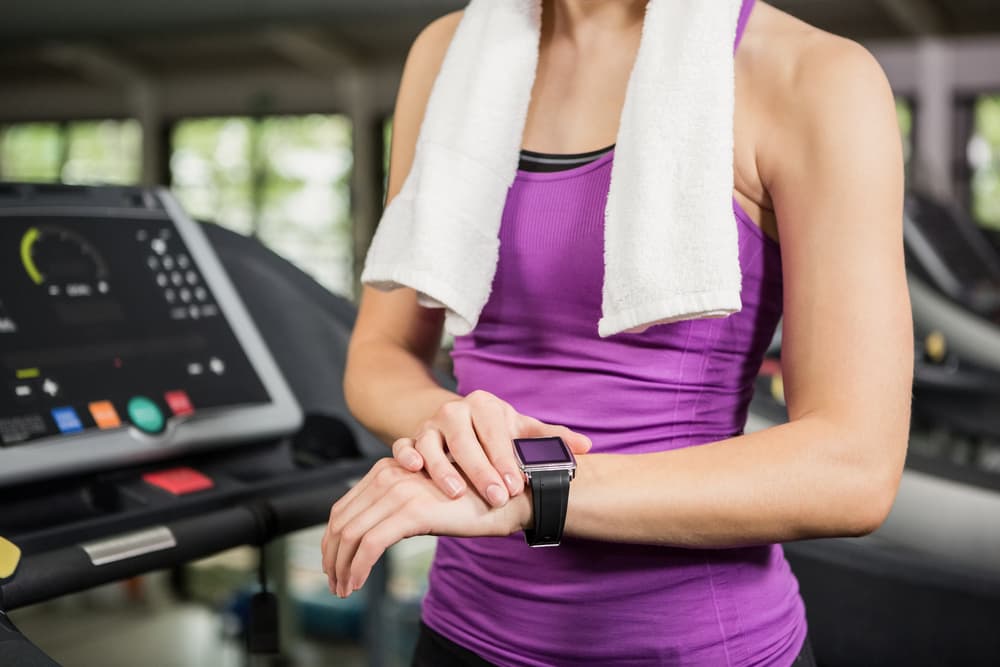
A treadmill measures belt movement directly. A fitness watch often estimates distance using GPS, arm motion, stride length, or a combination of sensors. GPS usually works well outdoors, but it can be poor indoors because satellite signals do not reach the treadmill area reliably.
For indoor running, the treadmill may provide the better distance estimate. However, some watches can learn your stride and improve their indoor distance readings over time. A foot pod can also measure pace and distance with good consistency after calibration.
Here is how common tools compare:
• Treadmill console: Measures belt movement, but may need calibration.
• GPS watch: Works best outdoors and may struggle indoors.
• Phone fitness app: Often relies on GPS or motion sensors and may be less reliable indoors.
• Foot pod: Measures foot movement and can be accurate after calibration.
• Manual track measurement: Useful for checking a treadmill but requires careful setup.
Do not be surprised if your watch shows 2.8 miles while the treadmill shows 3 miles. The difference does not automatically mean one device is broken. It may simply reflect two different measurement methods.
Does Incline Change Treadmill Distance?
Incline usually does not change the distance shown on a treadmill. The console measures how far the belt moves, not how far you travel across the ground.
A workout at 0 percent incline and a workout at 10 percent incline can show the same distance if the belt speed and time are the same. The effort, however, will be very different.
Incline increases the energy needed to move your body upward. It also changes muscle use, heart rate, and perceived effort. Research on exercise energy costs consistently shows that uphill movement requires more work than level movement.
This is why a 3-mile hill workout may feel much harder than a 3-mile flat workout. The distance is the same, but the training load is not.
When you record treadmill workouts, include both distance and incline. “Three miles at 6 percent” gives a much clearer picture than “three miles.”

Does Holding the Handrails Affect Treadmill Distance?
Holding the handrails usually does not change the distance on the display. The belt keeps moving, so the treadmill continues to count belt travel.
It can, however, reduce the physical demand of the workout. Hand support takes some weight off your legs and may change your posture. At a steep incline, leaning back while holding the rails can make the exercise much easier than walking freely.
This creates a common training mistake. Someone may think they completed a hard hill workout, but the handrails helped reduce the real workload.
Use the rails for balance when needed, especially when stepping on or off the machine. During normal exercise, keep your arms moving naturally when it is safe to do so.
How Accurate Are Treadmill Distances for Walking?
Treadmill distances are often quite dependable for walking, especially at a steady pace. Walking creates less force and belt impact than running, so a good treadmill may maintain its set speed with little variation.
Even so, the distance can be affected by:
• A loose or poorly lubricated belt
• An inaccurate speed setting
• A worn motor or roller
• Frequent changes in speed
• A console that has not been serviced
For casual walking, a small difference is rarely important. If the treadmill shows 2 miles and the true distance is slightly lower, you still completed a useful workout.
If you need accurate distance for a walking program, compare the treadmill with a measured outdoor route. Walk at a steady speed for 20 to 30 minutes, then compare the results. This will not provide a perfect laboratory test, but it can reveal a large error.
How Accurate Are Treadmill Distances for Running?
Treadmill distance can be accurate enough for most runners, but running exposes more machine problems. Each foot strike places force on the belt. If the belt slows under impact, the actual distance may be lower than the displayed distance.
Fast running can also reveal differences between the selected speed and the true speed. A treadmill set to 8 miles per hour should cover 1 mile in 7 minutes and 30 seconds. If it takes longer than that, the belt may be running slowly.
The same rule works at any speed:
-
Convert the treadmill speed into time per mile.
-
Run for a measured period.
-
Compare the expected distance with a known distance.
For instance, at 6 miles per hour, one mile should take 10 minutes. After 30 minutes, the display should show about 3 miles. If the speed is set to 6 miles per hour but the belt takes 10 minutes and 30 seconds per mile, the treadmill is not moving at the stated speed.
This simple check helped me avoid a common training error: trusting the screen without testing the machine. A treadmill can feel consistent while still being slightly fast or slow.

How to Check Treadmill Distance Accuracy
You can perform a basic distance check at home. The process will not replace professional calibration, but it can identify major problems.
Use a timed speed test
Set the treadmill to a steady speed, such as 6 miles per hour. Let the belt run for at least 10 minutes, then compare the displayed distance with the distance expected from the speed and time.
At 6 miles per hour:
• 10 minutes equals about 1 mile.
• 20 minutes equals about 2 miles.
• 30 minutes equals about 3 miles.
Repeat the test at a slower and faster speed. Some treadmill problems appear only when the belt is under greater load.
Measure belt movement
You can place a small, removable mark on the belt and measure one complete belt loop. This requires care and should be done only when the machine is off and safe.
The measured belt length, roller rotation, and displayed distance can help a technician assess calibration. Do not place your hands near moving parts.
Compare with a calibrated foot pod
A foot pod can provide a useful comparison during a steady run. Calibrate it outside over a known distance, then use it indoors.
Keep in mind that the foot pod has its own limits. Changes in stride, pace, incline, and footwear can affect its reading.
Ask for professional service
If the treadmill shows a major difference, contact the manufacturer or a qualified technician. A service professional can inspect speed sensors, belt tension, rollers, motor output, and console settings.
Avoid opening electrical parts unless you have the proper training. Treadmills contain moving components and high-voltage areas.
How to Improve Treadmill Distance Accuracy
Good maintenance is the simplest way to improve treadmill distance accuracy.
Use these habits:
• Place the treadmill on a firm, level surface.
• Keep the belt clean and free of dust.
• Lubricate the belt as the manual recommends.
• Check belt tension and alignment.
• Avoid overloading a small home treadmill.
• Let the machine warm up before demanding workouts.
• Use the correct unit setting, such as miles instead of kilometers.
• Have the treadmill calibrated when readings seem unusual.
A treadmill should not feel jerky, hesitate underfoot, or make new grinding sounds. These signs can point to belt, motor, or roller problems.
Keep a simple workout record. Write down the treadmill speed, time, distance, incline, and whether you held the rails. Patterns become easier to spot when you track them over several weeks.
Treadmill Distance vs. Outdoor Distance
A treadmill mile is still a mile of belt travel, but it may not feel like an outdoor mile. Outdoor running includes wind, turns, hills, changes in surface, and small shifts in pace. A treadmill removes many of those factors.
Some runners use a 1 percent incline to make treadmill running feel more like outdoor running. This idea comes from research on oxygen use and air resistance, but it is not a universal rule. The right incline depends on speed, room temperature, fitness level, and the type of outdoor route you want to copy.
For a flat outdoor race, use the treadmill to match time, pace, and distance. For a hilly route, include incline changes. For heat training, remember that an indoor room can become warm quickly because there is little air movement.
The most useful comparison is not always distance alone. Compare pace, heart rate, effort, and recovery as well.
Why Treadmill Distance Still Matters
Even when the reading is not perfect, treadmill distance remains useful. It gives you a repeatable way to measure indoor training.
A treadmill can help you:
• Build weekly running volume.
• Practice a target race pace.
• Complete workouts during bad weather.
• Control speed during interval training.
• Train safely in a familiar setting.
• Monitor changes in fitness over time.
Consistency is often more important than perfect precision. If the same treadmill is slightly slow, it may still help you compare one workout with another. The key is to use the same machine and note its conditions.
For runners preparing for a race, combine treadmill sessions with outdoor workouts when possible. This helps you adjust to wind, turns, terrain, and real-world pacing.
Common Mistakes When Reading Treadmill Distance
Many distance problems come from user error rather than a faulty machine.
Watch for these mistakes:
• Confusing miles with kilometers: A 5-kilometer workout is only about 3.1 miles.
• Starting the timer late: Some people begin the treadmill and start their watch several seconds later.
• Forgetting warm-up distance: The display may include every belt movement before the main workout.
• Comparing different machines: Two treadmills may not use identical calibration standards.
• Ignoring incline: Distance may match, but effort can differ greatly.
• Holding the rails: The distance stays the same, but the workout becomes easier.
• Trusting a smartwatch indoors: Wrist movement and stride changes can confuse its estimate.
One useful habit is to choose one primary measurement for each workout. If you are following a treadmill interval plan, use the treadmill for speed and distance. Use your watch mainly for heart rate and workout time.
How Accurate Are Treadmill Distances? Frequently Asked Questions
Are treadmill distances usually accurate?
Yes, most treadmills provide a useful distance estimate when they are set up and maintained correctly. Older machines, loose belts, and poor calibration can create larger errors.
Is a treadmill mile the same as an outdoor mile?
A treadmill mile represents about one mile of belt movement, but the workout may feel different outdoors. Wind, hills, turns, temperature, and surface changes affect outdoor running.
Why does my watch show a different distance from the treadmill?
A watch may estimate indoor distance from arm movement, stride length, or a foot sensor. The treadmill measures belt movement, so the two devices can disagree even when both are working normally.
Does treadmill incline affect the distance reading?
Usually, incline does not affect the displayed distance. It changes the effort and energy cost of the workout, but the belt may travel the same distance at the same speed and time.
Can a treadmill be calibrated for better accuracy?
Yes, many treadmills can be calibrated by a technician or through a manufacturer service process. Check the owner’s manual before changing calibration settings.
Is treadmill distance accurate for marathon training?
It can be accurate enough for many marathon workouts, especially when you use a reliable, well-maintained machine. Include outdoor runs too, because road surfaces, wind, turns, and race conditions cannot be fully copied indoors.
Does holding the handrails change treadmill distance?
Holding the handrails usually does not change the distance shown on the console. It can reduce the effort of the workout and make the incline feel easier.
Conclusion
Treadmill distances are usually accurate enough for walking, running, and structured indoor workouts. The reading depends on belt speed, time, calibration, maintenance, belt condition, and the quality of the machine.
Use the treadmill display as a consistent training tool, not as an unquestionable measurement. Check the speed if the distance seems unusual, maintain the belt, record incline, and compare readings with a measured route or calibrated foot pod when precision matters.
A small distance difference should not stop you from training. Focus on steady progress, smart pacing, and workouts you can repeat. If you have noticed a difference between your treadmill and watch, share your experience or explore more indoor training guides to improve your routine.

Brandon Knoxley is a sport & fitness writer and training guide contributor at MySportFitHub. He focuses on practical workouts, performance-based training, and honest fitness gear insights designed for real people and real results. Brandon is passionate about helping beginners and active individuals train smarter, avoid common mistakes, and build sustainable fitness habits.