
What Does Treadmill Do To Your Body: Benefits And Changes
Treadmills boost heart health, burn calories, and strengthen legs while improving mood and endurance.
I’ve spent years studying exercise science and coaching people of all ages, so I know exactly what treadmills do to your body. In this article I explain the physical, metabolic, and mental changes you can expect from regular treadmill use. You’ll get clear, practical guidance and real-world tips to make treadmill workouts safer and more effective, whether your goal is weight loss, better fitness, or injury-free exercise.
:max_bytes(150000):strip_icc()/InclineWalkingVSRunning-3c1b8d022a0f443c95a134102a037cf3.jpg)
How a treadmill changes your body: the big picture
A treadmill forces your body to move against resistance and at sustained speed. This creates a repeatable stimulus that raises heart rate, burns energy, and stresses muscles and joints in predictable ways. When you ask "what does treadmill do to your body," think of it as a controlled way to train the heart, lungs, legs, and metabolism.

Cardiovascular benefits: heart and lungs
Treadmill workouts increase heart rate and stroke volume. Over weeks, your heart becomes more efficient, lowering resting heart rate and improving circulation. Your lungs adapt too, with better oxygen uptake and delivery to muscles. This improves endurance and daily energy.
Muscles and strength: who benefits
Treadmill running and walking engage these muscle groups:
- Quadriceps: absorb impact and drive forward motion.
- Hamstrings: assist in propulsion and balance.
- Glutes: power each stride and stabilize the pelvis.
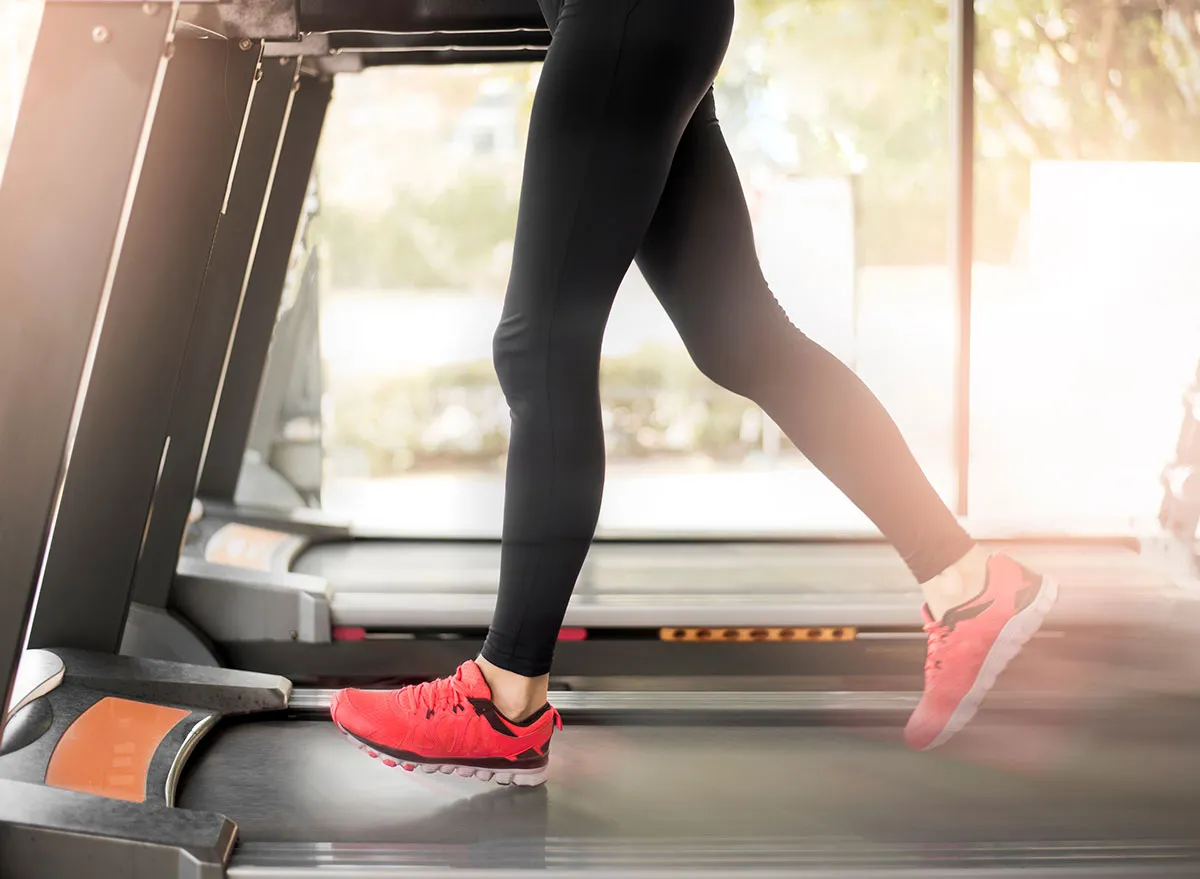
- Calves: provide push-off force and ankle control.
- Core: maintains posture and transfers force.
Regular treadmill work develops lower-body strength and muscular endurance. Incline and interval training increase muscle recruitment and can build power.

Weight loss and body composition
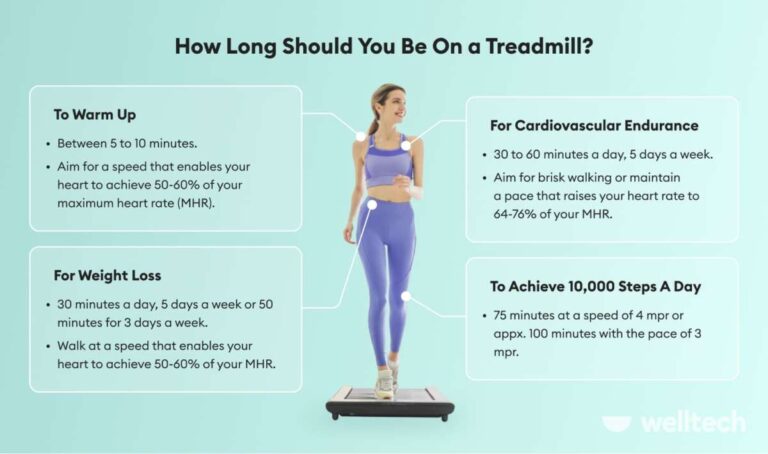
Treadmills burn calories efficiently. The total energy burned depends on speed, incline, and workout length. Consistent treadmill sessions help create a calorie deficit, which supports fat loss while preserving lean mass if you include adequate protein and resistance work.
Metabolic and hormonal effects
Treadmill workouts improve insulin sensitivity and glucose regulation. You may see better blood sugar control and reduced risk markers for metabolic disease over time. Exercise also raises endorphins and lowers stress hormones, which supports appetite control and mood.

Joints, bone health, and injury risk
The treadmill surface is softer than concrete, so it can reduce impact forces compared with outdoor running. This benefits joints for many people. However, repetitive motion and poor form can still cause overuse injuries like shin splints or IT band pain. Adding strength training and rest lowers injury risk and supports bone density.

Types of treadmill workouts and their body effects
Different treadmill sessions produce different adaptations:
- Steady-state walking or jogging: builds aerobic base and burns steady calories.
- Interval training: raises cardiovascular fitness fast and boosts calorie burn after exercise.
- Hill or incline training: increases leg strength and power and taxes the heart more.
- Tempo runs: improve lactate threshold and sustained speed.
Mixing formats gives balanced fitness and avoids plateaus.

Practical tips to get the most from a treadmill
Small changes make a big difference. Try these practical tips:
- Warm up for 5 minutes at a slow pace to prepare muscles and heart.
- Use proper form: short, quick steps and a slight forward lean from the ankles.
- Add incline to simulate outdoor terrain and recruit glutes.
- Track effort with perceived exertion or heart rate rather than speed alone.
- Rest and cross-train to reduce overuse injuries.
These habits help you progress safely and keep workouts fun.
Common mistakes and how they affect your body
Avoid these common treadmill errors:
- Holding the handrails: reduces calorie burn and alters posture.
- Too-fast progression: increases injury risk and poor mechanics.
- Ignoring incline: misses strength and metabolic benefits.
- Skipping recovery: leads to fatigue and stalled progress.
Fixing these improves results and lowers pain or setbacks.
My personal experience and lessons learned
I’ve trained clients from beginner walkers to marathoners on treadmills. Early on, I pushed speed too fast and saw knee pain in several clients. Switching to gradual progress, adding hill work, and including strength sessions fixed the problem. My rule now: steady progression, form checks, and regular strength work produce the best long-term results.
How long until you see changes?
You can expect measurable changes on this timeline:
- 1–2 weeks: mood boosts, more energy, slightly better sleep.
- 3–6 weeks: improved stamina, easier daily tasks, modest fat loss with calorie control.
- 8–12 weeks: clear cardiovascular improvements, stronger legs, and visible body-composition changes if consistent.
Individual results vary with diet, sleep, and genetics.
Safety and when to see a pro
Treadmills are safe for most people, but watch for warning signs:
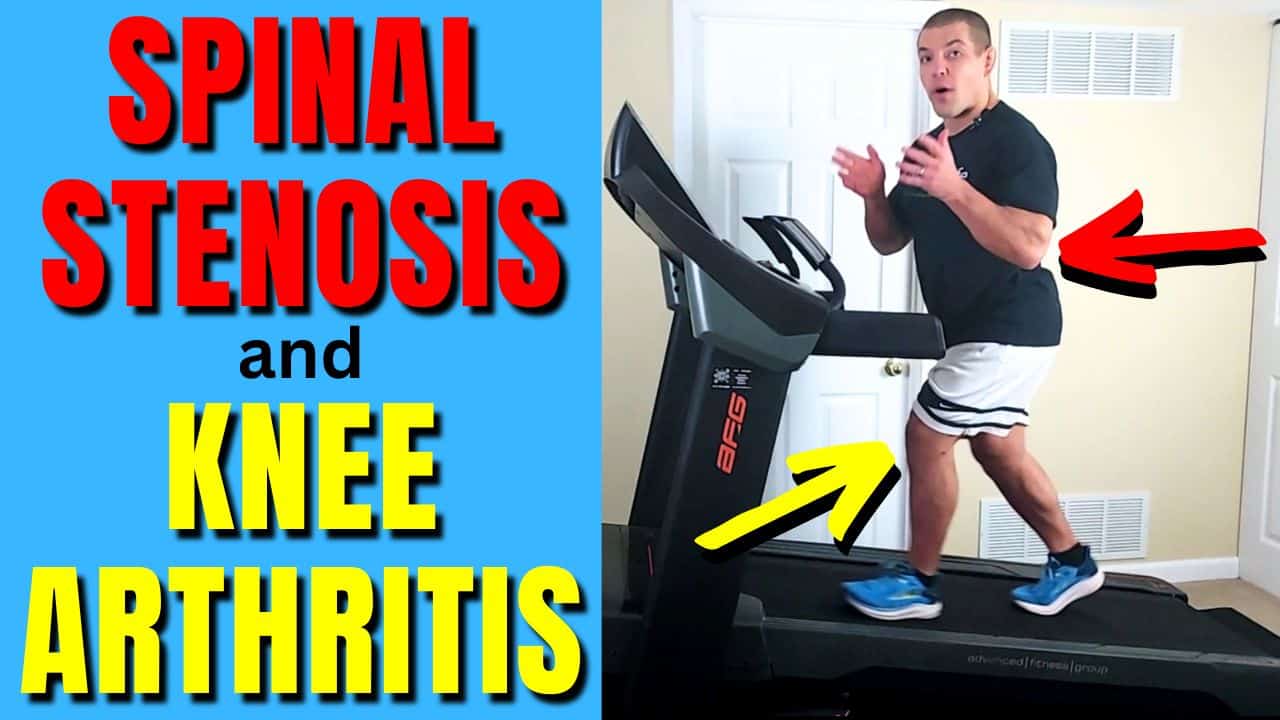
- Sharp joint pain or numbness
- Excessive shortness of breath or chest discomfort
- Dizziness or lightheadedness
If you have chronic conditions, recent surgery, or heart concerns, consult a healthcare professional before starting. A coach or physical therapist can also tailor workouts for injury prevention.
Tracking progress: simple metrics that matter
Use easy measures to track changes:
- Time and distance for consistency
- Heart rate zones to measure effort
- Perceived exertion for daily adjustments
- Photos and clothing fit for body changes
Small data points show progress and keep you motivated.
What does treadmill do to your body if you walk vs run?
Walking and running produce different stress patterns. Walking burns fewer calories per minute but is gentler on joints and ideal for daily consistency. Running raises calorie burn, loads bones more (which can improve density), and develops speed and endurance faster. Choose the mode that fits your goals and current fitness.
Frequently Asked Questions of what does treadmill do to your body
How often should I use a treadmill to see benefits?
Aim for 3 to 5 sessions per week, mixing easy and harder days. Consistency matters more than intensity early on.
Will treadmill running change my body shape?
Yes. Regular treadmill work combined with a smart diet can reduce fat and tone lower-body muscles within weeks. Adding strength training improves overall shape.
Is treadmill safer than outdoor running?
Treadmills often reduce impact and control speed, making them safer for many. However, poor form or overuse can still cause injuries.
Can I lose belly fat with treadmill workouts?
Treadmill exercise helps create the calorie deficit needed for fat loss, including around the belly. Spot reduction is not possible, so overall fat loss is key.
How do I avoid injuries on the treadmill?
Warm up, progress slowly, use proper form, and include cross-training and rest days. See a professional if pain persists.
Conclusion
Treadmills are a versatile tool that improves cardiovascular health, burns calories, strengthens lower-body muscles, and boosts mood when used correctly. Regular, varied treadmill work combined with strength training and proper recovery produces the best results while lowering injury risk. Start with short, consistent sessions, track simple metrics, and progress gradually to make lasting change. Try one focused week of treadmill work, note how you feel, and adjust from there — then share your progress or questions below to keep the momentum going.

Brandon Knoxley is a sport & fitness writer and training guide contributor at MySportFitHub. He focuses on practical workouts, performance-based training, and honest fitness gear insights designed for real people and real results. Brandon is passionate about helping beginners and active individuals train smarter, avoid common mistakes, and build sustainable fitness habits.