How Do You Say Treadmill In Spanish: Quick Guide
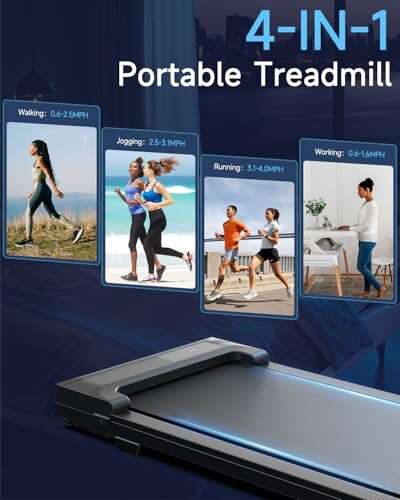
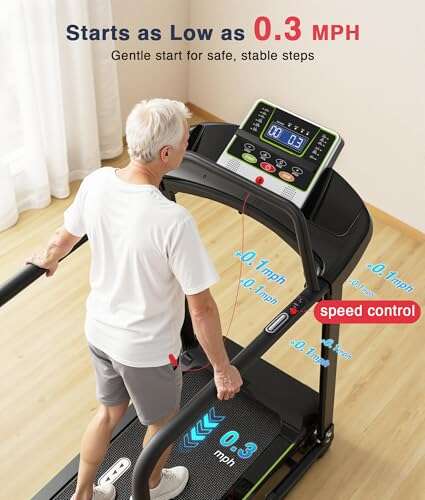
“Treadmill” in Spanish is usually “caminadora” in Latin America and “cinta de correr” in Spain.
Knowing how do you say treadmill in Spanish helps you speak naturally at a gym, understand fitness instructions, and shop for exercise equipment. The best translation depends on the Spanish-speaking country, because everyday fitness words can change from one region to another. This guide explains the main terms, pronunciation, useful phrases, and common mistakes so you can use the word with confidence.
How do you say treadmill in Spanish?
The most common translations are:
• Caminadora: widely used in Mexico, Colombia, Central America, and parts of South America
• Cinta de correr: common in Spain
• Cinta caminadora: understood in several Latin American countries
• Trotadora: used in some countries, including parts of Colombia and Chile
• Máquina para correr: a clear descriptive phrase understood almost everywhere
If you are speaking with someone from Latin America, caminadora is often the safest choice. If you are speaking with someone from Spain, cinta de correr sounds more natural.
For example:
• I use the treadmill every morning. = Uso la caminadora todas las mañanas.
• The treadmill is busy. = La caminadora está ocupada.
• She bought a new treadmill. = Ella compró una caminadora nueva.
The word treadmill does not have just one universal Spanish translation. It works much like regional words for “sneakers,” “soda,” or “car.” The object stays the same, but local vocabulary changes.

Caminadora vs. cinta de correr
Caminadora and cinta de correr refer to the same fitness machine, but they belong to different regional varieties of Spanish.
Caminadora literally relates to walking. It is common in everyday speech across much of Latin America. You may hear it at gyms, in stores, and in fitness videos made for Latin American audiences.
Cinta de correr literally means “running belt” or “running tape.” It is the standard term in Spain and appears often in Spanish fitness websites, product descriptions, and gym instructions.
Here is a simple regional guide:
• Mexico: caminadora
• Guatemala: caminadora or cinta caminadora
• Colombia: caminadora or trotadora
• Argentina: cinta de correr or caminadora
• Chile: trotadora or caminadora
• Spain: cinta de correr
• Peru: caminadora or cinta de correr
These patterns are useful, but they are not strict rules. Spanish speakers usually understand more than one term, especially in large cities and international gyms.
When helping English speakers learn how do you say treadmill in Spanish, I suggest learning caminadora first. It is easy to remember, widely understood, and natural in many conversations. Then add cinta de correr if you plan to travel to Spain.
How to pronounce treadmill in Spanish
The pronunciation depends on the term you choose.
Caminadora is pronounced approximately:
ka-mee-na-DO-ra
The stress falls on the third syllable, do. The Spanish r is light in the middle of the word. The final a is pronounced clearly, not reduced as it often is in English.
Cinta de correr is pronounced approximately:
SEEN-ta deh ko-RRER
In correr, the double r has a stronger trilled sound. If you cannot roll the r yet, use a light r. People will still understand you from context.
Trotadora is pronounced approximately:
tro-ta-DO-ra
The word begins with the same “tro” sound found in the English word “trot,” although Spanish vowels are shorter and clearer.
A useful pronunciation tip is to keep every Spanish vowel steady:
• a sounds like the a in father
• e sounds like the e in they, but shorter
• i sounds like the ee in see
• o sounds like the o in note, but shorter
• u sounds like the oo in food
Do not pronounce caminadora like an English word. Say each syllable clearly: ca-mi-na-do-ra.
Useful Spanish phrases for the treadmill
Learning the noun is helpful, but full phrases make your Spanish sound more natural. These examples work at a gym, hotel, or fitness center.
Talking about using a treadmill
• I am on the treadmill. = Estoy en la caminadora.
• I am using the treadmill. = Estoy usando la caminadora.
• I walk on the treadmill. = Camino en la caminadora.
• I run on the treadmill. = Corro en la caminadora.
• I exercise on the treadmill. = Hago ejercicio en la caminadora.
Notice the difference between en la caminadora and sobre la caminadora. Spanish speakers commonly use en la caminadora when describing exercise on the machine.
Asking about a treadmill
• Is there a treadmill here? = ¿Hay una caminadora aquí?
• Is this treadmill available? = ¿Está disponible esta caminadora?
• Can I use the treadmill? = ¿Puedo usar la caminadora?
• How do I start the treadmill? = ¿Cómo enciendo la caminadora?
• How do I stop the treadmill? = ¿Cómo detengo la caminadora?
In Spain, replace caminadora with cinta de correr:
• ¿Puedo usar la cinta de correr?
• ¿Cómo enciendo la cinta de correr?
Describing speed and incline
• Increase the speed. = Aumenta la velocidad.
• Lower the speed. = Baja la velocidad.
• Set the speed to six. = Pon la velocidad en seis.
• Increase the incline. = Aumenta la inclinación.
• Lower the incline. = Baja la inclinación.
• The treadmill is too fast. = La caminadora va demasiado rápido.
• The treadmill is too slow. = La caminadora va demasiado despacio.
A trainer may also say sube la inclinación, meaning “increase the incline,” or baja la velocidad, meaning “decrease the speed.”
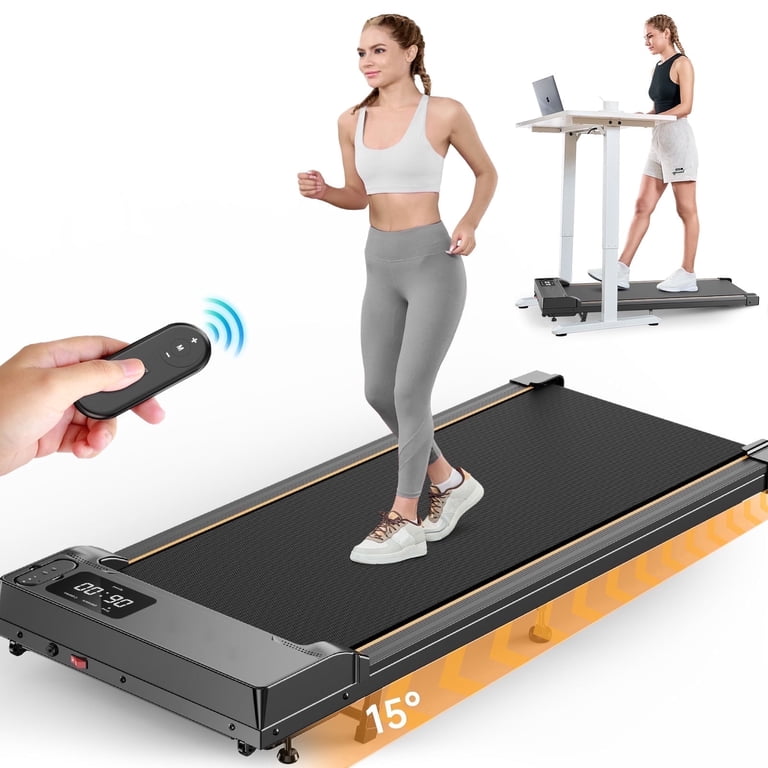
Treadmill vocabulary in Spanish
A few related words can help you follow gym conversations and instructions.
• La velocidad = speed
• La inclinación = incline
• La pantalla = screen
• El botón de emergencia = emergency button
• La banda = belt
• El pasamanos = handrail
• El motor = motor
• Las calorías = calories
• El ritmo cardíaco = heart rate
• El programa de entrenamiento = workout program
• Caminar = to walk
• Trotar = to jog
• Correr = to run
• Calentar = to warm up
• Enfriarse = to cool down
The moving surface is often called la banda. For example, la banda está dañada means “the belt is damaged.” The handrails are pasamanos, while the emergency stop button is el botón de emergencia.
A natural sentence might be:
La caminadora tiene una pantalla grande y varios programas de entrenamiento.
This means:
“The treadmill has a large screen and several workout programs.”
Fitness vocabulary often uses simple verbs. Subir means to raise or increase, bajar means to lower or decrease, and mantener means to maintain. These verbs are useful for understanding instructions from a trainer.

Common mistakes when translating treadmill
One common mistake is translating treadmill as máquina de correr every time. People may understand this phrase, but it is less natural than caminadora or cinta de correr in many places.
Another mistake is using caminador instead of caminadora. Caminador usually describes a person or device that helps someone walk. For the exercise machine, use the feminine noun caminadora.
Avoid translating “I am running on the treadmill” as Estoy corriendo sobre la caminadora in every situation. This is not always wrong, but Estoy corriendo en la caminadora sounds more natural in everyday gym Spanish.
Watch the article as well:
• una caminadora = a treadmill
• la caminadora = the treadmill
• unas caminadoras = some treadmills
• las caminadoras = the treadmills
Because caminadora ends in a, it is feminine. Cinta is also feminine, so the correct phrase is la cinta de correr.
A mistake I often see from English speakers is trying to find one perfect Spanish word for every country. That approach creates stress. A better method is to learn one widely understood term, then notice the regional word used by local speakers.
How to say treadmill in different Spanish-speaking regions
Spanish is spoken across more than 20 countries, so regional vocabulary matters. The word caminadora is highly useful, but it is not equally common everywhere.
In Mexico, caminadora is the normal word in most gyms and homes. A Mexican fitness instructor might say, Ponte en la caminadora, which means “Get on the treadmill.”
In Spain, cinta de correr is more common. You may see it in gym signs, product listings, and exercise plans. A Spanish speaker could say, Voy a correr en la cinta, meaning “I am going to run on the treadmill.”
In Colombia, both caminadora and trotadora are common. The word trotadora connects to trotar, or “to jog.” In Chile, trotadora is also familiar, although caminadora may be understood.
In Argentina and Uruguay, you may hear cinta de correr, cinta caminadora, or caminadora. Local gyms may also use English fitness terms, especially for modern machines and training programs.
If you are unsure, use one of these phrases:
• ¿Cómo le dicen a esta máquina aquí? = What do you call this machine here?
• ¿Se dice caminadora o cinta de correr? = Do you say caminadora or cinta de correr?
This is a friendly way to learn local vocabulary without worrying about making a mistake.

Treadmill examples in everyday Spanish
Context helps you choose the right phrase. Here are short conversations you might hear.
At a gym
Person A: ¿Está libre la caminadora?
Person B: Sí, puedes usarla.
Translation:
Person A: Is the treadmill free?
Person B: Yes, you can use it.
The pronoun la replaces la caminadora. Since caminadora is feminine, Spanish uses la.
With a personal trainer
Trainer: Camina cinco minutos en la caminadora.
Client: ¿Con qué velocidad?
Translation:
Trainer: Walk for five minutes on the treadmill.
Client: At what speed?
The phrase con qué velocidad means “at what speed?” A trainer might also say a un ritmo cómodo, meaning “at a comfortable pace.”
In Spain
Person A: ¿Cuánto tiempo vas a estar en la cinta?
Person B: Solo diez minutos.
Translation:
Person A: How long are you going to be on the treadmill?
Person B: Only ten minutes.
In Spain, people often shorten cinta de correr to la cinta when the context is clear.
Buying exercise equipment
Quiero comprar una caminadora plegable.
This means:
“I want to buy a folding treadmill.”
Other useful shopping terms include:
• Caminadora eléctrica = electric treadmill
• Caminadora plegable = folding treadmill
• Caminadora para casa = home treadmill
• Caminadora profesional = commercial treadmill
• Caminadora silenciosa = quiet treadmill
• Caminadora con inclinación = treadmill with incline

How to remember the Spanish word
Think of caminadora as “the machine that makes you walk.” This mental link makes the word easier to recall.
For Spain, picture a running belt. That image connects naturally with cinta de correr. You can also remember that cinta means “belt” or “strip,” while correr means “to run.”
Try this three-step practice method:
- Say the word aloud five times: caminadora, caminadora, caminadora.
- Build a short sentence: Uso la caminadora.
- Change the sentence: La caminadora está ocupada.
This method is more useful than memorizing a single translation. It trains your memory to use the term in a real conversation.
In my experience helping English speakers with practical Spanish, the biggest improvement comes from speaking short sentences early. Do not wait until your pronunciation is perfect. Say caminadora clearly, listen to how native speakers respond, and adjust your accent over time.
Frequently Asked Questions About How Do You Say Treadmill in Spanish
How do you say treadmill in Spanish in Mexico?
In Mexico, the most common word is caminadora. For example, Uso la caminadora means “I use the treadmill.”
How do you say treadmill in Spanish in Spain?
In Spain, people usually say cinta de correr. They may shorten it to la cinta when everyone understands that they mean the treadmill.
Is caminadora the same as treadmill?
Yes, caminadora usually means treadmill in Latin American Spanish. It refers to the motorized exercise machine used for walking or running indoors.
What is the pronunciation of caminadora?
Caminadora is pronounced approximately ka-mee-na-DO-ra. The main stress falls on the syllable do.
Can I say máquina para correr?
Yes, máquina para correr is understandable and descriptive. However, caminadora or cinta de correr sounds more natural in most everyday conversations.
What does trotadora mean?
Trotadora means treadmill in some Spanish-speaking regions, especially parts of Colombia and Chile. It comes from trotar, which means “to jog.”
How do you say “I am running on the treadmill” in Spanish?
You can say Estoy corriendo en la caminadora in Latin America. In Spain, say Estoy corriendo en la cinta de correr or Estoy corriendo en la cinta.
Conclusion
The best answer to how do you say treadmill in Spanish is caminadora for much of Latin America and cinta de correr for Spain. Trotadora and máquina para correr are also used in certain regions or contexts.
Use la caminadora when speaking with many Latin American Spanish speakers, and switch to la cinta de correr in Spain. Practice simple phrases such as ¿Puedo usar la caminadora? and Estoy corriendo en la caminadora to make the vocabulary stick.
Now try using the word in a sentence, listen for regional variations, and explore more practical Spanish vocabulary for travel, fitness, and daily conversation.

Brandon Knoxley is a sport & fitness writer and training guide contributor at MySportFitHub. He focuses on practical workouts, performance-based training, and honest fitness gear insights designed for real people and real results. Brandon is passionate about helping beginners and active individuals train smarter, avoid common mistakes, and build sustainable fitness habits.