Best Commercial Treadmill For Home Use: Top Buying Guide
The best commercial treadmill for home use is the NordicTrack Commercial 1750 for its strong mix of power, comfort, and smart training.
A home treadmill should feel ready for daily miles, not like a fragile walking belt that struggles under use. I know the problem: you want a gym-grade workout at home, but you also need safe controls, useful incline work, a stable deck, and a frame that fits your room. The models below cover hard runners, walkers, larger users, small spaces, and buyers who want guided workouts. I focused on motor design, belt size, incline, folding, comfort, user capacity, and long-term value.
WELLFIT Heavy-Duty 400+ LB Treadmill
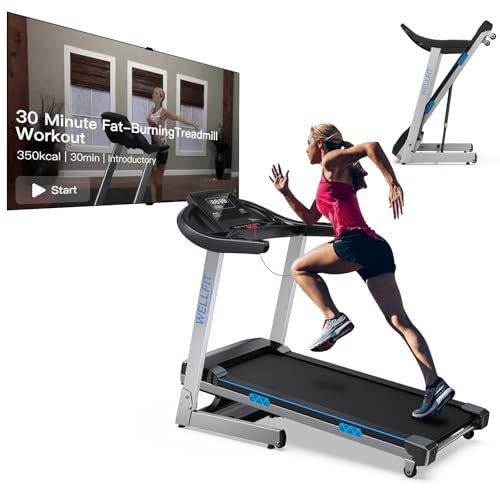
The WELLFIT heavy-duty treadmill targets home users who want a strong frame and a high user limit. Its listed 400+ pound capacity gives larger walkers and runners more room to train with confidence. The 4.0 HP motor rating also suggests a machine built for regular home sessions rather than occasional use. I especially like the foldable design because it adds useful storage value for a home gym.
This model makes sense for walking, steady jogging, and incline-based cardio. A wide, stable deck can help you keep a natural stride and avoid feeling boxed in. The motor, frame, and belt still need proper care, so I would place it on a level floor and follow the lubrication guide. If you want the best commercial treadmill for home use with a strong capacity rating, WELLFIT deserves close attention.
Pros:
- Very high listed user capacity
- 4.0 HP motor rating
- Foldable frame saves floor space
- Useful choice for larger users
- Suitable for walking, jogging, and home cardio
- Heavy-duty design may feel more stable than light models
Cons:
- Large frames still need plenty of open floor space during use
- Motor horsepower labels do not always show continuous power
- Heavy construction may make moving the treadmill difficult
NordicTrack Commercial 1750 Treadmill

The NordicTrack Commercial 1750 is one of the most complete home treadmills in this group. It pairs a commercial-style frame with iFIT access, which can turn a plain run into a coached workout, trail session, or interval class. Its large display and automatic workout changes are useful for people who lose motivation when every session feels the same. The machine suits walkers, joggers, and serious runners who want more structure.
I view the 1750 as a strong all-round pick because it balances training tools with comfort. The incline and decline range can add hill work, while the cushioned running surface may feel kinder than outdoor pavement. A subscription may be needed for the full iFIT experience, so buyers should count that cost before ordering. Still, for many households, this is the best commercial treadmill for home use when guided training matters as much as hardware.
Pros:
- Rich iFIT workout ecosystem
- Good fit for runners and family use
- Automatic training changes add variety
- Incline and decline training support hill workouts
- Large screen makes workouts easy to follow
- Commercial styling suits a dedicated home gym
Cons:
- Full smart features may require a paid membership
- Large console and frame need a roomy location
- Connected features depend on a reliable internet connection
Vitalwalk Incline Folding Walking Pad
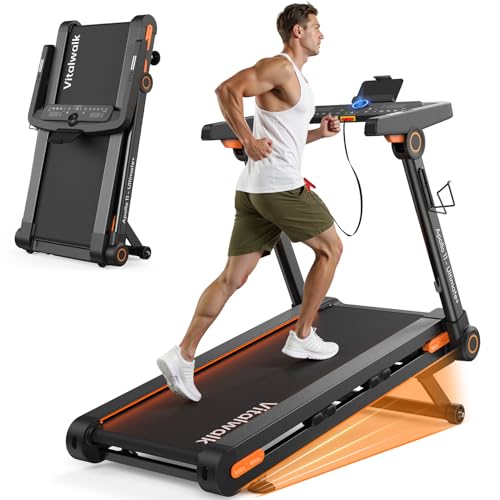
The Vitalwalk is aimed at people who want daily movement without giving a whole room to a treadmill. Its 49-by-18-inch listed walking area provides a practical footprint for walking and light jogging. The automatic incline option adds a useful challenge, which is rare on many compact walking pads. Its foldable form also works well in an apartment, office, or bedroom.
This is not my first choice for fast running or long-stride athletes. It is better for brisk walks, desk breaks, low-impact cardio, and steady incline work. The smaller belt asks you to stay aware of your position, especially if you have a long stride. For compact living, however, it may be the best commercial treadmill for home use in the sense that it makes regular exercise easier to fit into real life.
Pros:
- Compact design suits small rooms
- 49-by-18-inch listed walking area
- Automatic incline adds training variety
- Foldable construction supports easier storage
- Good choice for walking and light jogging
- Useful for home offices and casual daily exercise
Cons:
- Shorter deck may not suit long-stride runners
- Walking pads often offer fewer handrail features
- Compact frames may feel less planted during fast running
Heavy-Duty 12 MPH Auto-Incline Treadmill

This heavy-duty treadmill offers a useful blend of speed, deck space, and incline work. Its listed 20-by-50-inch running area gives walkers and many runners enough width for a natural foot path. The 12 MPH top speed supports faster runs, while automatic incline helps build hill sessions without leaving home. It is a practical option for buyers who want core treadmill features without a large training platform.
The 50-inch deck is more comfortable for walking and moderate jogging than for very tall runners with a long stride. I would also check the product page for the exact user limit, warranty terms, and assembly details before purchase. The simple design may appeal to people who prefer buttons over a complex app system. Among the best commercial treadmill for home use options, this model stands out for straightforward speed and incline training.
Pros:
- 12 MPH listed top speed
- 20-inch belt width supports a steady stride
- Automatic incline adds hill training
- Useful for walking, jogging, and running
- Heavy-duty frame is suited to regular home use
- Less dependent on subscription-based coaching
Cons:
- 50-inch deck may feel short for tall runners
- Assembly may require two adults
- Buyers should confirm warranty and capacity details before ordering
Horizon Fitness 7.4 AT Studio Series
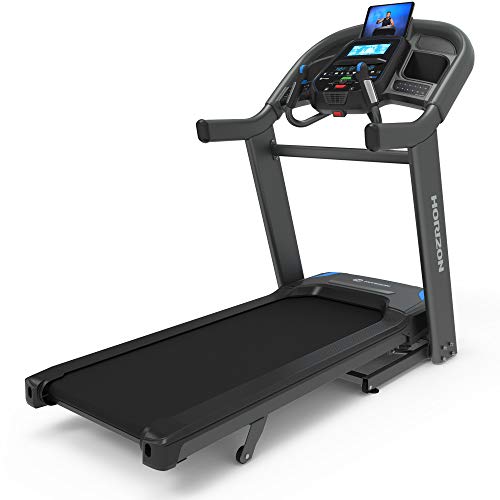
The Horizon Fitness 7.4 AT is built for buyers who take home running seriously. Its listed 3.5 HP motor, 350-pound capacity, Bluetooth support, and incline system give it a solid training base. The Studio Series design also focuses on quick controls, which matters when you want to change speed during intervals. I like this approach because fast adjustments feel safer than searching through menus.
This treadmill works well for runners who use apps but do not want to be locked into one training platform. Bluetooth and app support can help connect your workout tools, while the folding frame helps after the session ends. The 350-pound rating is useful, but users should still leave room around the treadmill for safe access. It is a strong candidate for the best commercial treadmill for home use when responsive controls and open app support rank high.
Pros:
- 3.5 HP motor rating supports regular training
- 350-pound listed user capacity
- Bluetooth helps connect devices and fitness apps
- Quick controls suit interval workouts
- Folding frame helps with storage
- Good fit for dedicated home runners
Cons:
- Heavy frame can be hard to move alone
- App features may vary by device and service
- It needs more room than a walking pad
UMAY 20-Level Auto-Incline Treadmill

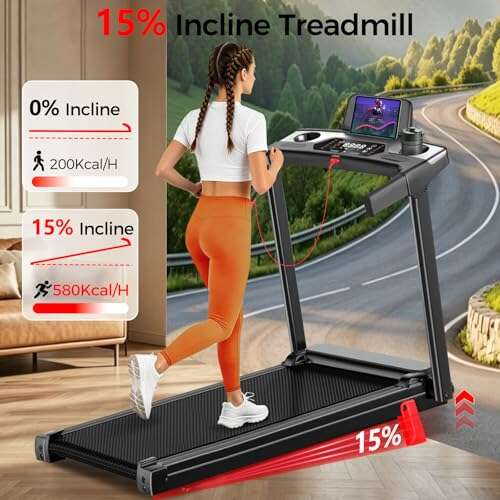
The UMAY treadmill focuses on incline variety. Its listed 20-level, 20-percent automatic incline gives users many ways to raise effort without increasing speed. That feature can make walking more demanding and can help runners add hill work to a short session. It is a smart match for users who want a simple machine with a strong cardio challenge.
Incline walking can raise workout intensity while keeping the pace moderate, which suits many beginners and users who prefer lower-impact sessions. I would start at a low level, hold good posture, and increase the incline in small steps. The motor and belt should be checked against your planned speed, body size, and session length. If incline training drives your buying choice, UMAY may be the best commercial treadmill for home use for your routine.
Pros:
- 20 incline levels offer strong workout variety
- 20-percent maximum incline rating
- Useful for walking-based cardio
- Automatic incline saves manual adjustments
- Good option for hill training at home
- Can make short sessions feel more challenging
Cons:
- High incline can increase joint and calf stress
- Users should confirm speed and weight specifications
- Incline use may require more ceiling clearance
NordicTrack Commercial 2450 Treadmill
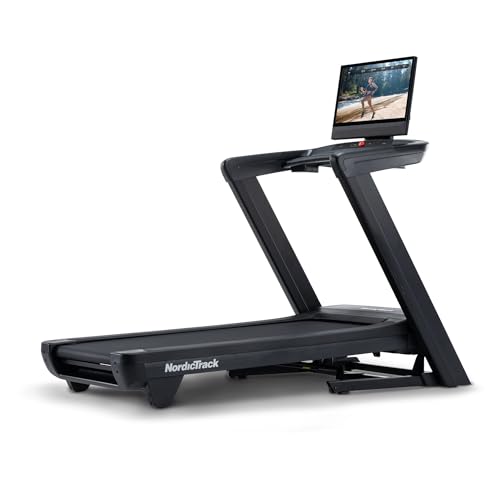
The NordicTrack Commercial 2450 is designed for users who want a premium connected treadmill. Its iFIT platform provides instructor-led classes, scenic routes, and training plans that can change speed and incline for you. This creates a more engaging workout than staring at a basic display. The large screen and commercial design also make it feel like a centerpiece for a serious home gym.
I would recommend the 2450 to households with more than one dedicated user. It gives runners a deep set of training options, while walkers can use guided low-speed classes and scenic sessions. The trade-off is cost, size, and the likely need for a paid membership to unlock the full experience. For buyers who want premium coaching, it can be the best commercial treadmill for home use and a strong long-term fitness investment.
Pros:
- Premium iFIT training access
- Guided classes support many fitness levels
- Automatic speed and incline changes add realism
- Large display improves workout viewing
- Strong fit for serious runners and families
- Scenic workouts can help reduce exercise boredom
Cons:
- Premium price may exceed a basic home budget
- Full software value depends on a subscription
- Large screen and frame require a dedicated area
Curved Manual Self-Powered Treadmill

This curved manual treadmill takes a different path from motorized models. You power the belt with your own steps, so the machine does not need a motor or wall outlet for the belt. Its six resistance levels let you adjust the feel, while the curved deck encourages active foot placement. The five-layer shock-absorbing belt is designed to provide a more comfortable surface for training.
Manual treadmills can feel demanding because every step helps move the belt. That makes this model attractive for short intervals, conditioning, and users who want a simple machine with fewer electronic parts. It may not feel as easy as a motorized treadmill for long walks or relaxed steady runs. For athletes who want a self-powered workout, it may be the best commercial treadmill for home use, especially in a compact training space.
Pros:
- Self-powered design uses no motor for belt movement
- No standard belt electricity is needed during training
- Six resistance levels add workout control
- Curved deck supports active running mechanics
- Five-layer belt design aims to absorb shock
- Useful for intervals and conditioning
Cons:
- Manual belt requires more effort than a motorized belt
- May not suit relaxed, long-distance walking
- Curved running form can take time to learn
NordicTrack Commercial 1250 Treadmill

The NordicTrack Commercial 1250 offers connected training in a smaller step than the brand’s higher models. It includes iFIT support, so users can follow coached workouts and scenic routes from home. The automatic training response can make intervals and hill sessions easier to follow. It is well suited to buyers who want modern features without choosing the largest premium treadmill in the line.
This model is a good middle ground for a couple or family with mixed goals. One person can walk, another can jog, and a third can use guided incline classes. I recommend measuring the room, doorways, and ceiling before delivery because commercial treadmills are not small appliances. If you want smart training at a more balanced level, the 1250 is a credible best commercial treadmill for home use choice.
Pros:
- iFIT support adds coached training
- Automatic workout changes increase variety
- Good fit for mixed household fitness goals
- Scenic routes make indoor training more engaging
- Incline workouts support hill practice
- Offers connected features in a mid-range format
Cons:
- Full iFIT access may cost extra
- Internet access is useful for connected features
- Buyers must plan for delivery and assembly space
3G Cardio Pro Runner X Treadmill

The 3G Cardio Pro Runner X is a long-standing heavy-duty home treadmill with a practical focus. Its listed 350-pound capacity, orthopedic belt, FTMS Bluetooth connection, and low 6.5-inch step-up height cover several needs at once. The lower step-up can help users who dislike climbing onto tall equipment. Its folding design also adds flexibility for home storage.
I see this as a strong choice for buyers who value a solid running platform over a flashy screen. The orthopedic belt may appeal to users who want more comfort during regular walking or running. Bluetooth support helps connect compatible training devices, but it does not create the same built-in coaching world as an iFIT treadmill. For dependable home training, it remains a serious contender for the best commercial treadmill for home use.
Pros:
- 350-pound listed user capacity
- Low 6.5-inch step-up height
- Orthopedic belt design focuses on comfort
- FTMS Bluetooth connectivity
- Folding frame supports compact storage
- Heavy-duty construction suits frequent use
Cons:
- Display experience may feel basic beside newer smart models
- Heavy construction can make relocation difficult
- Users should check current software compatibility
My Recommendation
Each treadmill serves a different kind of home athlete. I would choose the NordicTrack Commercial 1750 for most buyers because it combines a sturdy platform, incline training, comfort, and guided workouts. Choose WELLFIT if high user capacity matters most, Horizon if quick controls matter most, or Vitalwalk if floor space is tight. The 3G Cardio Pro Runner X is especially appealing if you want a durable machine without a strong subscription focus.
| Best for | Why |
|---|---|
| Most home runners | NordicTrack Commercial 1750 offers a strong balance of training tools, comfort, and smart features. |
| Large users and heavy daily use | WELLFIT lists a 400+ pound capacity and a 4.0 HP motor rating. |
| Small rooms and walking | Vitalwalk folds into a compact format and adds automatic incline work. |
Before you buy, measure the open workout area, not only the folded footprint. Leave clear space around the belt and keep the treadmill away from heat, moisture, and loose rugs. The American College of Sports Medicine supports regular aerobic activity, but the safest plan starts with a slow warm-up and gradual progress. A treadmill should be a steady bridge to better fitness, not a race to the hardest setting on day one.
How I Choose the Best Commercial Treadmill for Home Use
I do not judge a treadmill by motor horsepower alone. A good review must look at the whole machine, including deck length, belt width, frame stability, controls, incline, noise, storage, warranty, and service support. A large motor label can sound impressive, but the user experience depends on how well the motor holds speed under load. I also consider how easy the machine feels to use on a normal Tuesday morning.
For runners, I prefer a deck that gives enough room for a natural stride. A 20-inch belt usually feels more relaxed than a narrow belt, while a 55-inch or longer deck often gives taller runners more comfort. Walkers may not need as much space, but handrails and a clear display still matter. I also check whether the product supports a safety key, clear speed controls, and a stable step-up height.
What Commercial Treadmill Features Matter at Home?
A commercial treadmill for home use should match your real habits. If you plan to walk for 30 minutes each day, a massive racing machine may waste money and space. If you run intervals four times per week, a weak frame or slow control system can become a daily annoyance. The right model feels like a helpful coach, not another chore.
Motor power
Look for continuous-duty information when the brand provides it. Peak horsepower can be higher than the power the motor can maintain during a long workout. Frequent runners and heavier users should favor a stronger frame and motor system. Light walkers can often choose a simpler machine, but they should still check the listed capacity.
Running belt size
Belt size changes comfort and safety. A wider belt gives you more side-to-side room, while a longer deck helps protect a long stride. If you plan to run fast, do not choose a belt that only fits your walking pace. Measure your own stride and compare it with the listed running surface.
Incline and decline
Incline work can make a short walk feel like a hill climb. It can also add variety without forcing a very high speed. Automatic incline is convenient during guided workouts, but manual incline can lower the price. Use steep settings with care, keep your posture tall, and avoid holding the rails for the entire workout.
Cushioning and noise
Many home treadmills use a cushioned deck to soften foot impact. Cushioning does not make a treadmill risk-free, but it may feel more comfortable than hard outdoor ground. Noise depends on the motor, belt, deck, user weight, speed, and floor. A rubber equipment mat can reduce vibration and protect the floor.
Folding design
Folding saves space, but it does not make the treadmill weight disappear. Check the folded height and width before you place it near a door or shelf. Make sure the locking system works and that the deck lowers in a controlled way. A treadmill that folds but cannot be moved safely may still crowd the room.
Smart features
Smart screens, Bluetooth, and workout apps can improve motivation. They can also add monthly costs and setup steps. I recommend choosing a connected treadmill only if you will use the features. If you prefer free workouts, simple controls and a device holder may offer better value.
How to Use a Home Commercial Treadmill Safely
Start every workout at a slow pace. Stand on the side rails before you begin, attach the safety clip, and step onto the belt only after it moves slowly. Keep children and pets away from the machine. Never leave a running treadmill unattended.
Wear shoes with a firm grip and keep the belt clean. Avoid loose clothing that could catch near the moving parts. If you feel chest pain, faintness, severe shortness of breath, or unusual pain, stop and seek proper medical help. People with a health condition should ask a qualified clinician how to begin.
Good posture matters. Look forward, relax your shoulders, and let your arms move naturally. Try not to pull on the handrails, since doing so changes your walking form and can reduce the training challenge. Increase time, speed, or incline slowly rather than changing everything in one session.
How to Maintain a Commercial Treadmill at Home
Maintenance protects both comfort and performance. Wipe sweat from the frame and console after use, since moisture can damage finishes and controls. Vacuum dust around the motor cover and floor area when the machine is unplugged. Keep the treadmill in a dry room with stable temperature.
Check the belt for slipping, fraying, or unusual noise. A loose belt may need adjustment, while an over-tight belt can increase motor strain. Follow the manual for lubrication because some belts need silicone and others use a different care method. Do not add lubricant unless the manufacturer allows it.
Inspect bolts, handrails, power cords, and the safety key from time to time. Stop using the treadmill if the cord shows damage or the deck shifts. A few minutes of care can prevent a small issue from becoming a costly repair. This matters even more with a heavy machine used by several people.
FAQs Of best commercial treadmill for home use
What is the best commercial treadmill for home use?
For most users, I recommend the NordicTrack Commercial 1750 because it combines strong training features, incline work, cushioning, and guided workouts. The best choice can change if you need a very high weight capacity, a compact walking pad, or a self-powered belt.
Is a commercial treadmill worth it at home?
It can be worth it if you run often, share the machine with several users, or want a stable deck that lasts through regular training. Casual walkers may save money with a simpler home treadmill. Compare the frame, warranty, belt size, and service terms before you decide.
How much room does a home treadmill need?
Measure the treadmill when open, then add clear space around it for safe entry and exit. You also need extra height for the incline position. Check doorways, stairs, ceiling height, and the path from delivery to the final room.
Do I need a treadmill with incline?
No, but incline adds useful variety. It can make walking harder without a very fast pace and can support hill training. Start with a low incline and increase it slowly, especially if your calves, knees, or hips are not used to hills.
Should I buy a folding treadmill?
A folding treadmill helps when you need to share floor space. It is useful only if you can fold and move it safely. Always check the folded size, locking system, weight, and storage location before buying.
Final Verdict: Which Should You Buy?
The NordicTrack Commercial 1750 is my top pick for the best commercial treadmill for home use. It offers the most balanced mix of comfort, incline training, stability, and guided workouts.
Choose WELLFIT for high capacity, Vitalwalk for small spaces, or 3G Cardio for durable non-subscription training. Compare current specs and price before checkout.

Brandon Knoxley is a sport & fitness writer and training guide contributor at MySportFitHub. He focuses on practical workouts, performance-based training, and honest fitness gear insights designed for real people and real results. Brandon is passionate about helping beginners and active individuals train smarter, avoid common mistakes, and build sustainable fitness habits.