Best Treadmill Shoes For Women: Top Picks For Comfort
The best treadmill shoes for women combine soft cushioning, secure fit, light weight, and steady grip for every workout.
You may know the feeling: your treadmill session starts well, then your feet feel hot, your heels slip, or each step lands with a dull jolt. The right shoes can change that. I reviewed these women’s running and walking shoes for cushioning, fit, airflow, support, traction, and daily value. My goal is simple: help you find a pair that feels stable on a moving belt, whether you walk, jog, run, or mix all three.
ALEADER Energycloud Slip-On Shoes

The ALEADER Energycloud is a simple, easy-on shoe for walking and light treadmill work. Its slip-on design helps when you want to get ready fast without tying laces. The sole feels soft under the foot and gives a smooth ride during warm-ups, steady walks, and low-impact gym sessions.
I like this style for people who spend as much time running errands as using a treadmill. The knit-like upper allows air to move around the foot, which can help during indoor workouts. It is not my first pick for hard, fast running, but it offers a relaxed fit and useful comfort for daily movement.
Pros:
- Slip-on design makes changing shoes quick
- Soft sole helps reduce harsh impact during walks
- Light feel suits long indoor sessions
- Breathable upper supports better airflow
- Casual look works for errands and gym use
- Flexible build allows natural foot movement
Cons:
- Slip-on fit may feel less secure during fast running
- Limited structure may not suit users who need strong support
- Light cushioning may feel too soft for some runners
Brooks Revel 8 Neutral Running Shoe

The Brooks Revel 8 is a strong all-around choice for women who want one shoe for treadmill runs, walks, and daily wear. It uses a neutral design, so it does not force the foot into a correction system. The cushioning feels balanced rather than bulky, which helps the shoe stay lively when you increase the belt speed.
The upper gives the foot a snug, athletic hold without making the shoe feel stiff. I find this balance useful for users who want support from the fit but prefer a natural stride. As with most neutral shoes, it works best for runners whose feet do not need a special stability feature.
Pros:
- Versatile design handles walking and running
- Balanced cushioning feels comfortable without excess weight
- Neutral platform suits many natural strides
- Secure lace-up fit helps reduce heel movement
- Sporty shape works well beyond the gym
- Good choice for a single everyday running shoe
Cons:
- Neutral design may not meet the needs of overpronating runners
- Medium width may feel narrow for broad feet
- Less plush than a maximum-cushion treadmill shoe
adidas Response Pace Running Shoe
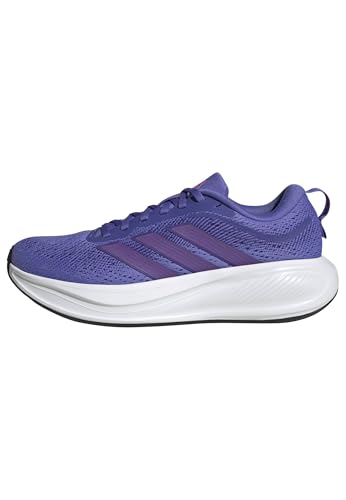
The adidas Response Pace gives treadmill users a practical mix of cushioning, flexibility, and sport-ready style. It is built for runners and walkers who want a traditional lace-up shoe with a comfortable daily feel. The sole provides a steady base for brisk walking and moderate running without feeling overly rigid.
The blue and purple color design adds a bright touch, but the shoe’s main strength is its broad use. I would consider it for gym circuits, treadmill intervals, and casual outdoor walks. It may suit new runners especially well because it offers a familiar shape and a secure upper at a reasonable level of performance.
Pros:
- Traditional lace-up closure allows a customized fit
- Flexible sole supports walking and light running
- Cushioned feel helps make daily training more pleasant
- Sporty design transitions from gym to street
- Stable base feels dependable on a treadmill belt
- Bright color adds easy visibility to workout clothing
Cons:
- May not provide enough cushion for high-mileage runners
- Bright color may not suit every wardrobe
- Not designed as a dedicated motion-control shoe
New Balance Fresh Foam Arishi V4

The New Balance Fresh Foam Arishi V4 is a comfortable option for walking, jogging, and mixed gym use. Its Fresh Foam-based midsole aims to give the foot a soft, smooth landing. That makes it appealing to women who want a gentle shoe for daily treadmill workouts rather than a firm racing feel.
The upper has a casual look that does not scream “running shoe,” so it can work for travel and everyday wear. I appreciate that balance when a shoe must cover several parts of the day. The Arishi V4 is best for neutral feet and moderate training, while runners who need strong arch control may want a support-focused model.
Pros:
- Soft cushioning feels pleasant during walking workouts
- Versatile style works for gym and daily wear
- Light construction helps reduce foot fatigue
- Flexible forefoot supports a smooth walking motion
- Comfortable choice for beginner treadmill users
- New Balance sizing options may help different foot shapes
Cons:
- Soft foam may feel less responsive during fast intervals
- Neutral support is not ideal for every gait pattern
- Upper may need careful sizing for wide feet
adidas Response 2 Running Shoe
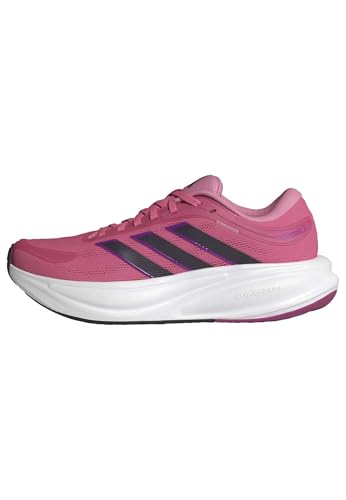
The adidas Response 2 is made for women who want a light, familiar running shoe for regular workouts. It offers a cushioned platform that feels easy to use for treadmill walking and short runs. The low-fuss design makes it a practical pick for beginners, students, and anyone building a consistent exercise habit.
Its pink and purple color scheme gives the shoe a lively look, while the lace-up upper helps keep the foot in place. I would use this model for steady treadmill work, basic intervals, and general gym sessions. It may not offer the deep cushion or advanced support found in premium training shoes, but it covers the basics well.
Pros:
- Lightweight feel works well for everyday exercise
- Secure laces help create a close fit
- Cushioned sole supports brisk walking and jogging
- Easy design suits new and casual runners
- Bright color looks energetic in the gym
- Flexible build supports routine treadmill training
Cons:
- May feel basic for experienced distance runners
- Limited stability features for runners needing correction
- Color may show dust and marks more quickly
Joomra Zero-Drop Barefoot Sneakers
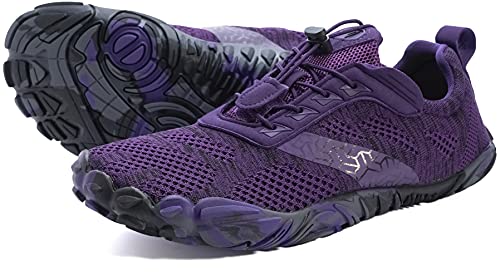
The Joomra barefoot sneaker takes a very different approach from thick, cushioned running shoes. Its zero-drop shape keeps the heel and forefoot at a similar height. The flexible design gives the toes more room to move and may appeal to women who enjoy a close-to-the-ground feel.
This shoe can work for slow treadmill walks, strength work, and users who already understand minimalist footwear. I do not recommend switching to a zero-drop shoe for long runs overnight. Give your calves and feet time to adapt, because the smaller cushion and different angle can place new demands on the lower legs.
Pros:
- Zero-drop platform supports a level foot position
- Flexible sole encourages natural foot movement
- Light design feels less bulky than cushioned trainers
- Wide toe area may improve toe comfort
- Useful for walking, lifting, and light gym work
- Good alternative for experienced minimalist-shoe users
Cons:
- Minimal cushioning may not suit long treadmill runs
- New users need a gradual adjustment period
- Less shock protection for hard foot strikes
Under Armour Charged Assert 9
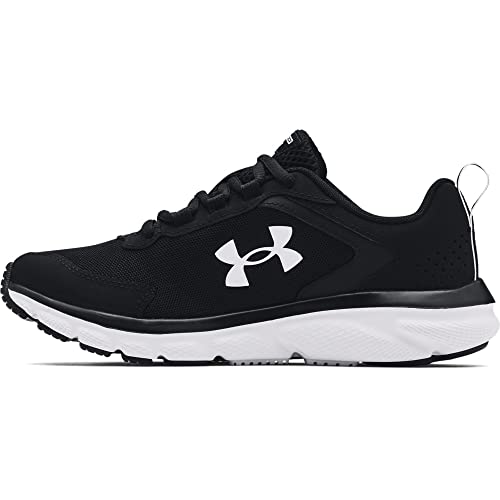
The Under Armour Charged Assert 9 is a dependable choice for women who prefer a firm, responsive shoe. Its Charged Cushioning design aims to balance impact absorption with a more energetic toe-off. On a treadmill, that combination can feel useful when you alternate between walking and short running bursts.
The upper holds the foot with a conventional lace system, and the shoe has a clean black-and-white look. I see it as a good fit for gym members who want one pair for cardio, machines, and daily movement. It is not a maximum-cushion shoe, but its more direct feel can help users who dislike a soft, sinking platform.
Pros:
- Responsive cushioning supports brisk treadmill sessions
- Firm feel helps runners who dislike overly soft shoes
- Secure lacing allows a close and stable fit
- Breathable upper helps manage heat during workouts
- Durable-looking design suits frequent gym use
- Black-and-white color pairs with most workout clothes
Cons:
- Firm ride may not suit users seeking plush comfort
- Neutral design offers limited gait correction
- May feel less forgiving during long, slow walks
Nike Run Swift 3 Road Running Shoe

The Nike Run Swift 3 brings a familiar running-shoe shape to treadmill training. It is suited to women who want a lightweight feel, a secure lace-up fit, and a clean athletic look. The shoe feels ready for short runs, incline walks, and regular gym cardio.
I would choose it for someone who wants a nimble shoe rather than a heavy stability trainer. The road-running design also makes it useful outside the gym for sidewalks and casual walks. Like many neutral shoes, it should match your natural gait and may not provide enough support if your feet roll inward heavily.
Pros:
- Light feel supports quick treadmill movement
- Lace-up upper helps keep the heel secure
- Versatile design works indoors and outdoors
- Sporty shape suits short runs and incline walks
- Flexible build allows an easy stride
- Recognizable Nike styling adds everyday appeal
Cons:
- May not offer enough cushioning for long-distance training
- Neutral platform does not correct overpronation
- Narrower fit may require careful size selection
Brooks Adrenaline GTS 25 Supportive Shoe

The Brooks Adrenaline GTS 25 is the support-focused option in this guide. Its GuideRails support approach is designed to help limit excess movement while allowing a normal stride. That makes it appealing to women who want more guidance than a basic neutral treadmill shoe can provide.
The cushioning feels protective for walking, jogging, and longer treadmill sessions. I would look closely at this model if foot fatigue, mild inward rolling, or a need for a more structured fit affects your workouts. It is heavier and more substantial than a minimalist shoe, but that extra structure can feel like a steady hand during repeated steps.
Pros:
- Supportive design helps manage unwanted foot movement
- Cushioned platform suits longer walking and running sessions
- Secure upper helps hold the foot in place
- Comfortable choice for many daily trainers
- Support can help reduce the feeling of foot fatigue
- Works well for both treadmill and road walking
Cons:
- More structured feel may seem bulky to neutral runners
- Usually costs more than basic running shoes
- May not suit users who prefer a flexible barefoot feel
My Recommendation
Choosing the best treadmill shoes for women starts with your gait, workout pace, and comfort needs. I would pick the Brooks Revel 8 for most neutral-footed users because it balances cushion, weight, fit, and daily use. It feels more versatile than a specialty shoe and can move from treadmill miles to errands with little fuss.
For extra guidance, the Brooks Adrenaline GTS 25 is the better choice. It offers a more supportive ride for users who notice inward rolling or tired feet. For casual walking, the ALEADER Energycloud gives an easy slip-on fit, while the New Balance Fresh Foam Arishi V4 offers a soft and relaxed daily option.
The adidas Response Pace and Response 2 are sensible picks for new runners and budget-minded shoppers. The Under Armour Charged Assert 9 suits people who like a firmer, more responsive platform. The Nike Run Swift 3 is a light, flexible choice for short runs and gym cardio. The Joomra stands apart and works best for users who already enjoy zero-drop shoes and are willing to adapt slowly.
What I Checked Before Recommending These Shoes
I focused on the features that matter most on a treadmill. A moving belt needs a shoe that grips well, bends at the forefoot, and stays secure around the heel. Cushioning also matters because repeated steps can expose weak spots in a shoe faster than a short outdoor walk.
I also considered fit and purpose. A shoe that feels excellent for a slow walk may feel unstable during sprints. In the same way, a firm running shoe may suit intervals but feel tiring during a long, easy session. Foot shape, arch behavior, training load, and personal feel should guide the final choice.
Cushioning and Impact Feel
Treadmill belts have some give, but they do not remove the need for cushioning. Your shoe still absorbs part of the force from each landing. A soft shoe can feel kind to tired feet, while a firmer shoe can feel more stable and quick.
There is no perfect cushion level for every woman. Walkers often enjoy a soft, smooth midsole. Runners who like fast changes may prefer a more responsive platform. If you have joint pain or a history of injury, speak with a qualified health professional instead of relying on shoe marketing alone.
Fit, Width, and Toe Room
A good treadmill shoe should hold the heel without squeezing the toes. I suggest leaving about a thumb’s width between your longest toe and the front of the shoe. Feet often swell during exercise, so a tight morning fit may become uncomfortable after thirty minutes.
Try shoes with the socks you use for workouts. Lace the shoe firmly, then walk before you run. Your heel should stay mostly in place, and your toes should be able to spread without rubbing the sides. If one foot is larger, fit the larger foot first.
Neutral Versus Supportive Running Shoes
Neutral shoes allow the foot to move with fewer built-in corrections. The Brooks Revel 8, adidas models, New Balance Arishi V4, Nike Run Swift 3, and Under Armour Charged Assert 9 fit this general group. They can work well when your stride feels comfortable and even without a support device.
Supportive shoes use design features that aim to guide excess movement. The Brooks Adrenaline GTS 25 is the clearest support pick here. However, shoe labels cannot diagnose your gait. Comfort, fit, and advice from a podiatrist or running specialist matter more than a label alone.
Breathability and Sweat Control
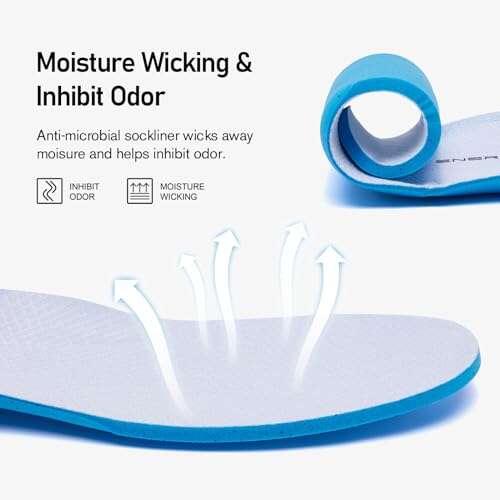
Indoor exercise can make feet warm because gyms often have limited airflow. A breathable upper can help moisture leave the shoe. This does not make a shoe waterproof, and it does not replace clean socks or good foot care.
Look for a light upper that does not press against the top of your foot. If you sweat heavily, rotate between two pairs and let each pair dry fully. Avoid placing running shoes on a hot radiator, since high heat can damage foam and adhesives.
Grip on a Treadmill Belt
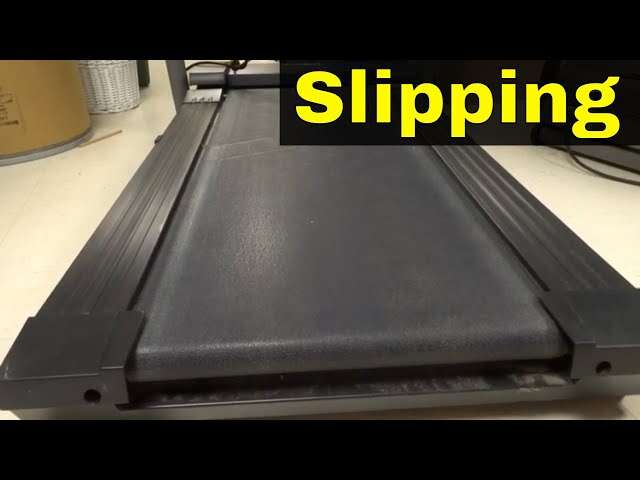
Treadmill belts usually provide steady traction, but worn shoes can still slide or feel vague. Check the rubber and foam under the shoe before every workout. Deep wear at the heel or forefoot can change the way you land.
Do not use heavily worn outdoor shoes for fast treadmill intervals. Dirt and small stones can also affect traction. The shoes in this guide are built for running or walking, but their actual grip will depend on the belt, your pace, and the condition of the outsole.
How I Would Match Each Shoe to a Workout
For easy walking, I would start with the ALEADER Energycloud, New Balance Arishi V4, or adidas Response 2. These models focus on simple comfort and daily use. They work well for warm-ups, steady steps, and moderate sessions.
For mixed walking and running, the Brooks Revel 8, adidas Response Pace, Nike Run Swift 3, and Under Armour Charged Assert 9 offer a more athletic feel. They give you a secure lace-up fit and enough flexibility for pace changes. The right pick depends on whether you prefer soft, balanced, or firm cushioning.
For support, I would select the Brooks Adrenaline GTS 25. For minimalist training, I would select the Joomra only if the user already has experience with zero-drop shoes. That distinction matters because a minimalist shoe is not automatically better or healthier for every foot.
| Best for | Why |
|---|---|
| Most neutral treadmill users | Brooks Revel 8 offers a balanced mix of cushion, fit, and versatility. |
| Extra guidance and daily support | Brooks Adrenaline GTS 25 gives a more structured ride with cushioned comfort. |
| Easy walking and casual use | ALEADER Energycloud provides quick slip-on convenience and a soft feel. |
How to Break In New Treadmill Shoes
Do not take a brand-new pair straight into a long run. Wear them at home for a short time first. Then use them for a ten- to fifteen-minute walk on the treadmill.
Pay attention to hot spots, heel lift, and pressure near the toes. A small change in lace tension may fix mild movement. Pain, numbness, or repeated rubbing means the fit may be wrong, and no break-in period should force you to ignore those signs.
How to Clean and Store Women’s Running Shoes
Remove loose dirt with a soft brush. Clean the upper with mild soap, cool water, and a cloth. Take out the insoles when possible and let all parts air dry.
Avoid the washing machine unless the manufacturer clearly allows it. Hot water and strong heat can change the shape of the shoe. Store your pair in a dry, open place instead of a sealed gym bag.
When to Replace Treadmill Shoes
There is no single mileage number that fits every runner. Body weight, pace, surface, shoe design, and training style all affect wear. A walker may keep a pair longer than a runner who trains hard several days each week.
Look for flat foam, worn tread, uneven heels, torn fabric, or new aches after normal sessions. If the shoe no longer feels stable, replace it. A fresh pair of the best treadmill shoes for women can cost less than dealing with months of avoidable discomfort.
FAQs Of best treadmill shoes for women
What are the best treadmill shoes for women?
The Brooks Revel 8 is my top all-around pick for neutral users. It offers balanced cushioning, a secure fit, and enough flexibility for walking or running. Women who need more guidance should consider the Brooks Adrenaline GTS 25.
Can I use walking shoes for treadmill running?
You can use a walking shoe for slow walking and light exercise. For regular running, choose a running shoe with a secure upper, flexible forefoot, and suitable cushioning. Running creates more repeated impact than casual walking.
Should treadmill shoes fit tightly?
They should feel secure, not tight. Your heel should stay in place, while your toes need room to move. Leave roughly a thumb’s width at the front and try the shoes with your usual workout socks.
Are zero-drop shoes good for treadmill workouts?
They can work well for experienced minimalist-shoe users. New users should switch slowly because zero-drop shoes can place more demand on the calves and feet. Start with short walks before adding speed or distance.
How often should I replace women’s treadmill shoes?
Replace them when the cushioning feels flat, the tread looks worn, or the shoe causes new discomfort. The right time depends on use and care. Inspect the pair often instead of following mileage alone.
Final Verdict: Which Should You Buy?
For most women, I recommend the Brooks Revel 8 as the best treadmill shoe for women. Choose the Brooks Adrenaline GTS 25 if you need more support, or the ALEADER Energycloud for easy walking and slip-on comfort.
The best treadmill shoes for women should fit your feet, pace, and goals. Use this guide to compare comfort, support, and value before your next workout.

Brandon Knoxley is a sport & fitness writer and training guide contributor at MySportFitHub. He focuses on practical workouts, performance-based training, and honest fitness gear insights designed for real people and real results. Brandon is passionate about helping beginners and active individuals train smarter, avoid common mistakes, and build sustainable fitness habits.