How to Avoid Fatigue During Sports Practice: Expert Tips Revealed
Do you often find yourself drained and tired halfway through your sports practice? Fatigue can stop you from performing your best and even increase the risk of injury.
But what if you could keep your energy high and stay focused from start to finish? You’ll discover simple and effective ways to avoid fatigue during your practice sessions. By making a few smart changes, you’ll unlock more stamina, better performance, and greater enjoyment every time you hit the field or court.
Keep reading to find out how to power through your practice without burning out.
Causes Of Fatigue In Sports
Fatigue during sports practice can slow you down and reduce your performance. Understanding the causes helps you prevent tiredness and stay strong. Fatigue happens for different reasons. Some are physical, others come from the mind or body chemistry. Knowing these causes can guide better habits and choices.
Physical Exhaustion
Physical exhaustion comes from using muscles too much without rest. Long practices or intense workouts tire your body. Your muscles lose strength and need time to recover. Overworking leads to slower movements and poor focus. Rest and balanced training help avoid this type of fatigue.
Dehydration Effects
Not drinking enough water causes dehydration. It lowers your energy and causes cramps or dizziness. Sweating during practice removes fluids quickly. Without replacing them, your body cannot cool down well. Staying hydrated keeps your muscles working and mind sharp.
Nutritional Deficiencies
Food gives your body fuel and nutrients to perform. Lack of vitamins, minerals, or calories weakens muscles and energy. Skipping meals or eating unhealthy foods causes this problem. Proper nutrition supports endurance and faster recovery after practice.
Mental And Emotional Stress
Stress from school, family, or competition affects your body. It can cause tiredness and lower motivation. Worrying or feeling anxious drains your energy. Relaxing and positive thinking improve focus and stamina during practice.

Credit: www.amazon.com
Pre-practice Preparation
Proper preparation before sports practice helps reduce fatigue and boost performance. It sets the body and mind for physical activity. Focus on warming up, eating well, and staying hydrated. These steps build endurance and reduce tiredness during practice.
Effective Warm-up Routines
Start with light cardio like jogging or jumping jacks for five minutes. This raises your heart rate and warms your muscles. Follow with dynamic stretches such as leg swings and arm circles. These movements increase blood flow and improve flexibility. Avoid static stretching before practice, as it can lower muscle strength.
Balanced Meal Planning
Eat a meal rich in carbohydrates, moderate in protein, and low in fat two hours before practice. Carbs provide quick energy for your muscles. Protein helps repair muscle tissues. Avoid heavy or greasy foods that cause sluggishness. A small snack like a banana or yogurt 30 minutes before practice adds extra fuel.
Hydration Strategies
Drink water regularly throughout the day before practice. Start with 16 to 20 ounces two hours before. Sip 8 ounces 20 minutes prior to activity. Avoid sugary drinks that can cause energy crashes. Proper hydration supports muscle function and delays fatigue.
During Practice Tips
During sports practice, managing your energy is key to avoid fatigue. Small habits can help you keep going strong. These tips focus on what to do while you are practicing. They help maintain your stamina and improve your performance.
Pacing Yourself
Start slow and find a steady rhythm. Avoid rushing through exercises. Balance intense moments with lighter activity. This helps save energy for the whole session. Listen to your body and adjust your speed. Pacing prevents early tiredness and keeps you active longer.
Proper Breathing Techniques
Breathe deeply and regularly. Use your diaphragm to take fuller breaths. Avoid shallow breathing that tires you faster. Inhale through your nose and exhale through your mouth. Good breathing supplies oxygen to muscles. This reduces fatigue and improves focus during practice.
Taking Strategic Breaks
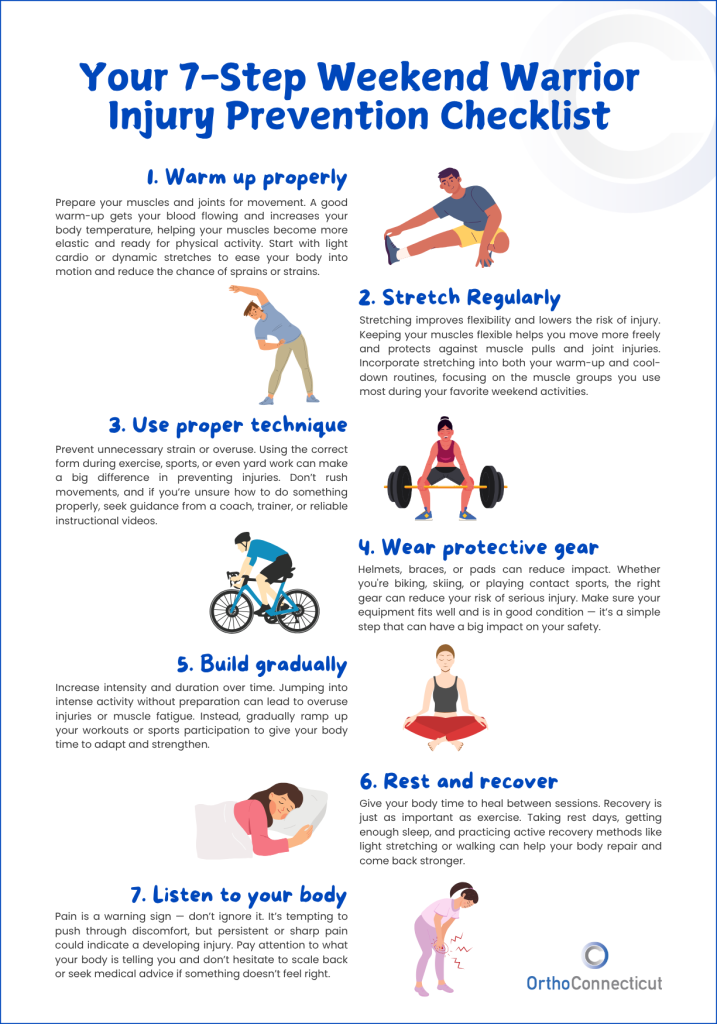
Pause briefly between drills or sets. Short rests help your muscles recover. Use breaks to drink water and relax your mind. Avoid long breaks that cool your body too much. Timing breaks wisely keeps your energy steady. Rest smart to train harder and longer.
Credit: myorthoct.com
Post-practice Recovery
Post-practice recovery is key to avoid fatigue after sports. It helps the body heal and get ready for the next session. Taking time to recover can improve your performance and reduce injury risk. Focus on simple steps right after practice to feel better faster.
Cool-down Exercises
Slow down your body with light exercises. Try walking or gentle stretching for 5 to 10 minutes. This helps clear out lactic acid that builds up during intense activity. Cooling down lowers your heart rate gradually. It also reduces muscle stiffness and soreness.
Rehydration Importance
Drink plenty of water after practice. Sweating causes loss of fluids and minerals. Rehydrating replaces what you lost and keeps your muscles working well. Sports drinks can help if practice was very long or hot. Avoid sugary or caffeinated drinks as they may dehydrate you.
Rest And Sleep
Rest is essential to repair muscles and restore energy. Give yourself time to relax after training. Sleep at least 7 to 8 hours every night. Good sleep improves focus and reaction time. Without enough rest, fatigue builds up and hurts your progress.
Long-term Fatigue Management
Managing fatigue over the long term is key to staying strong and active in sports. Fatigue can build up slowly without clear signs. This slow build-up can hurt your performance and cause injuries. Taking steps to manage fatigue helps keep your body ready and your mind sharp for every practice session.
Consistent Training Schedule
Stick to a regular training routine. This helps your body adjust and recover properly. Avoid sudden increases in training intensity or time. Consistency builds endurance and prevents burnout. Plan rest days and lighter sessions to allow your muscles to heal.
Monitoring Overtraining Signs
Watch for signs like constant tiredness, poor sleep, and mood changes. These signs show your body needs a break. Track your energy levels and performance carefully. Stop and rest if you feel pain or extreme fatigue. Early detection helps avoid serious injuries.
Mental Health Maintenance
Sports fatigue is not only physical but mental too. Stress and worry can lower your energy. Practice relaxation techniques like deep breathing or meditation. Talk with coaches or friends about your feelings. A strong mind supports a strong body during sports.

Credit: www.joionline.net
Frequently Asked Questions
How Can Proper Hydration Prevent Fatigue In Sports?
Staying hydrated maintains energy and improves muscle function. Drink water before, during, and after practice to avoid fatigue. Dehydration reduces stamina and focus, leading to early exhaustion. Aim for consistent fluid intake to keep your body performing at its best.
What Role Does Nutrition Play In Avoiding Sports Fatigue?
Balanced nutrition fuels your body and supports recovery. Eat carbs for energy, protein for muscle repair, and healthy fats for endurance. Avoid heavy meals before practice to prevent sluggishness. Proper nutrition helps maintain energy levels and delays fatigue during sports activities.
How Does Adequate Sleep Reduce Sports Fatigue?
Sleep restores energy and repairs muscles. Aim for 7-9 hours of quality sleep each night. Lack of sleep impairs focus, coordination, and stamina, increasing fatigue risk. Prioritize rest to enhance performance and reduce tiredness during sports practice.
Can Warm-up Exercises Minimize Fatigue During Practice?
Yes, warm-ups increase blood flow and loosen muscles. This prepares your body for intense activity and reduces injury risk. Effective warm-ups improve endurance and delay the onset of fatigue. Include dynamic stretches to boost performance and energy levels.
Conclusion
Avoiding fatigue during sports practice helps improve your performance. Drink enough water to stay hydrated throughout your session. Eat healthy snacks to keep your energy levels high. Take short breaks to rest and recover your strength. Listen to your body and stop if you feel pain.
Practicing these simple steps will keep you active longer. Stay consistent and enjoy your time on the field. Fatigue won’t hold you back when you care for yourself. Keep pushing forward with good habits every day.

Brandon Knoxley is a sport & fitness writer and training guide contributor at MySportFitHub. He focuses on practical workouts, performance-based training, and honest fitness gear insights designed for real people and real results. Brandon is passionate about helping beginners and active individuals train smarter, avoid common mistakes, and build sustainable fitness habits.