How to Improve Stamina for Sports Training: Boost Endurance Fast
Do you ever feel tired halfway through your sports training? Imagine pushing through every session with energy to spare.
Improving your stamina isn’t just about working harder—it’s about training smarter. You’ll discover simple, effective ways to boost your endurance and keep your body going strong. Ready to unlock your full potential and outperform your limits? Let’s dive in and transform your stamina for good.
Credit: sportlane.com
Benefits Of High Stamina
High stamina brings many benefits to sports training. It helps athletes perform longer without feeling tired. This means better practice sessions and stronger performance during games. Improving stamina supports faster recovery and reduces injury risk. It also boosts confidence and mental focus.
Improved Endurance
Stamina increases the body’s ability to keep going. Athletes run, jump, or swim longer without stopping. This endurance helps in both training and competition. It allows athletes to push their limits safely.
Better Energy Levels
High stamina means the body uses energy more efficiently. Athletes feel less tired during intense workouts. This leads to better performance and faster skill improvement. Energy lasts longer, which supports consistent training.
Faster Recovery
Good stamina helps the body heal quickly after exercise. Muscles repair faster, reducing soreness and fatigue. Athletes can train more often without overworking their bodies. Recovery time shortens, keeping progress steady.
Enhanced Mental Focus
Stamina affects both body and mind. Athletes stay alert and focused during long sessions. Mental sharpness improves decision-making and reaction times. This focus supports better strategy and performance under pressure.

Credit: www.traineffective.com
Key Factors Affecting Stamina
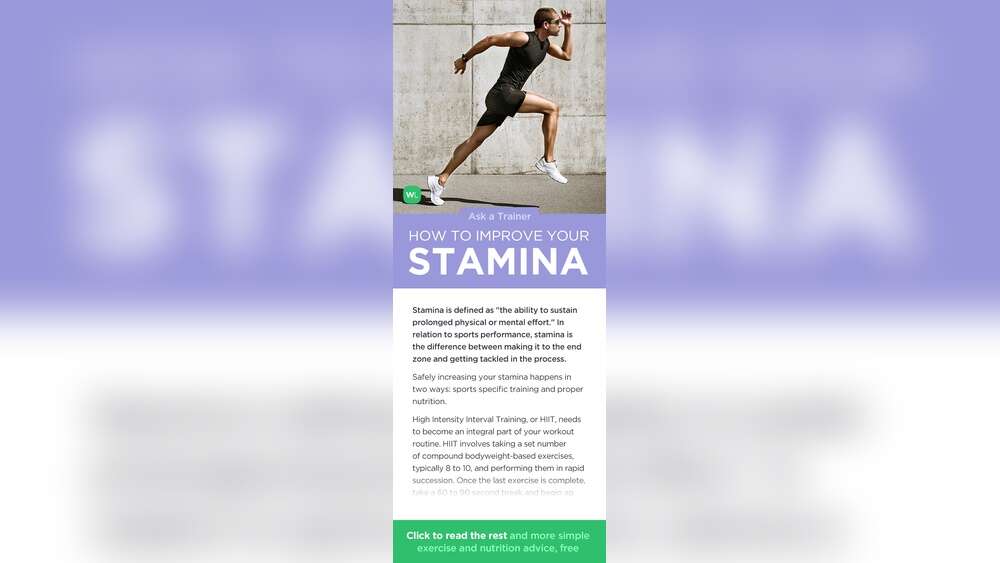
Stamina plays a crucial role in sports training. It determines how long an athlete can perform without feeling tired. Several key factors affect stamina. Understanding these can help improve endurance and performance. Focus on these areas to build lasting energy and strength.
Cardiovascular Fitness
Cardiovascular fitness measures how well the heart and lungs work. Strong heart and lungs deliver oxygen faster to muscles. This keeps energy levels high during exercise. Regular aerobic exercises like running or cycling boost cardiovascular health. Better cardiovascular fitness means longer, more efficient workouts.
Muscle Strength
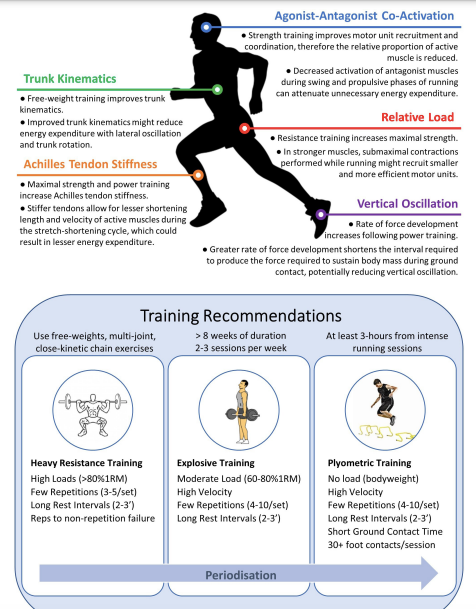
Muscle strength supports stamina by reducing fatigue. Strong muscles work longer without tiring quickly. Strength training with weights or resistance bands builds muscle power. It also improves muscle endurance, helping maintain effort in sports. Balanced muscle strength prevents injuries and enhances overall stamina.
Mental Endurance
Mental endurance affects how long you push through discomfort. Sports demand focus and willpower during tough moments. Training the mind builds resilience and concentration. Techniques like visualization and controlled breathing help stay calm. A strong mind keeps the body going, even when tired.
Nutrition And Hydration
Proper nutrition fuels muscles and brain for better stamina. Eating balanced meals with carbs, proteins, and fats is essential. Hydration keeps the body cool and prevents cramps. Drink water before, during, and after training sessions. Good nutrition and hydration support recovery and sustained energy.
Effective Training Techniques
Effective training techniques help build stamina for sports. These methods improve endurance, strength, and recovery. Consistent practice with the right exercises boosts performance over time.
Choosing the right training style fits your sport and body type. Mixing different workouts keeps training interesting and effective. Focus on exercises that challenge your heart, muscles, and lungs.
Interval Training
Interval training mixes short bursts of intense exercise with rest. This method raises your heart rate quickly. Then, it allows recovery before the next burst. It improves speed and stamina fast. Try sprinting for 30 seconds, then walking for 1 minute. Repeat for 15 to 20 minutes.
Long Slow Distance Runs
Long slow distance runs build endurance over time. Run at a slow, steady pace for 30 minutes or more. This trains your body to use oxygen efficiently. It also strengthens your heart and muscles. Start with comfortable distances and increase gradually.
Circuit Training
Circuit training combines strength and cardio exercises in a sequence. Perform each exercise for a set time or reps. Move quickly to the next exercise without much rest. This keeps your heart rate high. It improves stamina and muscle strength together. Example exercises include push-ups, squats, and jumping jacks.
Cross-training Activities
Cross-training uses different sports or exercises to improve fitness. It reduces injury risk by avoiding overuse of the same muscles. Activities like swimming, cycling, or rowing build stamina. Cross-training also keeps workouts fun and fresh. It strengthens various muscle groups for balanced fitness.

Credit: www.youtube.com
Nutrition Tips To Boost Endurance
Nutrition plays a key role in improving stamina for sports training. Eating the right foods helps your body perform better and recover faster. Proper nutrition fuels your muscles and keeps your energy steady during exercise.
Focus on what you eat before, during, and after training. Small changes in diet can lead to big improvements in endurance.
Balanced Macronutrients
Your body needs carbohydrates, proteins, and fats for energy and repair. Carbohydrates are the main fuel for endurance activities. Include whole grains, fruits, and vegetables in your meals. Proteins help rebuild muscles after training. Choose lean meats, beans, or dairy. Healthy fats support long-term energy and brain function. Add nuts, seeds, and olive oil to your diet.
Pre-workout Meals
Eat a light meal one to two hours before training. Focus on carbohydrates and a small amount of protein. This combination gives you energy and prevents hunger. Avoid heavy or greasy foods that may cause discomfort. Drink water to stay hydrated before exercise.
Post-workout Recovery Foods
After training, your body needs nutrients to recover. Eat protein to repair muscles and carbohydrates to refill energy stores. Good options include yogurt with fruit, a turkey sandwich, or a smoothie with protein powder. Try to eat within 30 to 60 minutes after exercise for best results.
Hydration Strategies
Water is essential for endurance and overall health. Drink water throughout the day, not just during exercise. For long or intense workouts, consider drinks with electrolytes to replace lost minerals. Avoid sugary or caffeinated drinks as they can dehydrate you. Monitor your urine color; light yellow means good hydration.
Rest And Recovery Strategies
Rest and recovery are key parts of sports training. They help the body heal and grow stronger. Without rest, muscles get tired and performance drops. Proper recovery stops injuries and keeps energy high. This section covers simple ways to rest and recover well.
Importance Of Sleep
Sleep is the best way to recover after training. It helps muscles repair and rebuild. Good sleep also improves focus and reaction time. Aim for 7 to 9 hours each night. Try to keep a regular sleep schedule. Avoid screens and heavy meals before bed. Deep sleep stages are when most repair happens.
Active Recovery Methods
Active recovery means light exercise after hard training. It helps blood flow and removes waste from muscles. Walking, swimming, or cycling at low speed works well. These activities reduce stiffness and soreness. Active recovery speeds up healing. Avoid intense workouts on rest days to prevent burnout.
Stretching And Mobility
Stretching keeps muscles flexible and ready for action. It reduces tightness and lowers injury risk. Spend a few minutes stretching after exercise. Focus on slow, gentle movements. Mobility exercises improve joint range of motion. Regular stretching supports better performance and faster recovery.
Tracking Progress And Staying Motivated
Tracking progress and staying motivated are key to improving stamina for sports training. Without regular checks, it is easy to lose focus or feel discouraged. Seeing small improvements keeps the spirit high. Motivation helps push through tough workouts and tired days.
Creating a system for progress tracking helps athletes understand what works. Motivation grows when goals are clear and measurable. It also builds confidence and encourages consistency. The right tools and techniques make this process easier.
Using Fitness Apps
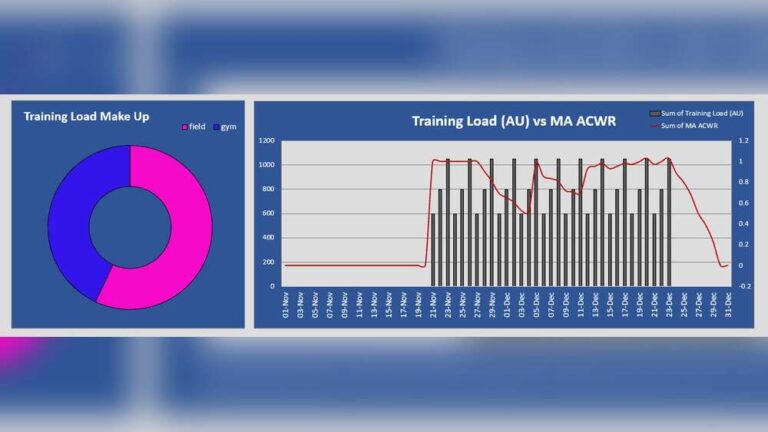
Fitness apps provide a simple way to track workouts and stamina levels. They record data like distance, time, and heart rate automatically. Users can see progress on charts and graphs, making results clear. Many apps offer reminders and tips to keep users active. This regular feedback fuels motivation and keeps training on track.
Setting Realistic Goals
Goals should be clear and achievable to stay motivated. Start with small targets and increase difficulty gradually. Realistic goals prevent frustration and burnout. Tracking progress against these goals shows improvement over time. Celebrate small wins to keep the energy high for the next challenge.
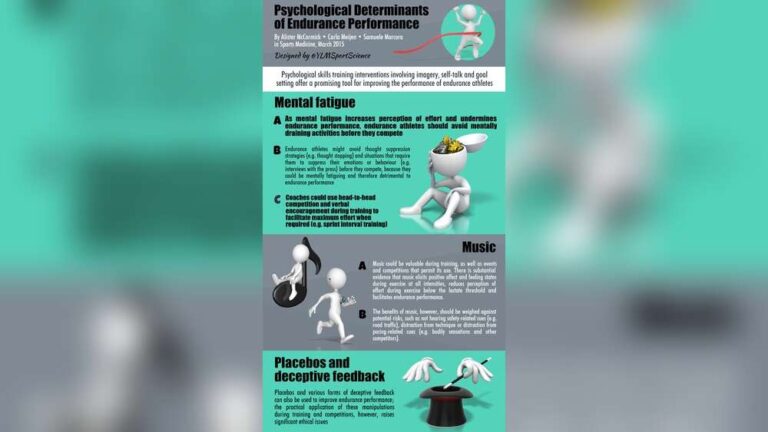
Mental Conditioning Techniques
Mental strength supports physical stamina in sports training. Techniques like visualization help prepare the mind for effort. Positive self-talk boosts confidence during tough moments. Breathing exercises reduce stress and improve focus. Regular mental practice enhances endurance and motivation.
Frequently Asked Questions
What Are The Best Exercises To Improve Stamina For Sports?
Cardio workouts like running, cycling, and swimming boost stamina. Interval training also enhances endurance and overall sports performance. Combining aerobic and anaerobic exercises optimizes stamina gains for athletes.
How Does Nutrition Affect Sports Stamina Improvement?
Balanced nutrition fuels your body for longer workouts. Consuming carbohydrates, proteins, and hydration improves energy levels. Proper diet aids recovery and helps maintain consistent stamina during sports training.
How Much Rest Is Needed To Build Sports Stamina?
Rest is vital for muscle recovery and stamina growth. Aim for 7-9 hours of sleep nightly. Include rest days in your training schedule to avoid burnout and improve endurance.
Can Mental Training Enhance Sports Stamina?
Yes, mental focus and stress management improve stamina. Techniques like visualization and mindfulness boost performance. A strong mindset helps sustain energy and push through physical fatigue.
Conclusion
Improving stamina takes time and steady effort. Focus on regular exercise and balanced nutrition. Rest well to help your body recover. Stay consistent with your training routine every week. Small progress leads to big results over time. Enjoy the process and listen to your body.
Better stamina helps you perform well in sports. Keep pushing yourself, but avoid burnout. Your hard work will soon show in your energy and endurance. Stay motivated and keep moving forward.

Brandon Knoxley is a sport & fitness writer and training guide contributor at MySportFitHub. He focuses on practical workouts, performance-based training, and honest fitness gear insights designed for real people and real results. Brandon is passionate about helping beginners and active individuals train smarter, avoid common mistakes, and build sustainable fitness habits.